


The Deep of Night mode is a harder Ranked gamemode in Elden Ring Nightreign. Players face more difficult enemies and unpredictable events during their Deep of Night runs. It has a ranking system in the form of Depth levels. Players who prove successful face even harder challenges.
This guide was written by @dxvis on Discord.
Change Overview
Deep of Night offers a variety of modifiers and challenges that make it stand out from the regular expeditions, such as:
- Ranked system in the form of ‘Depths’, gradually increasing the overall difficulty.
- Target Nightlord isn’t shown until the loading screen.
- Enemies and bosses have increased HP and damage.
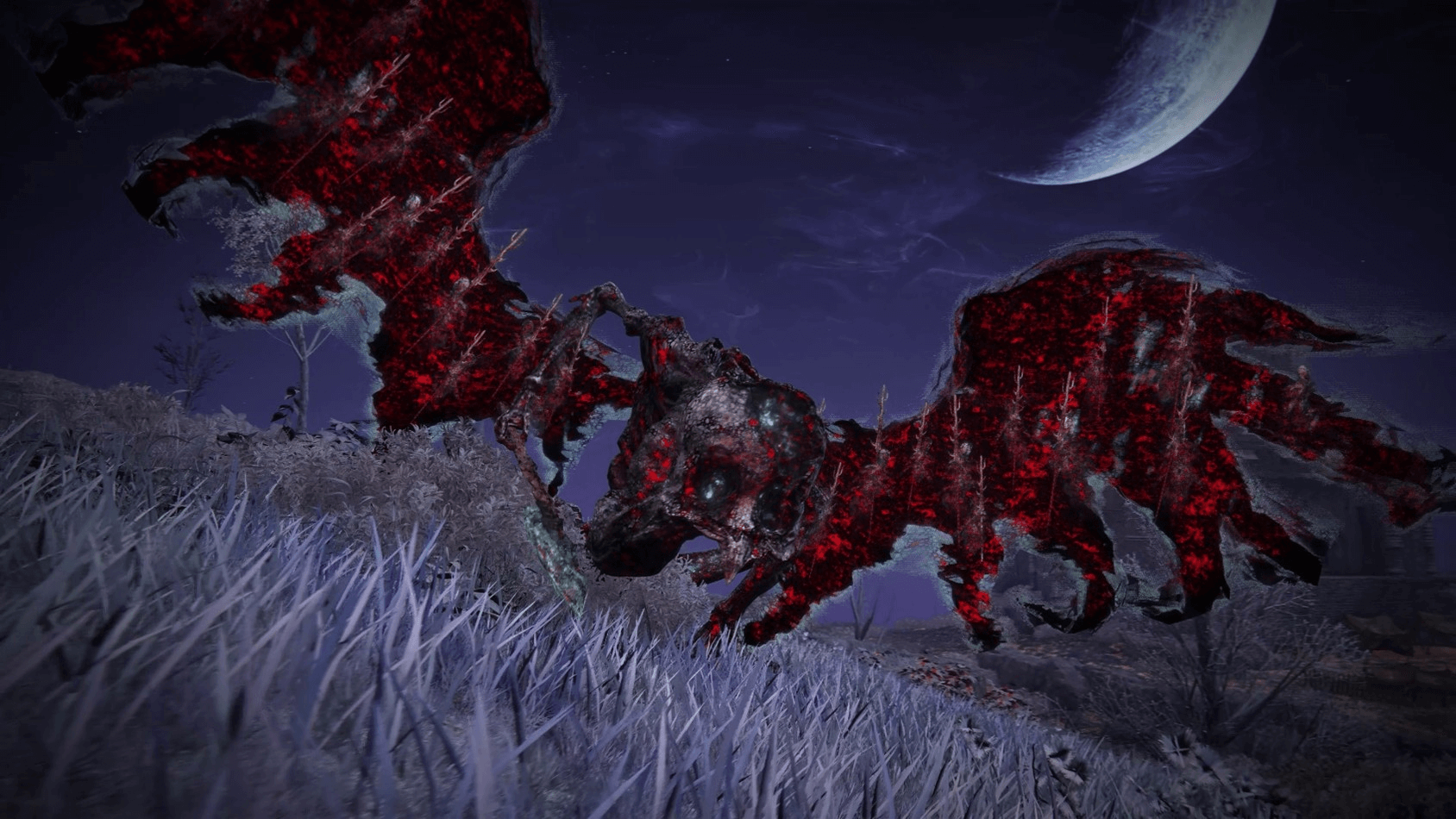
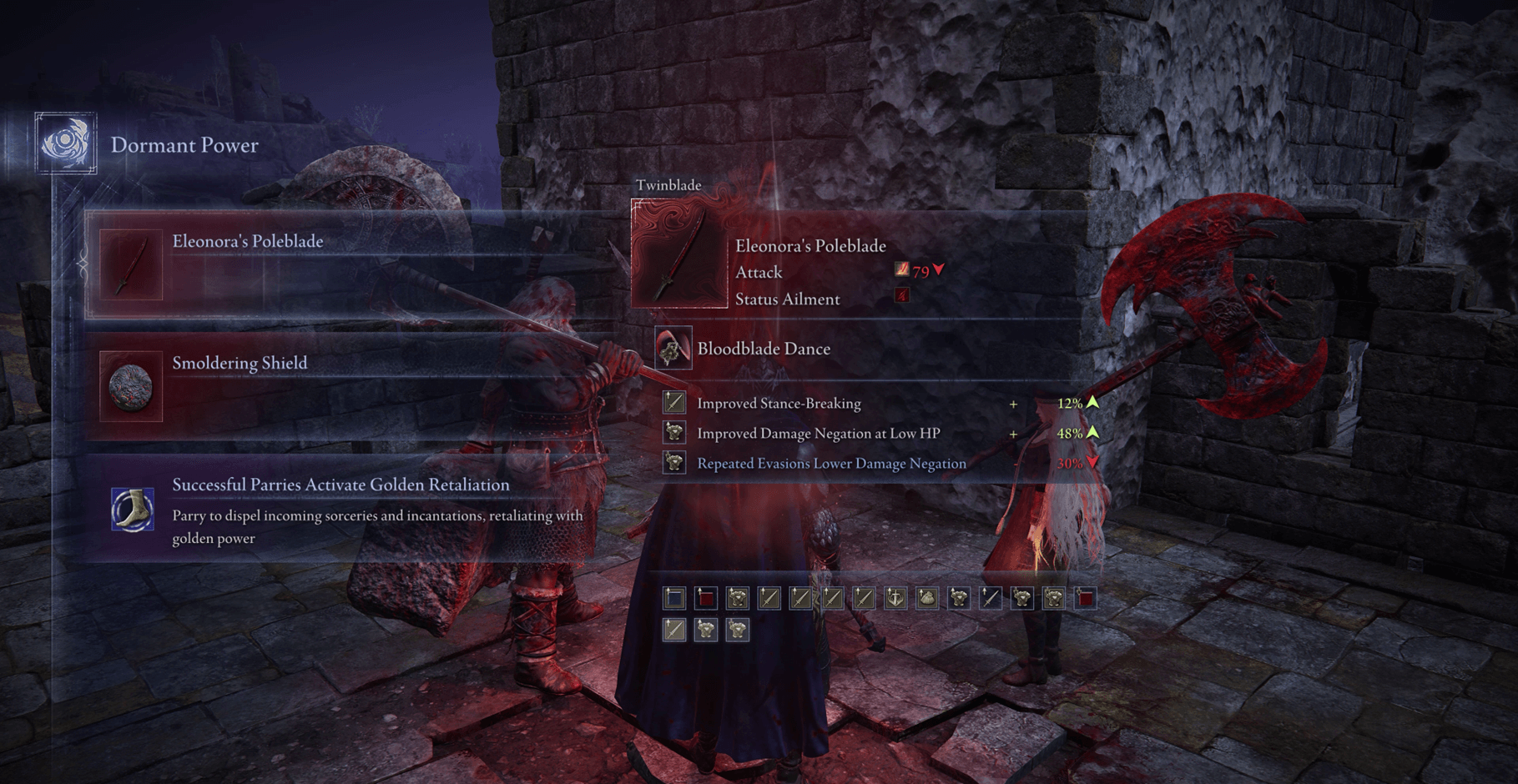
- New glowing red enemies called ‘Variants’ with higher damage; they drop more powerful weapons.
- New ‘Deep Relics’ that can only be used in Deep of Night, with more powerful effects.
- Weapons and Deep Relics can have special new effects as well as detrimental ones.
- Shifting Earth is random.
Depth Levels
In Deep of Night, you gain ‘Rating’ as you successfully complete expeditions. Once you’ve gained enough Rating, you will advance on to the next Depth level. There are up to 5 Depths, each escalating the HP and damage of enemies.
While in multiplayer, you will be matched with players from the same depth.
Higher Depths bring additional modifiers that make runs more difficult:
- Points of interest and Structures may not be marked on the map
- Everdark Sovereign Nightlords may appear
- Target Nightlord may be hidden until the fight
Deep Relics
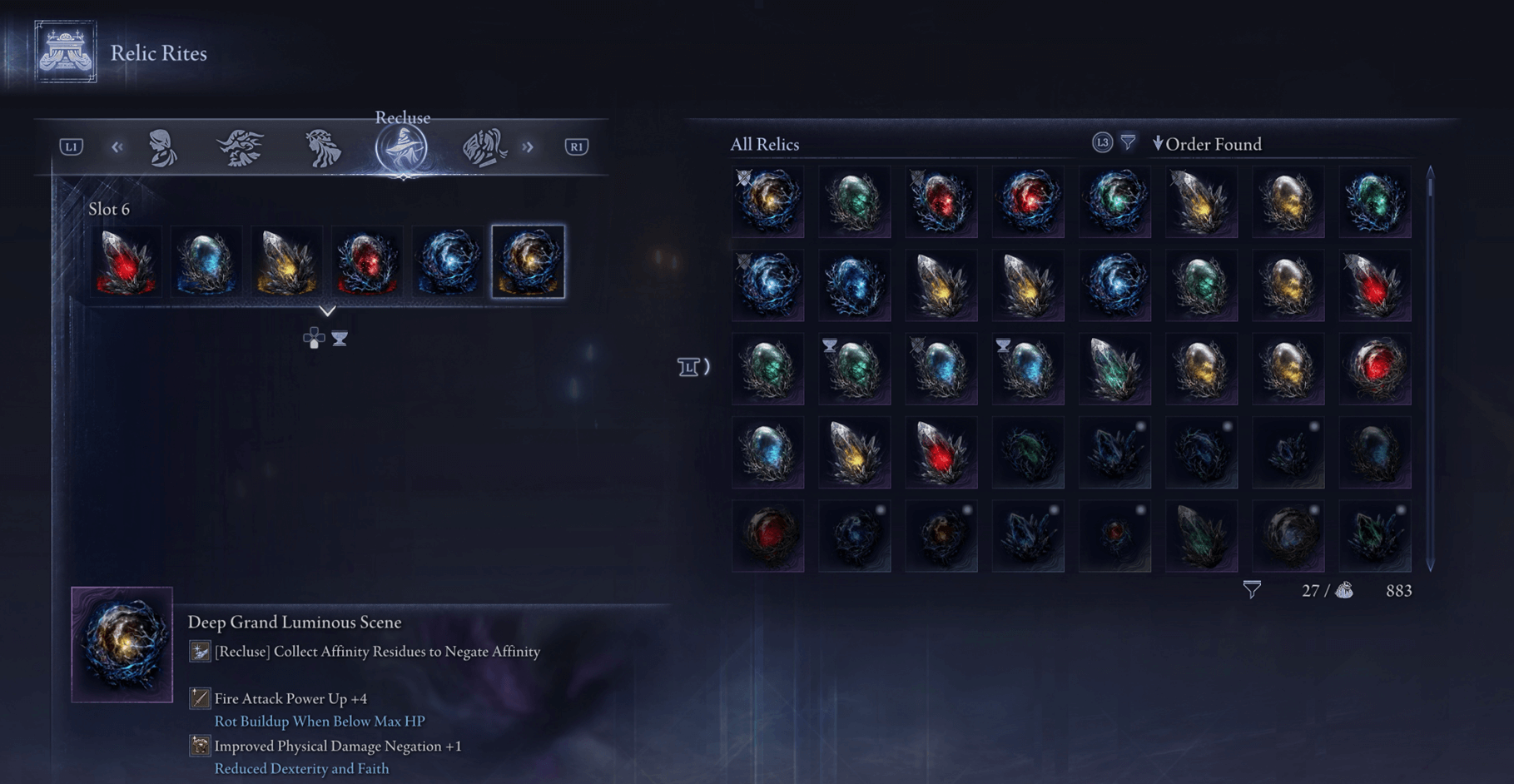
Deep Relics are a new type of relic that can only be obtained and used during Deep of Night expeditions. They have additional effects that can’t be found on regular relics, and can have negative effects, such as decreased resistances or stats.
Each Relic preset can have up to three Deep Relics equipped, so carefully choose which Deep Relics can complement your existing builds.
Some Deep Relics can have new character effects. These are strong, so consider using them to further boost your character. Some of the most powerful ones are:
- Wylder: Skill causes Bleed
- Ironeye: Skill causes Poison, and deals extra damage to Poisoned targets
- Guardian: Skill boosts damage reduction to allies
- Recluse: Collecting affinity residues lowers target damage reduction
- Raider: Skill makes the target deal less damage
- Executor: Increased Dex and Arcane, reduced Vigor
Tips and Tricks
- Don’t try Deep of Night until you have beaten the base game, as it is a late–game challenge for experienced players.
- Make Relic presets for multiple Nightfarers and Bosses, so you are able to swap between them at the loading screen with ease.
- Red ‘Variant’ bosses deal significantly more damage, so stay alert at all times; attacks that didn’t one-shot can do so now.
- Don’t take Red weapons blindly, as their negative effect can often be too detrimental for your character. Consider trading them to allies that benefit more from them.
- Be careful when equipping Deep Relics, as they can make specific builds suffer due to negative effects. Do not use them if they’re not helpful.
- Coordination is key; do not split up.
- Routing is important: plan and find a path that allows your party to quickly level up and get beneficial buffs and weapons for the target Nightlord.
- Red-eyed bosses can also become glowing Red Variants; these can be pretty difficult even for high-level parties, so you may want to avoid them unless you’re sure you can take them on.
Deep of Night Game Plan
Normally, Deep of Night expeditions should be faced in the same way as regular expeditions. Ideally, you should have a specific Relic Preset for the target Nightlord and equip it in the loading screen.
First, find a small enemy camp to reach level 2. Then, start finding Points of Interest such as Churches or Sorcerer Rises while clearing easy enemy locations like Forts, Cathedrals, Ruins, and Camps.
There are no new enemy variations on Deep of Night, so you can expect to encounter the same enemies as in regular expeditions. Avoid more difficult locations (such as sleep ruins with Runebears) while taking on easier ones (like Holy ruins with Albinaurics).
You can take on Evergaols and more difficult locations from level 4 to 5 and higher. Deep of Night usually has Red Variant bosses on Evergaols and in the open field, which can prove difficult at lower levels. It is best if you level up higher than normal before taking on more difficult challenges.
Find at least one weapon effective against the target Nightlord in the first day; you can potentially find others later or upgrade it with a  Smithing Stone [1] from a mineshaft.
You should use the second day to clear out the middle Castle or the ongoing Shifting Earth, as well as any formidable field bosses that appear in your path. It can be difficult to clear both the Castle and the Shifting Earth, so carefully choose your routing on the second day. For example, if the Castle has Trolls, you may want to avoid it and only clear the bosses in the basement and rooftop and then head to other bosses.
Enemies have increased HP and damage in Deep of Night, so expect longer encounters that deal more damage. Attacks that wouldn’t normally one-shot you can do so now, so keep an eye out at all times.
Dying as a team can often mean that the run is over, so avoid taking on difficult enemies before you’re levelled up properly.