Deadlock is Valve's newest MOBA Hero Shooter. It's still in closed beta, with continuous updates adding new Heroes and mechanics. The latest update, City Never Sleeps, overhauled the game's map and jungle. You can read the full Patch Notes here.
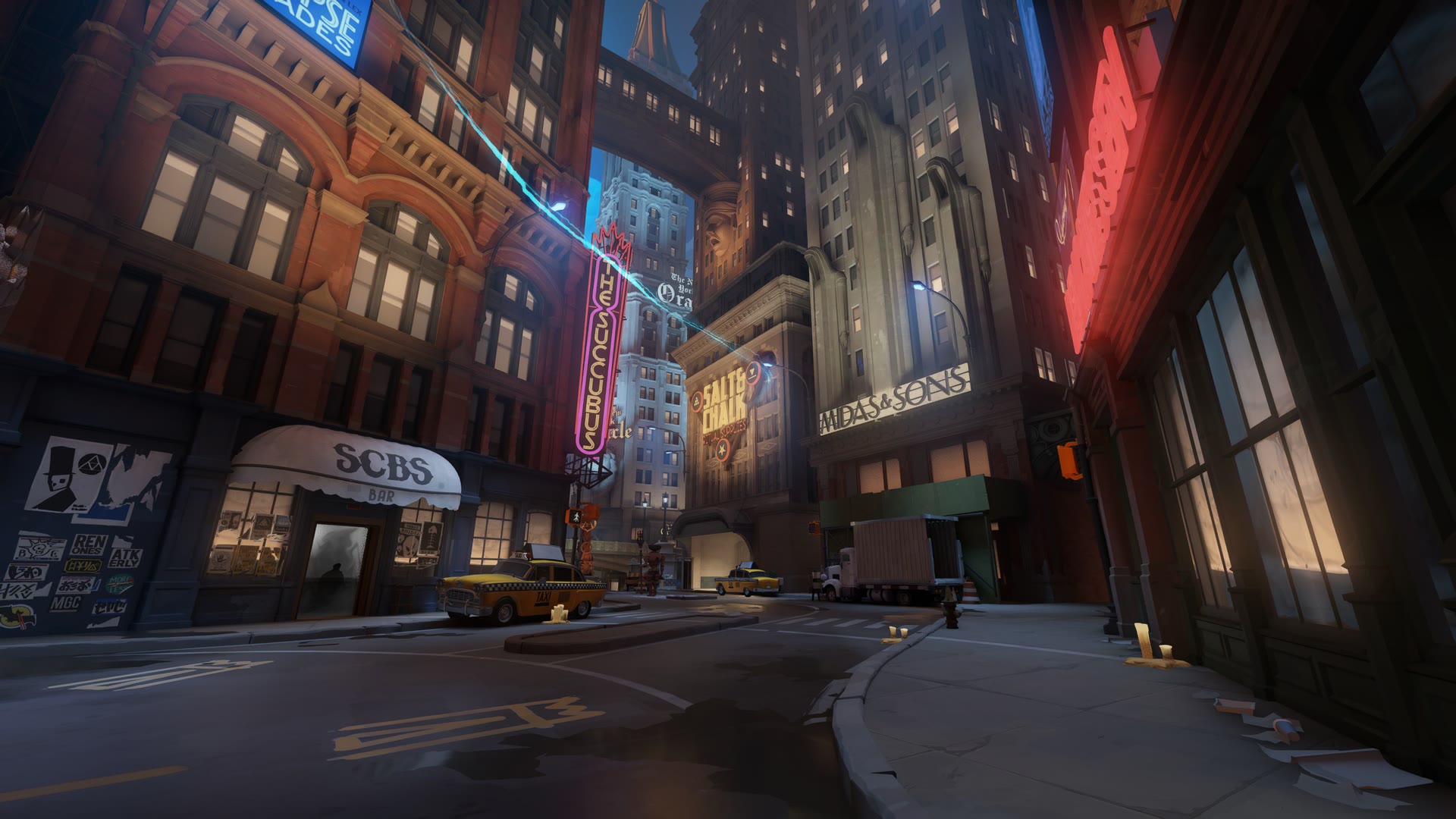
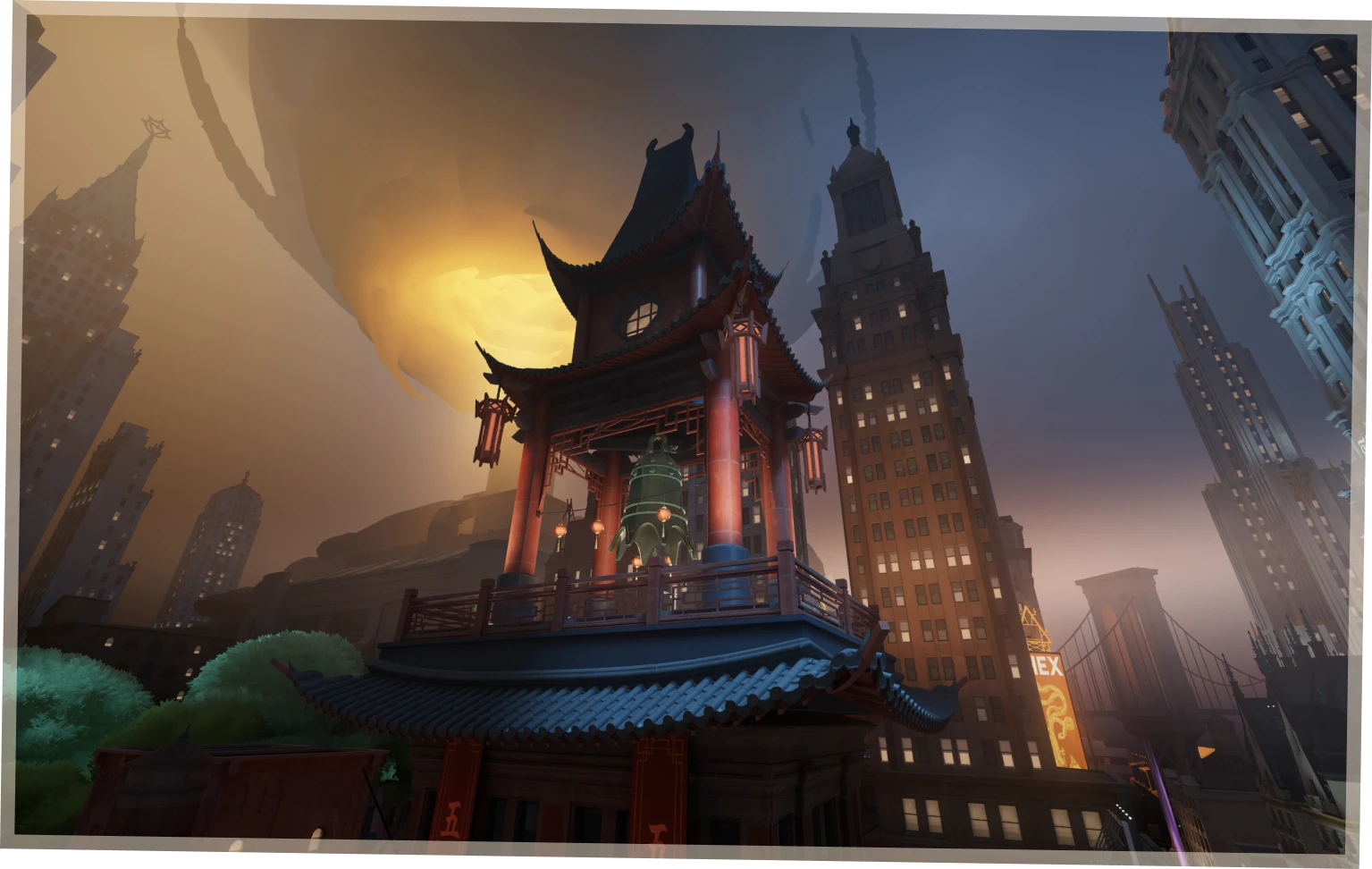
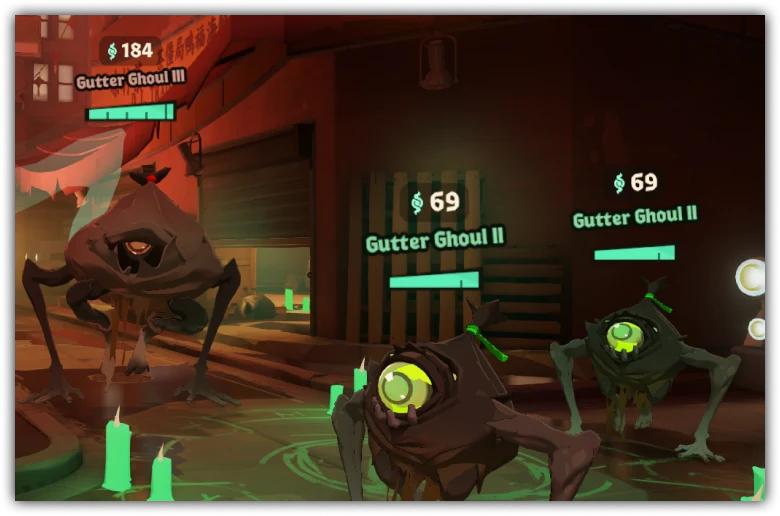
Deadlock takes place in The Cursed Apple, a haunted version of New York City, where you'll find yourself amidst skyscrapers, otherworldly creatures, and enemy objectives. The game plays as a mix between a Hero Shooter and a MOBA, with similar hero mechanics to other Hero Shooters like Overwatch and Marvel Rivals, while preserving the traditional MOBA gameplay with farming, lanes, creeps, and a jungle.
Deadlock can best be described as a MOBA with Hero Shooter mechanics:
Hero Shooter mechanics
Three-dimensional gameplay
Several movement options, including dash, double jumps, and air dashes
Unique hero kits with passive and active abilities
MOBA Mechanics
Cannot switch hero during a match
Longer matches (20-40 minutes)
Farm Souls and XP with creeps, neutral monsters, and kills
Upgrade abilities as you level up
Traditional MOBA map with three lanes and bases for each team
Manage waves and strategic positioning
Buy items to make your hero stronger and adapt to the enemy team
Game Modes
Deadlock features several game modes, including standard and Ranked play, a faster-paced game mode, and training and sandbox game modes to practice your skills and learn the game.
Standard and Ranked play
These two modes are identical and offer a classic MOBA experience in Deadlock. You'll go up in 6v6 matches in the full map, and will need to manage your lane, neutral camps, map events, and other objectives. It features a more strategic experience compared to the Street Brawl mode.
Ranked mode unlocks like in other competitive games, with ranks and seasons. You can learn all about it in our dedicated Deadlock Ranked guide.
Street Brawl Mode
Street Brawl is a faster 4v4 game mode that streamlines several of the game's MOBA mechanics to focus solely on fighting. It is similar to League of Legends' ARAM and DOTA 2's Turbo and Arcade game modes.
In this game mode, matches are based on rounds, which end once a team captures an objective. You can learn more in our Deadlock Street Brawl guide.
Tutorial
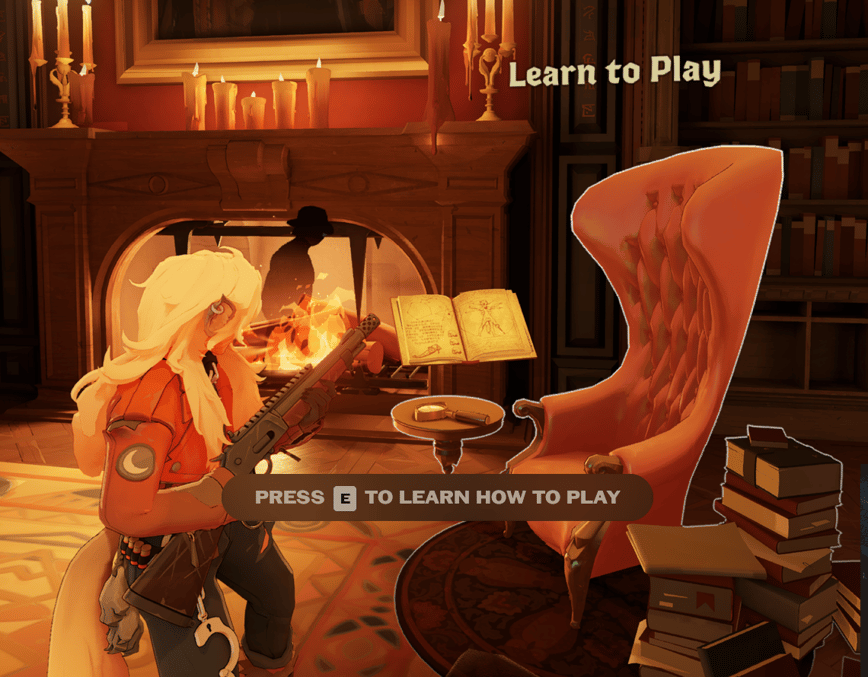
You can go into a guided tutorial by pressing E near the chair to the right of the spawn. It will teach you the basics about controls and laning.
Practice and Sandbox game modes
When starting the game, you'll have access to a practice range where you can test your aim and abilities. You can also load into a sandbox game where you can play around with testing tools, or practice against CPU bots.
These game modes are most useful when you're learning the game, as they let you learn different hero kits and play around with the game's mechanics and movement.
Heroes: Movement and Abilities
In Deadlock, you'll select a Hero to play as for the full game. All heroes share the same basic controls, but each of them has a unique kit of abilities and gun.
Our Deadlock Hero guides offer in-depth information on every hero, and tips and tricks on how to best use their kit and counter them.
Shared Controls and Mechanics
All heroes can Aim and Shoot to dish out constant damage from afar. Shooting uses Bullets, which you must recharge eventually. Some heroes can Aim + Shoot to unload a whole clip at once.
To move around the map, you'll Jump, Dash, and Slide. You can perform a Double Jump and an Air Dash as well. This will let you climb onto ledges and platforms, as well as dodge and gap close. Movement actions cost Stamina, which recharges over time.
You can also do melee attacks, and charge them to do a heavy melee and dash forward. Melee attacks can be Parried, which will stun the attacker.
Each hero has a unique Gun and a unique Melee attack, each with their own damage, clip size, range, etc. When playing a hero, get familiar with these two mechanics, as they are the bread and butter of every hero.
Abilities
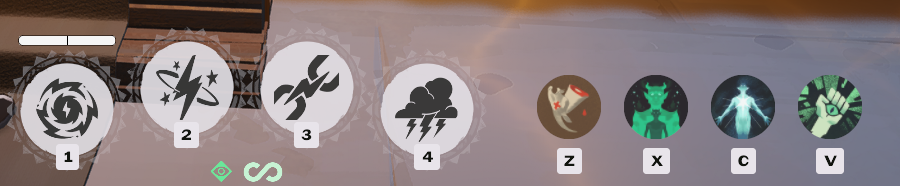
Every hero has a unique kit with 3 regular abilities and an Ultimate ability. These define the hero's identity and grant them unique playstyles. Most heroes have a Passive ability, which grants passive bonuses at all times.
Each Ability can be upgraded up to 3 times as your character levels up and gets Ability Points. Upgrading an Ability enhances its effects, usually increasing damage, lowering its cooldown, and adding extra effects.
How to Pick Your Hero
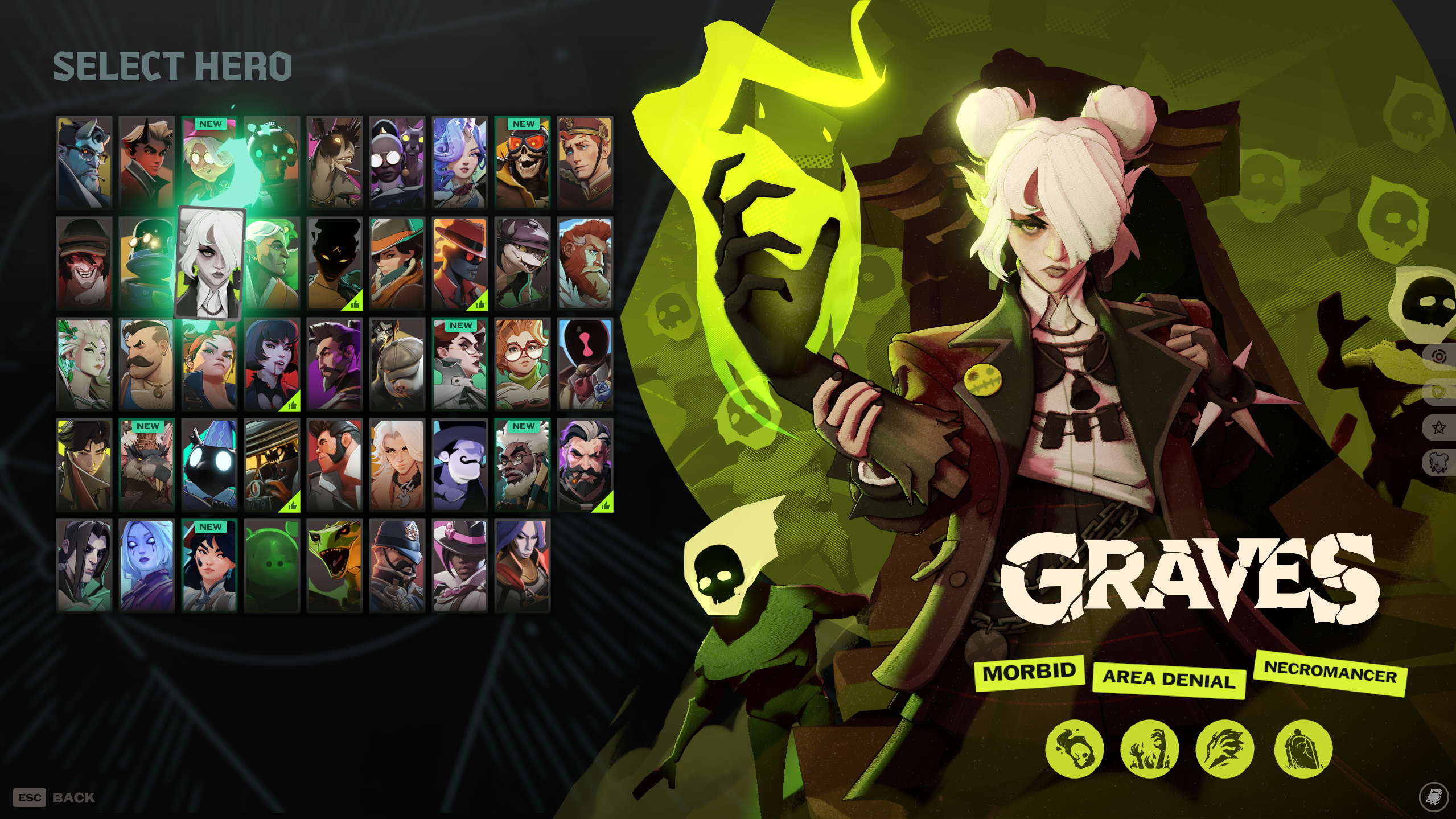
Each Hero has a unique role, which you can see at a glance by reading the keywords on the Hero Selection screen. When starting to play, you'll see that easier heroes are marked with a Thumbs Up. You should try out these heroes first, as playing a simpler kit will make it easier to learn the game.
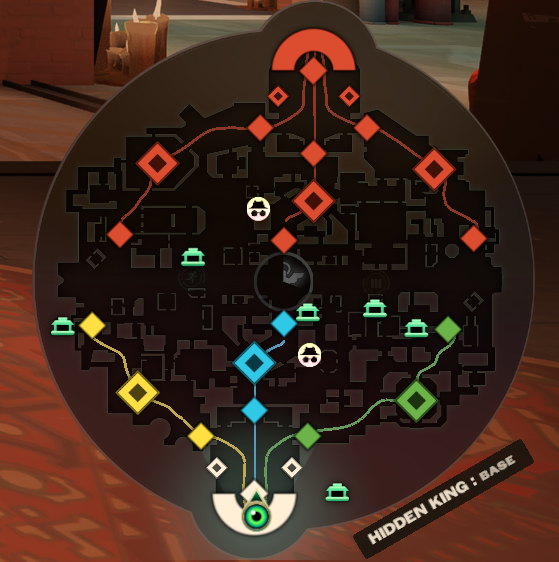
Deadlock's map is divided into three main lanes, in which you'll find creeps and enemy structures. You must take them down to bring an advantage to your team, eventually reaching the enemy team's Patron. Taking it down will end the match.
Take a look at our Deadlock Interactive Map for a detailed overview of the map and the locations of all points of interest.
Jungle
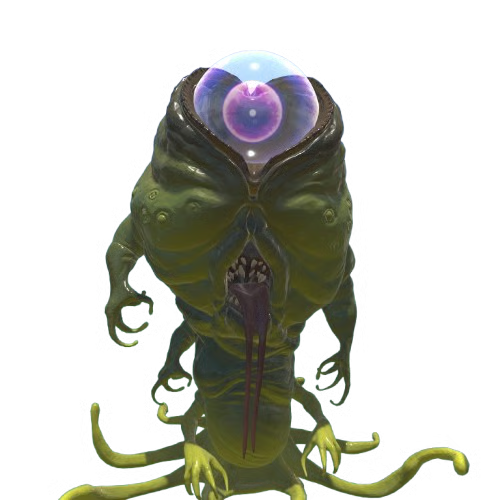
The spaces in between lanes are referred to as the Jungle. There, you'll find Neutral Camps. Taking them down will earn you Souls. Our in-depth Deadlock Jungle guide has all the information you'll need in order to learn how the Jungle works.
Mid-Boss
The Mid-Boss is the single strongest neutral objective in Deadlock. Located below the Central Plaza, the Mid-Boss requires the entire team to coordinate in taking it down. It grants three revives to the team that gets the Rejuvenator Crystal.
Refer to our Strategic Mid-Boss guide for comprehensive information on when and how to take down the Mid-Boss, and the best tips and tricks to win games off it.
Unstable Rifts
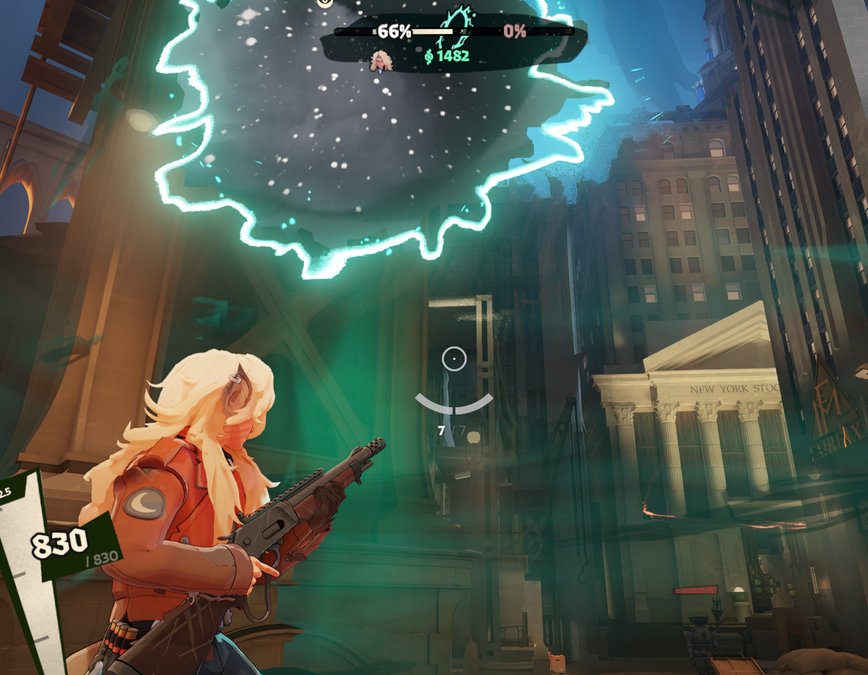
Unstable Rifts are random map events that appear on either the left or right lane throughout the game. Teams must contest the area in a king-of-the-hill style event. Whichever team wins will get Souls and an enhanced creep wave. Check out our Unstable Rift guide for in-depth information on this objective.
Soul Urns
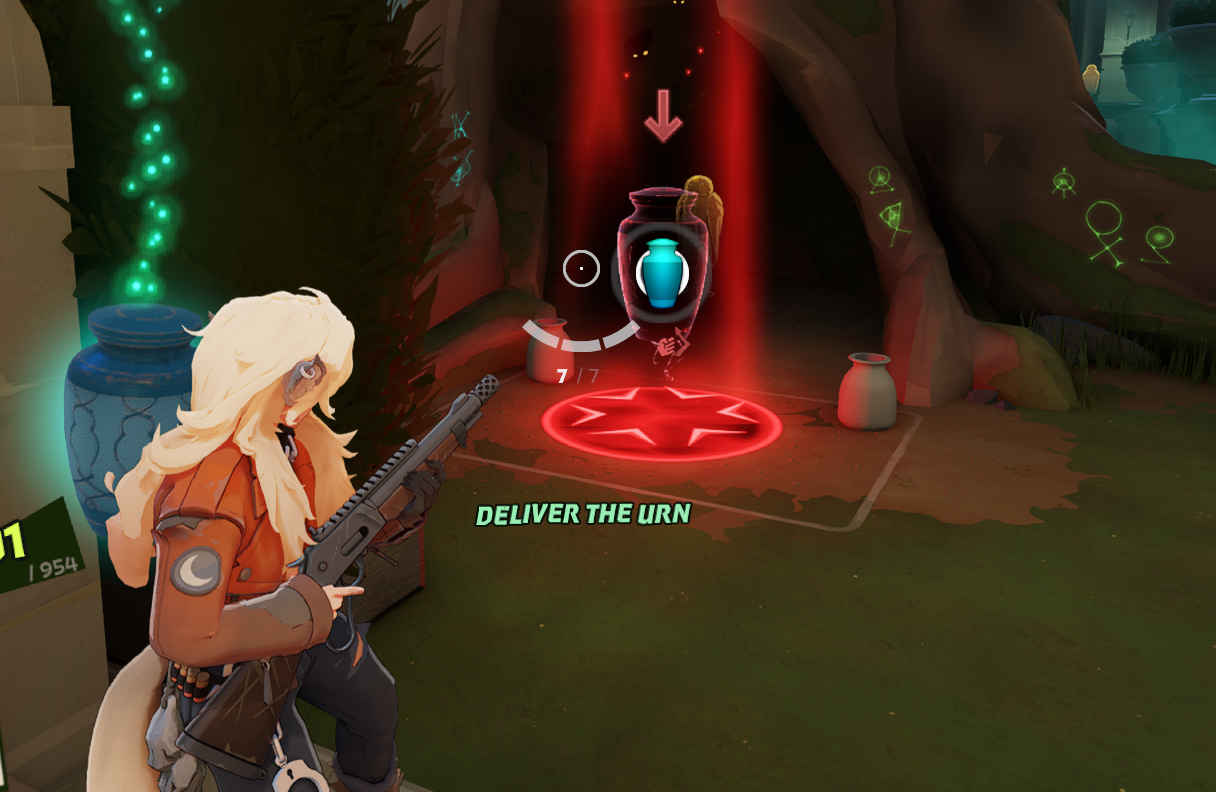
Soul Urns spawn near sidelane bridges and must be delivered to the opposite location on the map. Either team can pick it up and steal it from enemy players. The team that delivers it obtains Souls and several Permanent Buffs. Refer to our dedicated Deadlock Soul Urn guide to learn more about it.
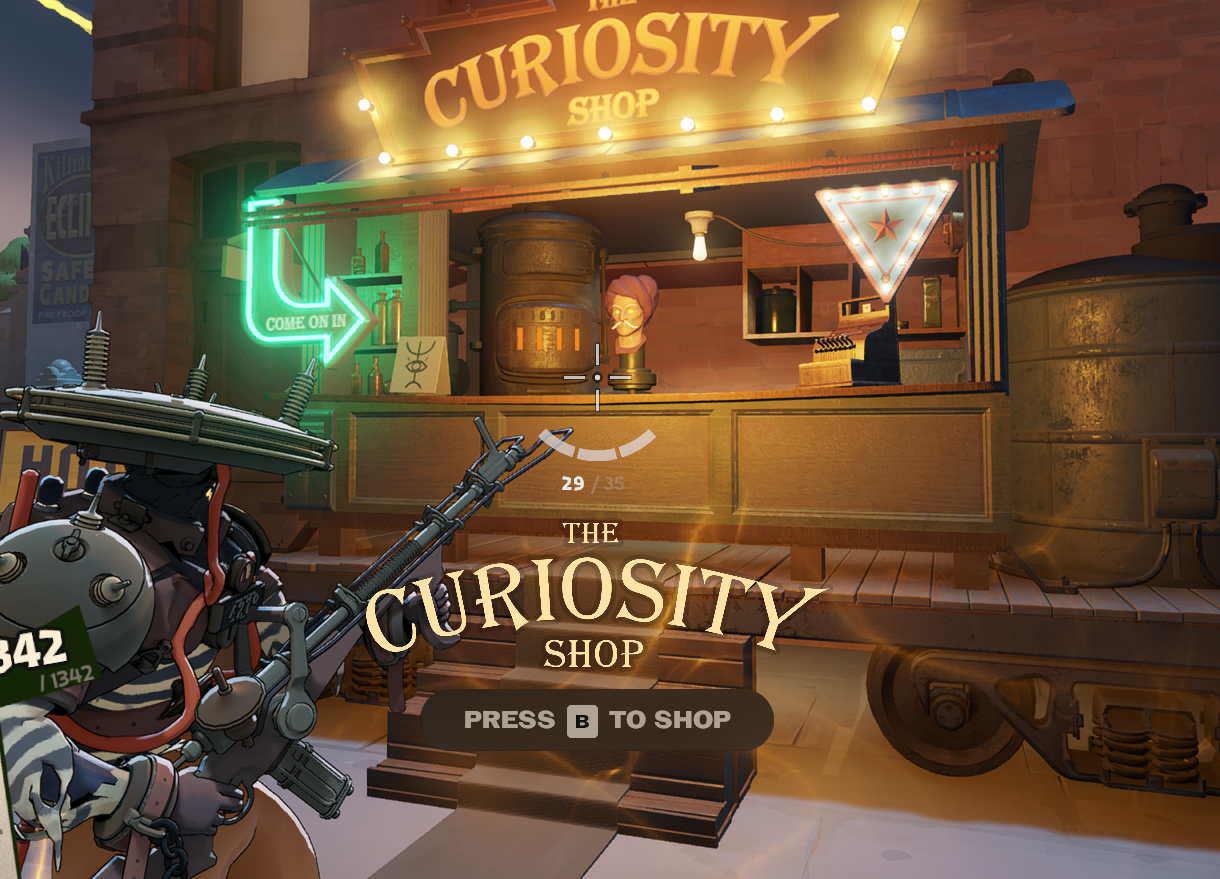
The Shop and Items
Souls are you main currency in Deadlock. You can obtain them passively as time passes, by taking down enemy creeps and heroes, and from neutral objectives and map events. Souls allow you to buy items at the Shop.
Items are the main way to enhance your hero. They offer stat upgrades as well as passive and active effects that synergize with hero kits and can counter enemies.
There are three types of items: Weapon, Vitality, and Spirit:
Weapon Items upgrade the properties of your primary weapon, such as firing rate, range, and damage output.
Spirit Items upgrade your abilities, such as cooldown, duration, and amount of charges.
Vitality Items upgrade your defensive properties, such has health, resistances, and other means to survive
Furthermore, all items have a Tier, from Tier I to Tier IV, with higher tiem items offer better stats and abilities. Some items can be upgraded into higher Tier items, which reduces their overall cost.
Some items have Active Effects, which must be pressed to be activated. You'll see them in the right corner of the screen alongside their keybinds.
How to Build Your Hero
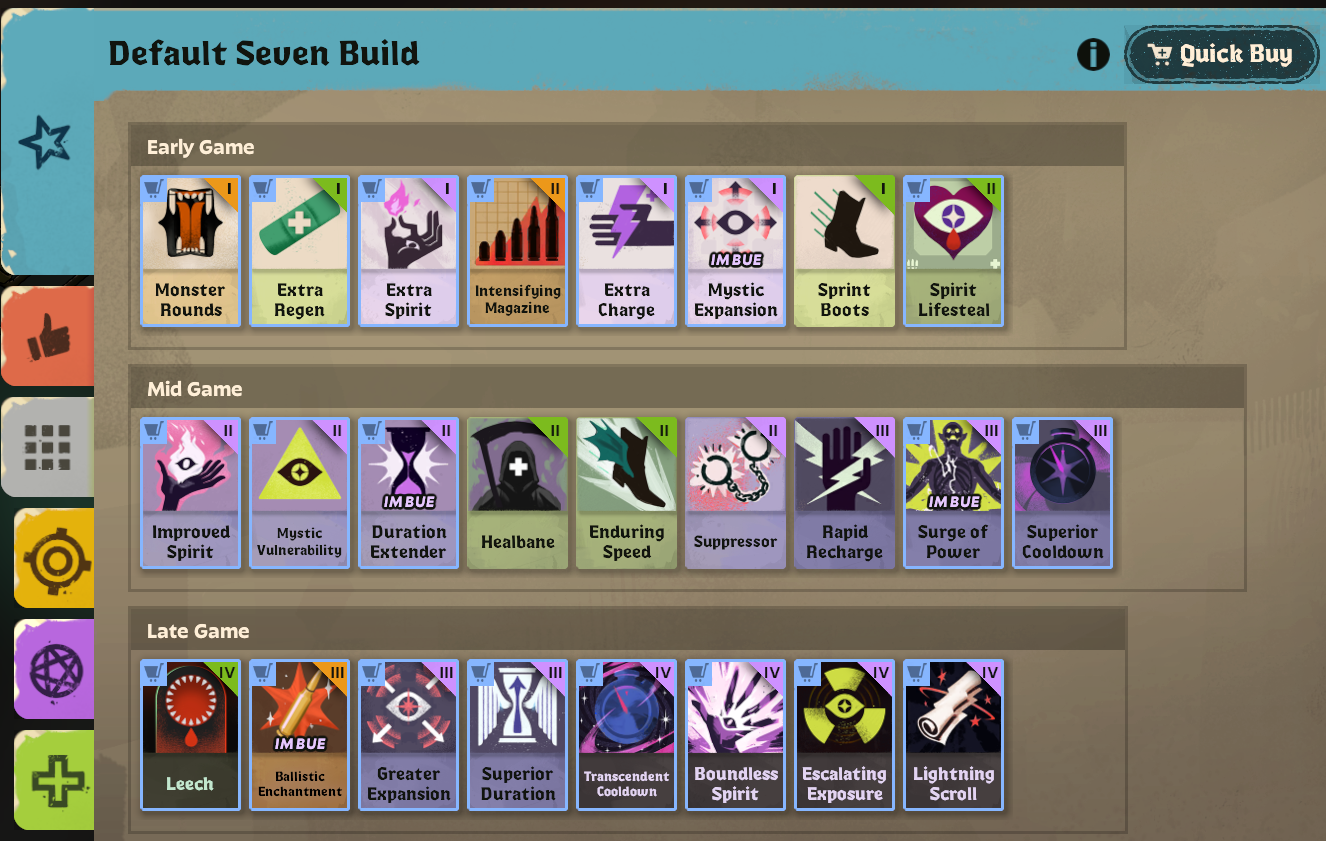
When you're learning Deadlock, it might be difficult to know what all Items do and which are best for your Hero. Luckily, there is a default build for each hero in the Shop, which you can browse in the blue tab:
Best Deadlock Builds
Check out our Deadlock Builds to learn more about itemization for each hero, with recommendations and in-depth explanations from high-elo experts.
Beginner Tips and Tricks
Whether you are struggling with learning the game or you've just picked up, these beginner trips and tricks will help you get better at the game:
Focus on Learning Three Heroes
Deadlock rettquires you to select a roster of 3 heroes to queue in Standard Mode. You cannot always guarantee that you will get the same hero, so you should get acquainted with at least three of them. Test them out in bot matches and in the practice range.
Furthermore, playing as few heroes as possible will make it easier to learn the game, since you won't need to worry about learning what your hero does.
Our Deadlock Hero guides have in-depth information about every hero, as well as tips and tricks on how to maximize their efficiency and how to counter them.
Learn how to Use Stamina Efficiently
Stamina is more important than it looks at first glance: It allows you to engage, disengage and dodge enemy abilities. Heroes with low starting Stamina need to be mindful about how they spend them, as having no Stamina will leave you vulnerable to enemy engages.
As a rule of thumb, if you're playing a squishy DPS hero, you should save your Stamina to dash away from enemies. If you're playing an engage hero, use your Stamina proactively to hit your abilities and get in the face of enemies.
Keep an Eye on Items
If you press Tab, you can see the Items of every hero in the game, both allies and enemies. You should use this information to get two key takeaways:
Their Build. Investing in a type of Item (Weapon / Spirit / Vitality) will shape a hero's role in the game. Spirit heroes can burst you down with their Abilities, Weapon heroes have constant DPS, and Vitality heroes can engage and live through fights.
Active Items. Items with active effects, such as Knockdown, Silence Wave, and Cursed Relic, are often used to counter specific heroes. For example, Knockdown can bring down flying heroes like Vindicta. If you can identify these threats, you can adjust your playstyle accordingly - In the former example, the Vindicta player might choose to build Indomitable, which negates a CC effect, and thus allows her not to worry about Knockdown.
Watch the Mini Map
The minimap is a key source of information in Deadlock: It allows you to see where each hero is, the current state of each lane, and all objectives and ongoing objectives.
Great Deadlock players check the mini map every few seconds, and base their decisions off the global state of the game. Learning this skill will allow you to make better choices in the game.