menu
MobalyticsUse your favourite features in-game with our Desktop App

Overwatch Tier List (Standard 5v5 Mid-Season 5)

By Mobalytics
Updated on Nov 25, 2026
Nov 25, 2026

Overview

In this tier list, we’ve got you covered with the best heroes in Overwatch. Our tier list always reflects the latest balance changes straight from Blizzard and is currently based on the Season 5.5 update and the following Hotfix patch from November 5th

Note that our rankings reflects Role Queue, and each tier is organized into Tanks, DPS, and Supports. Within each role, all rankings are ordered.

As always with our tier lists, we want to highlight that we believe that the player always matters more than the character you play as. If you have an off-meta main that is working for you, by all means, no need to switch! Keep rocking it.

This list is meant to help you understand how your characters fit in the current meta and to help players who have run into a plateau.

Season 5.5 Meta Shifts

While the first half of Season 5 was largely dominated by Dive and highly mobile heroes, the midseason patch has brought Brawl comps back into the meta. Significant buffs to Junker Queen, Mauga, Reaper, and Brigitte have made close-quarters engagements rushdown playstyles much more favorable for these heroes.

Despite nerfs to several of the strongest heroes from the first half of the season, including D.Mon, Doctrine, and Sombra, Dive remains extremely strong. Winston's increased Barrier Projector uptime, the continued strength of Tracer and Genji, and the offensive utility of our two newest Supports all contribute to the fast-paced nature of the current meta.

The global hitscan projectile size reductions at the start of Season 5 have also shifted the balance of power towards projectile DPS. Heroes like Pharah are benefiting greatly from the reduced effectiveness of their traditional hitscan counters.

Traditional Poke comps are having a harder time keeping up with the pace of engagements, particularly on maps where Dive heroes can easily close the distance. However, heroes like Sigma, Domina, and Widowmaker can still dominate on maps with long sightlines.

Overall, Season 5.5 offers a healthier balance between Dive and Brawl, with map geometry and team comp synergy playing a significant role in determining which heroes will perform best.

With all this in consideration, let’s dive into our rankings for the best heroes in Overwatch!

Best Heroes in Overwatch (Season 5)

S
Junker Queen
Winston
Tracer
Genji
Cassidy
Reaper
Doctrine
Brigitte
Zenyatta
A
Zarya
Doomfist
Hazard
Mauga
Orisa
Shion
Pharah
Vendetta
Sojourn
Torbjörn
Junkrat
Ana
Kiriko
Sombra
Illari
Juno
Jetpack Cat
B
Reinhardt
Domina
D.Va
Roadhog
Sigma
D.Mon
Echo
Soldier: 76
Sierra
Hanzo
Widowmaker
Mei
Freja
Ashe
Anran
Symmetra
Venture
Lúcio
Mizuki
Moira
Wuyang
C
Ramattra
Wrecking Ball
Bastion
Emre
Baptiste
Lifeweaver
Mercy

S (Meta)

In S-tier, you’ll find the best heroes in Overwatch, which will be very present in almost all maps and team comp combinations.

A (High Tier)

A-tier heroes are still great choices but tend to be present on fewer maps than S-tier characters in pro play. However, in some situations, A-tier characters might shine more than S-tier characters.

B (Mid Tier)

In B-tier, we’re continuing the trend of heroes that have lower overall presence and are even more specialized. Some heroes here are just worse versions or downgrades of heroes in a similar niche above them (such as Tracer being the better flanking hitscan choice over Reaper).

C (Low Tier)

Lastly, we have the Situational batch of heroes in the C-tier section. These heroes are rarely seen in comparison to their peers and are usually pulled out for specific map areas or by character specialists. If you enjoy them, you can find success with them, so by all means, keep playing them.

Tank Commentary

D.Mon

D.Mon has the shielding melee capabilities of a traditional Brawl Tank and the horizontal mobility to quickly reposition and peel for allies like a traditional Dive Tank. Her mobility and shield makes her feel like a hybrid between Reinhardt and D.Va.

Unlike most Tanks with strong melee capabilities, her Portable Fusion Repeater gives her respectable ranged pressure, especially with Focused Fusion.

After dominating the meta for much of Season 4, multiple rounds of nerfs have finally caught up with her. The midseason changes to Power Barrier make it more difficult to alternate between shielding and attacking without getting punished.

D.Mon still excels on maps with lots of corners and cover where she can stick onto enemies and chase down kills. However, her lack of vertical mobility and the resurgence of other Brawl Tanks like Junker Queen have made her a less desirable pick this Season.

D.Va

D.Va is a highly flexible dive tank with strong peel and burst damage. Defense Matrix counters projectile-heavy comps and completely negates high-value cooldowns like Biotic Grenade and Dynamite. Her vertical mobility allows her to contest high ground, dive isolated squishies, then fly back to peel for her Supports.

She can struggle against beam heroes like Domina, Zarya, or Symmetra if the map doesn't have the space for her to play around them and avoid their range. Even when this is a problem, the Initiator subrole passive is quite powerful with D.Va, as she gets Boosters so frequently.

Despite Dive being meta and the Season 5 buff to Micro Missiles, D.Va surprisingly has the lowest average win rate of any Tank at around 45% across Master to Champion. Her kit is incredibly versatile, but consistently balancing her responsibilities as a solo Tank is much more difficult than her individual strengths might suggest.

Domina

Good for frontlining and area control, Domina's Barrier Array has excellent uptime thanks to its long duration and section mechanic. Unlike D.Mon and Reinhardt, she can freely shield herself while attacking, and her Photon Magnum has good mi-range and burst damage.

Her self-sustain and damage mitigation enable her team to lock down an area, then rotate to maintain distance. Where she struggles is against highly mobile Dive comps that bypass her control zones and attack her backline directly. Also, if the brawl Tanks like Reinhardt get on top of her, she's going to struggle not to get completely ran over.

Domina excels on traditional Poke maps like Circuit Royal, but she's not nearly as effective on maps that force her into close-quarters engagements.

After receiving some much-needed buffs, Domina now has the second-highest average win rate among Tanks at 53.5% where as last Season she'd been one of the weakest Tanks. She's still not back to her launch season dominance, but she's in a good playable position to perform well in her niche and when making the right bans.

Doomfist

A mobility-focused tank who disrupts backlines, forces cooldown, and looks for quick assassinations. Doomfist is strong when played against immobile Supports or very uncoordinated teams. He pairs especially well with DPS like Tracer and Genji who can quickly capitalize on the openings he creates with Rocket Punch.

With the Sombra rework and the removal of Hack as a regular ability against heroes, one of Doom's hardest counters has been removed. Combined with the prevalence of Dive comps and the offensive utility of Doctrine and Support Sombra, we're in one of the more favorable metas for Doom in quite some time.

Despite his high skill floor, Doom maintains an average ban rate of over 30% in Master to Champion, making him one of the most frequently banned Tanks in the game. A skilled Doom player is one of the hardest things to shut down in Overwatch, especially if you or your teammates don't want to swap to his specific counters.

Hazard

Hazard has the mobility to contest high ground and the close-range damage and survivability to thrive in brawly fights. Jagged Wall is particularly powerful on maps with narrow doorways and corridors, where Hazard can cut enemies off from their team.

Unlike Winston and D.Va, Hazard doesn't have a barrier or Defense Matrix to protect himself from CC while diving. Spike Guard is a great hybrid defense/offense tool, but it leaves him open to stun counterplay.

Supports like Kiriko and Lúcio help alleviate this weakness by cleansing debuffs or helping him disengage. With Rush comps performing well this Season, Hazard has a lot of flexibility in his team comps.

Junker Queen

Junker Queen relies on her burst damage, self-sustain, and debuffs to steamroll team fights. She thrives in close-range fights and Rush comps where her whole team goes aggro upon hearing her Commanding Shout. Her limited range makes her weak against Poke and high-mobility comps.

JQ is arguably the biggest winner of the midseason patch. An additional 50 HP and Carnage's cooldown being reduced from 9 to 7 seconds have significantly improved her survivability, especially once she unlocks Savage Satiation.

She's currently boasting the highest average win rate of any Tank at 54.4%, with a respectable pick rate to back it up. Pair her with heroes like Reaper, Mei, and Lúcio, and consider banning Kiriko to get rid of Protection Suzu so Queen doesn't have to deal with her Wounds and Anti-Heal being cleansed.

Mauga

With two machine guns and a smile on his face, Mauga slams in, unloads, and charges out. In isolated Tank 1v1s, he's virtually unbeatable and is particularly oppressive against Tanks without barriers or other means of denying his lifesteal.

Unfortunately for him, Mauga's survivability is heavily dependent on getting value out of Cardiac Overdrive. If all his damage gets blocked by a barrier or Defense Matrix during its duration, he's left extremely vulnerable and either dies, charges to safety or forces his team to dump all their defense resources to keep him alive. Even Roadhog now has Trash Compactor to shut down his crucial lifesteal ability. Also, anti-heal abilities, such as Biotic Grenade, are basically a death sentence.

The midseason buffs to his armor and burning damage have put Mauga back in a much more playable position. With Brawl comps becoming more prevalent, he's also finding more favorable matchups. However, highly mobile comps can still play around his effective range and make it difficult for him to sustain himself.

Orisa

When you want to hold your ground, Orisa is the stable frontline tank who can accomplish this goal. With strong CC, ranged damage, and survivability, she excels in Poke and anti-Brawl scenarios. Energy Javelin and Javelin Spin make her particularly good at shutting down the engages of heroes like Doomfist and Hazard.

However, she's completely dependent on Fortify and cooldown cycling to stay alive. One wrong use, and she's a goner. Compared to the rest of the Tank roster, Terra Surge gets far less value on average and is more difficult to secure eliminations with.

While Orisa is a great counterswap option, hypermobile Dive comps can simply bypass her and attack her backline. She generally performs best on maps where the enemy team is forced to interact with her. Currently, Orisa generally gets placed on reserve as a counter pick option into favorable matchups like Doomfist.

Ramattra

Ramattra is the Hybrid tank with poke and brawl forms. The core of his power lies in Nemesis Form, where he gains bonus armor and access to Pummel (Nemesis Form) a hard-hitting melee projectile that pierces barriers such as Reinhardt and Domina's.

His playstyle revolves around chipping down enemy health and resources in Omnic Form, then transforming into Nemesis to rush down the enemy when they are most vulnerable. Lúcio and Juno are particularly good at enabling this playstyle with their speed boosts.

When the enemy team understands how to kite Nemesis Form, then counterattack while he's limited to Omnic Form, Ram struggles to find counterplay. Despite the midseason buff to his Void Accelerator and the resurgence of Brawl, he's still sitting at an average win rate of just over 45%.

Reinhardt

When you think of tanking in Overwatch, you think Reinhardt. He's the classic Brawl Tank who dominates when he gets into swinging range. Unfortunately, there are a lot of popular heroes with the mobility to completely avoid Rein if they're watching out for him.

That said, the vast majority of players understand how to play with a Reinhardt on their team. The simple playstyle of following him around and standing behind his giant Barrier Field makes him a solid choice in ranked. He synergizes especially well with Mei, who can isolate enemies with Ice Wall, and Lúcio, who helps him get into swinging range.

With Brawl comps coming back into the meta, Rein is in a better spot this Season. On traditional Brawl maps like King's Row, he's still a great Tank.

Roadhog

Against a disjointed and uncoordinated team, Roadhog punishes poor positioning and isolated targetes better than any Tank. The threat of Chain Hook forces the enemy to play and position around it, but any missed Chain Hook is the go-signal for the enemy team.

After his rework, Trash Compactor gives Hog much better team utility and counterplay against abilities like Biotic Grenade, which previously shut him down. With Toxic Exhaust, he can even follow up on a Hook by absorbing incoming healing projectiles while his teammates secure the elim.

Due to his Take a Breather self-heal and Trash Compactor, he's also one of the most self-sufficient heroes in the game. He can heal himself and reduce damage taken. While he waits for Take a Breather to refill, he can always stall with Trash Compactor, and force enemies behind cover to wait out the explosive projectile.

Without the capability to consistently get solo-kills from Chain Hook, Hog is a better team player but still sits middle of the pack. He struggles to dictate the pace of engagements against hypermobile Dive comps.

Sigma

Sigma functions as a methodical Poke Tank built around ranged pressure and denying enemy damage. Unlike Tanks who need to directly occupy the space they are contesting, Sigma can control an area by dealing huge amounts of damage while taking very little himself.

Compared to Domina, Sigma has better counterplay against heroes like Bastion and Mauga, whose damage he can absorb with Kinetic Grasp.

He's still one of the strongest Tanks on traditional Poke maps like Circuit Royal and Havana. However, with both Dive and Brawl being strong this Season, Sigma frequently finds himself getting rushed down or having to deal with enemies attacking from multiple angles. Once he unlocks Levitation, he has more options for rotating between high ground positions and maintaining his optimal range.

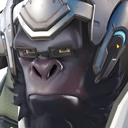
Winston

Winston remains a dive enabler who isolates targets and creates backline pressure, but his single-target damage is a bit low, so he demands some coordination.

Thankfully for Monke, dive is back on the menu, and he synergizes perfectly with heroes like Genji, Doctrine and Sombra. He's also fully capable of playing more defensive and countering the main dive heroes.

The ability to cut off enemy healing with Barrier Projector is a big part of what makes him such a good Dive Tank. Despite the midseason nerf to Revitalizing Barrier, his increased Barrier Projector uptime from last Season allows him to engage much more frequently.

Winston has swingy matchups where he hard counters snipers and low-mobility heroes but struggles against high sustain, CC, and burst damage. With Reaper and Junker Queen becoming more prevalent, Winston players need to be especially careful about where they land.

With so much burst damage, CC, and peel abilities in the game, it's easy for him to get punished for recklessly jumping in, even when he has Barrier Projector.

Wrecking Ball

Wrecking Ball thrives in the hands of mechanically refined players who know his rollout paths, how to trade cooldowns, and when to disengage. He is one of the few Tanks capable of forcing his own gameplan, initiating fights from any direction.

Ball excels in split-pressure comps with self-sufficient allies. Heroes like Tracer and Echo can quickly follow up on his Piledriver, while ranged DPS like Ashe can get some free headshots on airborne enemies.

Despite Dive being meta, the abundance of CC and peel abilities from heroes like Mizuki and Brigitte makes it difficult for Ball to fully commit to his engages. The recent changes to Grappling Claw retraction speed have also negatively impacted some of his movement tech, even after the compensation buff in the hotfix.

Zarya

Zarya functions as an enabler for hard-engaging DPS like Vendetta, Genji, and Tracer. Her bubbles carry games by allowing these heroes to make aggressive plays that would otherwise get them killed. Spotter further enables this playstyle by granting her bubbled allies healing and a speed boost.

When she uses bubbles at times where the enemy cannot simply wait and do nothing, she maintains high charge and becomes the carry herself. Particle Cannon damage is extremely oppressive in close-range engagements, especially against Tanks like D.Va and Sigma who can't absorb her beam.

Although Zarya lacks the mobility to keep up with the meta Dive Tanks, she can still enable her own Dive DPS while protecting her backline from the enemy's. Her nearly 28% average ban rate reflects just how oppressive her favorable matchups can be.

DPS Commentary

Anran

Anran is one of the more mechanically demanding DPS heroes, relying on combo sequencing and cooldown cycling to dive in and out of the enemy backline. Her damage output is heavily dependent on igniting enemies and following up with Fan the Flames.

The midseason changes to Inferno Rush have placed more emphasis on landing her primary fire instead of repeatedly dashing through the same target. Although her primary fire was buffed, her close-range combos are more demanding than before.

Anran works well alongside Tanks like Zarya and Hazard who can help her safely close the distance. However, with Tracer and Genji performing so well, it's difficult to justify picking her over the other meta flankers.

Ashe

Ashe occupies a strong mid-to-long-range niche, often outperforming Cassidy in Poke scenarios but getting outclassed by him in closer-range brawly fights.

Dynamite is particularly good at draining enemy resources before a fight begins and punishing grouped-up Brawl comps. However, against coordinated Dive, Ashe can quickly find herself overwhelmed after using Coach Gun.

Ashe was negatively impacted by the Season 5 hit volume changes, receiving increases to her torso and leg hitboxes alongside the global hitscan projectile size reductions. Not only is she easier for projectile heroes to hit, but consistently landing her own shots has become more mechanically demanding.

On maps where the enemy has to cross a lot of open space to get to her, she's still an excellent pick, especially with a Mercy pocket.

Bastion

Bastion is situationally powerful, especially against Tanks like Domina and Reinhardt, whose barriers get shredded by Configuration: Assault. The threat of his turret mode alone can prevent enemy Tanks from committing to an engage.

Unfortunately, Bastion's massive hitbox and lack of mobility make him an easy target for flankers. Although he's often picked to counter Dive Tanks like Winston, but a good Winston will bait out Assault mode, then reengage while it's on cooldown.

With the duration of Reconfigure being nerfed at the start of Season 5, the window of opportunity to punish Bastion has only gotten bigger. His average win rate of just over 45% reflects how difficult it is to consistently find value outside of his favorable matchups.

Cassidy

Cassidy remains a reliable anti-Dive and dueling specialist. Between his burst damage and Flashbang, he's one of the best DPS at punishing hard-engaging heroes like Tracer, Genji, and Vendetta.

However, the global hitscan projectile size nerfs at the start of Season 5 have hurt his consistency against the very heroes he's traditionally picked to counter, especially Tracer and Pharah.

His other major limitations are range and mobility. Against Poke heroes like Ashe, he struggles to get within his optimal range, and on maps with lots of high ground, he's heavily dependent on his Tank creating space for him.

Despite having one of the highest pick rates of any DPS at over 21%, Cassidy's average win rate is only around 47.6%. The projectile size nerfs had made him more difficult to play but at the highest ranks and for those confident in their aim, there's no other hitscan who can get the same value as the cowboy.

Echo

Echo excels on vertical maps and in coordinated Dive comps, using her silent Glide to sneak up on enemies and burst them down with Sticky Bombs into Focusing Beam.

She pairs particularly well with Winston and D.Va, who can get targets below half HP for Echo to quickly finish off. With Focused Rush, she can do so from a much safer distance.

Duplicate also gives her a lot of flexibility in her team comps. Depending on the enemy's hero picks, she can gain access to powerful defensive cooldowns, become a second Tank, or generate another offensive ult.

Although the prevalence of Dive favors Echo, her low HP, increased hurtbox, and vulnerability to hitscans and coordinated peel make her difficult to consistently carry with.

Emre

Emre features a straightforward, FPS-style kit centered on consistent damage. His Cyber Frag is really good as he gets two charges on a relatively low cooldown. Once he unlocks Cyber Adhesion, his burst damage becomes extra lethal. Alternatively, Heat Sink can be selected to significantly increase his survivability, and punish enemies who overcommit to elim him only to be met with a ton of damage and lifesteal.

Despite receiving multiple buffs to Cyber Frag, Emre struggles to compete with other ranged DPS like Sojourn, who has better pick potential and mobility. His lack of vertical mobility also makes it difficult to access strong off-angles and escape Dive heroes.

One particularly good synergy is Doctrine, whose drones can increase Emre's fire rate during Override Protocol and make his ult considerably more threatening.

Freja

Compared to the other ranged DPS heroes, Freja can do a bit of everything. She trades the insta-kill potential of Widowmaker and Hanzo for superior mobility and more consistent damage across different ranges.

Especially with Aerial Recovery and Relentless Barrage, Freja has great uptime compared to other sniper heroes and can operate fairly independently of her Supports. When dueling other snipers, she's at a disadvantage since the enemy can wait for Updraft and pick her out of the air.

Although Freja has the mobility to reposition against Dive, landing consecutive Take Aim (Freja) shots on highly mobile squishies can be difficult. She generally gets more consistent value in Poke comps where she has the space to repeatedly fire explosive bolts from off-angles.

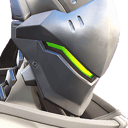
Genji

Genji's value fluctuates heavily based on the enemy's ability to deny his engages or bypass his Deflect with beams. He wants to put opponents in 1v1 duels where he has the upper hand or follow up on his teammates' damage to chain together Swift Strike resets.

The Season 5 buff to Swift Strike has significantly improved his lethality. Even with the midseason nerf to Deflect, his offensive combos are still just as lethal.

Genji is benefiting greatly from the current meta. Winston is one of the best Tanks to pair with him, while Doctrine and Support Sombra are excellent at enabling his aggressive playstyle. With a pick rate of over 18% and an average Champion win rate of 53%, Genji has solidified himself as one of the best DPS this Season.

Hanzo

Hanzo is extremely feast-or-famine. The constant threat of a one-shot forces enemies to respect his sightlines, but his projectile damage lacks the consistency of hitscan options.

He thrives when uncontested and when enemy movement is predictable. Sonic Arrow also helps his team scout enemy rotations, while Dragonstrike can cut off escape routes and isolate enemies from their team.

Unfortunately, the prevalence of hypermobile heroes makes it difficult to consistently land headshots or maintain favorable positioning. Hanzo performs best alongside Poke Tanks like Sigma and Domina, but struggles when he has to spend most of the match defending himself against Dive.

Junkrat

Although Junkrat is often viewed as a pure choke spam hero, much of his kill potential in 5v5 comes from playing aggressively on off-angles and flanks. His vertical mobility with Concussion Mine allows him to take unconventional flank routes and ambush squishies while the enemy team is distracted.

Junkrat excels on maps with enclosed areas and interconnected rooms where he can safely apply pressure, control flanks, and force enemies into close-range duels where he has the advantage. He's also effective at draining the resources of Brawl Tanks and punishing enemy DPS who attempt to contest his space.

His biggest weakness is the inconsistency of his damage against highly mobile heroes, particularly Flyers. While Frag Cannon helps alleviate some of his projectile limitations, Junkrat still struggles against long-range Poke and on maps without accessible flank routes. His reliance on Concussion Mine for both mobility and burst damage also makes his aggressive engagements inherently risky.

In the hands of a skilled player, Junkrat has a considerably higher skill ceiling than he's often given credit for, but his map dependency and inconsistent damage make him a situational pick.

Mei

Mei's power lies in crowd control and fight isolation rather than raw damage output. In high-Poke environments, her damage feels underwhelming, but a well-timed Ice Wall can cut off the enemy Tank from their Supports and earn her team a quick elim.

With Brawl comps coming back into the meta, Mei is finding herself in more favorable matchups. She synergizes particularly well with Tanks like Reinhardt and Junker Queen, who can quickly punish enemies that get walled off.

Mei is also a good anti-Dive option, especially once she unlocks Deep Freeze. On maps like King's Row and Lijiang Tower: Control Center, her ability to manipulate the map geometry and deny enemy rotations makes her one of the strongest DPS picks.

Pharah

Pharah's effectiveness is heavily influenced by map geometry. On maps like Eichenwalde and Lijiang Tower: Garden, she can use rooftops and tall walls as cover while raining rockets down from angles that other DPS can't access.

The global hitscan projectile size nerfs at the start of Season 5 have made Pharah considerably safer to play. With hitscan projectile sizes being reduced by roughly 43-50% and Pharah's own hitbox remaining unchanged, her traditional counters have a much harder time consistently hitting her.

She also synergizes well with Dive heroes like Tracer and Genji, who can take the attention of enemy hitscans away from her.

Pharah currently has the highest average win rate of any DPS at nearly 53%. She's particularly oppressive in Asia, where her Champion ban rate exceeds 50%.

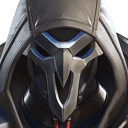
Reaper

Reaper is built for close-range brawling and assassinations. Between his lifesteal and Wraith Form, he's one of the more self-sufficient DPS and can function almost like an off-Tank when contesting space.

The addition of Dire Triggers to his base kit has given Reaper much better burst damage and ranged pressure. Now that he's back to 300 HP following the midseason buff, he's an absolute menace in close-quarters engagements.

Reaper synergizes extremely well with Zarya, Junker Queen, and Lúcio, who can help him get within optimal shotgun range. Alternatively, he can stay closer to his Supports and punish enemy Dive Tanks like Winston and Hazard when they commit to an engage.

Shion

Shion's entire kit is as explosive as her Joyride bike. Her core game plan revolves around burst damage through combos and catching her target by surprise.

Compared to Tracer, Shion has much better mid-range capabilities and can more comfortably alternate between playing with her frontline and going on flanks. However, the long cooldown of Joyride makes her engages less frequent and more committal.

The midseason buffs to Execution and Satsuriku Spree have improved the consistency of her close-range burst damage. Shion also benefits greatly from Doctrine's drones and Support Sombra's ability to enable aggressive DPS. She's a great pick in Dive and hybrid comps, especially on maps with multiple flank routes.

Sierra

Sierra can do everything well, but isn't the very best in any particular niche. She has great mobility from Anchor Drone, and her Tracking Shot paired with Locked In makes her particularly lethal in mid-range duels.

Sierra works best in comps that frequently reposition and attack from multiple angles. Tanks like Winston and D.Va can take the attention off of her while she grapples into an aggressive position and attempts to secure a quick elim.

However, a lot of Sierra's power budget is tied to Anchor Drone and Tracking Shot. Breaking her drone or forcing her to disengage after missing Tracking Shot drastically reduces her kill threat. She's much easier to punish when caught outside of her cooldown rotations.

Sojourn

Sojourn Sojourn remains one of the most versatile ranged DPS options. Between her mobility and the burst damage of Railgun, she can adapt to virtually any team comp. Farming Railgun charge off the enemy Tank, then using it to finish off squishies, is where a lot of her kill potential comes from.

Once she unlocks Dual Thrusters, Sojourn has much more freedom to aggressively Slide into off-angles.

While her projectile-based primary fire was unaffected by the global hitscan projectile size nerfs, her Railgun has become much less forgiving. Consistently converting Railgun charge into elims is more mechanically demanding than in previous Seasons.

Despite her high skill ceiling and a pick rate of over 16%, Sojourn has an average win rate of just 46.3%. She's arguably the heroe with the greatest disparity in strength between average players and those at the highest levels of play.

Soldier: 76

Soldier: 76 provides consistent mid-range damage with good self-sustain. Sprint and Biotic Field allow him to operate independently of his Supports and constantly reposition to attack from off-angles.

The best Soldiers play almost like a long-range flanker rather than spending the entire game shooting the enemy Tank from main.

Unfortunately, the global hitscan projectile size reductions have made tracking highly mobile squishies much less forgiving. Combined with Soldier's lack of burst damage outside of Helix Rockets, it's become increasingly difficult for him to secure elims before enemy Supports can react.

Soldier works particularly well on maps where he has plenty of room to rotate and maintain his optimal range. Against coordinated Dive, however, his lack of CC and vertical mobility make him relatively easy to run down.

Symmetra

Symmetra's Teleporter enables rotations and aggressive plays that wouldn't otherwise be possible with certain team comps. She's especially good at getting low-mobility Brawl heroes like Reinhardt into positions where they can immediately start swinging.

The resurgence of Brawl is favorable for Sym, as she has more opportunities to maintain a fully charged beam. Perfect Alignment also allows her to outrange several of the melee heroes she frequently finds herself fighting against.

Although she currently has a 51.9% average win rate, her pick rate is only 3.1%. Sym can absolutely run lobbies on maps like Lijiang Tower, but her limited range and the previous nerfs to Teleporter make her considerably less effective on open maps.

Torbjörn

Torbjörn functions as a defensive counterpick against pesky flankers like Tracer and aerial threats like Jetpack Cat. A well-positioned Deploy Turret forces enemies to either waste time destroying it or risk taking damage from multiple angles during their engages.

Torb is also surprisingly good at contesting space with Overload, especially against Brawl comps where he can get more value out of his secondary fire. Anchor Bolts opens up some ridiculous Turret spots that force the enemy to turn away from the rest of your team.

With both Dive and Brawl being strong this Season, Torb has plenty of favorable matchups. His biggest struggles come against Poke heroes who can safely destroy his Turret before engaging.

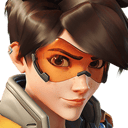
Tracer

Tracer continues to define high-skill Dive play with exceptional 1v1 potential, objective contesting, and persistent backline harassment. She's one of the most self-sufficient heroes in Overwatch and can find value in virtually any team comp.

If left unchecked, she'll control the tempo of the enemy team, pull Support resources away from the frontline, and enable her allies to push in. She doesn't necessarily need to be securing solo-KOs to carry a game.

Tracer benefits greatly from the addition of Doctrine and Support Sombra, both of whom can enable her aggressive playstyle without having to follow her into the backline. With over a 20% average pick rate, she remains one of the most prominent DPS in the meta.

Vendetta

Vendetta came in swinging on release! Despite multiple rounds of nerfs changing her breakpoints, she can still rely on more primary fire-focused combos and be an absolute menace to backlines.

The biggest factor in Vendetta's success is how she closes the distance. If she can drop down from high ground or sneak up on an enemy without expending her mobility cooldowns, she's much more likely to secure the elim and get out alive. She's particularly lethal when enabled by Zarya's bubbles or Doctrine's drones.

The midseason nerfs to Palatine Fang have made her combos slower and her movement easier to track. However, she still maintains an impressive win rate of nearly 53% in Champion, where she's also one of the most frequently banned DPS.

Venture

Venture distinguishes themselves through pre-fight survivability and burst-assassination capability. They can avoid damage pre-fight and stall out the enemy mid-fight with Burrow. If the enemy ignores them, Venture turns into a backline assassin.

Venture thrives in Dive and Brawl comps where their teammates can capitalize on the disruption they cause with Drill Dash and Burrow. However, CC like Flashbang or Sleep Dart, and in open sightline maps, Venture's effectiveness drops considerably.

Although Venture has one of the highest average win rates among DPS at 52.3%, they also have the lowest pick rate at just 2.5%. On maps with lots of cover and enclosed flank routes like Oasis: City Center, Venture is a much stronger pick than their general ranking suggests.

Widowmaker

Widowmaker is highly map-dependent but oppressive on long-range sniper maps such as Junkertown, Havana, and Circuit Royal. A mechanically skilled Widowmaker can single-handedly shut down the enemy team.

Once she demonstrates the ability to click heads, the threat of being one-shot forces the enemy to take alternate routes or expend resources just to cross her sightlines. Poke Tanks like Sigma and Domina are particularly good at enabling Widow by helping maintain distance from the enemy.

Unfortunately for Widow, Dive is still extremely strong this Season. Heroes like Winston, Tracer, and Genji can repeatedly force her out of position, even without securing the elim. On maps where she can't establish enough distance from these heroes, you're generally better off swapping.

Support Commentary

Ana

A high-skill Support with massive playmaking through Biotic Grenade and Sleep Dart. Anarchic Zeal is especially strong against Tanks who rely on self-sustain, like Mauga and Junker Queen, provided the enemy doesn't have a Kiriko to cleanse her anti-nades.

Ana is also a great enabler of Dive. Her ability to support Winston from range and Nano Boost a hard-engaging DPS like Genji makes her a natural fit for these comps, especially when paired with Brigitte to protect her from the enemy Dive.

Despite having a pick rate of nearly 25%, Ana's average win rate is only 46%. The nerf to Biotic Grenade's damage has hurt her dueling potential, and with so many strong flankers in the meta, Ana is often forced to use her fight-winning cooldowns just to stay alive.

Baptiste

A flexible Support with strong burst healing, great damage output, and one of the best defensive cooldowns in the game. Baptiste excels in Brawl and Poke comps, where Immortality Field can completely halt the enemy's momentum by saving teammates and wasting multiple enemy cooldowns or Ultimates.

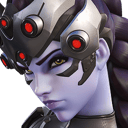

Bap gets the most value when his teammates are grouped up, allowing him to simultaneously damage enemies and sustain multiple allies. Unfortunately, he has a much harder time consistently healing small and highly mobile Dive heroes.

Despite Brawl becoming more prevalent, Baptiste is still struggling to find his place in the meta. Doctrine offers similar offensive and healing output while also being able to directly increase his teammates' lethality. Bap's long cooldowns and limited horizontal mobility make him considerably easier to punish.

Brigitte

A melee Support who specializes in anti-Dive peel. Brigitte is particularly strong when protecting backline allies like Ana or Zenyatta against Tracer, Genji, and Winston. Simply denying an enemy's engage with Whip Shot can win a fight before it even begins.

Brig is also capable of playing more aggressively alongside Brawl Tanks like Junker Queen, especially with Combat Medic. The midseason buffs to Inspire have significantly increased her sustain during brawly fights.

With both Dive and Brawl being meta, Brig currently boasts the highest average win rate of any Support at 53.9%, with a healthy pick rate of nearly 13%. Her biggest weakness remains long-range Poke comps, where she struggles to consistently proc Inspire.

Doctrine

What makes Doctrine so strong is the combination of raw healing output, survivability, and the invigorating power of his drones!

To have success with Doctrine, you'll need to focus on resource management rather than spamming abilities. Smart Infuse usage lets him amplify his own abilities and empower teammates at fight-determining moments. Transfusion greatly increases his Infuse uptime and enables a more aggressive playstyle.
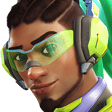
Doctrine's attack speed buff is particularly lethal when given to heroes like Tracer, Reaper, or Reinhardt as they commit to an engage.

Even after multiple rounds of nerfs, Doctrine remains one of the most versatile Supports. However, the increased cooldown of Shrouded Momentum gives enemy Dive heroes a much larger window of opportunity to punish him.

Illari

A damage-oriented Support with strong Poke and pick potential. If you're a headshot master, Illari is a hard carry. Healing Pylon enables passive team healing while giving Illari the freedom to take aggressive off-angles.

She synergizes particularly well with Poke heroes like Sigma and Ashe, who can capitalize on the additional ranged pressure she provides. However, highly mobile team comps make it difficult for her to maintain effective Pylon placements.

The midseason buffs to Solar Rifle's charge time and Healing Pylon's healing output have put Illari in a much better spot. Although Doctrine offers some stiff competition as an offensive hitscan Support, Illari's ability to independently hold angles remains one of her greatest strengths.

Jetpack Cat

A hypermobile disruptor and the only hero in the entire game with the ability to permanently fly. Jetpack Cat enables team plays that would otherwise be impossible, like transporting B.O.B. into the enemy backline or quickly getting low-mobility teammates onto high ground.

Equally important is her ability to be anywhere at any time for assassinations and peel. Play sneaky, reposition constantly, and hunt down isolated targets.

After multiple patches nerfed to Lifeline and now the midseason nerfs to her HP and fuel regeneration have made aggressive plays much riskier. Although her average win rate is now below 48%, she still has the highest ban rate of any hero at over 42%. The Cat's ability to completely change how a team approaches engagements makes her a particularly valuable ban.

Juno

Juno provides a speed boost like Lúcio without sacrificing nearly as much healing output. Hyper Ring is particularly good at enabling Rush and Brawl Tanks like Reinhardt and Ramattra to close the distance on enemies.

Pulsar Torpedoes are also great in the current meta, as the lock-on projectiles allow Juno to reliably damage and heal highly mobile heroes. Between her double jump and Glide Boost, she can keep up with her teammates' rotations and bait out enemy Dive cooldowns.

With Brawl making a comeback this Season, Juno has plenty of favorable team comps. Orbital Ray combined with a well-timed Hyper Ring makes it extremely difficult for the enemy team to fight back against an aggressive push.

Kiriko

Even after the TP nerf, where she no longer self-cleanses negative status effects, Kiriko remains one of most versatile Supports in Overwatch. There has never been a season we don't see Kiri in pro play Her lock-on healing and Swift Step make her a great fit for Dive, while Protection Suzu is particularly valuable against heroes like Junker Queen and Ana.

Making big plays, hitting consistent Kunai headshots, and having Protection Suzu ready at vital moments are all challenging tasks. Suzu is still one of the best defensive abilities in the whole game, and so if you've been a long time Kiriko main, you can definitely make her work in Season 5.

Kiri getting her 250 HP back has helped her survivability, but many of the nerfs to her lethality and mobility over previous seasons have made her less of an independent carry.

Despite having the highest Support pick rate at nearly 38%, her average win rate is only 48.3%. She's still a great choice in virtually any team comp, but with the addition of Doctrine and Support Sombra, there's a lot more competition for her spot.

Lifeweaver

Lifeweaver lacks the offensive utility that many other Supports offer to their teams. He does possess strong repositioning tools in Life Grip and Petal Platform, which makes him a particularly good fit for low-mobility teammates.

Giving heroes like Ana and Ashe access to otherwise unreachable high ground or allowing your Tank to hard engage with the safety net of Life Grip can enable strong and unique plays.

Unfortunately, Lifeweaver's kit is much better suited to attempting to keep his team alive rather than helping actively secure eliminations. In a meta where Supports like Doctrine and and Jetpack Cat are directly contributing to the lethality of their DPS, Lifeweaver is much more dependent on his teammates to carry.

Lúcio

Speed boost from Amp It Up makes him one of the best enablers of Rush and Brawl. Tanks like Reinhardt and Junker Queen get significantly more value out of their kits when they can quickly close the distance and stick onto enemies. Speed is also one of the best tools for kiting enemy Ultimates and denying their value.

Equally important is how self-sufficient he is and how good he is at peeling for his fellow backline. With Soundwave Rider, he becomes even better at disrupting enemy engages.

With Brawl coming back into the meta, Lúcio is finding himself in more favorable team comps. However, he's heavily dependent on his teammates recognizing when to go aggro, and Juno is often the more consistent speed-boosting Support in ranked thanks to her superior healing output.

Mercy

The pocket Support who enables DPS carries like Pharah, Ashe and Sojourn. Mercy's value comes from identifying which teammate has the most playmaking potential at any given moment and amplifying their lethality with Caduceus Staff's damage boost.

Unfortunately, Mercy struggles to keep up with the pace of the current meta. Her single-target healing makes it difficult to sustain multiple teammates taking damage simultaneously especially with the healing reduction passive. The prevalence of Dive also makes finding safe opportunities to Resurrect much more difficult.

With Supports like Doctrine now able to directly amplify their teammates' damage while also contributing substantial damage themselves, there's even more competition for Mercy's spot. She's still a good pick when your team has a strong DPS carry that you can pocket, or when the enemy team does have the mobility or ranged damage to take her down.

Mizuki

Mizuki is an offensive Support who sustains his team through dealing damage and maintaining a high Remedy Aura charge. Similar to Brigitte, he gets significantly more value out of his kit when his teammates are grouped up and the enemy is within his effective range.

Binding Chain is particularly valuable against hypermobile heroes like Tracer, Genji, and D.Va, as it prevents them from freely disengaging after committing to an attack. Kekkai Sanctuary can also completely shut down ranged follow-up damage during an enemy dive.

Mizuki performs best in close-range Brawl comps and on maps where he can abuse Spirit Glaive ricochets. Unfortunately, he struggles to maintain his healing output and offensive pressure against long-range Poke comps.

Moira

Moira can be difficult to eliminate, but she also struggles to force a win for her team. Her lack of utility puts her at a disadvantage compared to other Supports who possess fight-winning abilities like Protection Suzu or Biotic Grenade.

That being said, Moira's high survivability and consistent AoE healing make her a great choice in chaotic brawls and scrambly fights. She's particularly good at sustaining aggressive Tanks like Junker Queen while using damage orbs to pressure enemy squishies.

Moira struggles more in comps where teammates are spread across multiple angles. Against highly coordinated Dive, she can also find herself surviving engagements that her fellow Support cannot, so her own survivability doesn't necessarily translate to keeping her backline alive.

Sombra

Sombra's rework into a really strong Support has been a major factor in shifting the Season 5 meta to dive comps. Also, she carries over her excellent mobility and flanking capabilities from her DPS days, allowing her to directly participate in dives.

Her biggest strength comes from Hotfix which provides passive healing that stays with an ally even as they move across the map or break line of sight. This allows mobile heroes like Tracer, Genji, and Winston to engage aggressively with a reliable source of healing, without requiring their Supports to follow them into dangerous positions.

Cyberspace is particularly powerful when used to weaken enemies attempting to counterattack her diving teammates.

Between her ability to enable mobile teammates, powerful defensive utility, and ability to independently pressure the enemy backline, Sombra provides incredible utility value despite having less consistent healing than traditional Supports.

The midseason nerfs to Hotfix's duration and Cyberspace's Weak effect have made her ability timing much more important. She's still a great Dive enabler, but struggles to provide enough sustain for more frontline-heavy Brawl comps.

Wuyang

Wuyang is an offensive Support who outputs excellent ranged damage while passively sustaining an ally with Restorative Stream. His ability to curve charged water orbs around corners allows him to pressure enemies from angles other Supports can't.

Guardian Wave is especially powerful when paired with another Support's AoE healing, making Wuyang a good fit for Brawl comps. Alternatively, Tidal Blast can enable aggressive Dive heroes like Winston or Genji to go on a rampage in the enemy backline.

Although Wuyang has the mobility to reposition with his team, the relatively slow travel time of his projectiles makes it difficult to consistently hit the hypermobile heroes in the current meta. He generally finds more consistent value against grouped-up enemies.

Zenyatta

Zenyatta mostly comes down to finding off-angles, getting elims, and staying alive. As long as you can manage Orb of Discord well, your team can blow up the enemy.

However, his damage is his only survival tool, so he's generally the first target of every fight as he's extremely vulnerable to dive and flank pressure.

Although he's extremely vulnerable to Dive, having a Brigitte to peel for him or a Support like Kiriko to bail him out makes it considerably more difficult for the enemy to punish him.

Zen excels in Poke and Tank-melting comps, but he's also great at enabling Dive DPS with Orb of Harmony.

Zen currently boasts an average win rate of over 53%, with a healthy pick rate of nearly 12%. With the resurgence of self-sustaining Brawl Tanks like Junker Queen and Mauga, Discord is particularly valuable for helping his team quickly burst down the enemy frontline.

Tiers Explained

In S-tier, you’ll find the best heroes in Overwatch, who will be dominant on almost all maps and team comp combinations.

A-tier heroes are still great choices but tend to be present on fewer maps than S-tier characters in pro play. However, in some situations, A-tier characters might shine more than S-tier characters.

In B-tier, we’re continuing the trend of heroes that have lower overall presence and are even more specialized. Some heroes here are just worse versions or downgrades of heroes in a similar niche above them (such as Tracer being the better flanking hitscan choice over Reaper).

Lastly, we have the Situational batch of heroes in the C-tier section. These heroes are rarely seen in comparison to their peers and are usually pulled out for specific map areas or by character specialists. If you enjoy them, you can find success with them, so by all means, keep playing them.