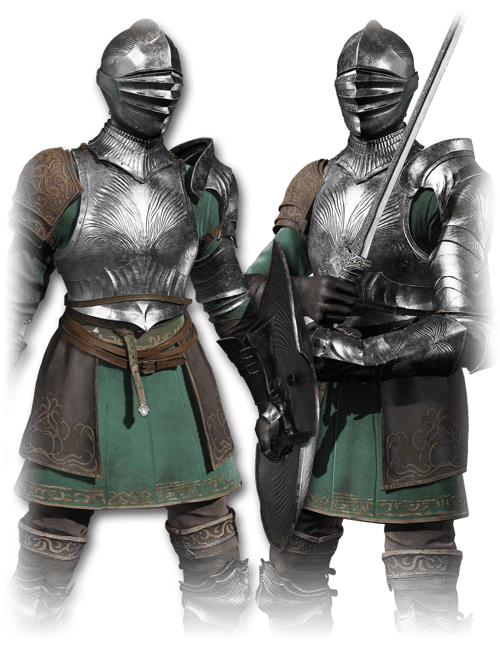
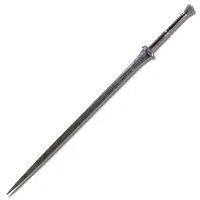
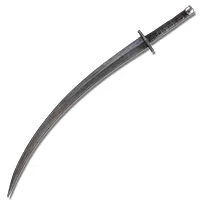
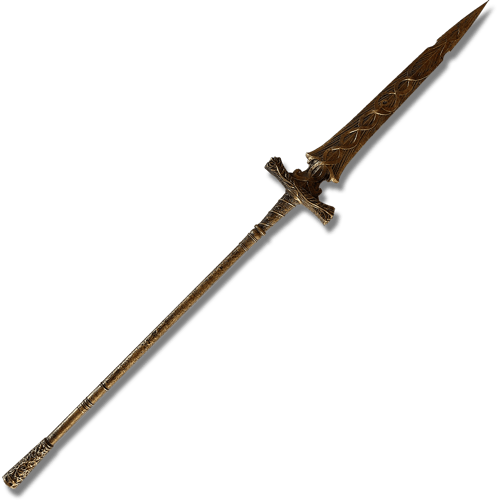
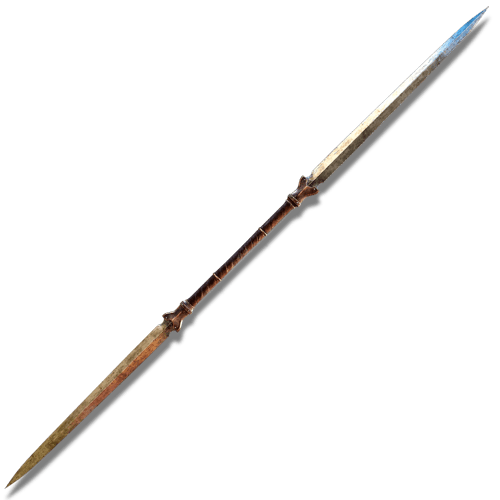
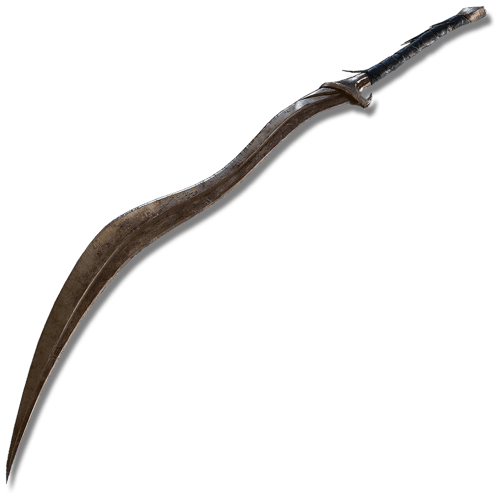
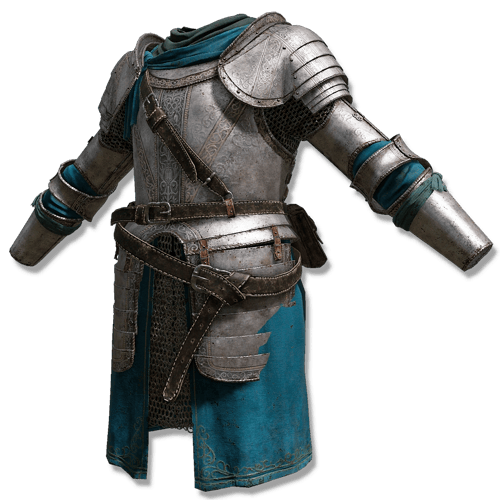
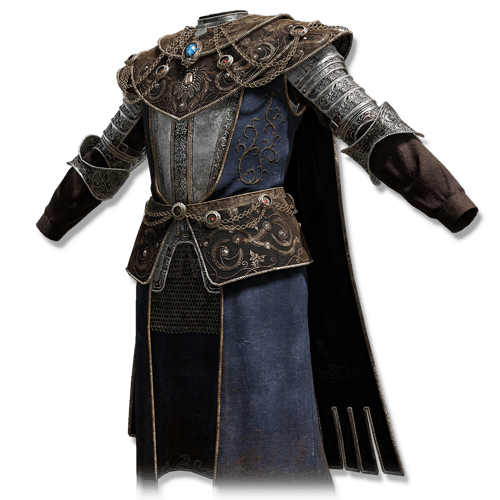
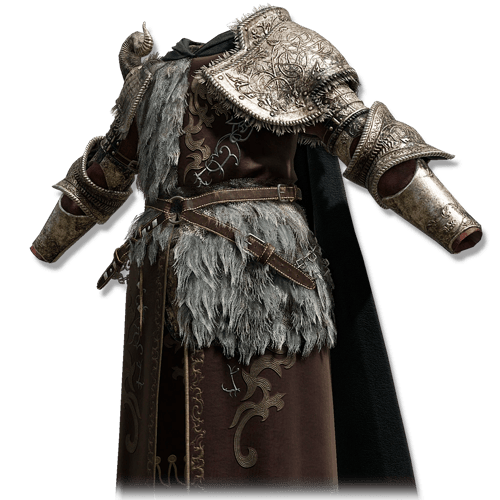
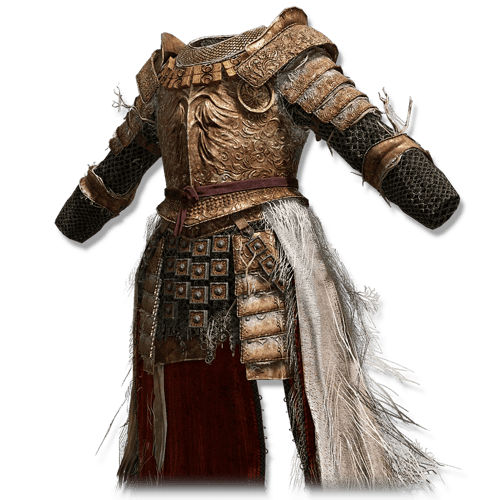
The Idus Knight starts with everything necessary for a strong Dexterity build, so progression is mostly about improving what already works rather than completely changing your playstyle. The Idus Sword can remain your primary weapon throughout the base game, while your growing Dexterity gives you plenty of alternatives if you want to experiment.
Learn the Light Greatsword Moveset
The biggest reason to play the Idus Knight is immediate access to a Light Greatsword, so take advantage of it.
Light Greatswords have unusually fluid attack chains, with attacks flowing naturally into one another. However, don't mistake that speed for safety. Against bosses, learning when to stop your combo is just as important as knowing when you can extend it.
Use shorter attack strings during small openings and save the longer combinations for staggers, recovery animations, or other large punish windows.
Don't Feel Forced to Replace the Idus Sword
Unlike the Heavy Knight's Hefty Scimitar, there isn't much reason to immediately replace the Idus Sword.
It's a solid weapon with an excellent base moveset and is more than capable of carrying you through the base game. If you're enjoying it, keep upgrading it rather than constantly searching for an alternative.
Other Dexterity weapons are options, not mandatory upgrades.
Use Keen Affinity as Dexterity Increases
For infusable Dexterity weapons, Keen Affinity will generally become your preferred physical affinity as your Dexterity gets higher.
Early in the game, the difference between affinities may be relatively small because your attributes and weapon scaling are still low. Later, however, improving Dexterity scaling becomes increasingly valuable.
Always compare the actual Attack Power before changing affinities rather than assuming Keen will automatically be stronger at every level.
Keep Experimenting With Ashes of War
One of the biggest advantages of non-unique weapons is being able to change their Ash of War.
Don't simply equip the first Skill you find and use it for the rest of the game. Dexterity builds have access to excellent offensive, mobility, and multi-hit Skills that can significantly change how a weapon performs.
The same weapon can feel completely different depending on the Ash of War you build around.
Take Advantage of Fast Punish Windows
You don't need to wait for enormous openings like many heavier weapons do.
The Idus Sword and other fast Dexterity weapons are particularly good at punishing short recovery animations. Getting one safe attack after an enemy's move is better than forcing a three-hit combo and getting hit in return.
This becomes increasingly important against the faster bosses later in the game.
Don't Mindlessly Spam Light Attacks
Light Greatswords have beautiful attack chains, but that can become a trap.
It's very easy to press R1 one more time because the next attack flows naturally from the previous one. Against bosses, that extra attack is often exactly what gets you punished.
Think of the moveset as providing options for different-sized openings, rather than every opening being an invitation to complete the entire combo.
Use Consecutive-Attack Bonuses When Appropriate
Because the Idus Sword can land several attacks quickly, effects that reward successive hits can work extremely well when you have enough time to maintain pressure.
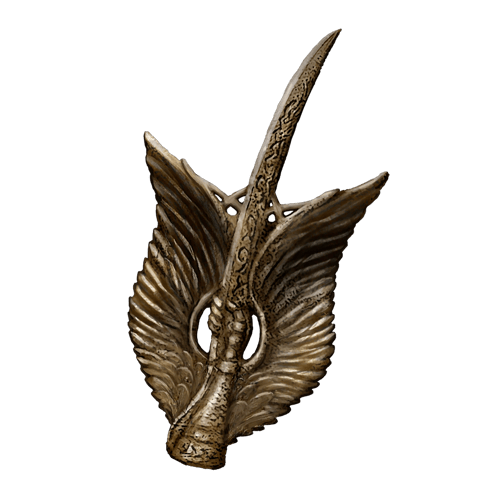
The Winged Sword Insignia is your first major example, but stronger consecutive-attack effects become available later.
Just don't force additional attacks purely to maintain a buff. Against aggressive bosses, taking the safe punish remains more important than keeping a damage bonus active.
Bleed Is Useful Without Building Around Arcane
Dexterity gives you access to numerous excellent weapons with innate Blood Loss buildup.
You don't need to immediately turn your Idus Knight into an Arcane build to take advantage of them. Weapons such as Katanas can still proc Bleed effectively while remaining primarily Dexterity-focused.
Only invest heavily into Arcane if you're intentionally transitioning into a dedicated Bleed or Dexterity/Arcane build.
Keep Vigor Competitive With Your Damage
The Idus Knight's faster playstyle can make additional damage tempting, but don't neglect Vigor while pushing Dexterity.
Continue working toward 60 Vigor for the late game. The difference between surviving a boss attack and dying immediately is generally worth considerably more than a small increase in Attack Power.
Once Vigor and Endurance are comfortable, you can invest much more aggressively into Dexterity.
Don't Overinvest in Endurance
The Idus Knight doesn't need enormous amounts of Equip Load.
Get enough Endurance to comfortably attack, dodge, and maintain Medium Load, then stop investing until you actually need more.
Those additional levels are generally better spent on Vigor or Dexterity than on wearing slightly heavier armor.
Prepare for Milady
If your goal is to eventually use Milady, the Idus Sword provides an almost perfect progression path.
You can spend the entire base game learning the Light Greatsword moveset and developing a Dexterity-focused character. Once you enter Shadow of the Erdtree, Milady can be obtained extremely early in the Realm of Shadow.
At that point, transitioning is simple: upgrade Milady, apply an affinity appropriate for your existing build, select your preferred Ash of War, and continue with essentially the same playstyle you've already spent the base game learning.
Or Transition Into Another Dexterity Build
Milady is the obvious destination, but it isn't mandatory.
By the time you reach Altus Plateau and the later areas of the game, you'll have access to an enormous selection of Dexterity weapons. You can transition toward Katanas, Spears, Twinblades, Curved Swords, Backhand Blades, or even Dexterity-focused unique weapons without needing to completely rebuild your character.
That's ultimately one of the Idus Knight's biggest strengths. The class gives you immediate access to the new Light Greatsword playstyle while still providing a flexible foundation for almost any Dexterity build in the game.