WoW Forever builds on the world of Vanilla WoW with updated classes, new content, and systems that change how you approach your adventure. Those changes raise an understandable concern: how much can the game evolve while keeping the experience that made Classic worth returning to?
The strongest argument for Forever is the opportunity to discover Azeroth again. Familiar locations can become interesting in new ways when your talent choices, equipment, leveling routes, and interactions with other players are no longer completely predictable.
This guide explores why class changes, camping, additional quests, and optional transmog could help create that experience, alongside the tradeoffs each brings.
For a broader rundown of the game and its announced features, visit our WoW Forever overview.
Why Classic Needs Room for Discovery
Much of Vanilla WoW is familiar territory for returning players. Leveling routes, talent builds, profession choices, and desirable items have been studied across years of repeat play.
You do not have to be a competitive player to feel the effects. Even a relaxed adventure can become predictable when you already know which quests to complete, which equipment to chase, and how your character will develop.
A fresh start brings people together, but repeating the same journey may not offer enough to interest someone who has already experienced it several times. That also helps explain Forever’s potential appeal to Retail players who were not interested in another faithful replay of Vanilla.
For new players, a changing world creates an opportunity to contribute discoveries of their own. Experienced players will still have useful knowledge, but a newcomer might find a helpful quest route or approach a revised talent build differently.
Classic’s sense of adventure depends partly on having things left to discover. Forever can preserve the familiar world while giving players new reasons to explore it together.
Class Changes Make Old Decisions Worth Revisiting
Talent trees and class design are among the changes most likely to affect how Forever feels.
Longer-lasting Paladin Blessings reduce repeated buff maintenance. Paladins gaining access to a taunt changes their tanking toolkit, while adjustments to Mage slows affect familiar approaches to controlling and farming large groups of enemies.
Those changes naturally raise questions. How much will Paladins’ place in a group change? Which Mage farming methods will remain effective? How will different tanks compare?
Individual changes cannot answer all of those questions on their own. A Paladin gaining a taunt, for example, does not automatically establish how Paladins and Warriors will compare across every encounter.
Experiment Without Assuming the Old Answers Still Apply
Updated talents, abilities, and equipment give players reasons to reconsider decisions they previously made from memory.
Read the talents available to you, think about how your spells work together, and evaluate equipment for the character you are actually playing. Familiar builds remain useful reference points, but their old strengths may not translate perfectly.
Changes still need a clear purpose. Preserving distinct class strengths, weaknesses, and deliberate combat matters just as much as introducing new options. The appeal comes from having meaningful decisions to explore while your class retains its identity.
Stronger Characters Do Not Tell the Whole Leveling Story
More capable classes, improved equipment, and experience benefits from food or camping can make parts of leveling more efficient. For players who value the long journey through Azeroth, that is a reasonable concern.
However, combat speed is only one part of the time spent leveling.
A familiar route lets you move quickly because the decisions have already been made. A first journey through Forever may include comparing talents, trying different spells, checking unfamiliar rewards, and exploring new quest options. A stronger character can still take longer to progress when the player is learning along the way.
That does not guarantee leveling will be slower, or that players will never develop efficient routes. Repeated runs will naturally become more familiar.
The value is in making that first journey engaging. Time spent understanding your character and making choices can be a rewarding part of leveling, even when individual fights become faster.
Camping Adds Decisions to the Journey
Vanilla’s leveling rhythm gives preparation a clear purpose. You visit town, train abilities, organize supplies, collect quests, and plan the next trip. Out in the world, you try to complete useful objectives before returning with full bags and quests to hand in.
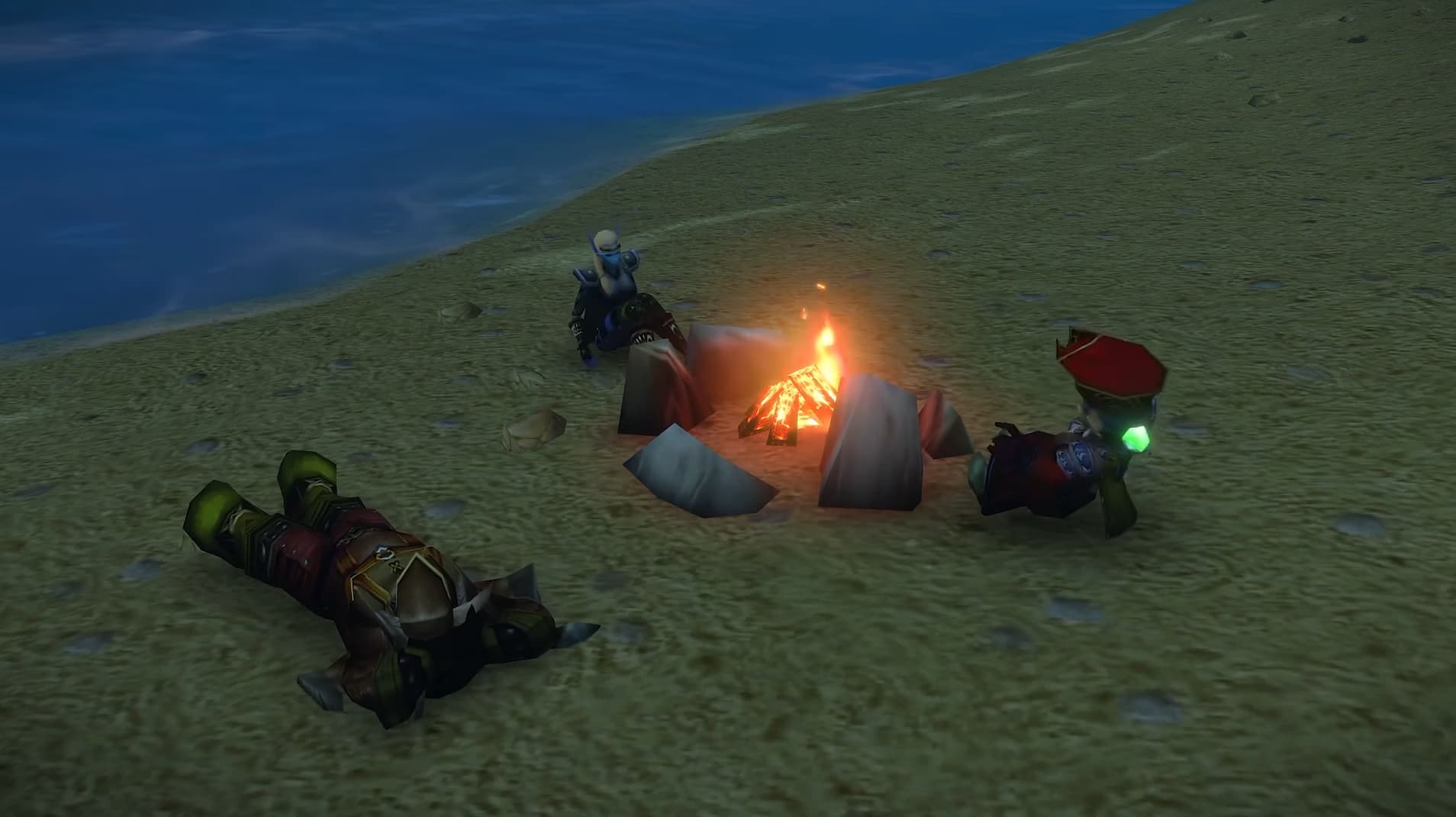
Camping changes that rhythm by making some buffs and services available during the journey. Depending on the features players contribute, a campsite can offer stat buffs, rested experience, or useful services such as reagent vendors and repairs.
It is understandable to worry that these conveniences could make preparation less meaningful. Camping’s potential comes from the decisions involved in using it.
Decide When a Stop Is Worthwhile
Your professions influence what you can contribute, while the location of a camp affects who is likely to find and use it.
You might establish a camp near a well-traveled route where other players can add useful features. You might instead save your contribution for a longer expedition, or visit an existing camp before entering a dangerous area.
Even refreshing a benefit involves a choice. A detour may help with the next stretch of quests, but leaving a cave halfway through an objective could cost more time than it saves.
Camp benefits also require a pause. Players gain the relevant benefits by sitting or crafting at the campsite for at least a minute, giving preparation an actual place in the leveling routine.
Camping Gives Players a Reason to Meet
A useful campsite can benefit someone who had no part in setting it up. Another adventurer might stop for a buff, contribute a feature of their own, or start a conversation while resting.
That creates a reason to interact through ordinary gameplay. A practical stop can become the beginning of a questing group or simply make another player’s presence feel valuable.
The social opportunity matters alongside the mechanical benefits. Camping can reward preparation while creating new encounters between people traveling through the same world.
Additional quests and dungeons can raise another concern: will filling the world with objectives remove the need to plan?
In Vanilla, gaps between quest hubs can encourage grinding, travel, or careful routing. Gathering the right quests before entering a dungeon is part of preparing for the trip.
More content does not automatically remove those decisions. Additional quest lines, dungeon objectives, and travel connections can give you more ways to combine activities into a useful route.
A new boat connection might change which areas make sense to visit together. A dungeon quest chain might make a different destination worthwhile. New rewards can also give you reasons to investigate content you previously skipped.
The important distinction is whether the world offers meaningful alternatives. More options can support exploration when players still decide where to go and how to connect their objectives.
That satisfaction is relevant even if you have no interest in racing to level 60. Planning a trip well, avoiding unnecessary travel, and discovering a useful connection can make a slow, methodical journey more enjoyable.
Optional Transmog Addresses a Different Classic Concern
Equipment appearance has traditionally communicated something about a character’s achievements. Seeing someone wearing recognizable raid gear could inspire other players because the appearance was connected to the effort required to obtain it.
Paid cosmetics can weaken that connection. If a striking appearance comes from a purchase, it becomes harder to judge what a character has accomplished simply by looking at them. That can also reduce the appeal of working toward distinctive equipment.
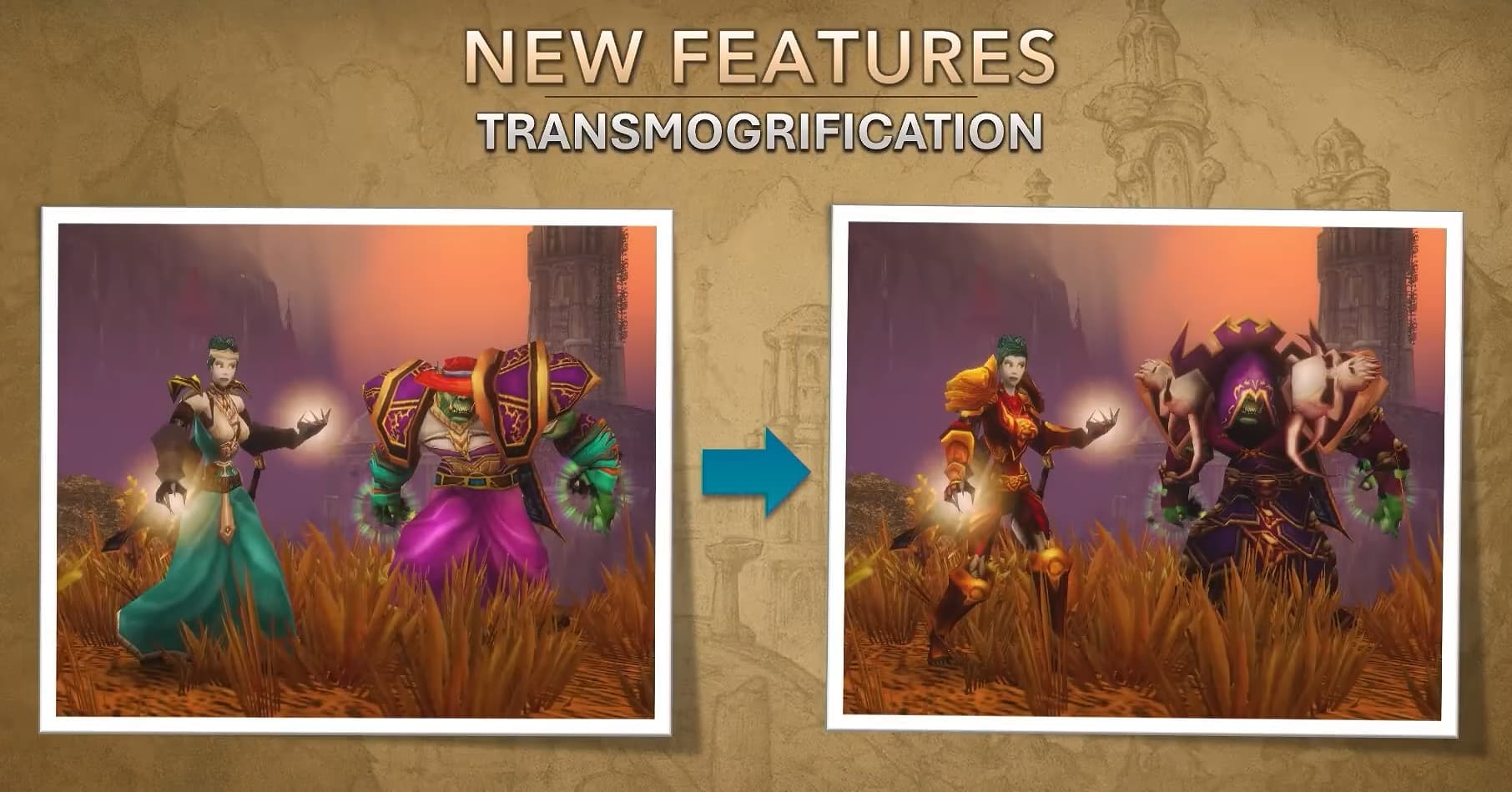
Forever’s optional transmog system offers a way to accommodate different preferences.
Choose Which Appearances You See
Players can disable transmog to see other characters in their equipped gear, or leave it enabled to see customized appearances.
The setting controls your view of the world. Other players with transmog enabled can still see your chosen appearance. Existing choices to hide helmets and cloaks are respected even when transmog is disabled.
This gives players who value recognizable equipment more control over their experience, while allowing others to enjoy appearance customization. For that compromise to remain effective, players need to retain that choice as the game develops.
Forever’s promise depends on keeping Azeroth interesting to inhabit: a world where preparation matters, other players are useful, and your next session offers something worth investigating.
That requires tradeoffs. Some familiar routines will change, and individual systems will still need to prove themselves through play.
Approach the adventure with a few priorities:
Revisit familiar assumptions. Read updated talents and abilities before committing to an old build or strategy.
Give new routes a chance. Additional quests and travel options may make previously overlooked areas worthwhile.
Treat camping as preparation. Consider the benefits, the time involved, and what nearby players can contribute.
Choose the appearance settings you enjoy. Optional transmog lets you decide how much customization you see.
Leave room to experiment. Discovering an approach that works for you is part of the appeal.
For returning Classic players, that uncertainty could bring new life to familiar places. For newcomers and Retail players, it offers a chance to join an adventure whose details are still being worked out.