MECCHA CHAMELEON is an online hide-and-seek game from Japanese solo developer lemorion_1224.
At a glance, it's a daft party game: everyone spawns as a plain white figure, and the hiders paint themselves to blend into the level before the seekers come looking. Play a few rounds, though, and you'll find there's a real craft under the silliness. The people who vanish every single round are doing much more than just colour-matching - they understand light, shape, and how the seeker's eye actually works.
This guide covers how a round plays out, the paint tool you'll live or die by, and the handful of fundamentals that stop you getting tagged in the first ten seconds. (Want to go deeper on a role? Our hider tips are here and our seeker tips here).
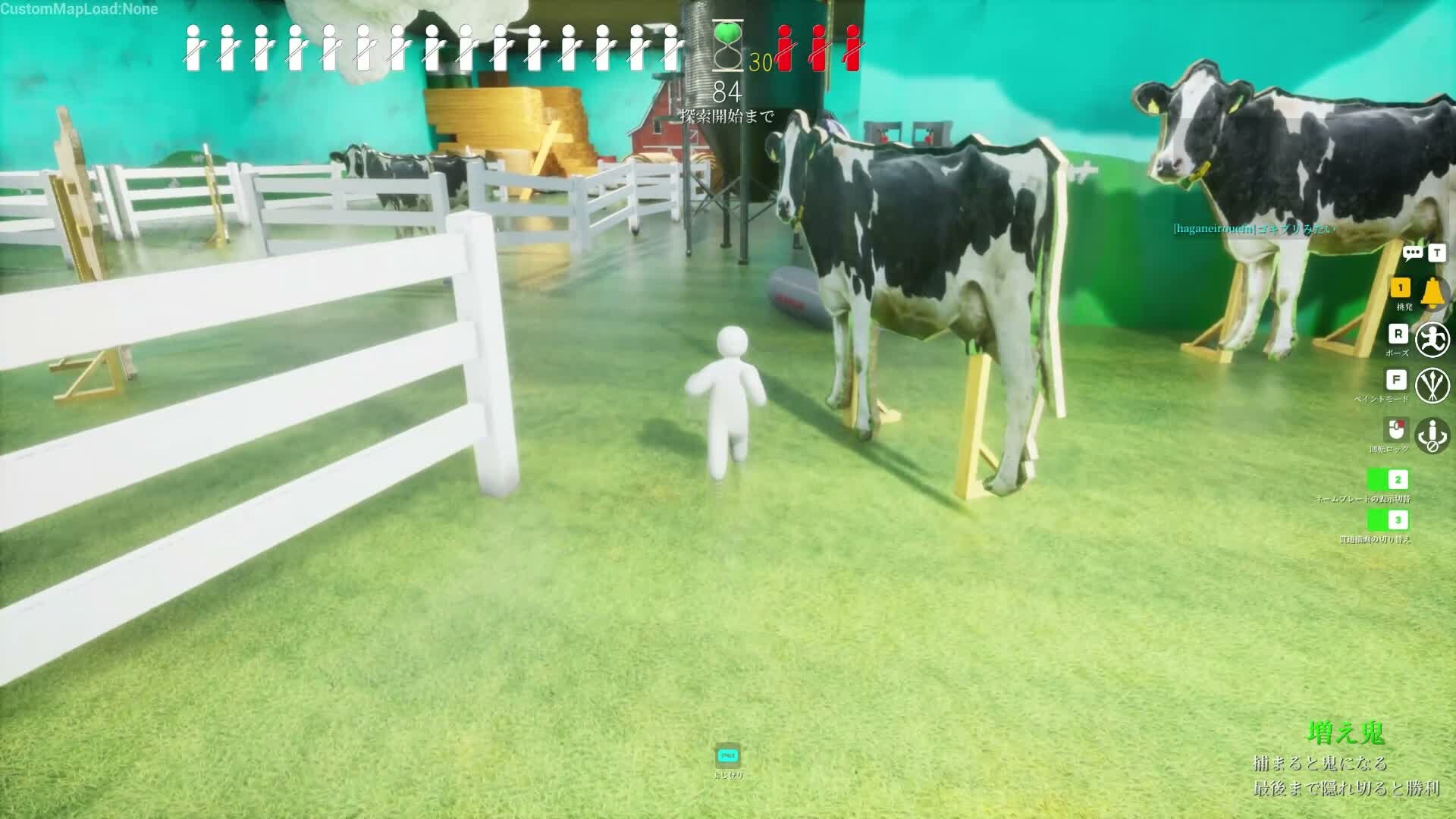
Before we go into some tips for the game, let's touch base with the fundamentals of the game: every match runs through the same beats. The host picks a map and a mode, then the hiders get a preparation window to roam the level, paint their bodies, and lock a pose while the seekers wait. Once the hunt phase begins, the seekers are let loose to tag everyone they can spot before the timer runs out.
Hiders win by surviving to zero. Seekers win by finding everyone. Then comes the results screen, which reveals exactly where each hider was tucked away, and is reliably the funniest part of the whole thing.
Learn the Paint Tool First
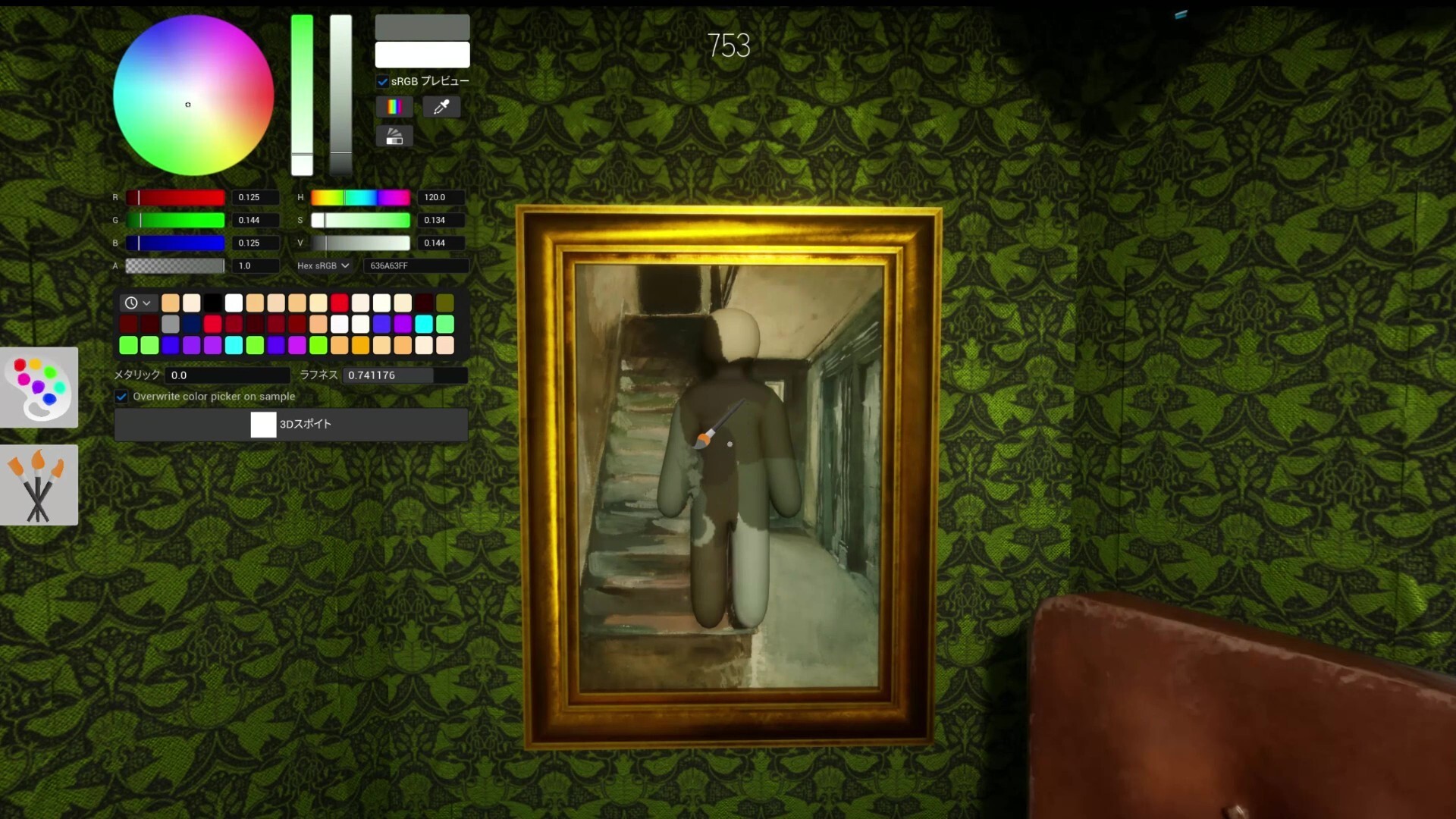
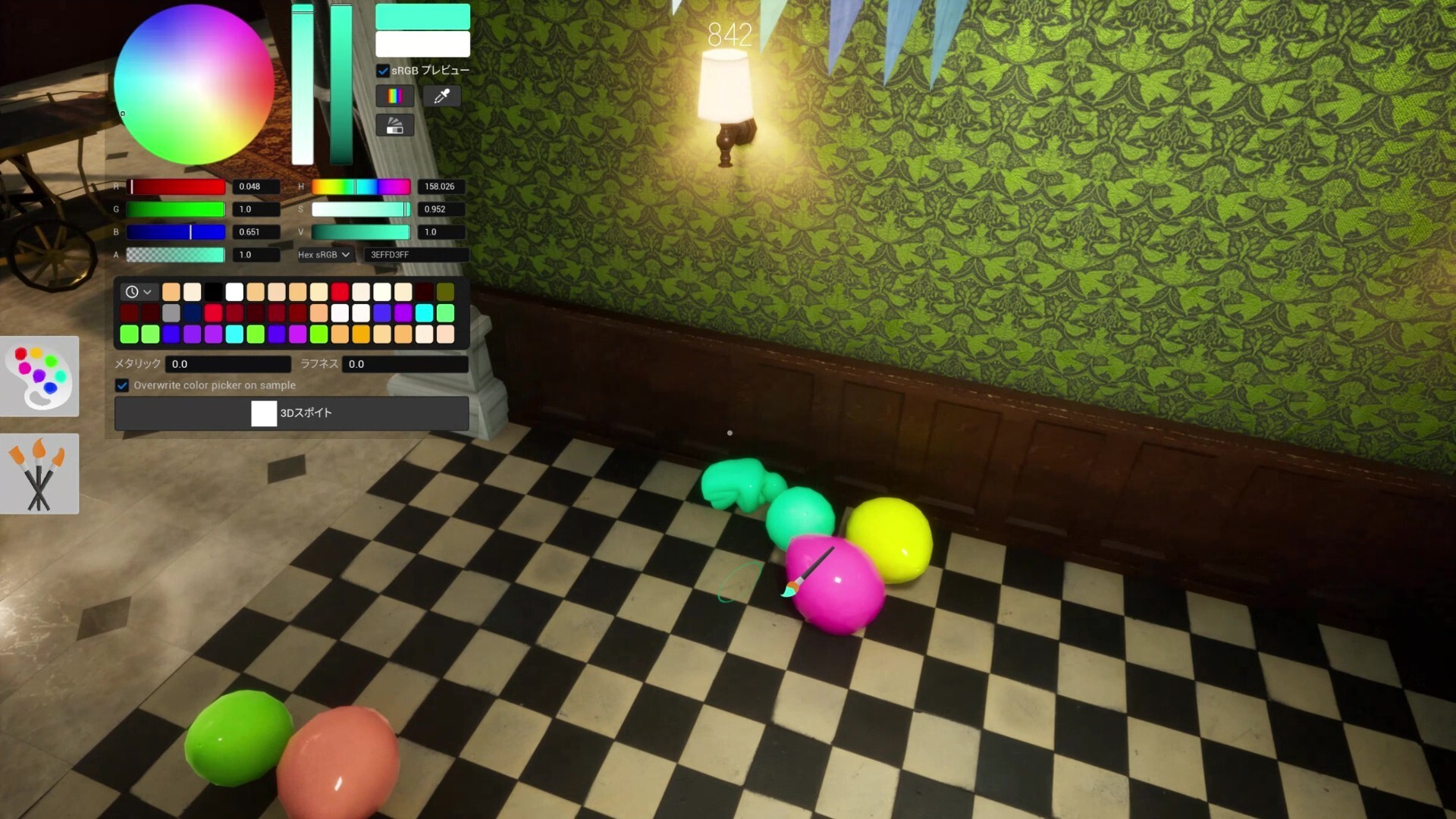
Every other skill sits on top of the paint tool, so spend your first lobby getting to grips with it rather than sprinting off to hide. Open it with F and you'll find something closer to an art program than a game menu.
The main tool you have to learn is the eyedropper. Instead of eyeballing a colour and hoping for the best, you point it at the exact wall or object you're hiding against and it copies that colour precisely. Sample the surface you'll actually lean on, not a similar-looking one across the room - lighting shifts colour more than you'd think.
From there, the HSV sliders let you nudge the shade to match shadows and highlights. And don't ignore the metallic and roughness sliders, because almost everyone does: they control how your body catches light. A perfect colour on a glossy body still shines wrong against a matte wall, and that's a common reason a "perfect" hide still gets spotted.
Colour Is Only Half the Job
Seekers hunt shapes, not colours. That's the single lesson that separates beginners from everyone else. You can match a wall perfectly and still get caught, because your outline still reads as a person.
So once your colour's down, think about your silhouette. Match the direction of the room's light - brighter on the lit side, darker on the side facing away - so your body has depth instead of looking like a flat sticker. Then break up that obvious player shape. A body that's all one tone gives you away even when the hue is spot on.
Check Yourself in Third Person
The biggest beginner mistake is judging your disguise from your own first-person view. It can look flawless to you and completely obvious to the seeker walking past.
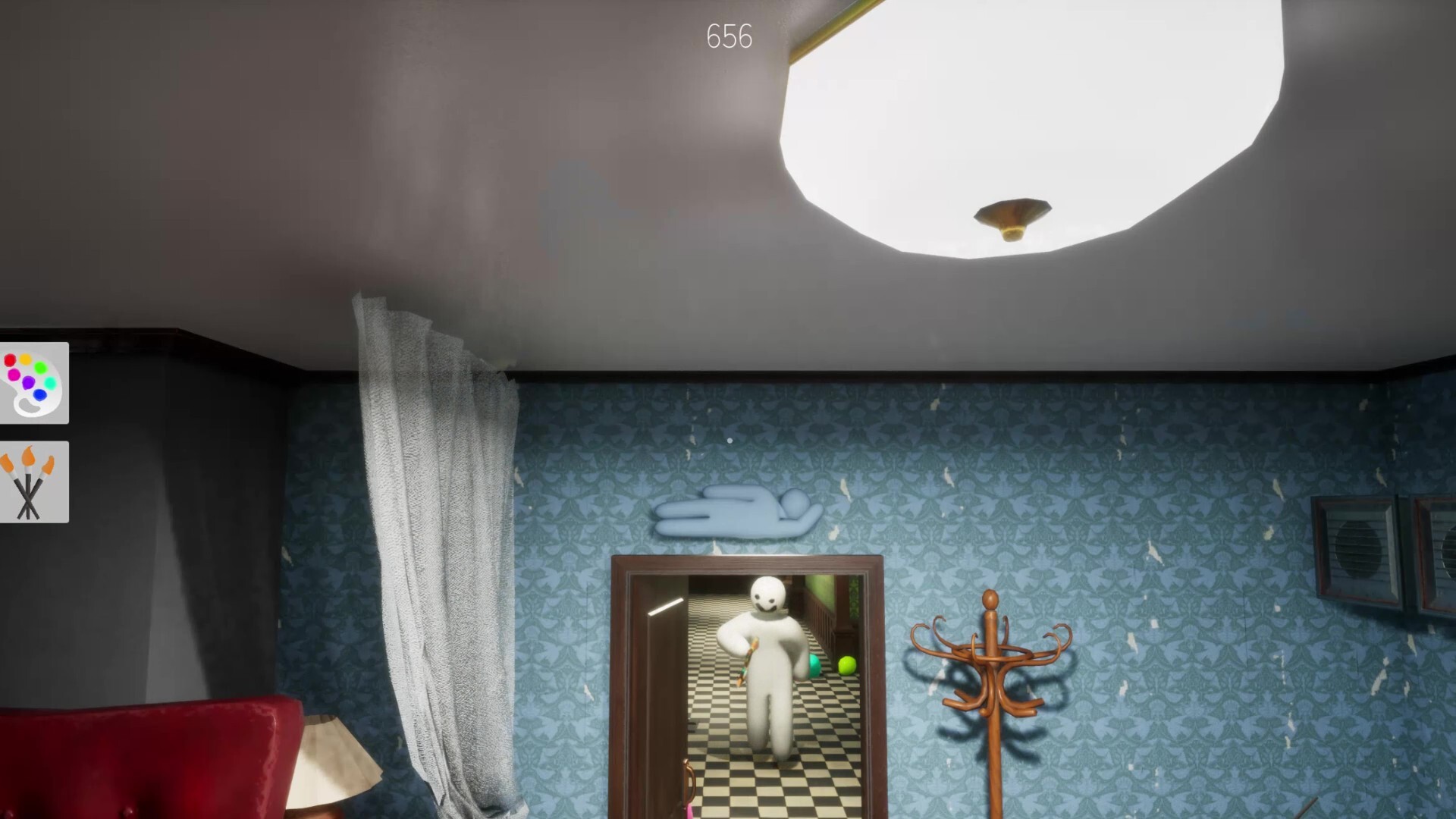
Before prep ends, rotate the camera all the way around your character and hunt for anything that breaks the illusion - a stray bright patch, a colour that doesn't sit right, or the classic killer: white gaps between your limbs. White elbows have ended more rounds than bad hiding spots ever will.
Hide Like an Object, Not a Player
Most people instinctively flatten against a wall. Trouble is, that's the first place every seeker checks. The players who survive stop imitating walls and start imitating things - a painting, a vase, a balloon, food on a shelf.
It works because the seeker's brain already expects those objects to be there. They're not just scanning for an odd colour any more, they're trying to pick a suspicious shape out of shapes that all look like they belong. That moment of hesitation buys you the seconds that win rounds.
A Note on Playing With Friends
Lobbies run from 2 to 10 players, and the game's at its best with a full group on voice chat. One quirk worth knowing: multiplayer depends on everyone running the same version, so if a friend can't join, have them check the title-screen version and restart Steam before you start fiddling with lobby settings. It's Windows-only for now.
Quick Tips
Sample your colour with the eyedropper, never guess it.
Match the light direction, not just the colour.
Check the metallic and roughness sliders so you don't shine.
Always inspect yourself in third person before the hunt starts.
Hide as an object, not flat against a wall.
Mind your white elbows.
That's everything you need for your first few rounds. Get comfortable with the paint tool, start thinking in shapes rather than colours, and you'll go from instant-tag to last one standing before long. Good luck, and have fun out there!