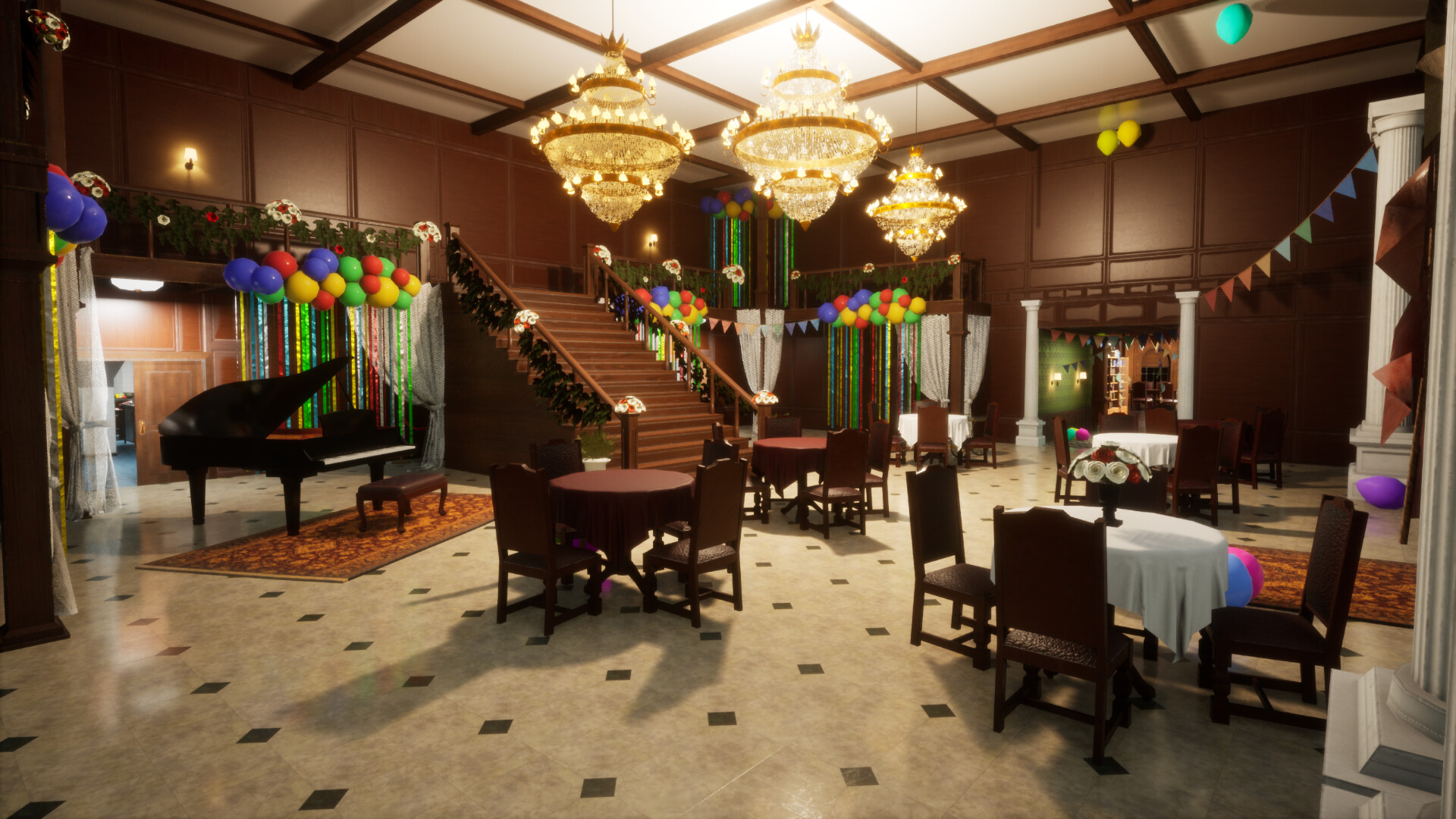
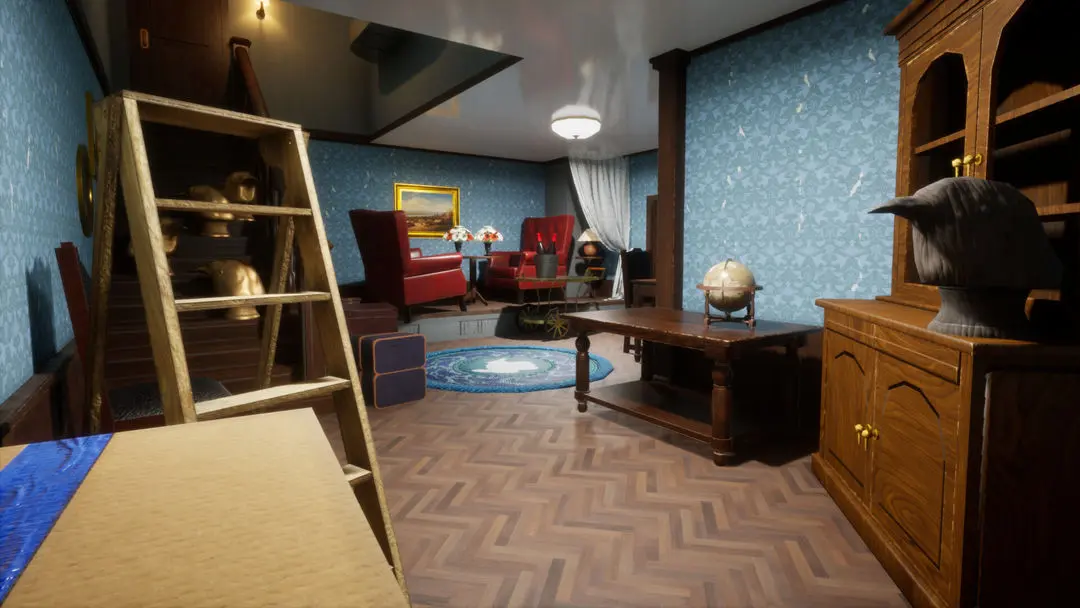
MECCHA CHAMELEON is an online hide-and-seek game from Japanese solo developer lemorion_1224.
As a hider, the job sounds simple - paint yourself, find a spot, don't get tagged. The players who survive every round have worked out the real trick: you don't need to be invisible. You just need to make the seeker waste so much time proving you're a player that the clock beats them to it.
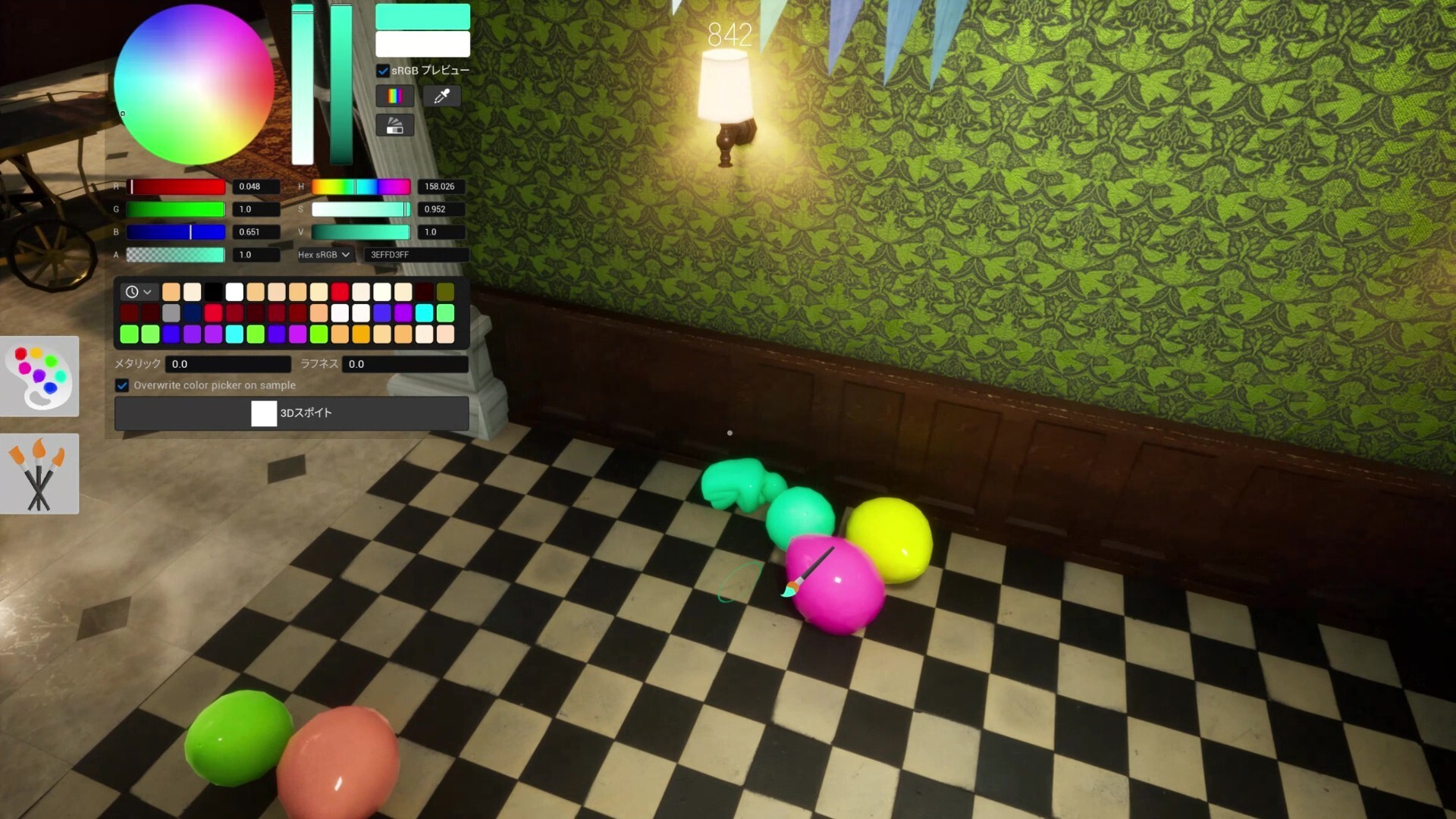
The prep window is shorter than it feels, and the most common way to lose is to spend it wandering. Lock your hiding zone in the first third, sample your colours straight away, and use everything left to refine your edges and settle your pose. Players who hold out for the perfect spot are still half-painted when the hunt begins, and a half-painted body is a free tag.
Pick the Background Before the Paint
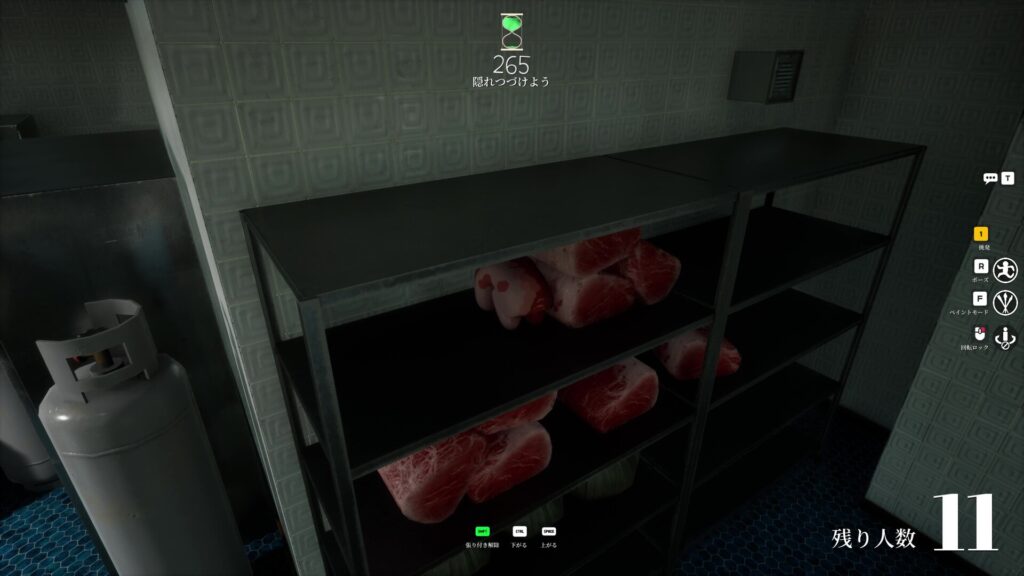
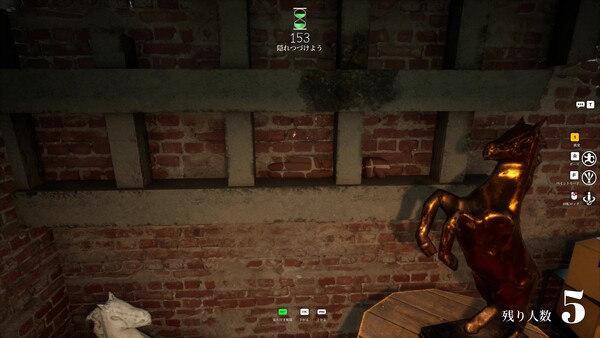
Good hiding starts before you even open the paint tool. Look for a spot where your body can borrow the logic of the room - repeating panels, stacked objects, a busy corner. Clutter is forgiving. If your colour match is slightly off, a messy background swallows the difference.
A blank wall is the opposite. It's tempting because it's one flat colour, but it hands the seeker a clean outline to check, and your player shape stands right out against it. Save flat walls for when your paint is genuinely flawless.
Paint the Light, Not Just the Colour
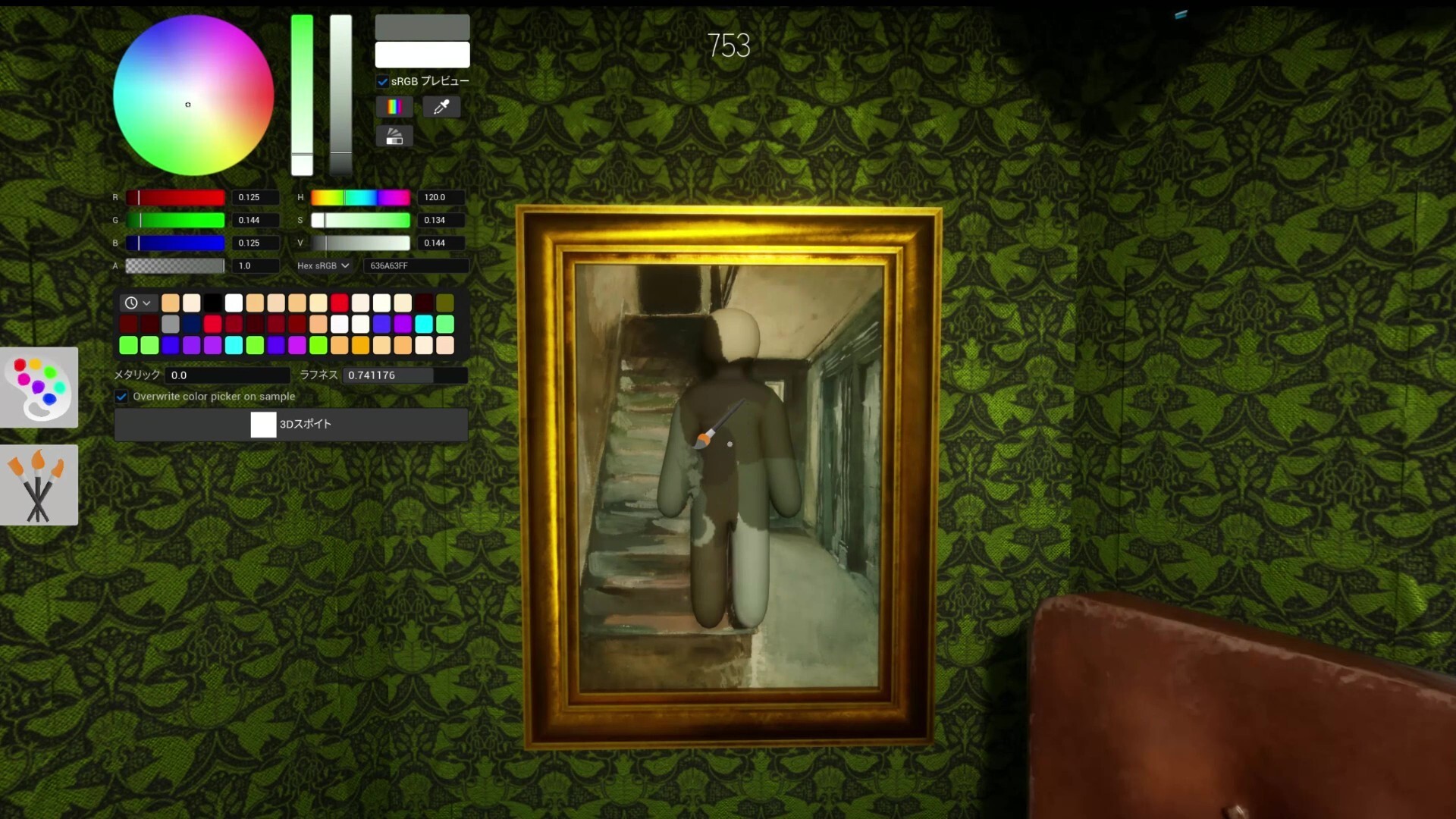
Copying the right colour isn't enough on its own. Look at where the light in the room is coming from and shade your body to match it - brighter on the side facing the light, darker on the side facing away. That gives you depth and lets you sit in the scene naturally.
Leave yourself one flat tone and your body turns artificial and obvious, even when the colour is exact. Seekers are taught to look for lighting that doesn't add up, so a uniformly lit body in a directionally lit room may as well be waving at them.
Copy the Pattern, Not Just the Shade
Plenty of maps are full of pattern: checkered floors, tiled walls, geometric decoration. From a distance a solid colour might pass, but up close you'll stick out badly. The fix is to recreate the pattern on your body and line it up with the surface you're against.
Get it right and it's the perfect camouflage. The seeker can't just glance and move on - they have to stop, compare, and decide whether that's the floor or a person. Every second they spend deciding is a second on your side.
Break Your Silhouette
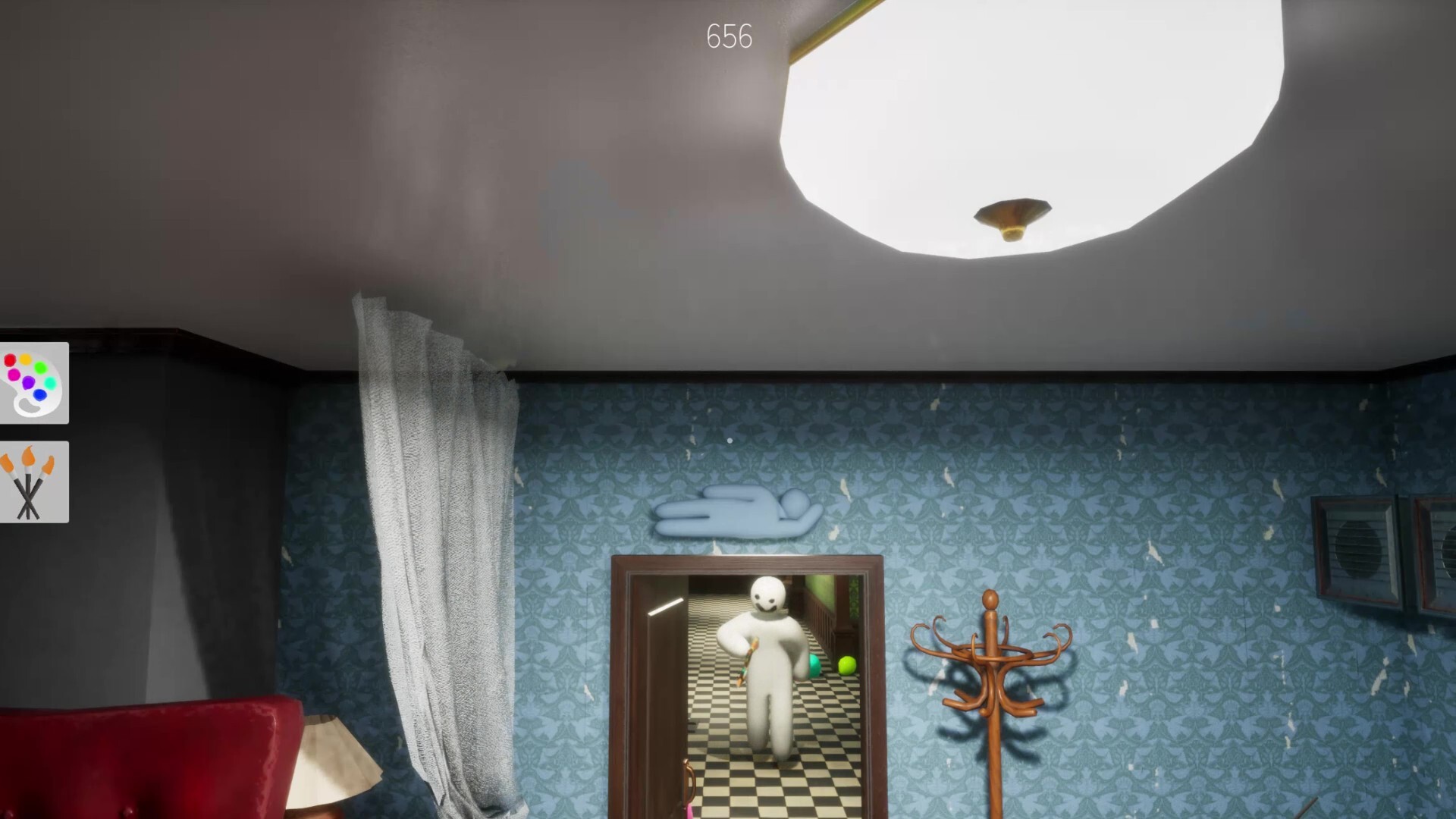
Colour gets the attention, but it's your shape that usually gives you away. The eye recognises a player outline far faster than it clocks a wrong colour, so a flawless paint job on an obvious body shape still gets caught.
This is where poses earn their keep. Crouch, lie down, flatten against a wall, or pull an awkward emote that bends you into something that isn't person-shaped. Each map tends to favour a type: low objects everywhere, crouch; a wide open room, lying flat might be what saves you. Stop being a colour chameleon and start being a shape chameleon.
Lock Your Pose and Hold Still
Once you've chosen the pose that fits your disguise, commit to it and stop moving. Micro-movement is the single biggest tell an experienced seeker watches for - one twitch of the camera or an adjusted angle and they've got you. Plan a quiet escape route by all means, but don't keep glancing toward it. Settle, and trust the paint.
Use the Chaos
You're not hiding in a vacuum. If a nearby hider has slapped on a loud, sloppy disguise, that's good news for you - stay exactly where you are. Seekers pounce on the obvious decoy first and often leave the whole area satisfied it's clear, walking straight past your far better hide on the way out.
Move With a Purpose, or Not at All
Moving while the seeker is still unsure is risky, because the movement itself answers their question. The time to relocate is after they've committed elsewhere - turned a corner, dropped into another zone, got stuck on a decoy.
And when you do move, move for a reason: a better background, a fresh angle, a cluster they've already cleared. Panicked running almost always turns a near miss into a certain catch. If in doubt, stay still.
Quick Tips
Choose your spot fast, then spend the time refining it.
Clutter forgives a rough colour match; flat walls don't.
Shade for the light source to get depth.
Match patterns, not just colours.
Break your player outline with a pose.
Hold still - movement is the number one tell.
Let bad nearby hiders soak up the seeker's attention.
Nail these and you'll stop thinking about hiding spots and start thinking about disguises.