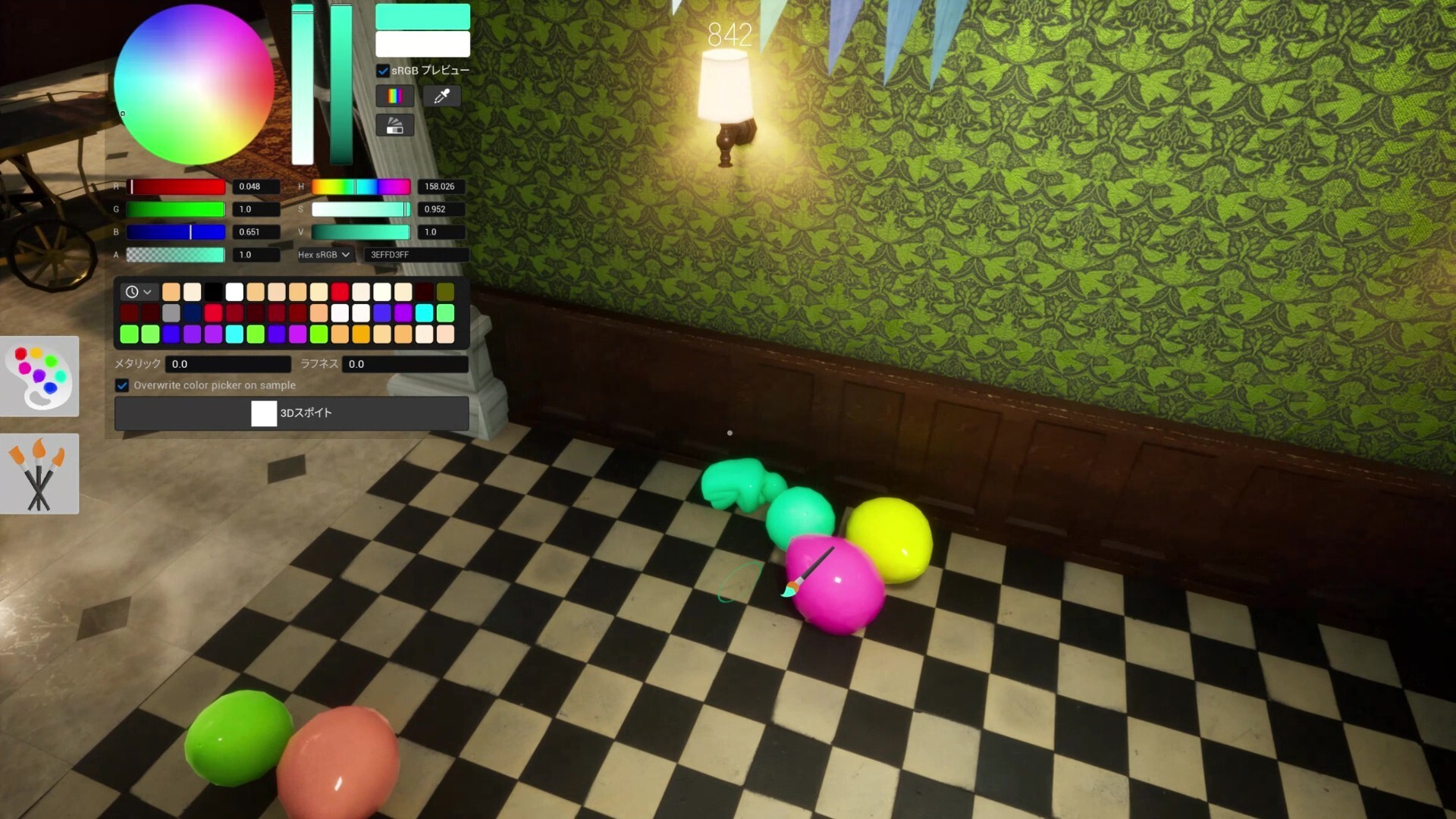
MECCHA CHAMELEON is an online hide-and-seek game from Japanese solo developer lemorion_1224.
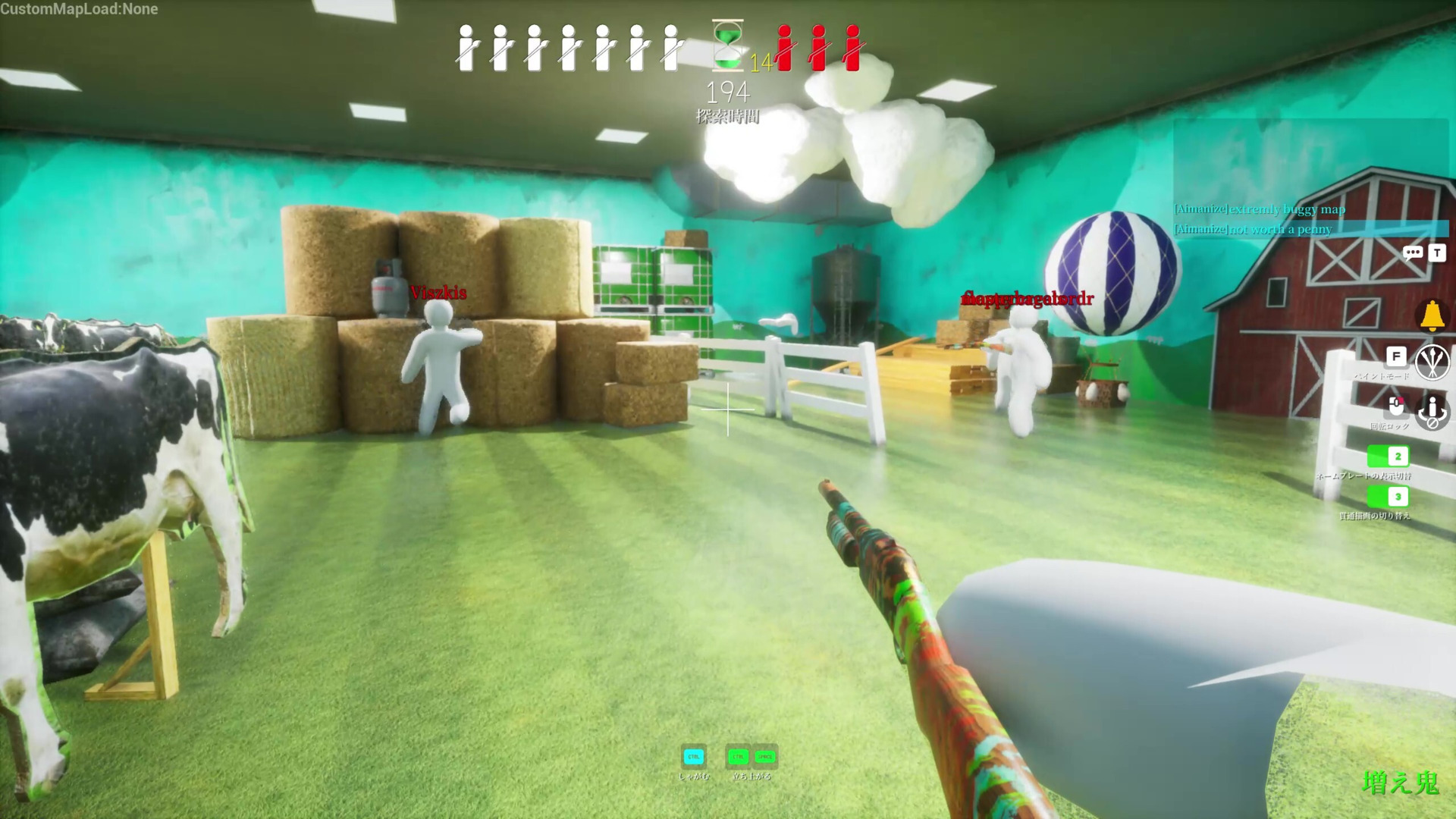
Seeking looks easy from the outside - just find the painted people. In practice it's an inspection job, and the seekers who clear lobbies are adept at spotting what's out of place: not just from a colour standpoint, but environmental too.
This is the rule everything else hangs on. A good hider can match a wall's colour perfectly, so if you're only scanning for an odd shade, they'll beat you every time. What gives them away is shape. Look for a limb that crosses a surface edge, an outline that matches no object that belongs in the room, or asymmetry on something that should be uniform. Real objects are consistent. Painted players nearly always miss a detail on the second look.
Don't Spam Your Shots
There's a strong urge early on to fire at anything that looks slightly off, just to be sure. The game punishes exactly that - every missed shot costs you health, and testing objects one after another will weaken you long before you find a real target.
Slow down and rely on your eyes instead. Notice the detail that doesn't fit, confirm it, then shoot. When you do fire, it's because you're nearly certain, and your whole game gets sharper for it. Every shot matters, so make each one earned.
Clear Zones, Don't Chase Guesses
The timer makes random searching feel productive, but all it really does is leave corners unchecked. Split the map into zones in your head and clear them one at a time - one wall, one cluster of objects, one high angle, one escape route - before you move on.
And know why a zone is clear when you leave it. If the only reason is that nothing looked bright, you haven't cleared it. Hiders paint precisely to kill those obvious colour tells, so your sweep has to cover shape, lighting, and context too.
Be Suspicious of the Too-Perfect
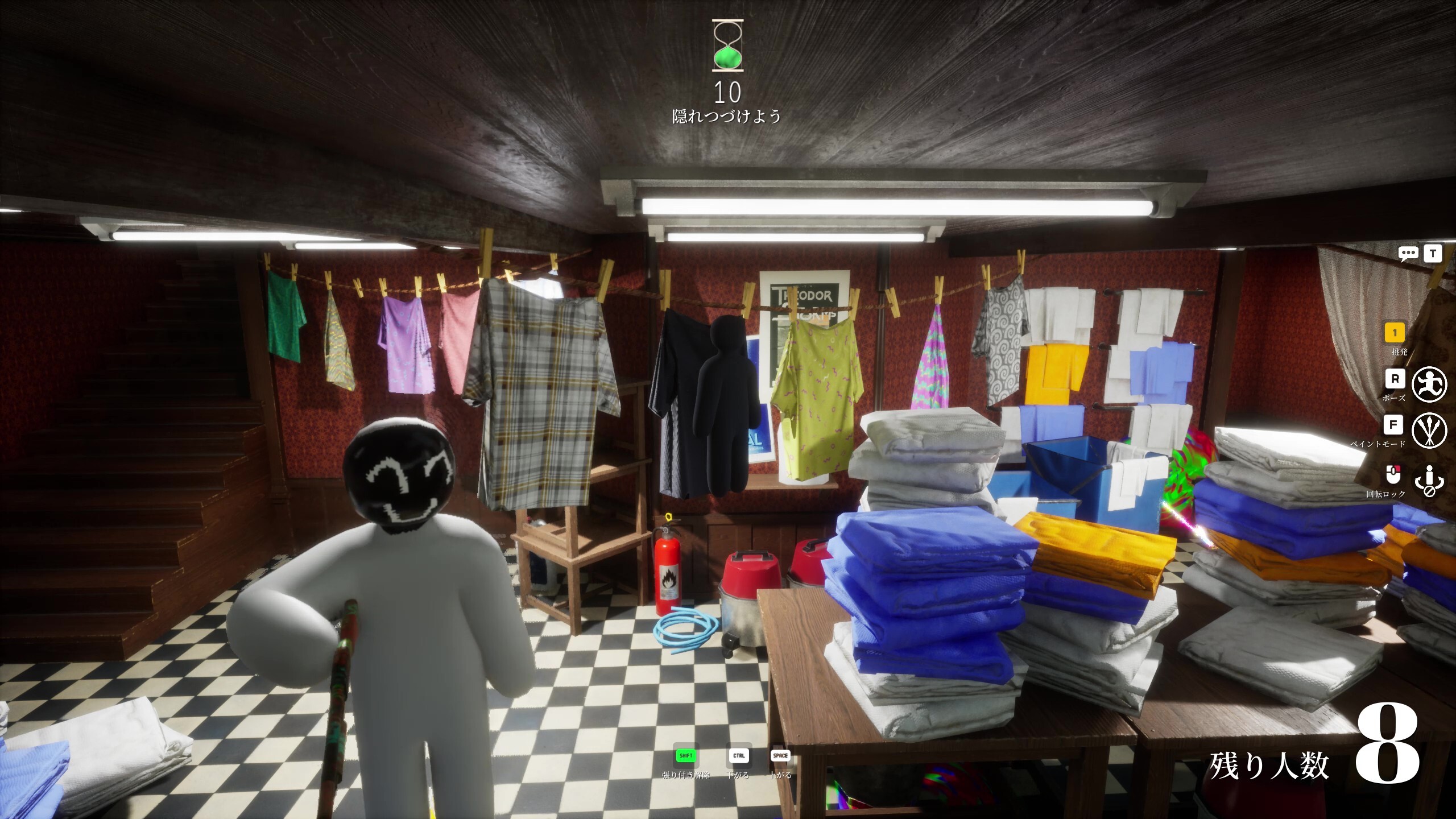
As players get better, they stop hiding in secret corners and start hiding in plain sight, where nobody bothers to look. The more ordinary a spot seems, the less it gets checked - and that's exactly where a good hider sits.
Train your eye to distrust anything that looks too tidy. Stage art is messy. When a corner of the room looks edited, someone has probably edited it.
Change Your Angle
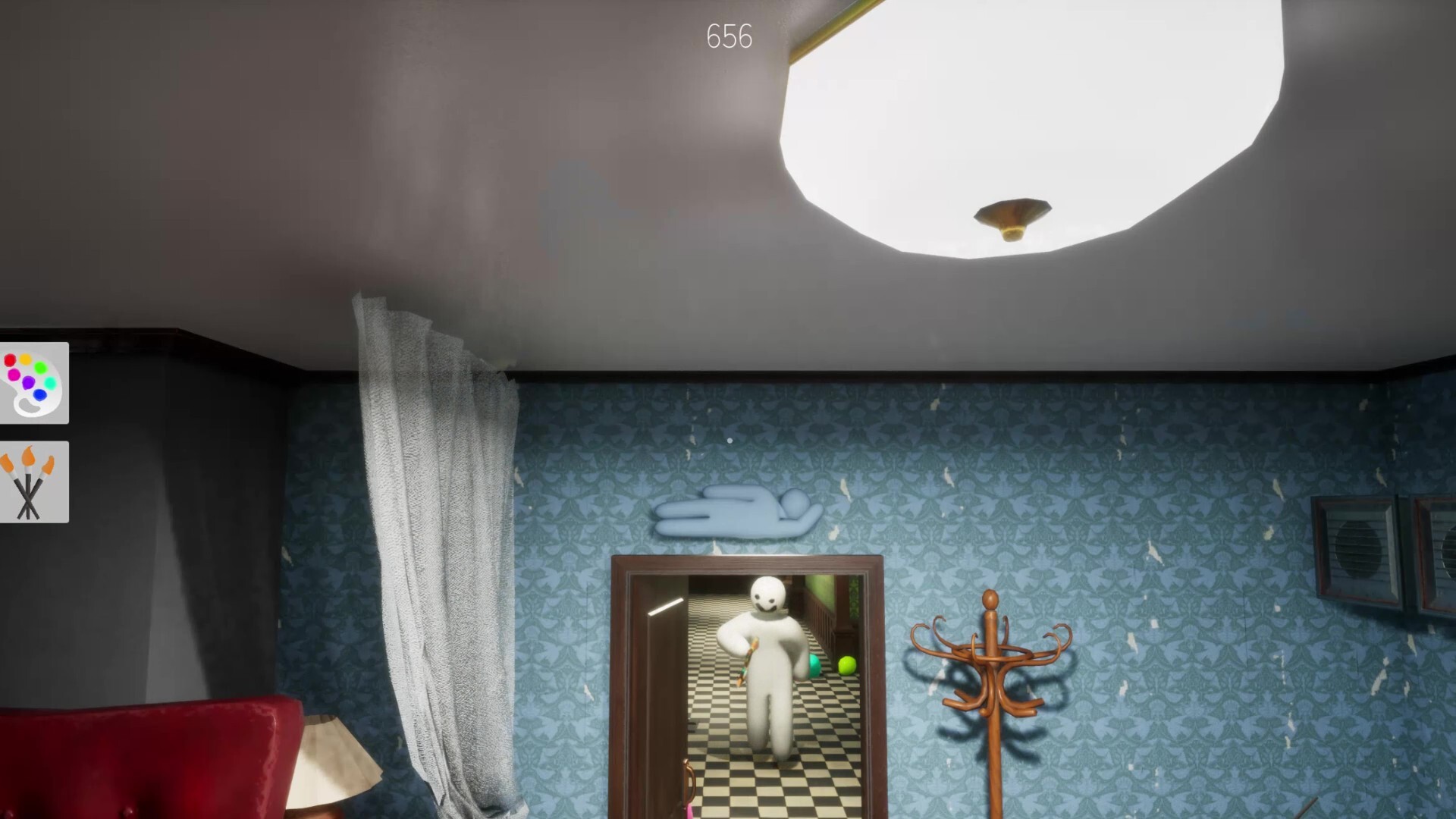
One angle can make a disguise look flawless. Two angles usually break it. After your first scan of a suspicious shape, sidestep or climb to shift the relationship between the body and the background. If the shape slides differently from the wall or prop behind it, you've found a player.
This is especially deadly against hiders who paint for the entrance view. They'll look perfect from the spawn side and completely wrong from a few steps round - so stop looking from where they expect you to.
Read the Lighting
Lighting mistakes are some of the easiest tells to spot once you're looking for them. A reflection where the surface should be matte, a shadow falling the wrong way, a highlight that doesn't match anything nearby - these rarely come from the map itself. They come from a body that's been painted to hide. It's almost like spotting a glitch, except this one's a person.
Get Low and Slow Down
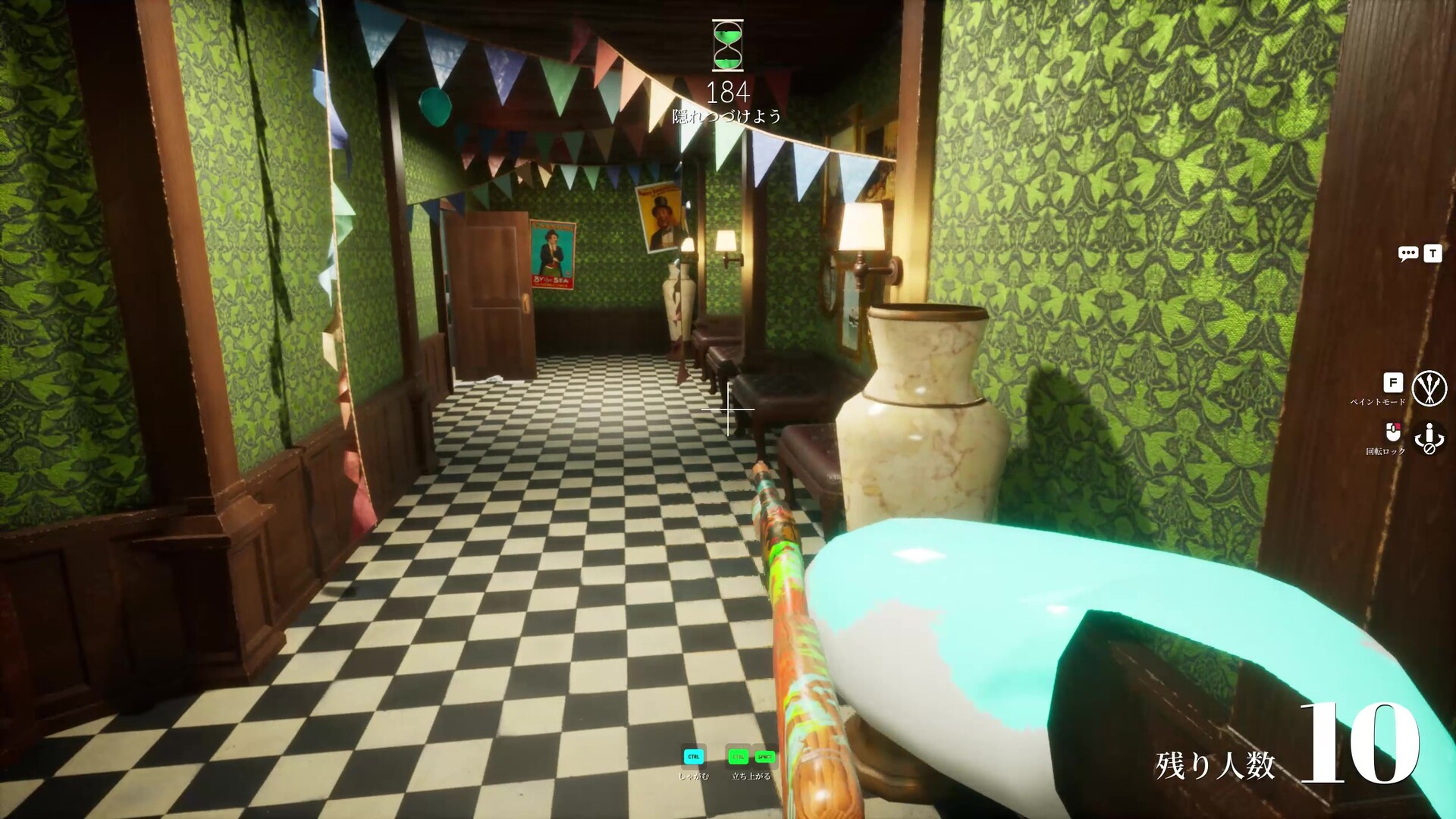
A lot of the best spots sit below your default eye level - floor zones, the bottoms of shelves, to name a few. Drop into a crouch and inspect down there, because that's exactly why good hiders use them. It also helps to lower your mouse sensitivity below your usual shooter setting. Seeking rewards a slow, steady camera that catches the half-tone band a fast flick skips straight past.
Play the Clock, Then Come Back
If one suspected hide is eating your time, don't pour the whole round into it. Mark the spot in your head, move on, and clear the rest of the map first. A stubborn 50-50 is a win for every other hider while you're stuck on it.
Then circle back. The strongest late-round move is returning to suspicious areas once you've cut off the escape routes. A hider who survived your first pass often relaxes too early, and that second look is where you catch the movement.
Quick Tips
Hunt shapes and outlines, not just colours.
Hold your fire until you're sure - misses cost health.
Clear the map in zones, and know why each one is clear.
Distrust anything that looks too clean or too perfect.
Check suspicious shapes from a second angle.
Watch for reflections and shadows that don't belong.
Crouch to check low spots, and slow your sensitivity down.
Don't burn the timer on one spot - second-pass it later.
Do all this and you'll stop relying on luck and start clearing rooms with purpose. Happy hunting!