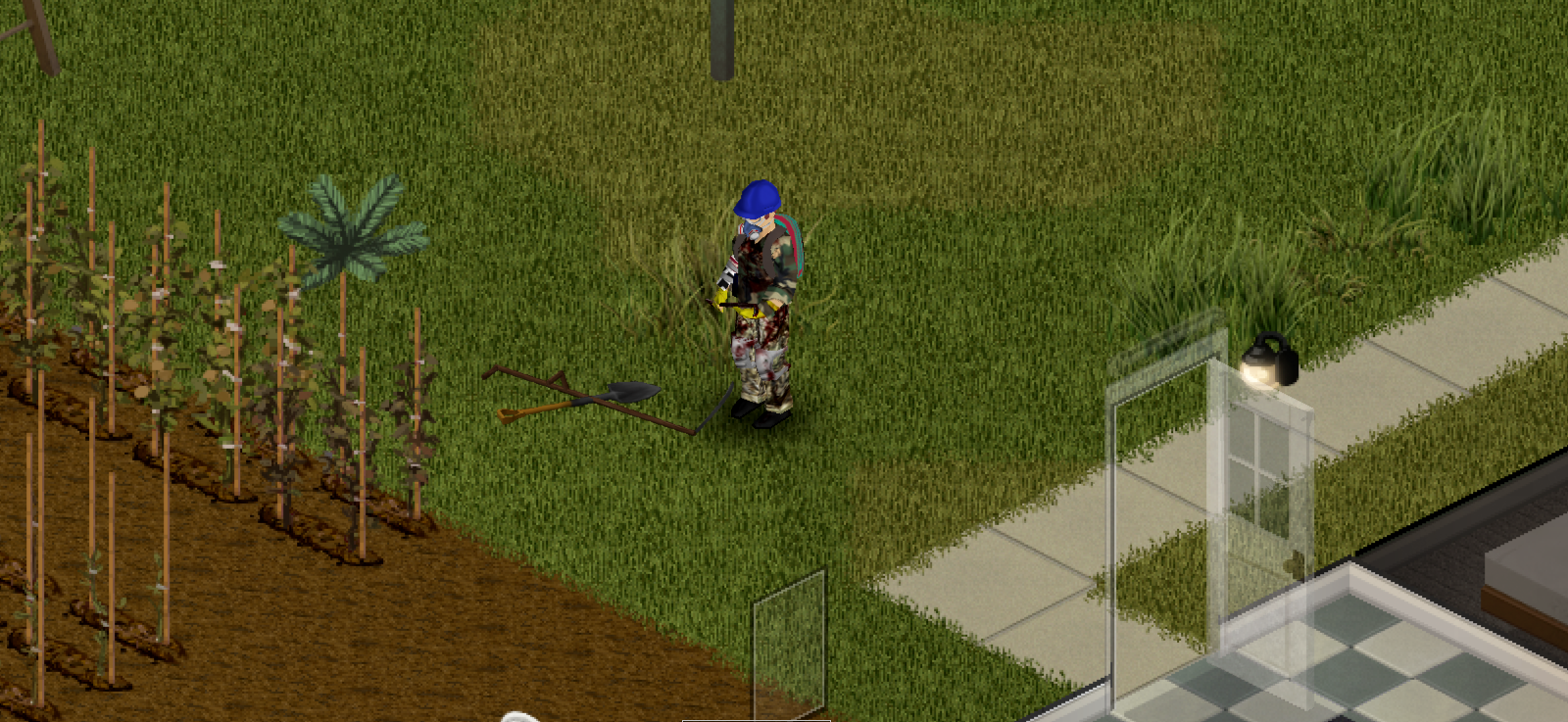
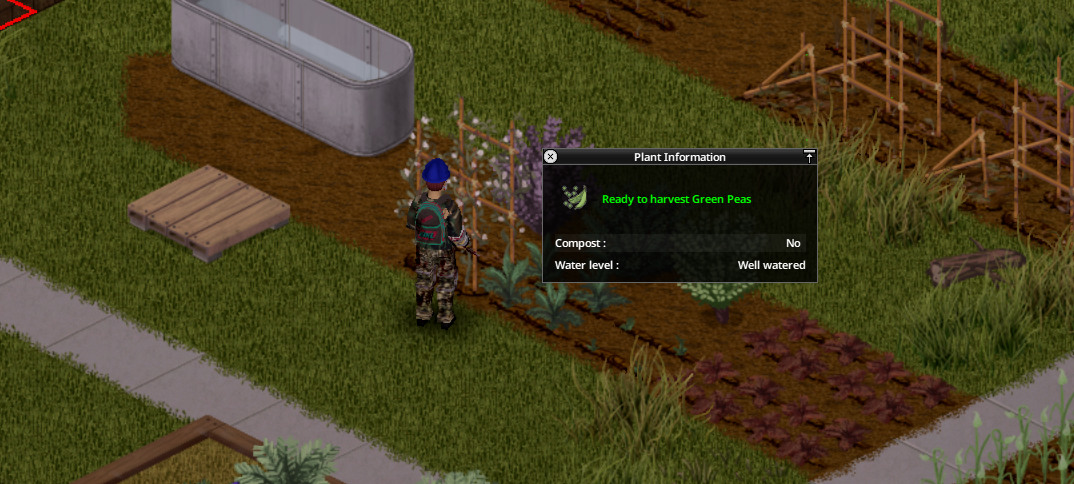
Farming is one of the best ways to produce renewable food in Project Zomboid, but the system has changed significantly in Build 42.20. Crops now have proper growing seasons, take longer to mature and require more planning than they did in Build 41.
In this guide, we’ll explain how to prepare a farm, choose the correct planting season, care for your crops, save seeds and preserve your harvest for long term survival.
Preparing to Start a Farm
You should begin collecting farming equipment long before you actually need to grow food. Seeds, gardening tools and farming literature can commonly be found inside sheds, warehouses, farm buildings and gardening stores.
To begin farming, you will need:
Seeds or another suitable planting material
A tool capable of preparing the soil
A container for watering crops
A renewable water supply
A safe outdoor area near your base
Fertilizer and compost are also useful once your farm begins expanding. Rotten food can be placed inside a composter and eventually turned into compost instead of being completely wasted.
Build your farm close enough to your base that you can inspect it regularly. However, avoid placing crops beside roads or areas with frequent zombie activity. Zombies and vehicles can trample crops, while blood and corpses will make maintaining the area much more dangerous.
Check the Planting Season
One of the biggest farming changes in Build 42.20 is the introduction of proper growing seasons. Crops now have preferred planting months, and many take considerably longer to grow than they did in Build 41.
Planting during an optimal month can improve your eventual harvest, while planting at the wrong time can produce unhealthy crops or cause them to wither and die completely.
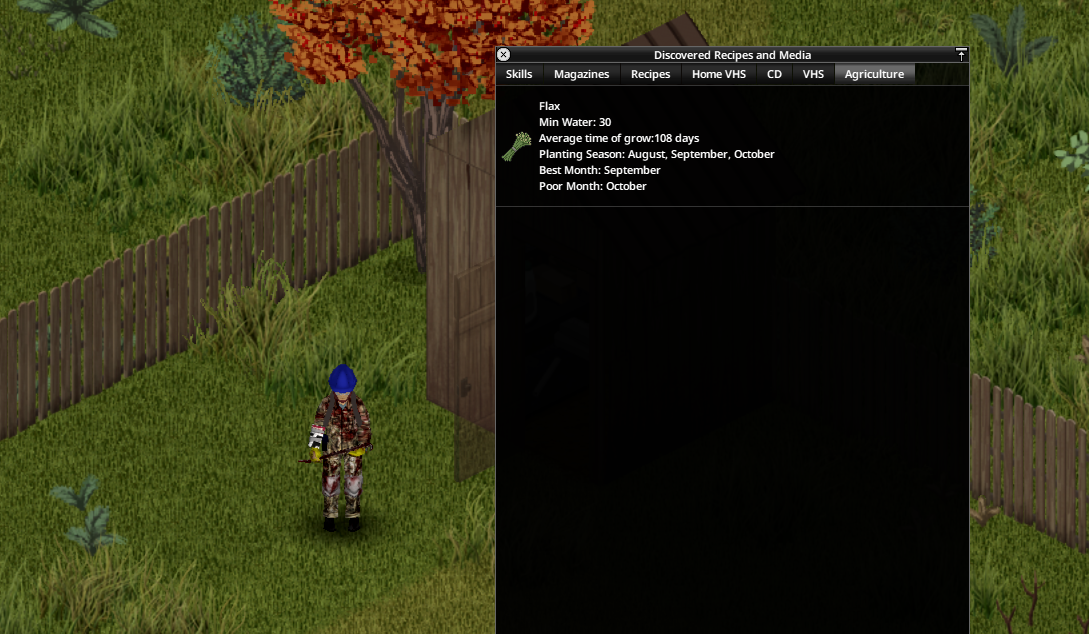
You can learn the correct growing seasons by reading seed packets and farming handbooks. Characters with suitable farming knowledge may already know the planting seasons for some or all crops.
Rather than relying on one crop, grow a mixture based on the current season, growth time, nutritional value and how easily each harvest can be stored. Always check the current month before using your limited supply of seeds.
Crop Growing Seasons
Vegetables and Field Crops
Crop
Planting Season
Best Months
Risky Months
Barley
August–October
September
October
Bell Pepper
April–June
May
June
Broccoli
February–July
March, June
July
Cabbage
February–July
March, May
July
Carrot
February–July
February, June
July
Cauliflower
February–April
March
April
Corn
March–May
April
May
Cucumber
March–May
April
May
Flax
August–October
September
October
Garlic
July–September
August
September
Green Peas
February–April
March
April
Hemp
August–October
September
October
Hops
August–October
September
October
Kale
February–August
March, July
August
Lettuce
February–April, July–September
March, July
September
Onion
February–March
February
March
Potato
February–April
March
April
Pumpkin
March–May
April
May
Radish
February–August
March, July
August
Rye
August–October
September
October
Soybeans
March–May
April
May
Spinach
February–July
March, June
July
Strawberry
February–April
March
April
Sugar Beet
February–July
March, June
July
Sunflower
March–May
April
May
Sweet Potato
May–July
June
July
Tobacco
March–July
March
July
Tomato
April–June
May
June
Turnip
May–October
June, September
July, October
Watermelon
March–May
April
May
Wheat
August–October
September
October
Zucchini
March–May
April
May
Herbs, Flowers and Medicinal Plants
Crop
Planting Season
Best Month(s)
Risky Month(s)
Basil
March–May
March
April
Black Sage
March–August
April–May
July–August
Broadleaf Plantain
March–August
April
June–July
Chamomile
March–May
April
None
Chives
March–August
April
June–July
Cilantro
March–May
April
May
Comfrey
March–August
March–April
June–July
Common Mallow
March–August
March–April
June–July
Habanero
April–June
May
June
Jalapeño
April–June
May
June
Lavender
March–May
April
May
Leek
March–September
None
None
Lemongrass
March–September
None
None
Marigold
March–May
April
May
Mint
February–April
March
None
Oregano
February–April
March
April
Parsley
February–April
March
April
Poppy
March–May
April
May
Rose
March–May
April
May
Rosemary
March–September
None
None
Sage
February–April
March
April
Thyme
February–April
March
April
Wild Garlic
July–September
August
September
How to Plant Crops
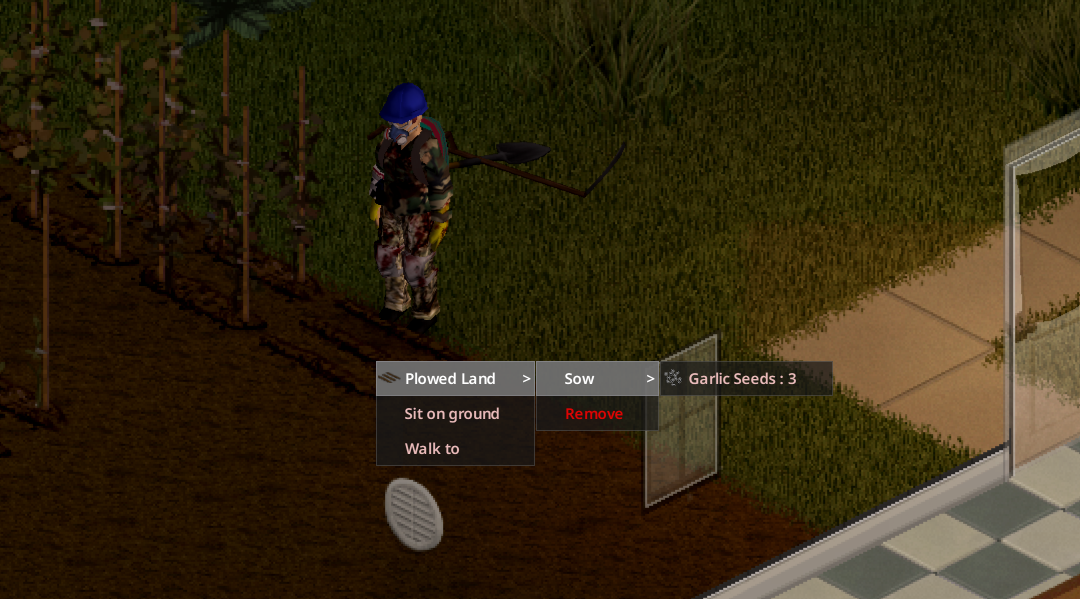
Once you have chosen a suitable location and confirmed that the crop is in season, use a gardening tool to prepare a furrow in the soil. You can then interact with the prepared tile and select the seeds you want to sow.
After planting, water the crop immediately. Rain will help keep outdoor crops watered, but you should still inspect them regularly during dry weather.
A nearby rain collector makes maintaining a large farm much easier after the water shuts off. You can also store filled watering cans, buckets and other containers near the field so you don’t have to carry water from your base every time.
Different plants can have different watering requirements, so avoid assuming that every crop needs exactly the same treatment. Inspect each plant and pay attention to any information your character can identify.
Caring for Your Crops
Planting seeds is only the beginning. Crops can become unhealthy due to a lack of water, disease, pests or being planted during the wrong season.
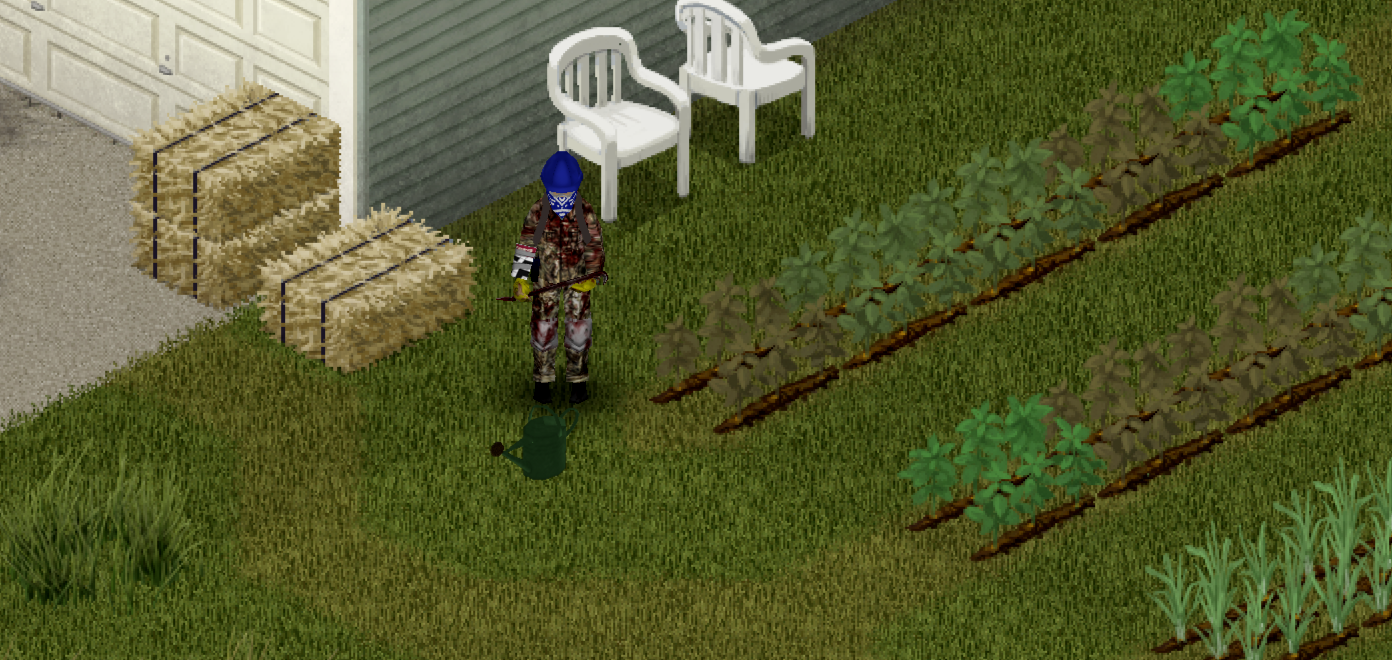
Check your farm regularly and look for visible changes in each plant. Build 42.20 includes different appearances for unhealthy, dying and trampled crops, making problems easier to notice before the plant dies completely.
Slugs and snails can also damage crops. Pest-control products can help deal with them, while plants such as Rosemary can provide some protection when grown nearby.
Keep compost or fertilizer available for crops that need additional care, and avoid planting every seed you own at once. If disease, bad weather or zombies destroy the field, you should still have enough seeds stored safely to try again.
Separating your crops into smaller patches also makes the farm easier to inspect and prevents one problem from ruining your entire harvest.
Harvesting and Saving Seeds
Harvest crops once they reach the correct stage, but remember that producing food and preserving planting material are not always the same thing.
Some crops have specific ways of providing the seeds needed for the following year. Potatoes can be planted using potatoes themselves, while crops such as Corn and Peas can be dried to create seeds.
Before eating or cooking your entire harvest, check what is required to grow that crop again. Always reserve enough suitable produce or seeds for your next planting season.
You should also stagger your planting instead of sowing the entire field on the same day. Planting several smaller groups at different times spreads out the harvest and prevents you from receiving more fresh food than you can use before it spoils.
Herbs can be particularly useful because many can be harvested without completely destroying the plant. They can continue growing and be harvested again later. Fresh herbs can also be used to propagate new patches, while some can be dried for longer storage.
Preserving Your Food
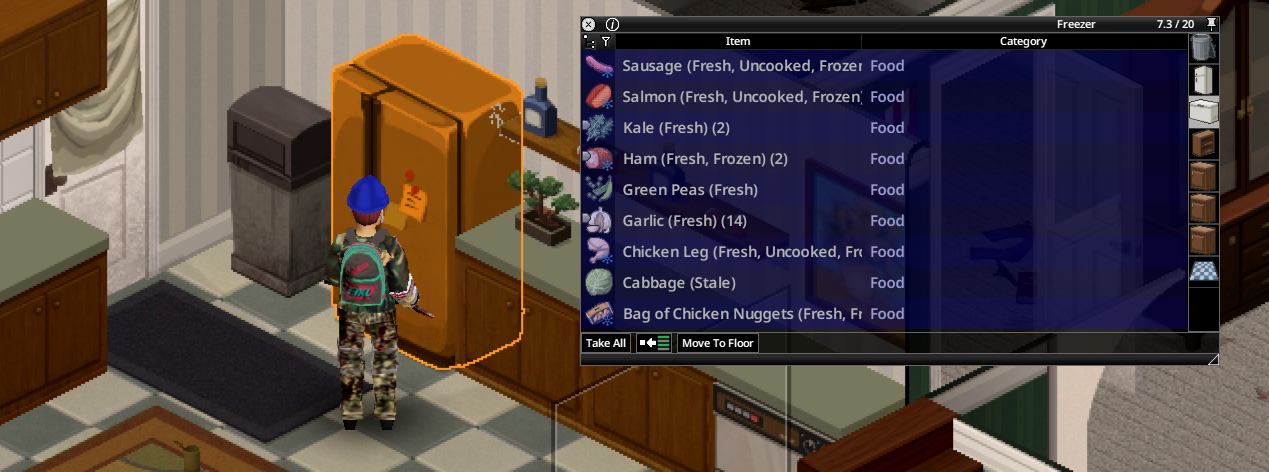
Producing a large harvest is only useful if you can prevent it from spoiling. Refrigerators and freezers remain valuable while you have electricity, either from the power grid or a generator.
Build 42.20 also includes additional food preservation methods and equipment such as drying racks. These can help you preserve suitable food without relying entirely on electricity, although you may need to find the correct recipes, skills or equipment first.
Cook and preserve surplus food whenever possible, rotate older items to the front of your storage and avoid harvesting more crops than you can use. Keep non-perishable food as an emergency reserve rather than eating it while fresh alternatives are available.
Maintaining Your Farm Long Term
A successful farm requires planning throughout the year. Crops can take months to mature in Build 42.20, so waiting until your cupboards are empty before planting may already be too late.
For a reliable long-term farm:
Plant crops during the correct season
Grow several different types of crops
Stagger planting dates to spread out each harvest
Maintain a renewable water supply
Inspect crops regularly for pests or other problems
Store seeds and planting materials for the following year
Preserve surplus food before winter
Never use your entire seed supply on a single planting. Losing one harvest to disease, poor weather or zombies could leave you without a way to restart the farm.
Once you understand the growing seasons and begin saving part of every harvest for replanting, farming becomes a dependable source of food. With enough preparation, you can greatly reduce the number of dangerous supply runs needed to keep your survivor fed.