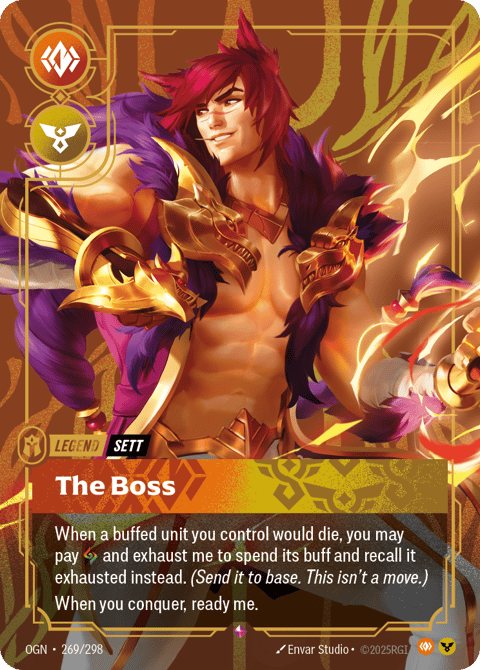
Buff
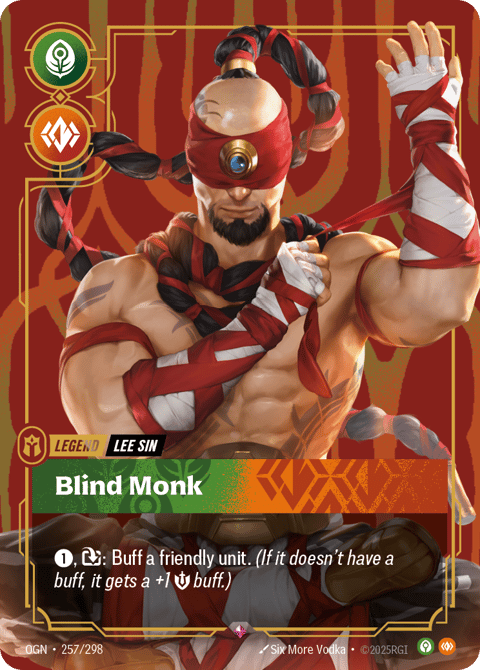
While the Buff mechanic is present within other Domains, the Body Domain has the largest availability by far. It’s one of the reasons its units are so formidable, as they have easy access to applying permanent Might increases.
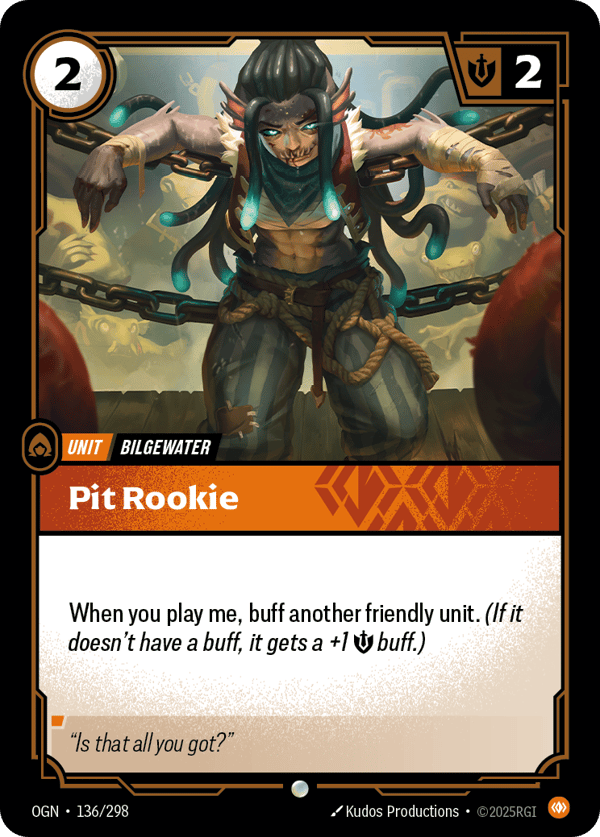
 Pit Rookie and Kinkou Monk are two good examples. Both of these can Buff other units, providing an excellent cost-to-Might ratio (3-Might for Pit Rookie, 6-Might for Kinkou Monk), assuming you have the appropriate targets.
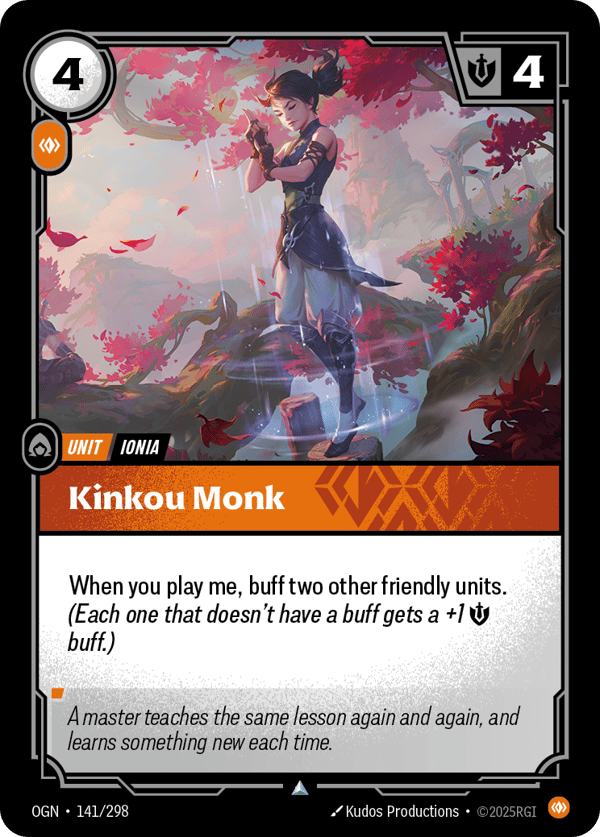
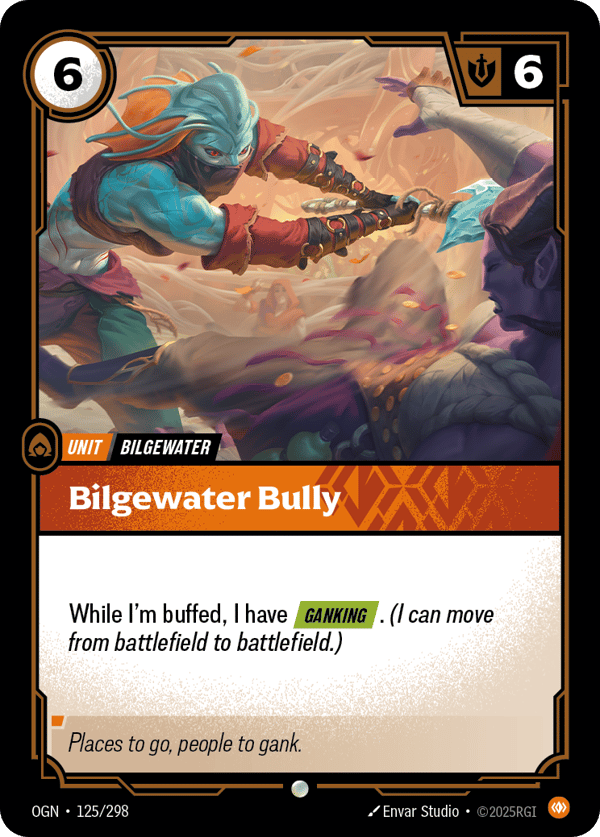
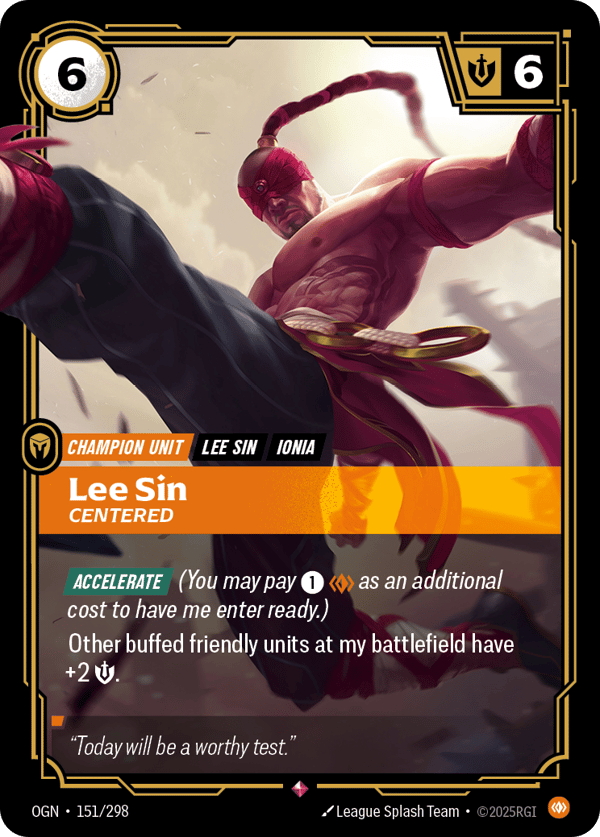
Beyond the base +1, there are other units that further take advantage of Buffs. For example, Bilgewater Bully gains the Ganking keyword, giving you more freedom of movement. Additionally, there’s Lee Sin, Centered who provides a substantial 2-Might bonus to other buffed allies at his battlefield.
Going one step further, there are also ways to manipulate Buff counters to gain an edge. Given the fact you can only have one Buff per unit, this is incredibly useful in order to capitalize on subsequent Buffs (which otherwise go to waste).
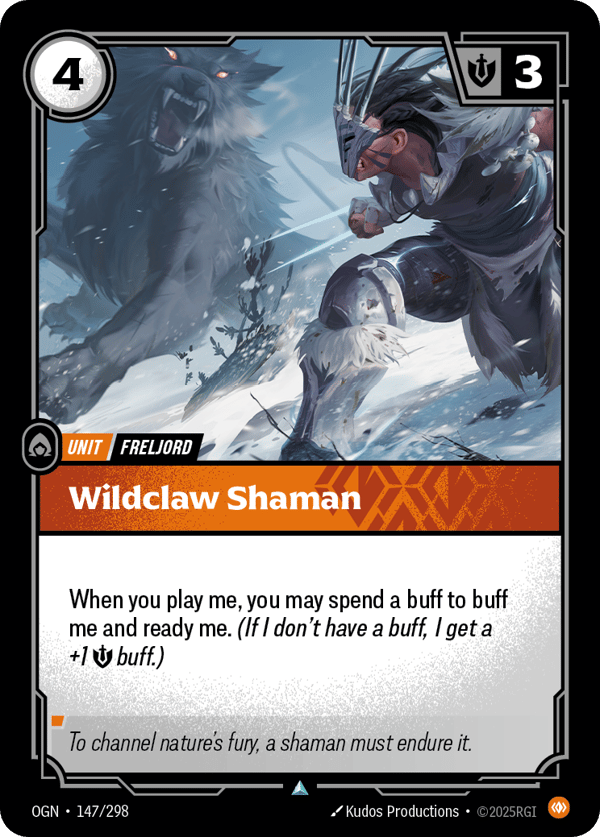
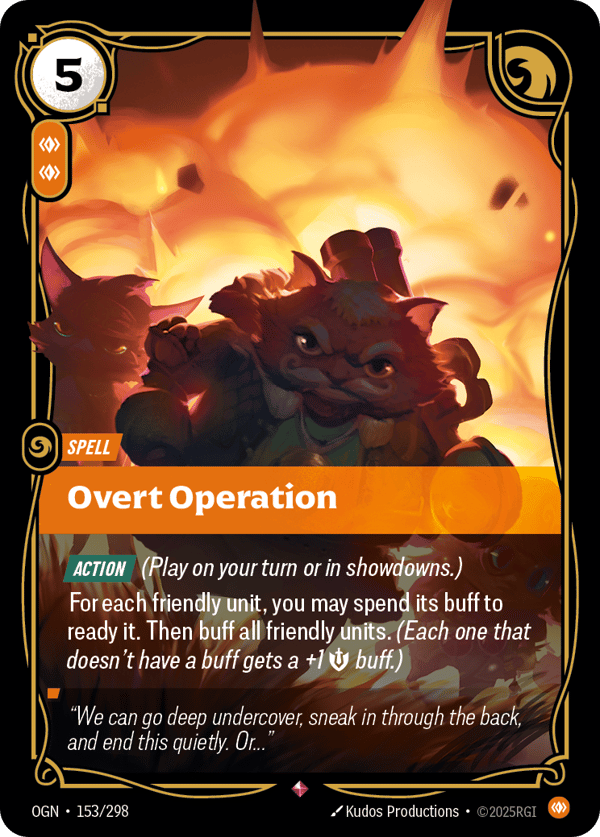
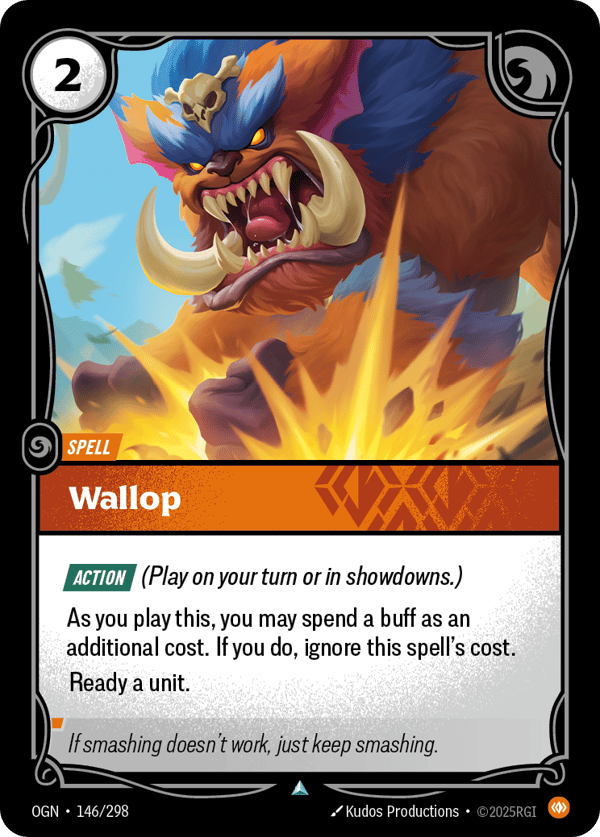
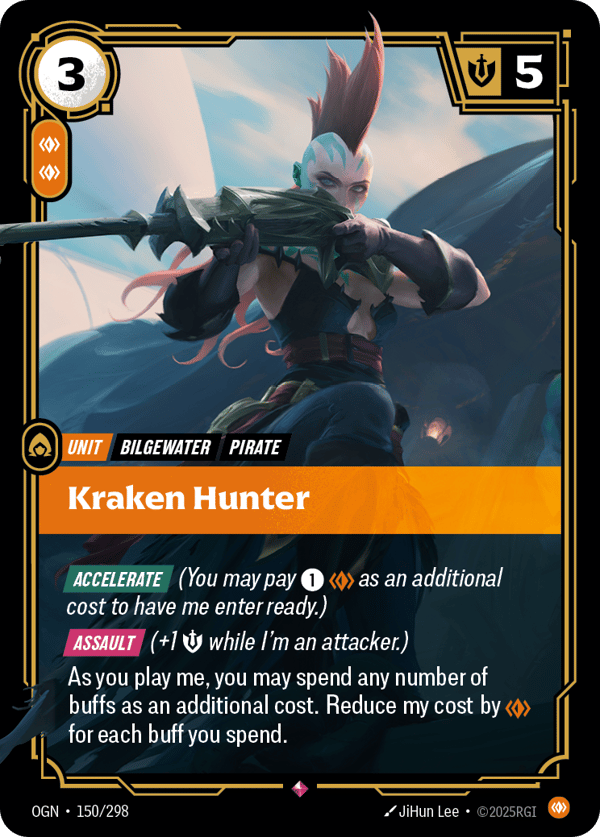
Cards like Wildclaw Shaman and Overt Operation can translate Buffs into Ready, making it much easier to traverse the battlefield. There’s also cost reduction effects built into Wallop and Kraken Hunter, giving you the option to trade Buffs for tempo.
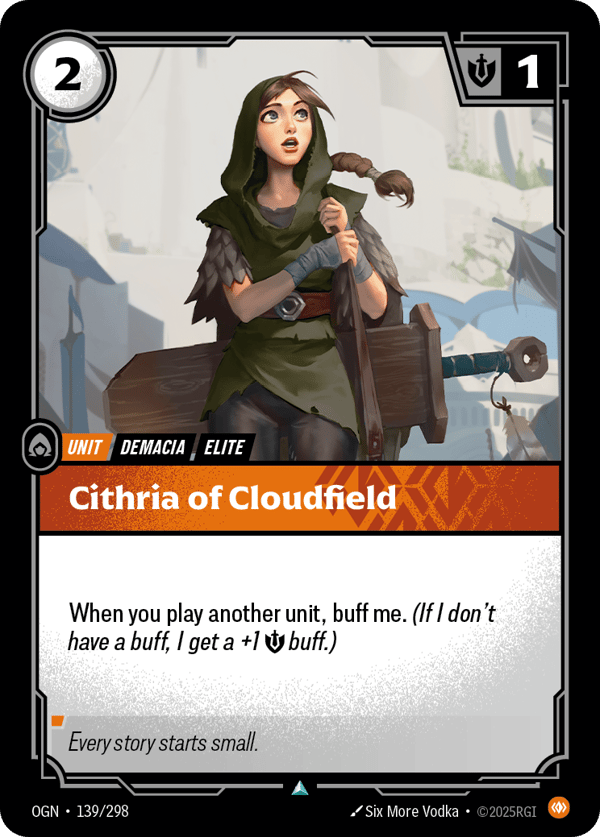
One final unit I’d like to highlight is Cithria of Cloudfield. While very simple on the surface, her passive ability allows you to continuously generate Buffs, provided you have ways to keep spending them. She’s essentially a 2-cost Buff engine, and will certainly be a staple of decks built around the mechanic.
As you can see there’s a lot to work with, and we’re only just scratching the surface. If you enjoy building up big board states full of units, you’ll feel right at home with this archetype.
Channel
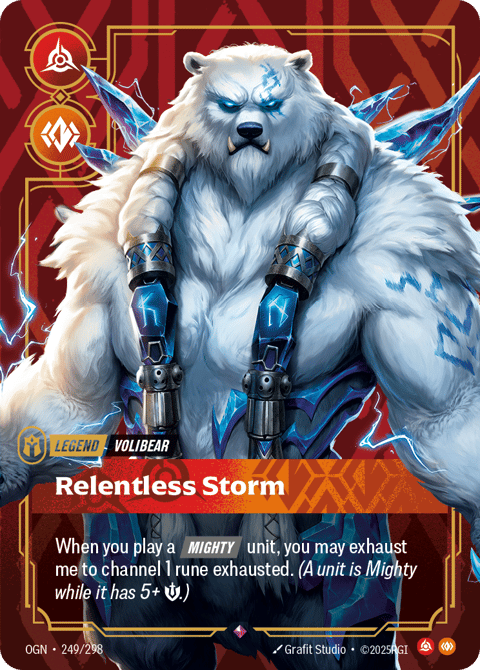
Like Buffs, Channel effects are also generally available, but definitely favor the Body Domain over others. This is due to the fact that a good number of Channel cards are conditional, whereas Body simply pays the cost and gets the effect.
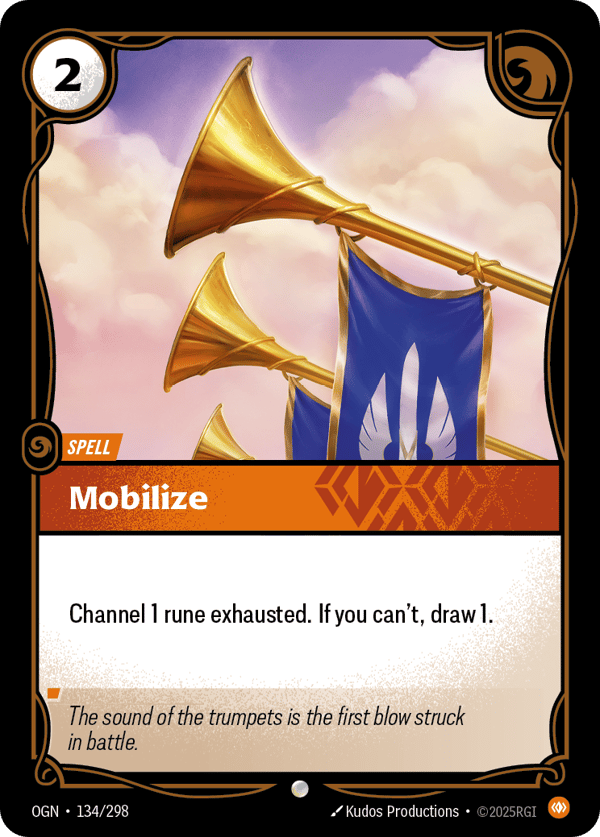
Mobilize is a straightforward spell that costs 2-Energy in exchange for Channeling one rune. It also has the benefit of drawing a card if you’re capped on runes, meaning it won’t be completely dead in the late game.
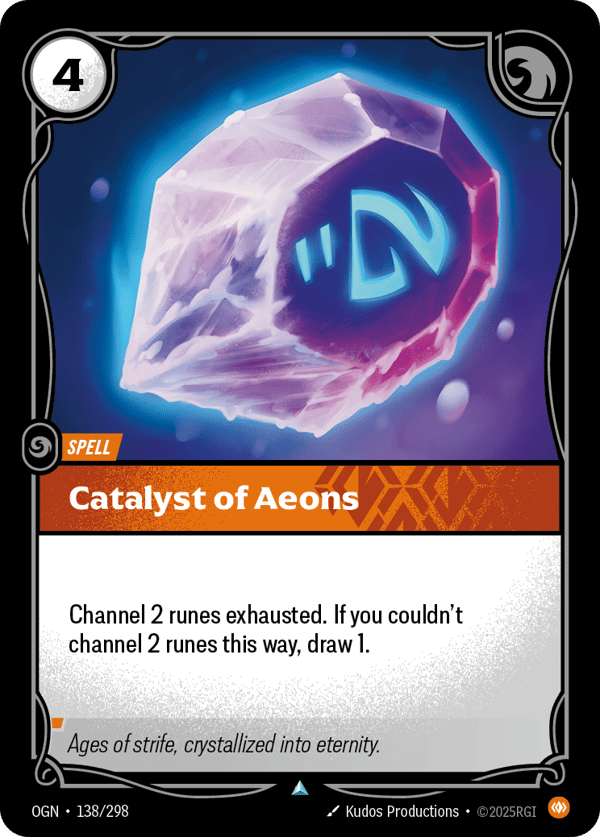
Even better is Catalyst of Aeons, a 4-Energy spell that Channels two runes, and maintains the same consolation prize that Mobilize has. This is a powerful effect that allows you to “ramp” ahead of your opponent, giving you access to playing high cost cards significantly sooner.
Channel is also built into units like Stormclaw Ursine and Qiyana, Victorious, providing even more options for those who want it (although having all of them is generally redundant).
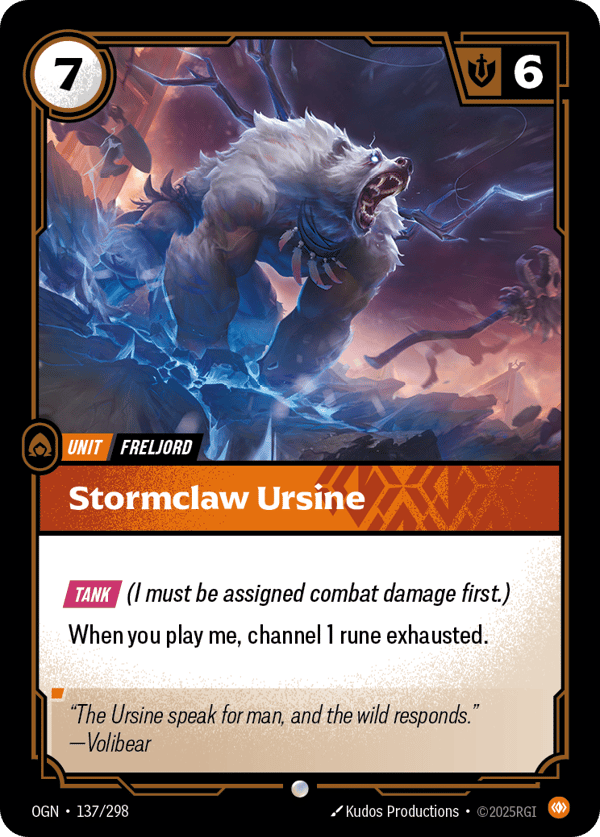
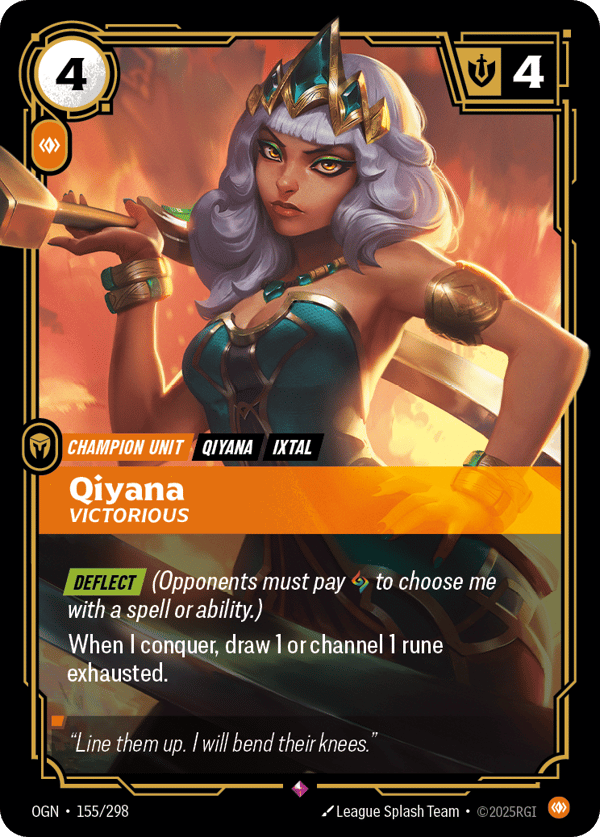
While not every Body deck will want these cards, their existence alone definitely shapes the way that many decks are constructed. If you’re looking to go big ASAP, Channel is a no-brainer.
Ready
Having units that can move immediately is a huge advantage in Riftbound. When you aren’t already in control of a battlefield, it can often feel like you’re playing a turn behind (since every unit enters Exhausted by default). The Ready mechanic solves this, letting you dive right in.
Conveniently for the Body Domain, Buffs go hand-in-hand with Ready. We already looked at three great examples above with Wallop, Wildclaw Shaman, and Overt Operation. However, there is a unique gear that takes this to a whole new level.
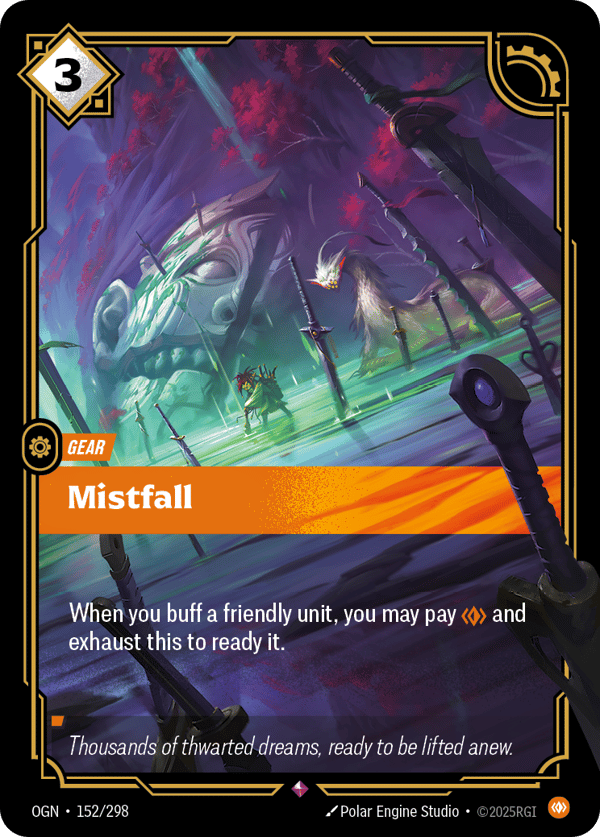
Mistfall allows you to Ready a unit as it gets Buffed for the cost of 1-Power. This can be utilized on each of your turns, functioning as a repeatable source of Ready. This gives the player a great deal of control, allowing them to dictate the pace of the game.
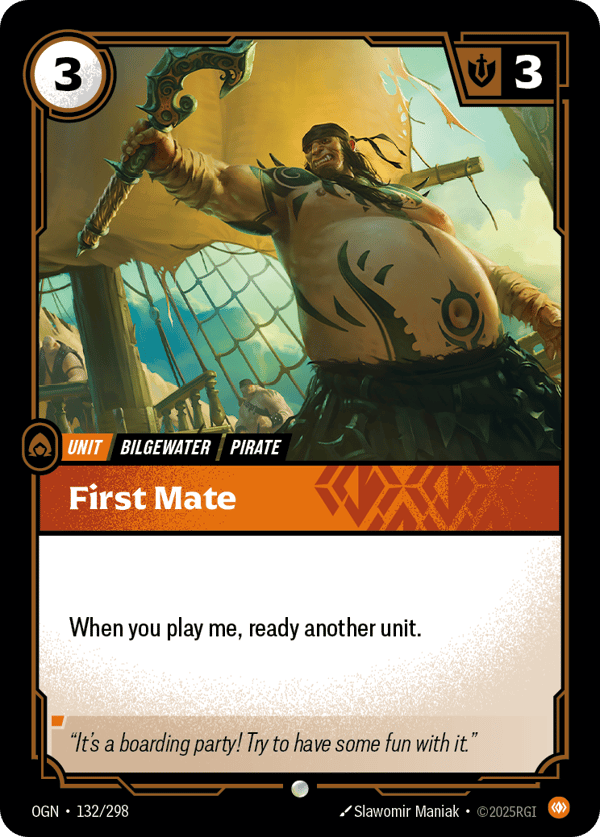
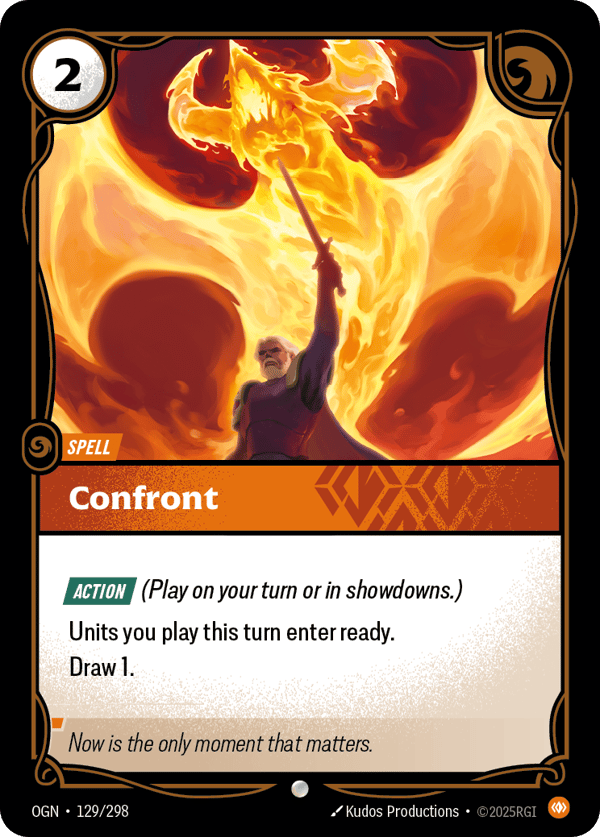
Synergies aside, it can still be worth running the generic choices to grant you more interactive tools at your disposal. First Mate and Confront are flexible and easy, making them a solid consideration for a wider range of decks.
Overall, you really can’t go wrong with Ready. Speed is always a welcome addition, so by all means take advantage of it when you can!