Bounce
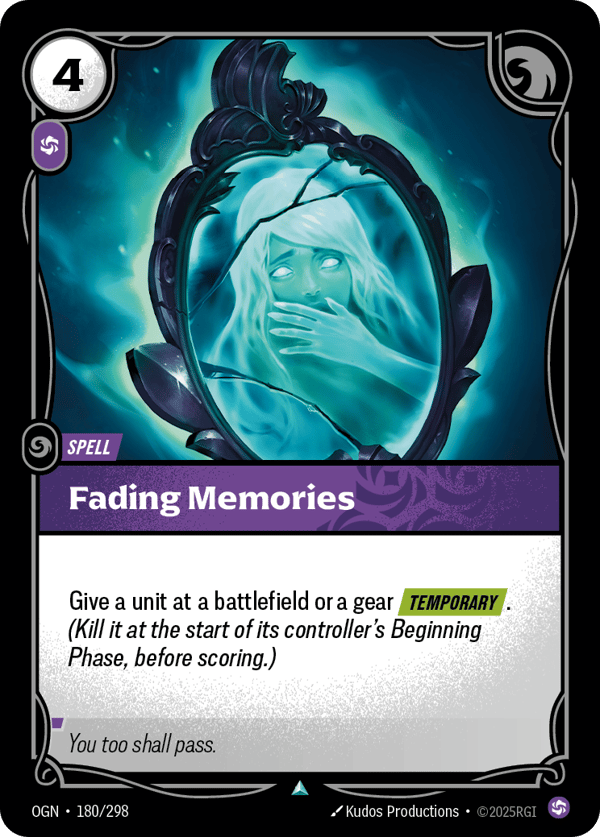
“Bounce” effects (returning a unit from play to hand) are a great way to get ahead on tempo. While they aren’t a permanent form of removal, their flexibility and efficiency make them a great catch-all in many scenarios.
Most of the time they’re used to set back the opponent, either to protect your units or deny them from scoring. However, you can also choose to target your own units if the situation calls for it.
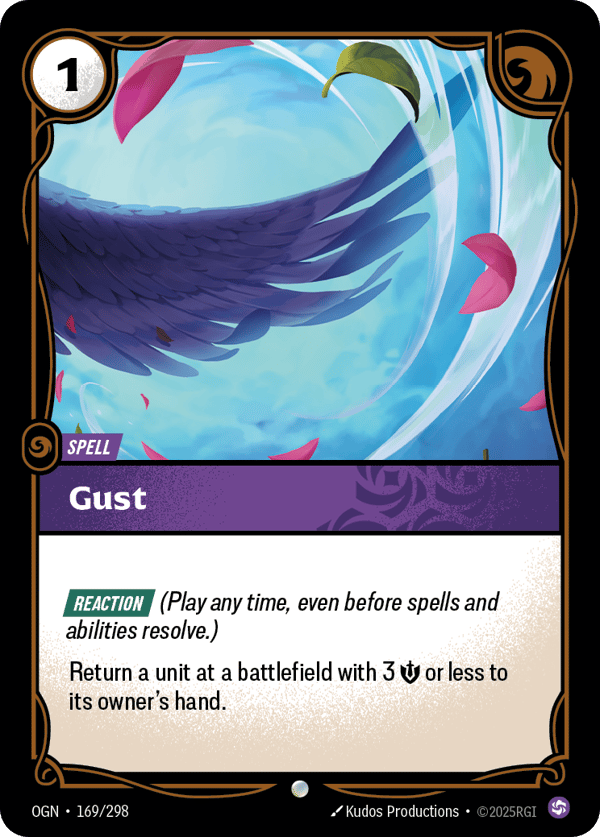
Let’s take a look at  Gust. For the incredibly low cost of 1-Energy, it can send back a unit with 3-Might or less. This is great for dealing with units in the early game, and can also swing later showdowns (with multiple units) in your favor.
However, it can fall victim to combat tricks. Any Reactions that increase the target’s Might in response (and put it above 3) will cause the Gust to fizzle, denying the spell. So try to time it appropriately to avoid being punished.
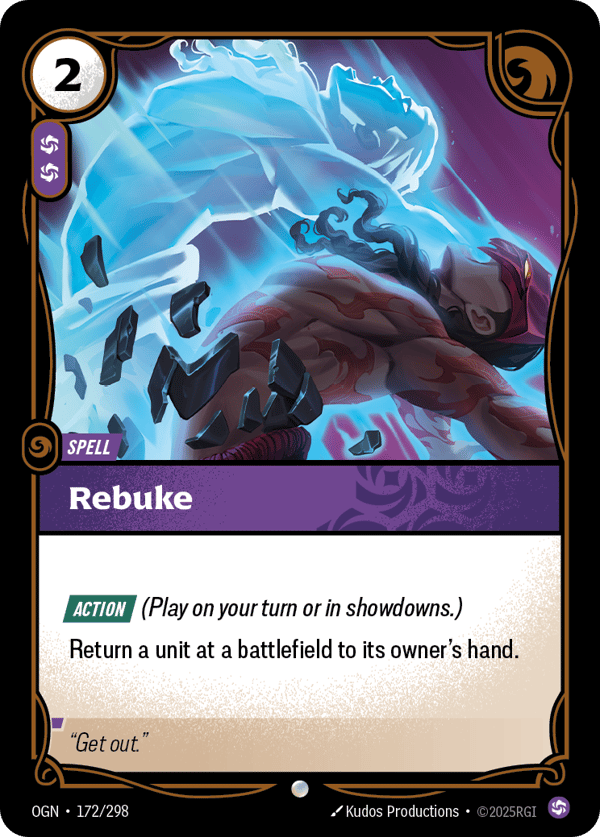
Rebuke is an alternative bounce spell that has zero targeting restrictions, but comes at Action speed. This can pick off any unit at a battlefield, making it very good at dealing with bigger threats. That said, 2-Power is a lot, so it’s better to avoid smaller units when possible.
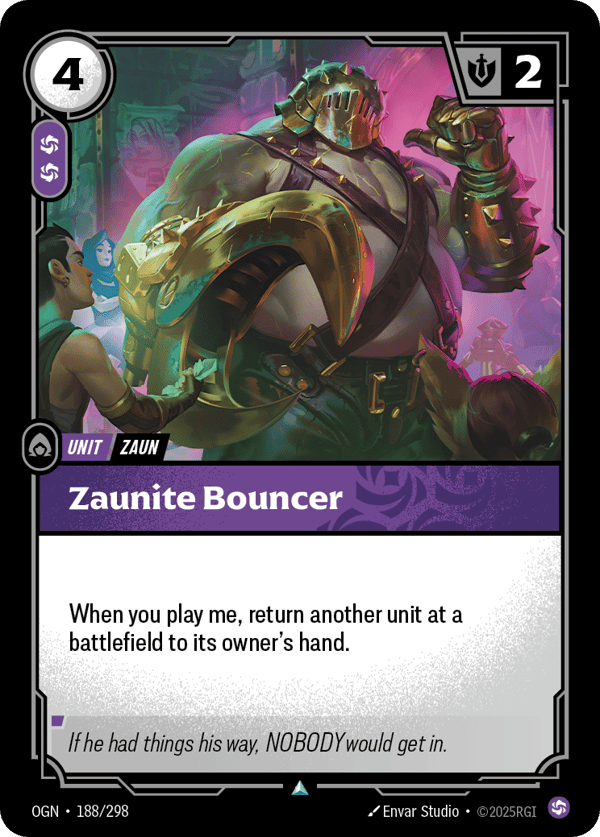
One last card I’d like to showcase is the Zaunite Bouncer himself. This is effectively Rebuke stapled onto a unit, allowing you to develop your board while simultaneously removing an enemy. At 4-Energy/2-Power it’s a bit expensive, but chances are the opponent will have to spend a lot more in order to come back.
Movement
Chaos is by far the most mobile Domain in Set 1. They have several tricky ways to traverse the battlefields, and can interact with both friend or foe.
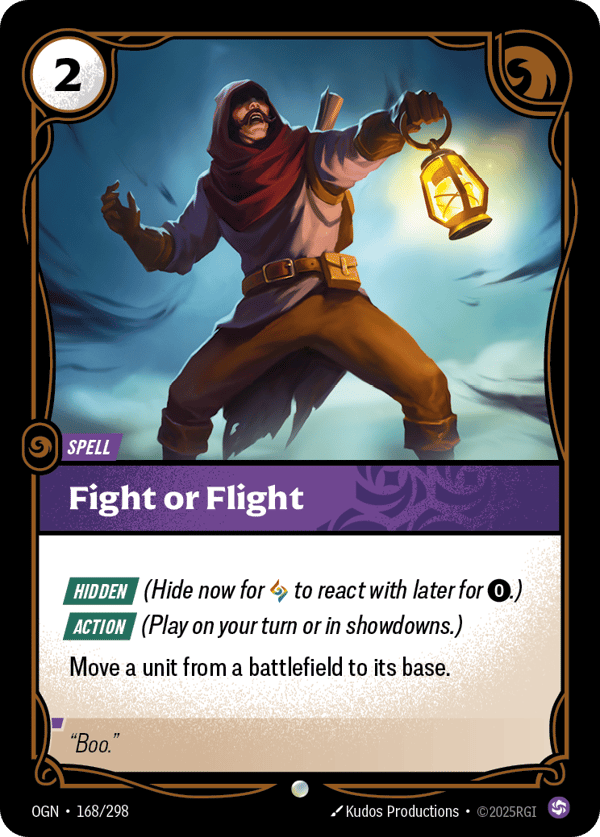
Fight or Flight is one example that kinda feels similar to a bounce spell. While it doesn’t actually return a unit to hand, forcing it off the battlefield is often close enough. It’s solid at Action speed, and gets even better when played from Hidden.
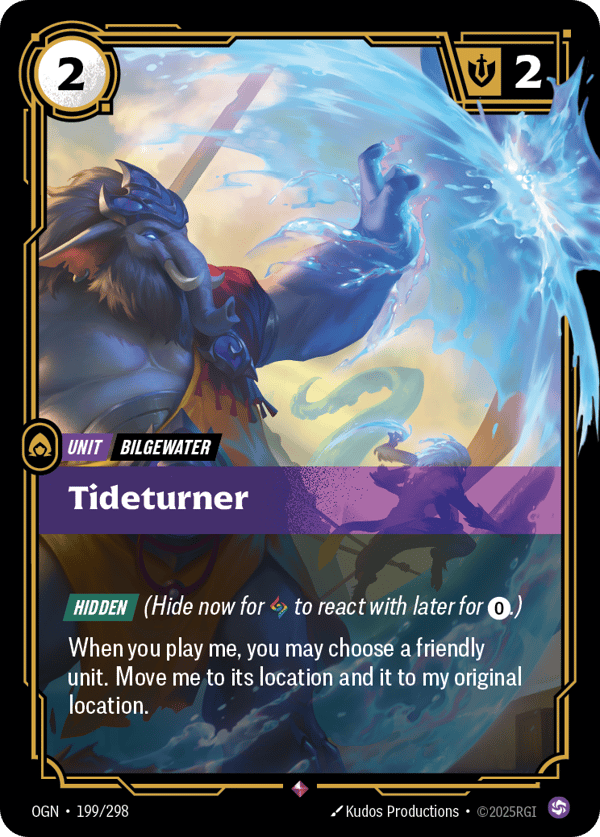
Speaking of Hidden, Tideturner is another card with an interesting movement ability. Its unique swap effect can lead to some crazy interactions, allowing you to sneak in more Might at the opportune time. While situational, it can definitely create some fun “gotcha!” moments.
As you can already see, having more ways to move can create a lot of unexpected events, but it doesn’t stop there. On top of those shenanigans also exists ways to score points during the opponent’s turn. Behold, Ride the Wind!
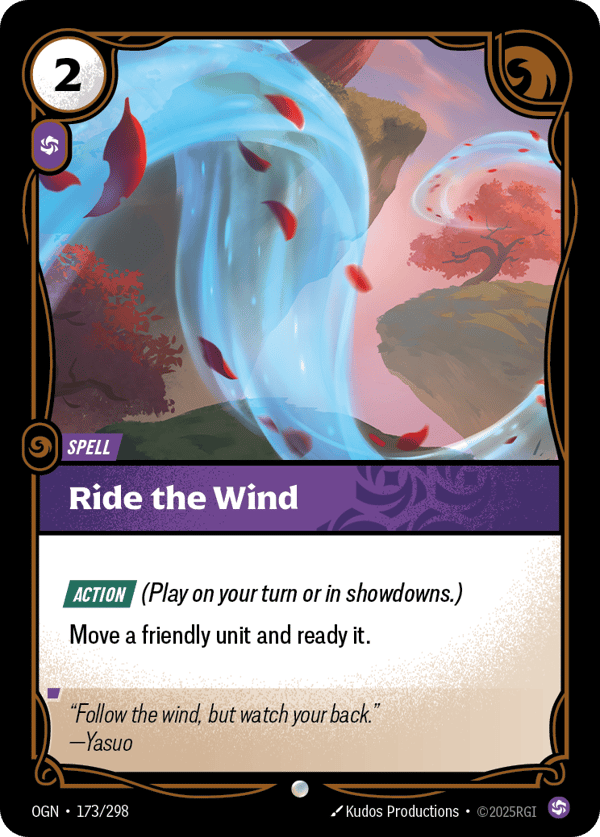
This 2E/1P Action spell may look rather innocent on the surface, but don’t underestimate it. Action speed makes it playable during showdowns, giving you an opportunity to sneak in a unit when your opponent least expects it.
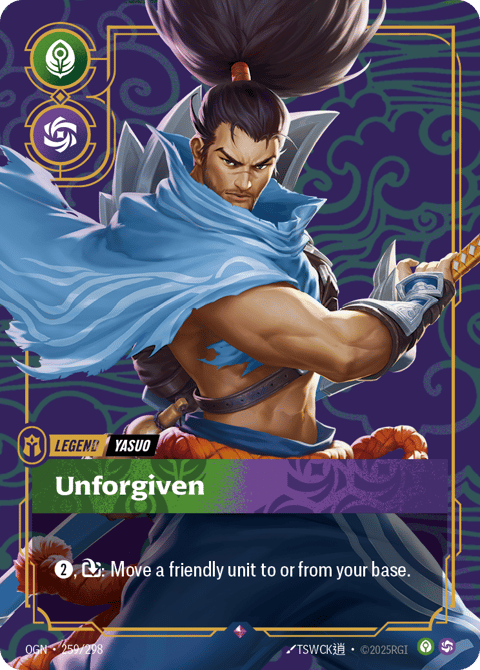
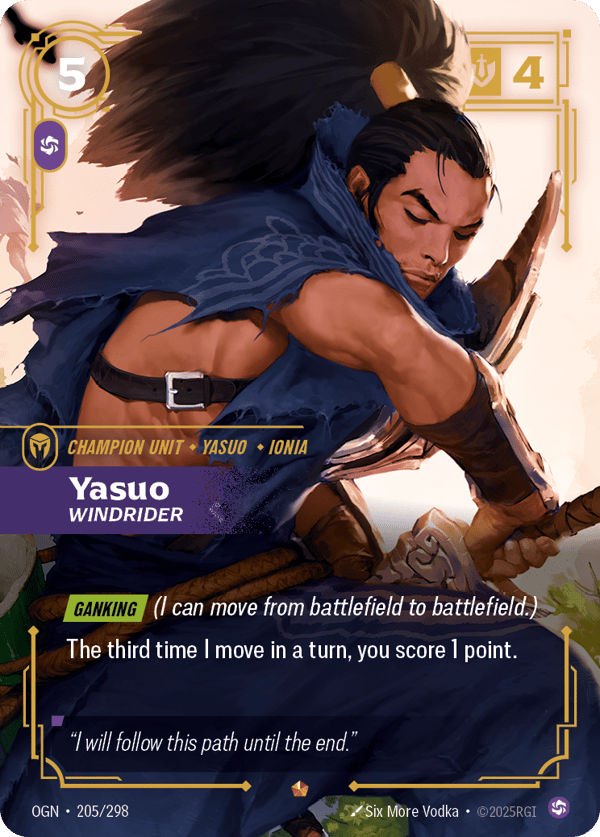
While there’s still a window to respond, this cheeky spell can lead to some surprise victories. And if you want to take it a step further, try to exploit this movement to trigger Yasuo, Windrider's ability!
Movement aside, Chaos has one other slippery angle of attack. A few units are able to bypass the normal rules of play, and simply jump straight to an open battlefield.
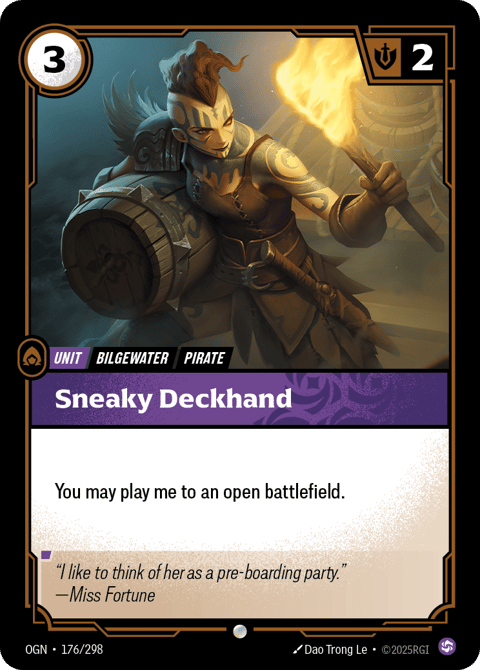
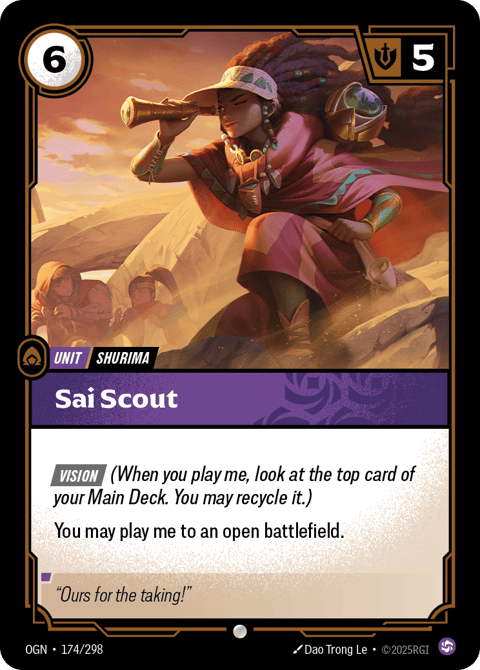
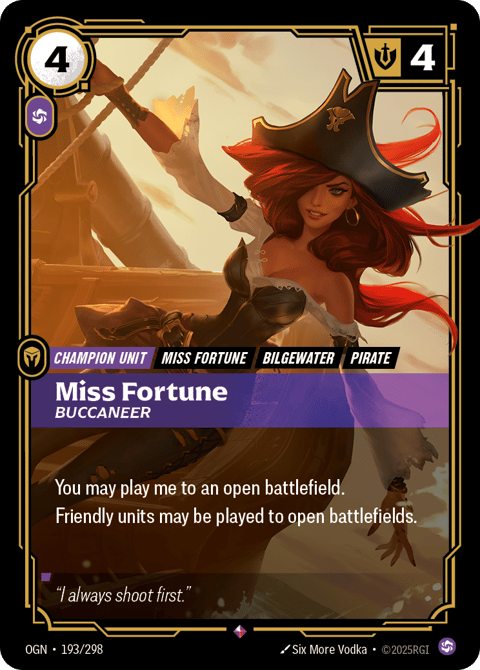
Sneaky Deckhand and Sai Scout skip right to the (open) showdown, giving players an easy way to score when the opponents’ guard is down. Miss Fortune, Buccaneer shares the same effect, while also granting it to the rest of your allies!
Overall, having additional movement can create a lot of interesting dynamics. It provides a lot of room for skill expression, rewarding players who can capture the perfect timing.
Trash Manipulation
While the Trash is usually just a bin of lost cards, for Chaos, it’s an entirely separate resource. This is because they have many ways to interact with the Trash, either by returning the card to hand, or even putting it directly into play!
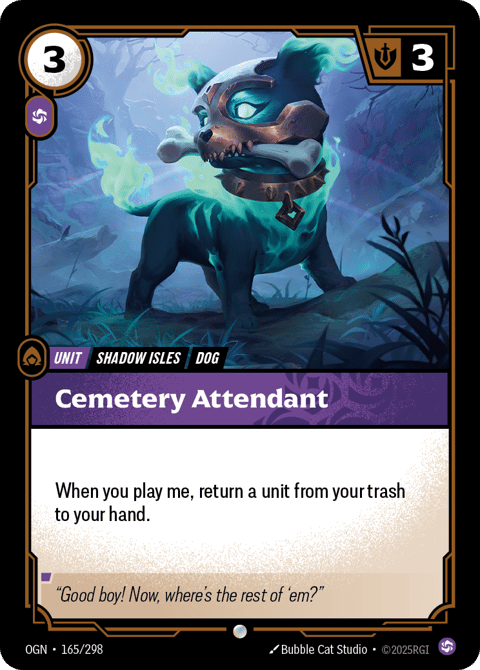
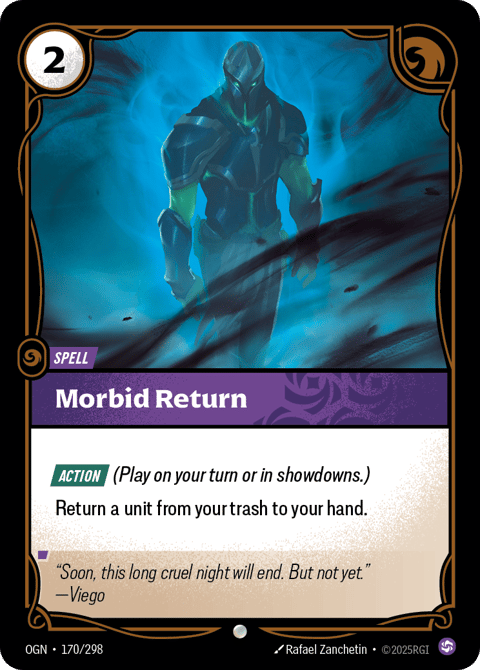
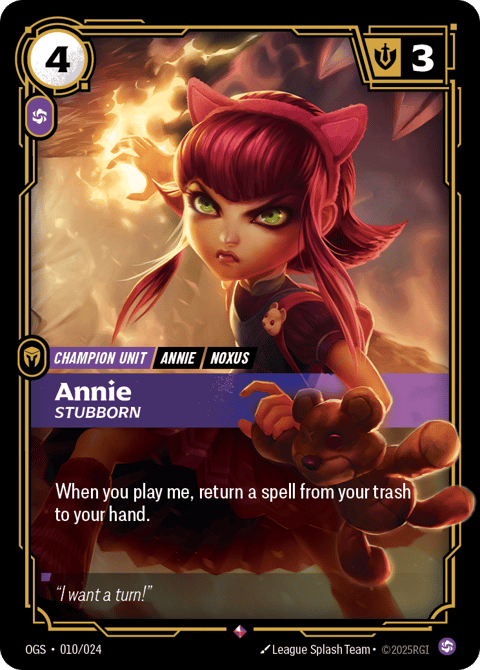
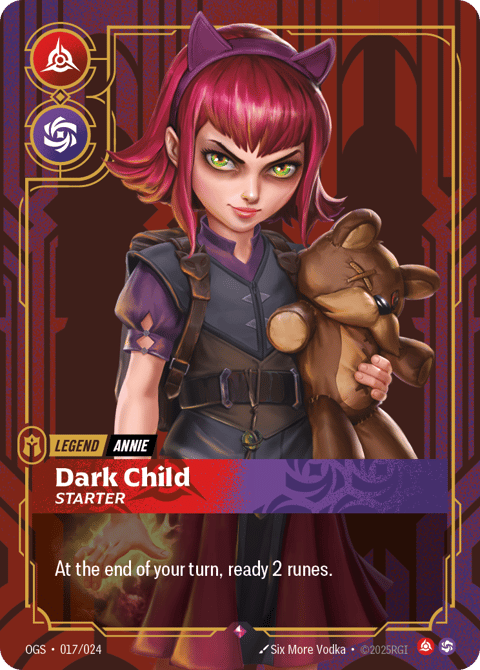
Cemetery Attendant and Morbid Return are two basic examples. Both have the ability to return a unit from Trash to hand, giving you a second chance to play the card. Annie, Stubborn has the same effect but for spells, which can be incredibly useful for recurring spent removal.
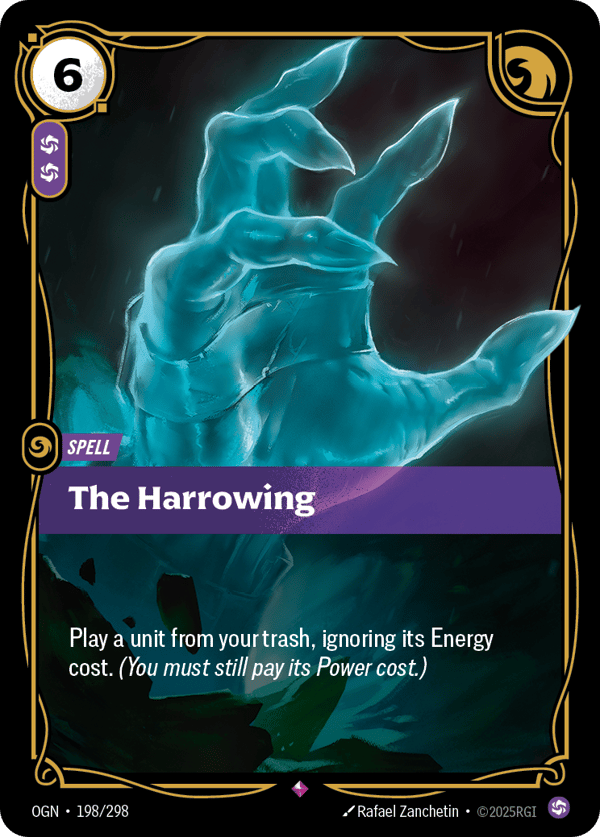
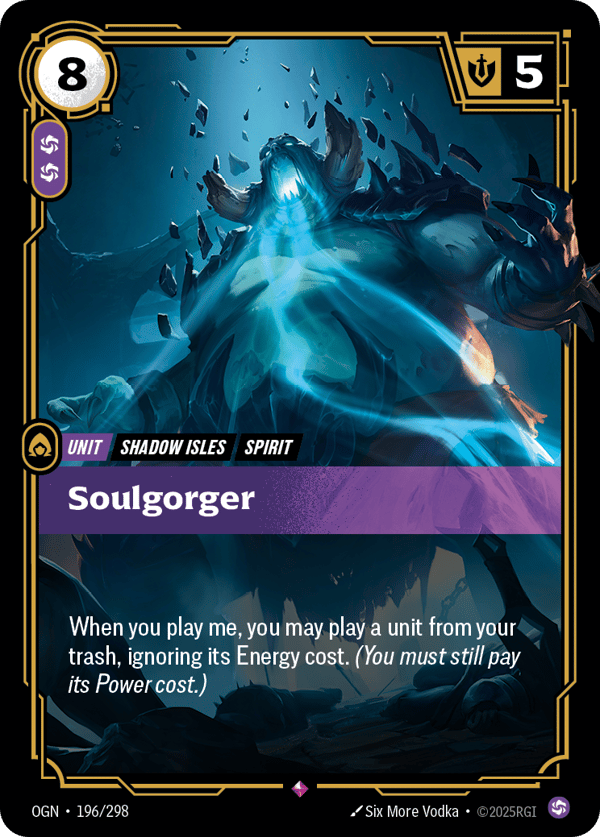
Beyond that, there’s The Harrowing and Soulgorger which resurrect units from the dead. This can be a way to cheat high cost units into play much earlier, assuming you have a way to discard them ahead of time.
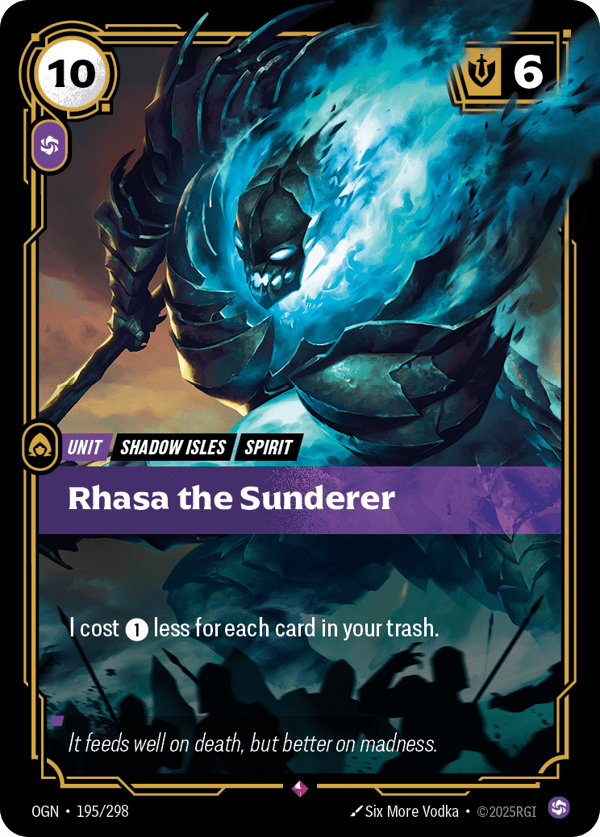
On the subject of discarding, the more you have in your Trash, the easier it becomes to play cards like Rhasa the Sunderer. With a full bin, it’s even possible to get 6-Might for just 1-Power, which is a pretty insane tempo play.
It’s hard to argue against the value of reusing past cards. Regardless of whether or not you decide to build around the recursion, having the option to bring stuff back opens the door to more creative deckbuilding.