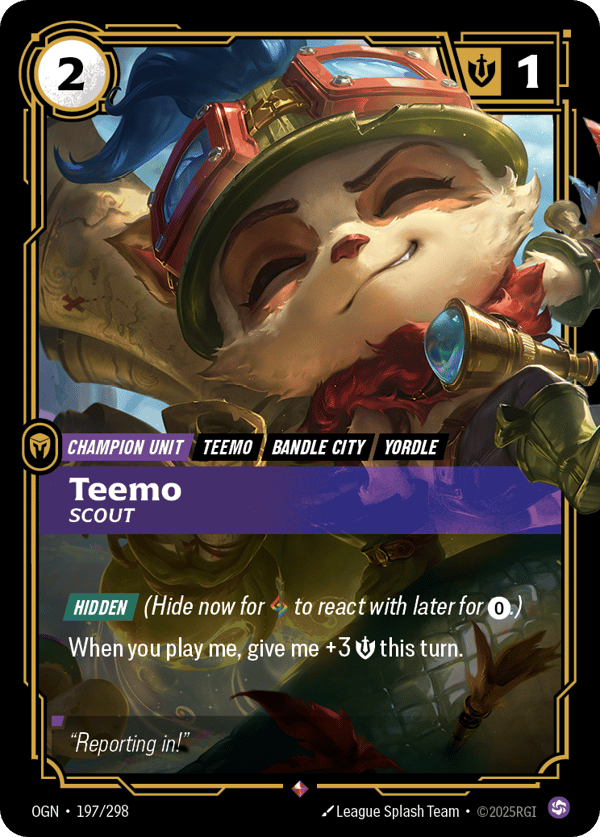
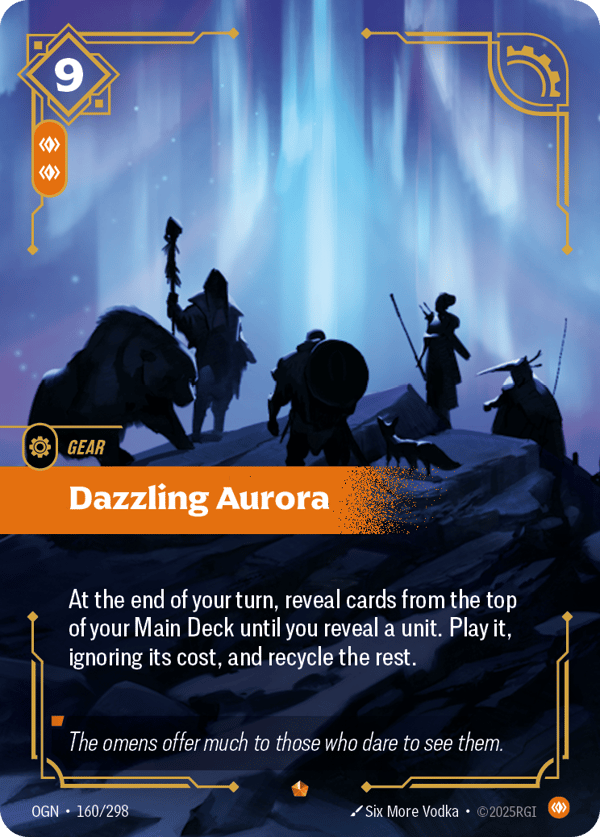
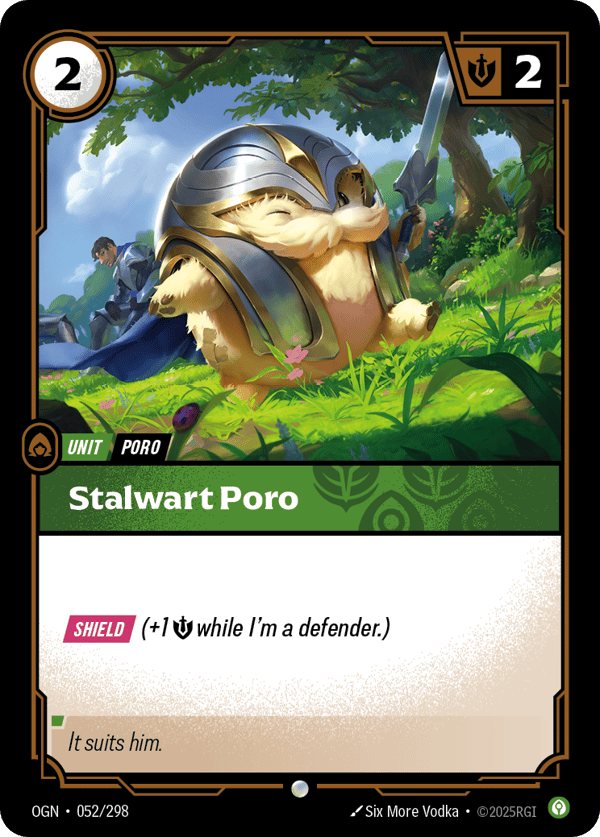
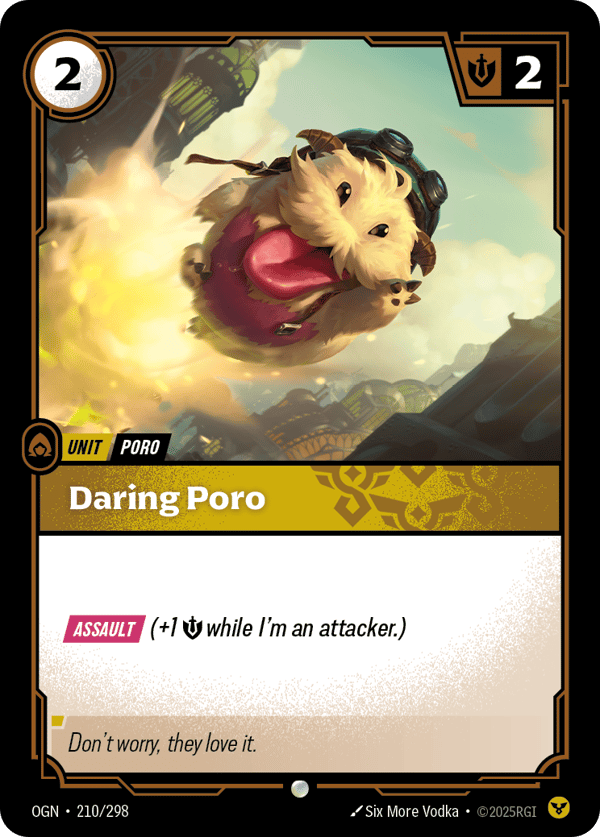
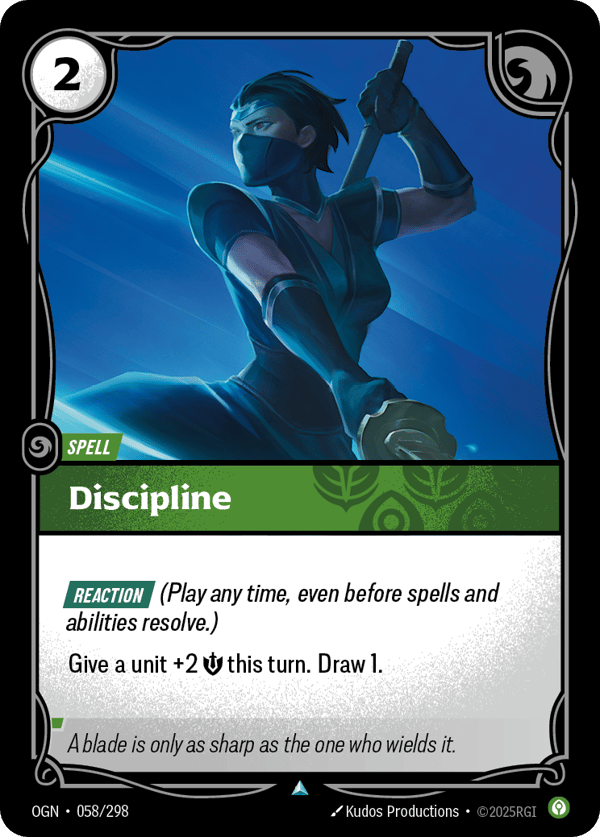
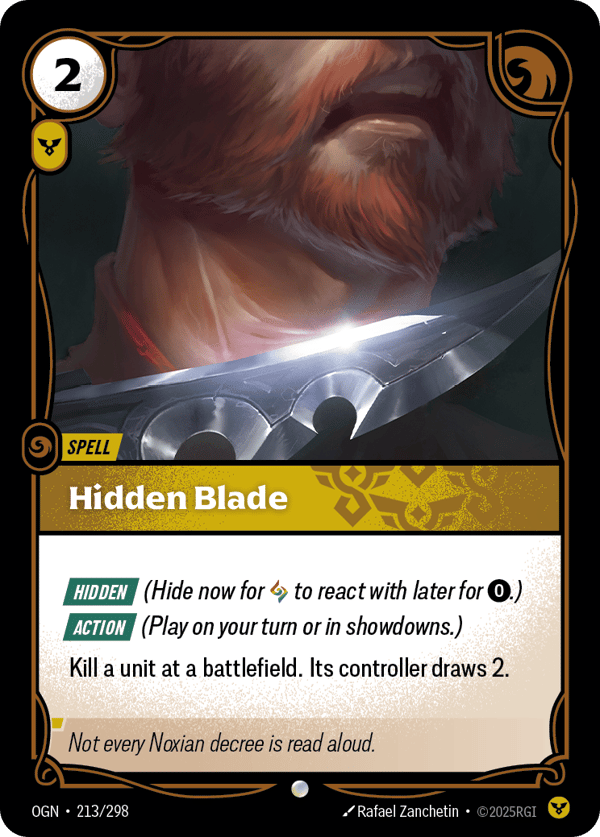
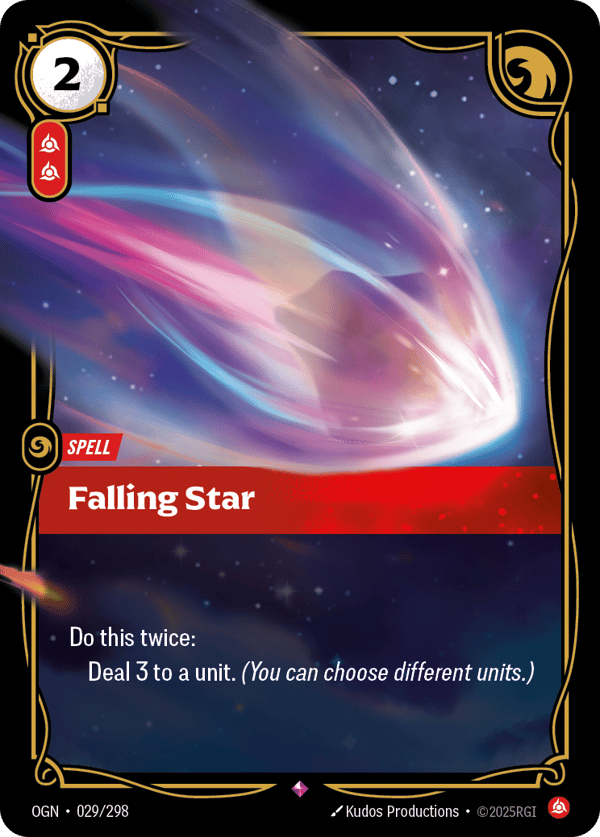
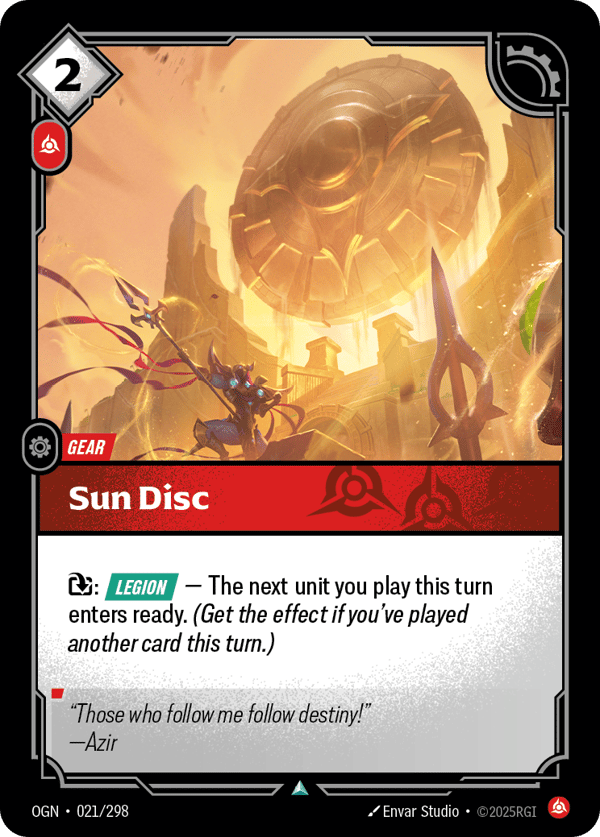
Before we wrap this up, there’s a handful of things that are worth considering to help you round out your deck. While most of these do come up throughout the deckbuilding process, it’s still possible to miss something when all is said and done.
Win Condition
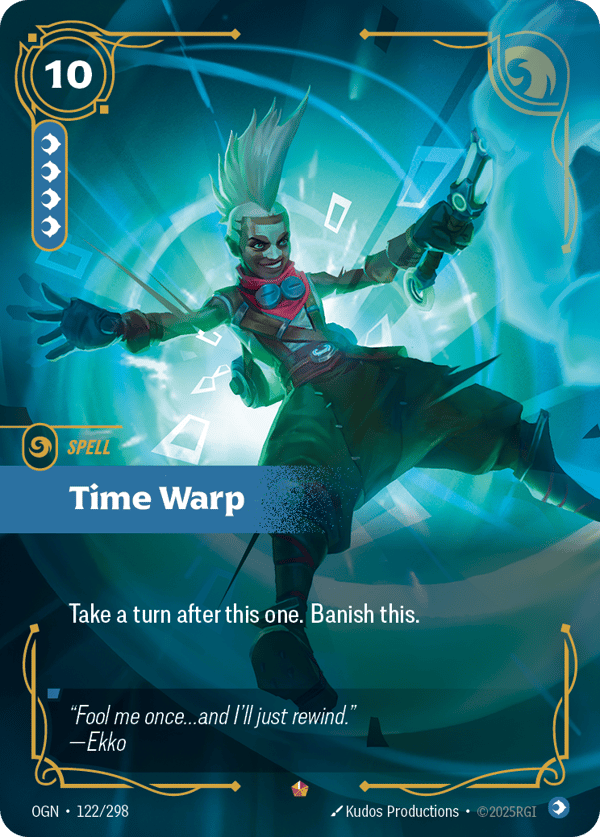
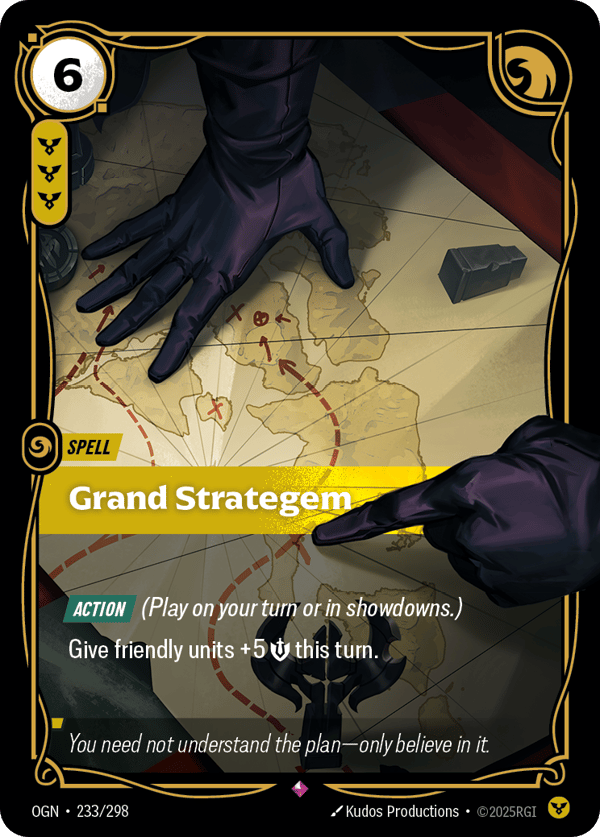
It should go without saying, but you’ll always want to have a win condition in mind. Oftentimes this will be your stronger units/champions, but in some cases it could be a spell (ex.  Grand Strategem). Regardless, it never hurts to check and ensure you have the tools to close a game.
Card Draw
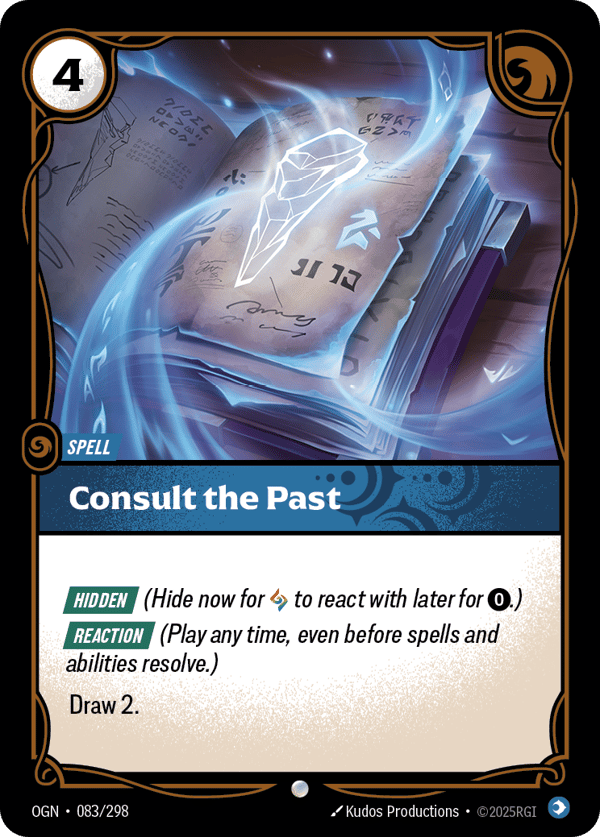
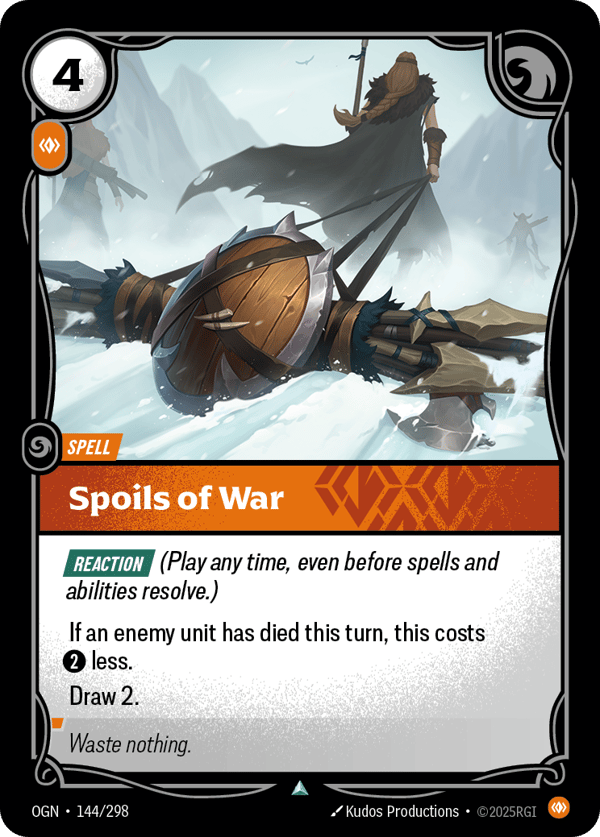
Almost every deck will want at least some form of card draw. Some colors obviously have greater access than others, but do your best to at least include something. It’s never fun to run out of steam and be stuck drawing one card per turn.
Power Costs
You’ll want to pay close attention to the amount of Power cards in your deck. Having too many can lead to awkward play patterns, forcing you to Recycle runes when you may not want to.
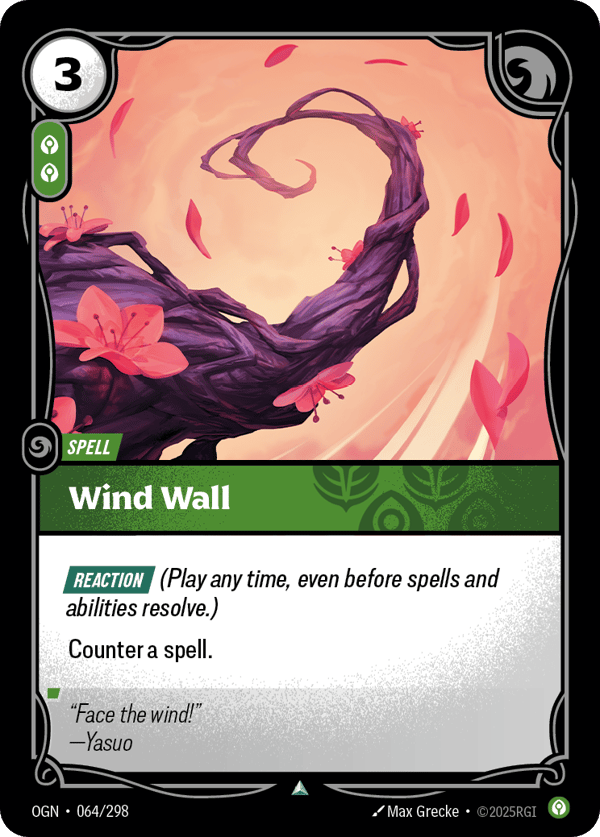
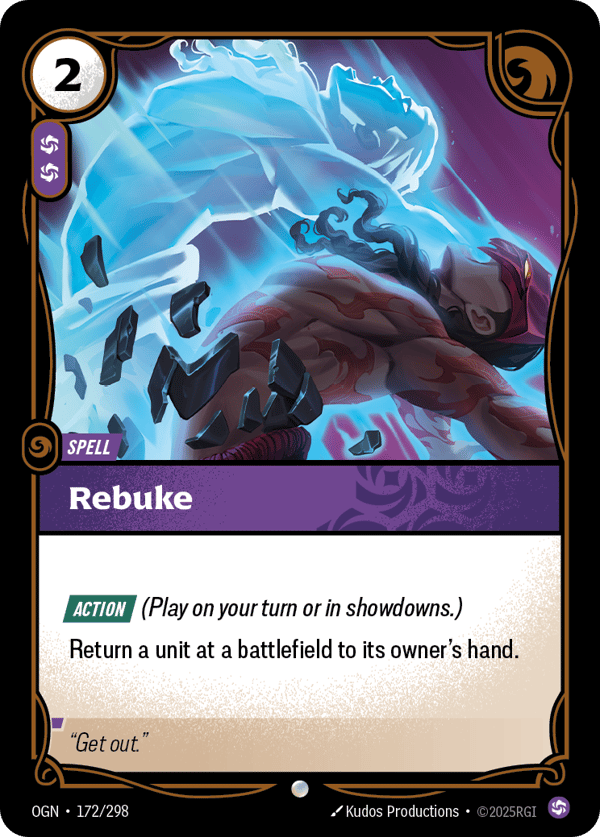
Figuring out the appropriate amount will take some testing, but it’s definitely something to look out for when piecing the deck together.
Quantities
Part of optimizing your decklist comes down to the number of each card you decide to include. As a rule of thumb, if you want to see a card every game (or don’t mind drawing multiples), you’ll want to have three copies of it.
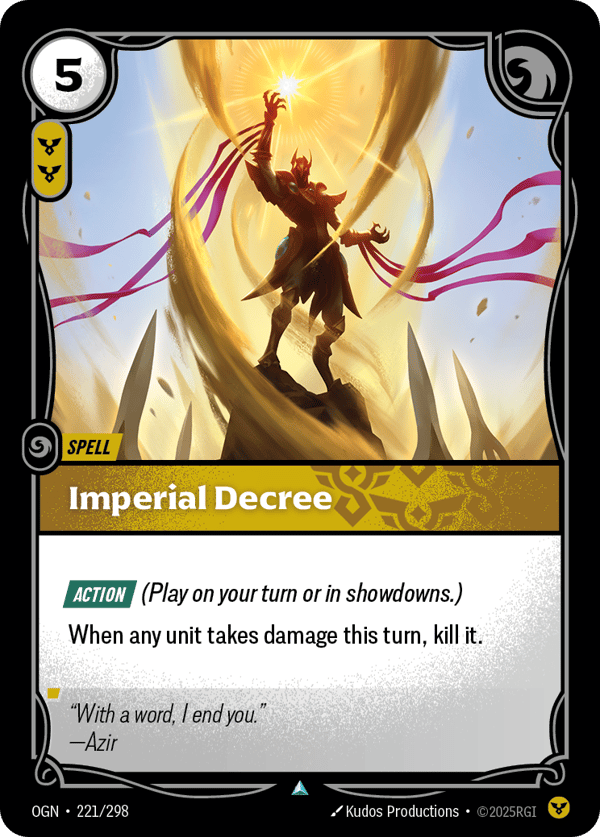
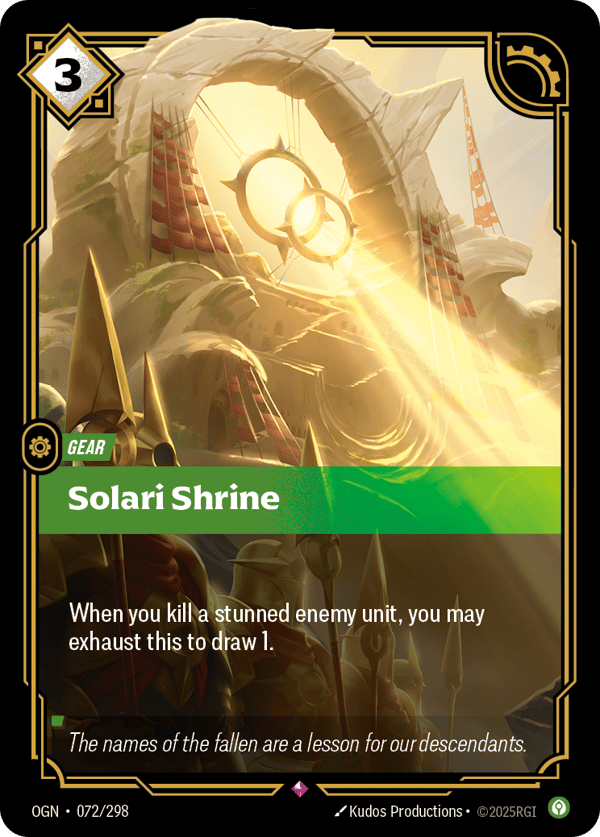
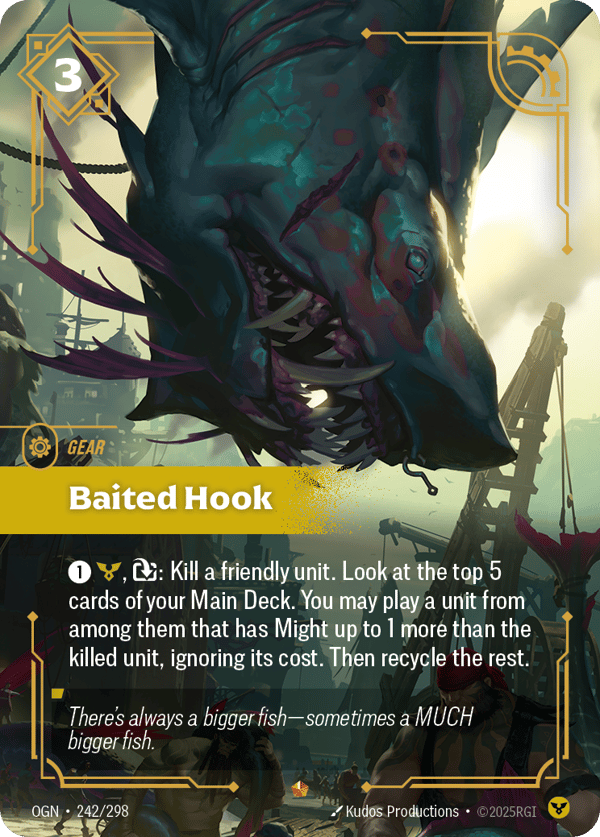
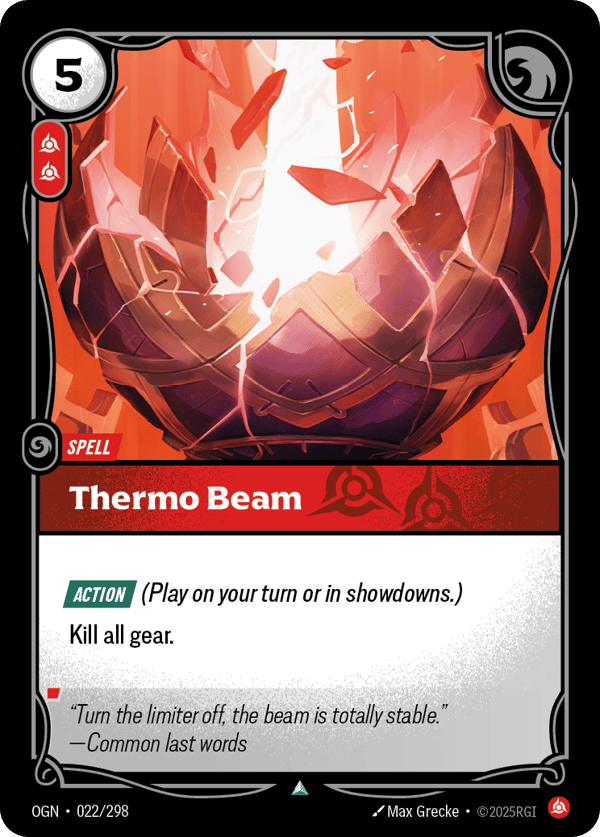
Everything else will be a 1-of or 2-of, and you’ll have to experiment to see what feels right. However, by keeping this in mind, it’s easier to avoid the common pitfall of adding a clunky 3-of (ex. Situational spells or gear).
Replacements
If you’re missing any key cards from your ideal decklist, ask yourself what role they fulfill. Oftentimes you can find a budget alternative that can still do a similar job.
By no means is this a perfect solution, and it won’t really apply to competitive play. But if you need something for your local events or casual play, it’s a reasonable option.