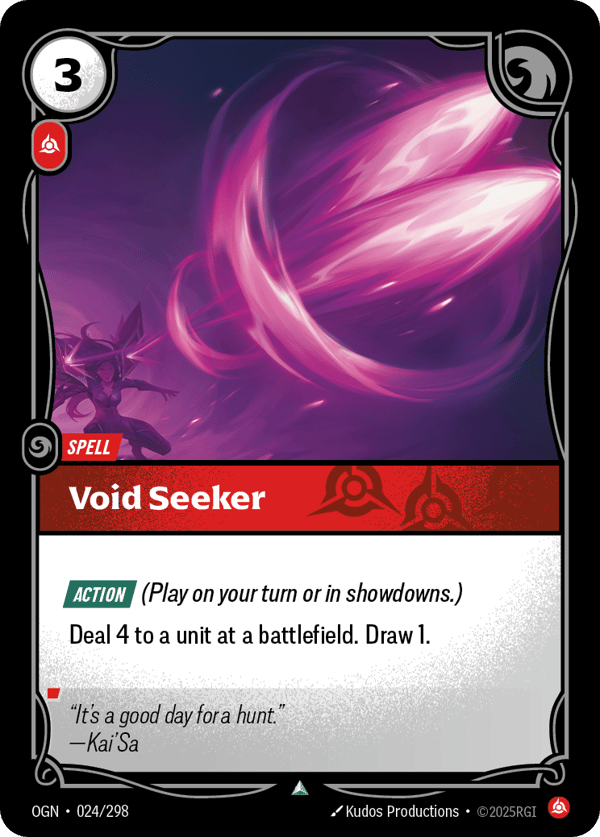
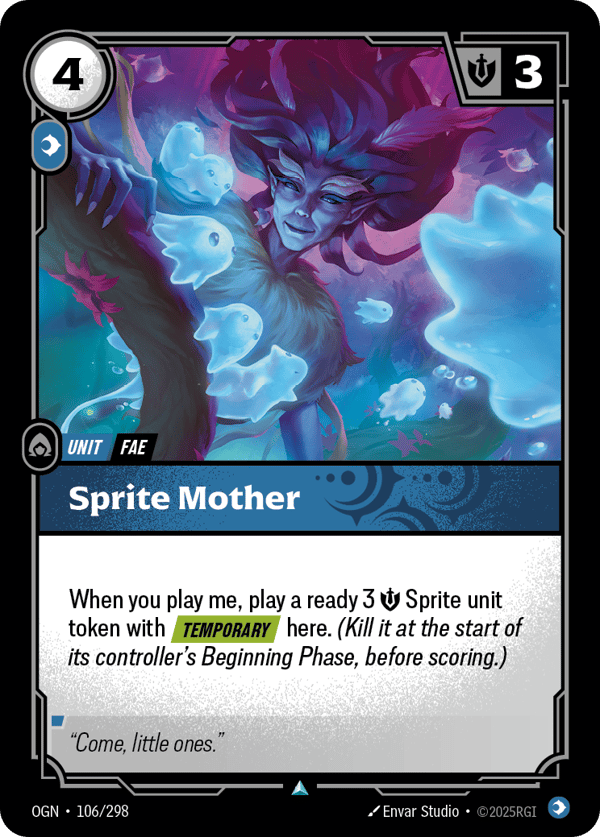
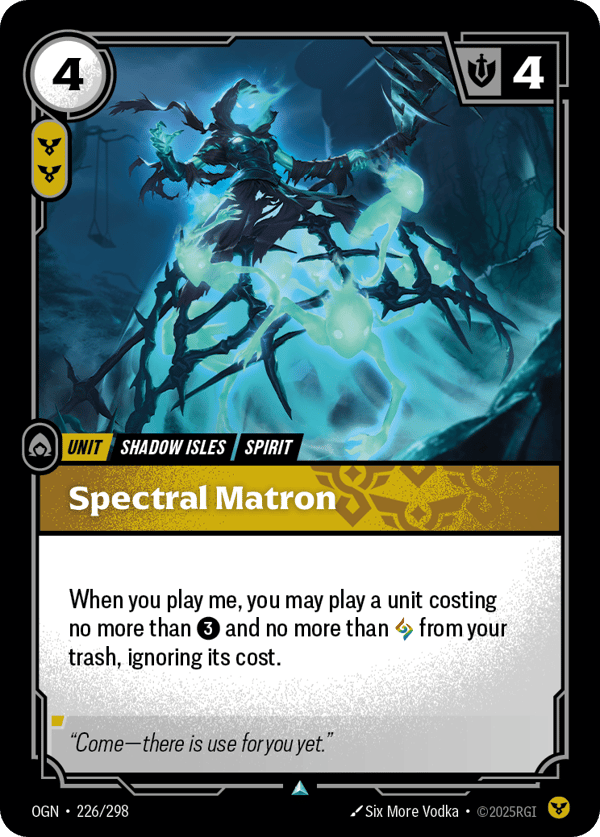
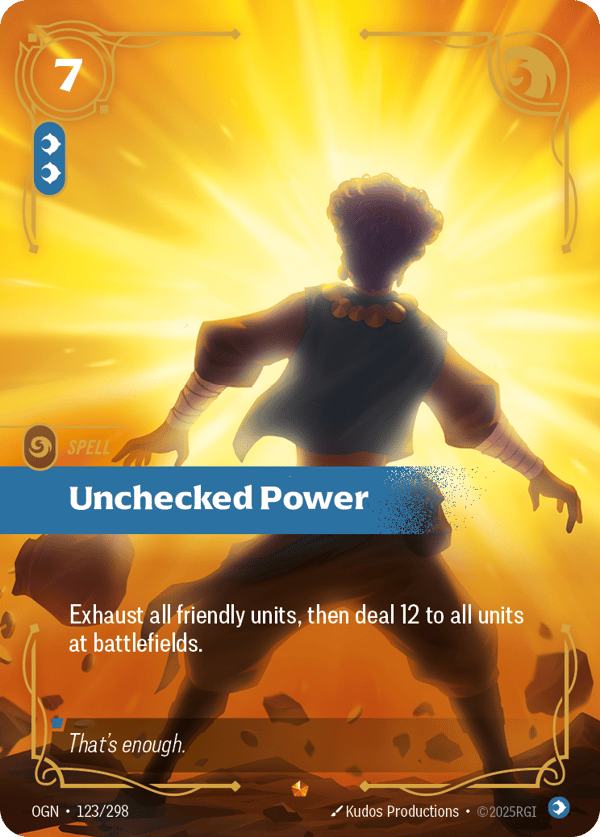
Starting things off is one of the most important parts of any card game – card advantage. Nothing feels worse than running out of things to do, so it’s important to be actively aware of when you’re spending resources.
Card Draw
Drawing cards may sound like the obvious solution, but in practice, it’s a little more complicated than that. While it’ll undoubtedly improve the size of your hand, it often comes at a loss in “tempo” (this means falling behind, but more on that later).
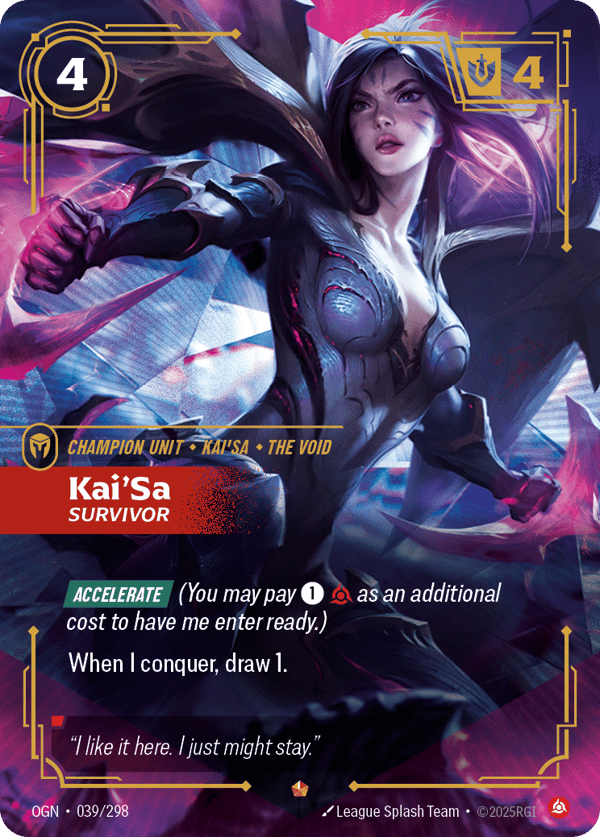
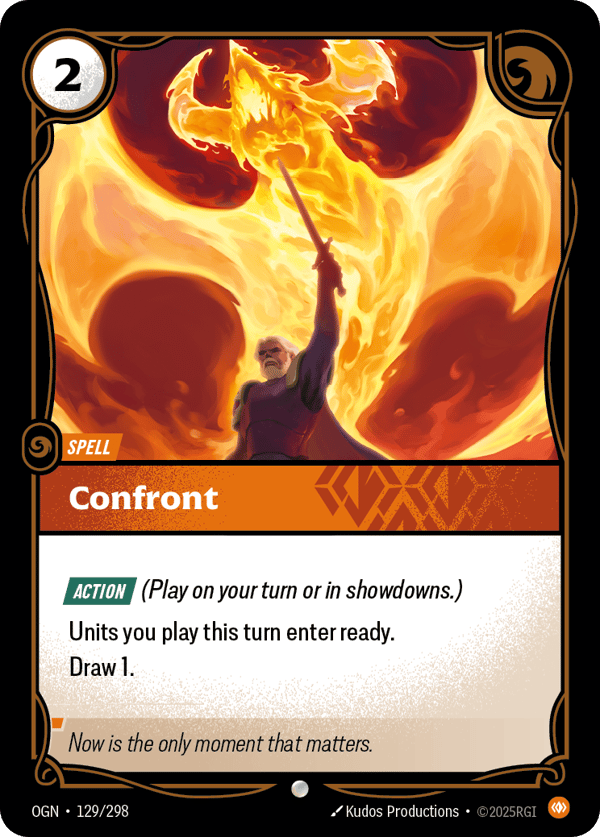
“Cantrips” are a great compromise. This is a commonly used term for cards that replace themselves, or in other words, have “draw 1” attached on top of their regular effect. These cards typically give up a little bit of power, but allow you to maintain card advantage.
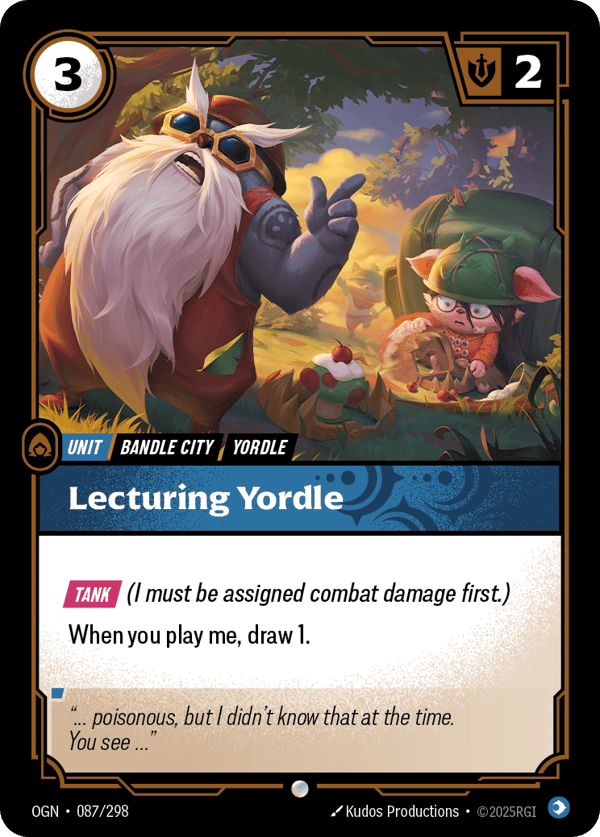
 Lecturing Yordle is a perfect example of this. It’s a 3-Energy/2-Might unit with Tank that draws a card when played. If we were to evaluate based on stats alone, this card would be pretty bad. However, the sheer fact that it replaces itself (by drawing you another card) makes it excellent.
It’s important to note that cantrips aren’t card draw in the truest sense. After all, they don’t actually generate you more cards. If you want a positive gain, you’ll need to look for cards that can draw two or more.
Burst Draw vs Draw Engines
“Burst draw” refers to effects which draw cards immediately. This is useful in scenarios where you need to dig for answers because it gets right to the point. For the most part, burst draw exists as a one-time use (per card).
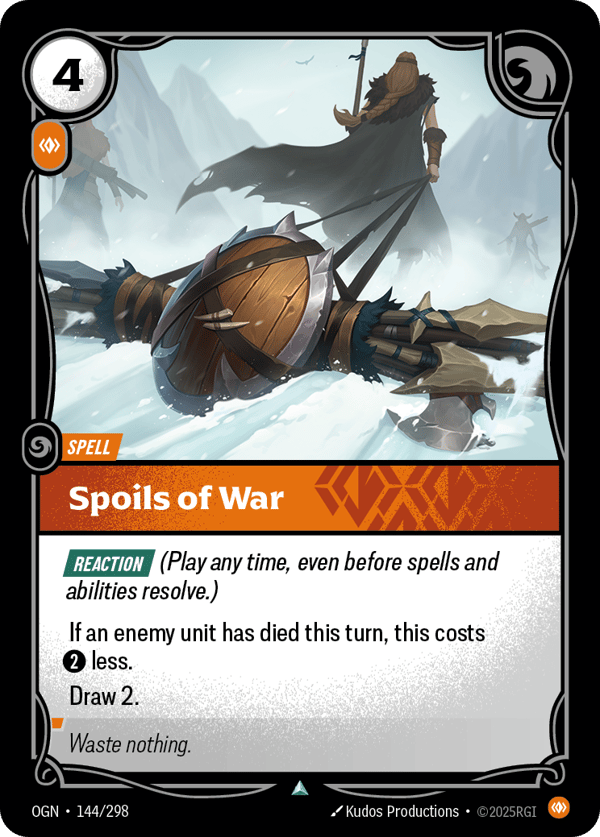
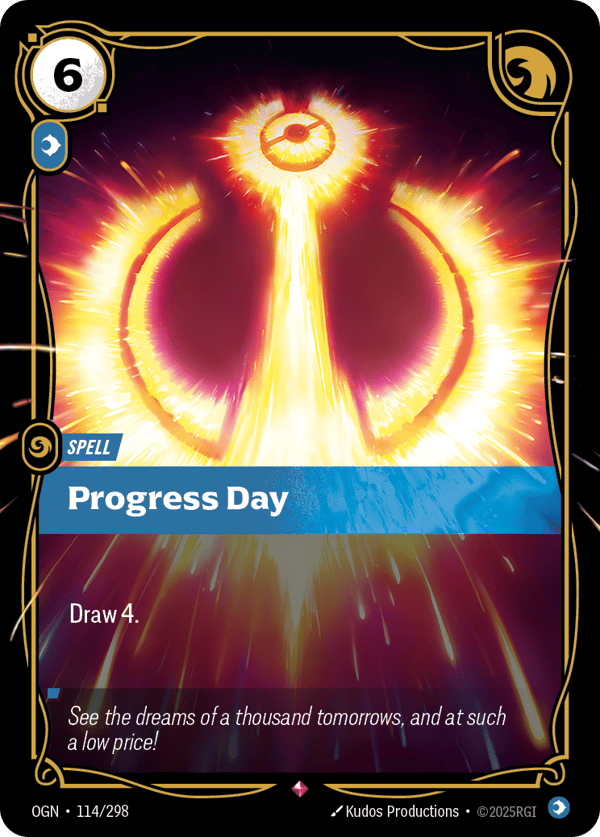
Conversely, there’s “draw engines”. These are typically more delayed sources of draw, but can result in a much bigger payout over the long term (if unanswered). While the ceiling is much higher, the floor can be very low.
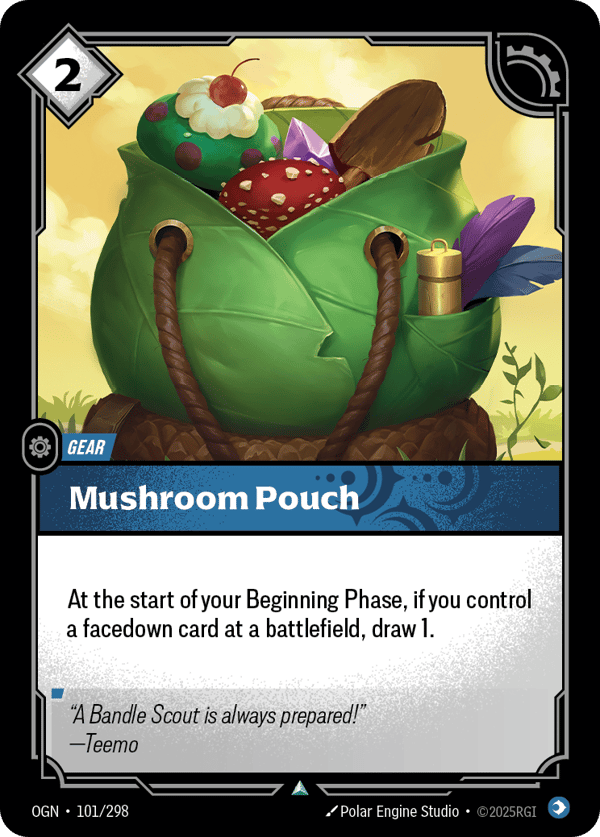
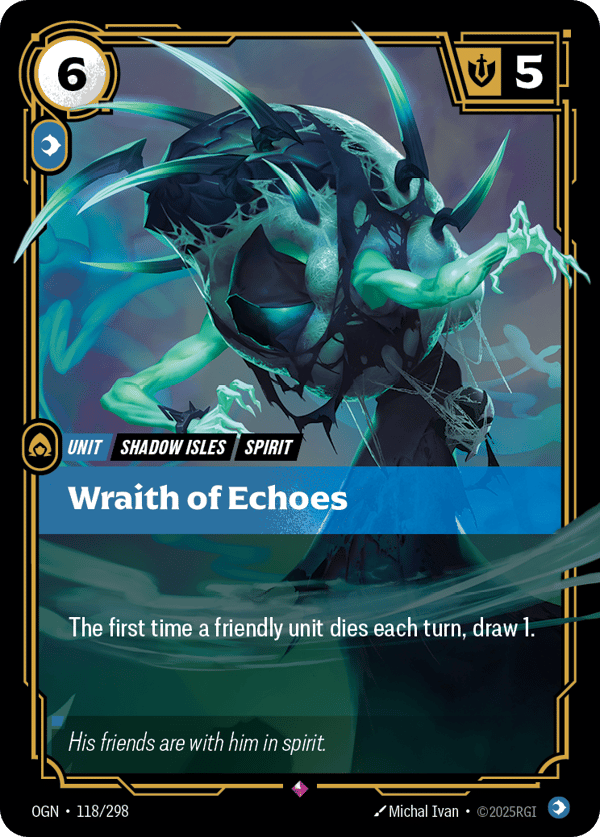
As you can see, it often takes a considerable investment in order to draw more cards. If you do this too frequently your opponent can take advantage of you, as you’ll lack the Energy to contest them on board. This is why card draw is only part of the picture.
Now let’s look at the other concepts that define card advantage.
Even Trades
When units with the same Might value defeat each other in combat, this is known as a trade. For example, a showdown between  First Mate and
  Flame Chompers would result in both players giving up their 3-Might unit.
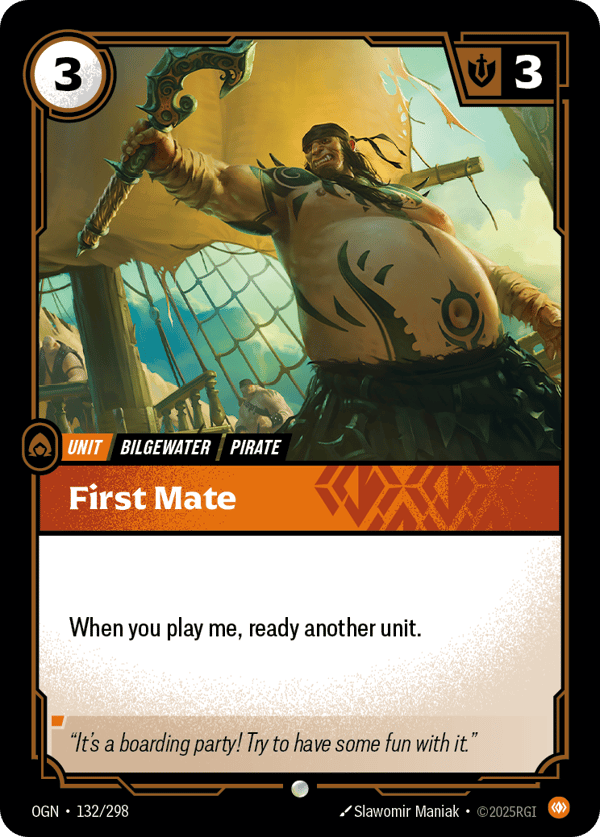
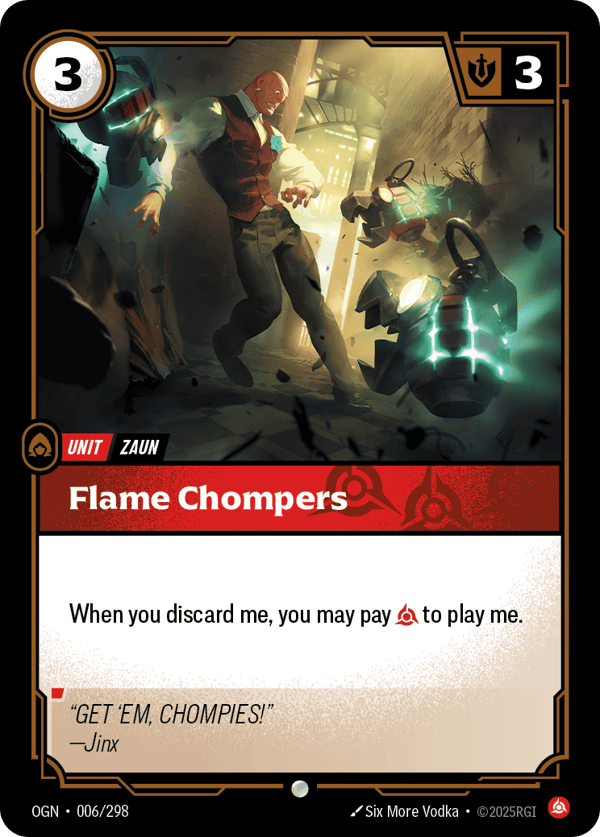
If we look one step further, we can identify that these two units are effectively the same (after their initial effects were used). So when all is said and done, we exchange 3-Might for 3-Might, making this a clean and even trade.
However, let’s say one of these units was instead Heimerdinger, Inventor, a 3-Might unit with an additional Exhaust ability. While it’s still 3 for 3, the player who doesn’t control Heimerdinger, Inventor would have an edge, as they’re losing much less in the exchange.
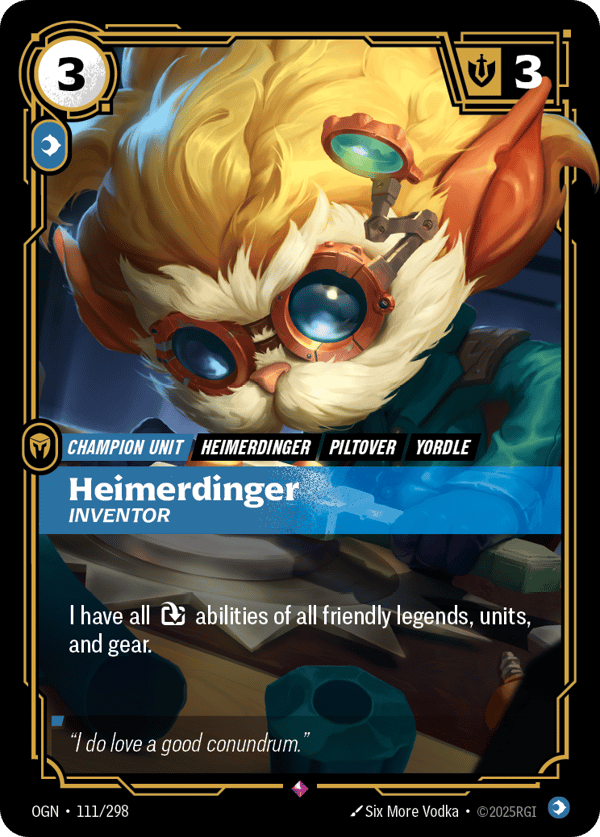
Subtle advantages like this can make a big impact over the course of a game, so it’s up to the players to figure out how to get the most value out of each card. Sometimes it won’t be fair, but that’s all part of the fun and interaction.
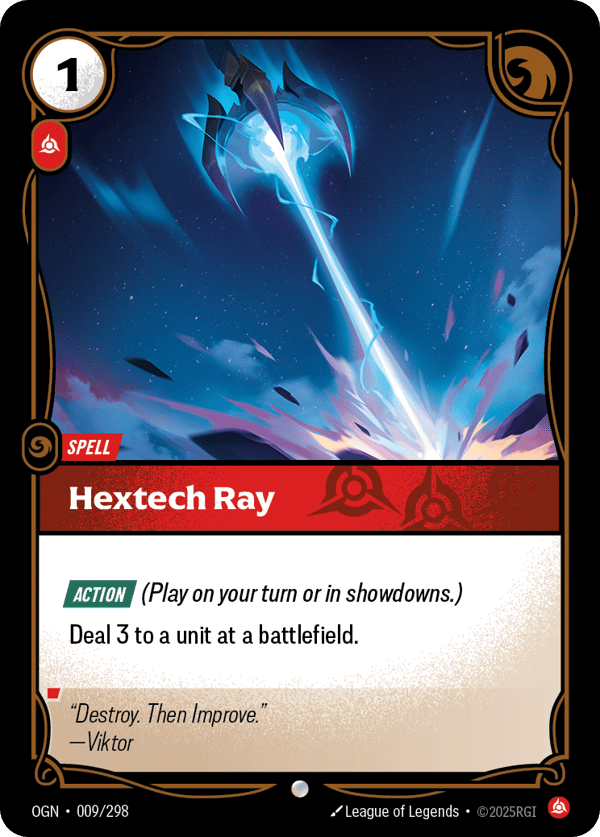
The same logic can also apply when you cast a spell to remove an opposing card. Playing a Hextech Ray to take out a 3-Might unit results in -1 card for each player, therefore creating another 1 for 1 trade.
2 for 1’s
One final thing I’d like to highlight are 2 for 1 exchanges. As you can probably guess, this refers to using one of your cards to deal with two of the opponent’s cards. This is obviously a favorable outcome, and it also extends to 3 for 1’s or greater.
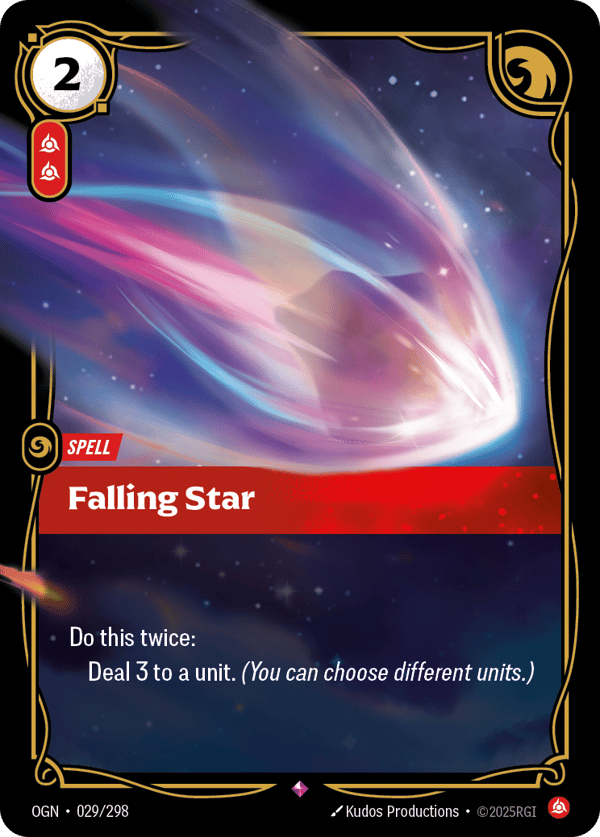
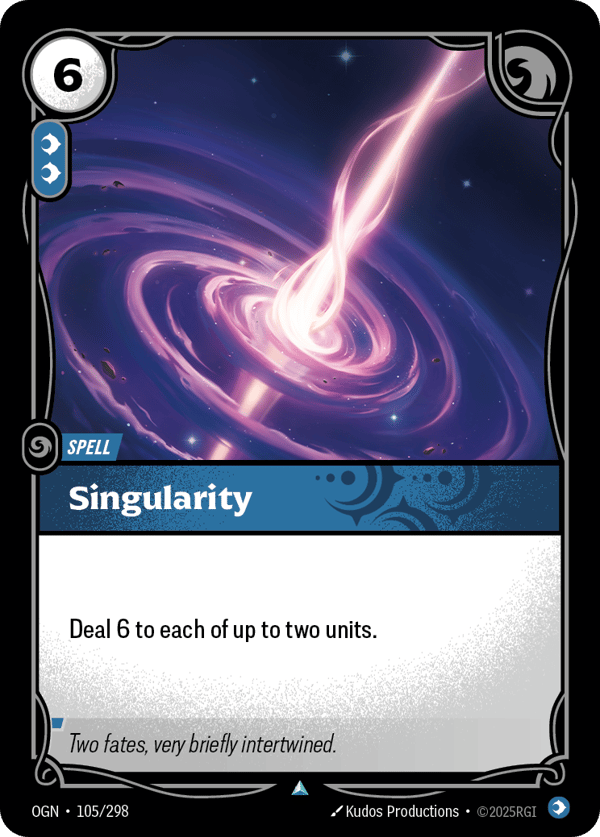
Falling Star and Singularity are both common spells that can easily put you ahead. Each one has the potential to remove two threats at once, making them extremely advantageous for the casting player.
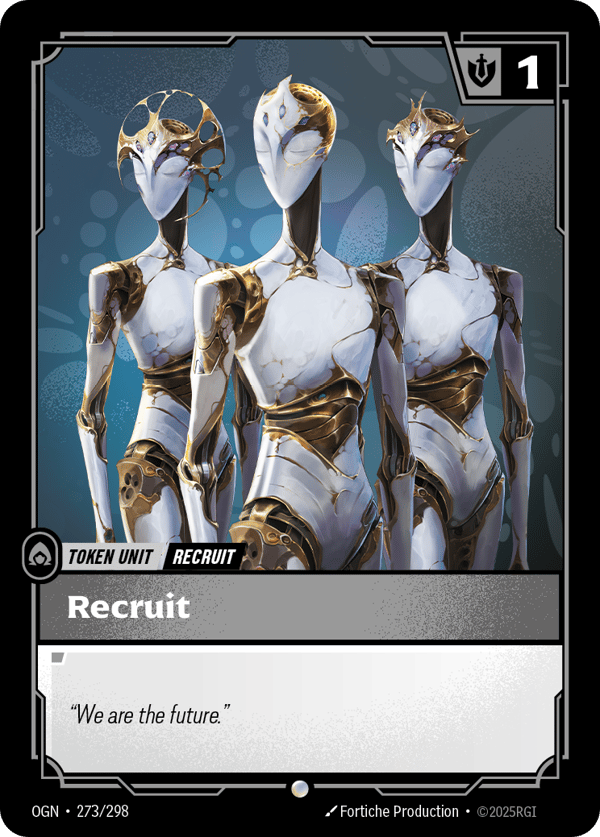
Of course, they do have to line up well to get your money’s worth. You wouldn’t want to invest 2-Power just to deal with two 1-Might Recruits (unless you absolutely had to). Although more often than not you can usually find good targets.
At the end of the day, while card advantage is important, it isn’t everything. It’s just one half of the push and pull, allowing you to have the options to contest and outlast your opponent.
Winning with an empty hand is the same as winning with a full hand. After all, the final score is what matters, so by all means spend the resources that you’re given.