Alone
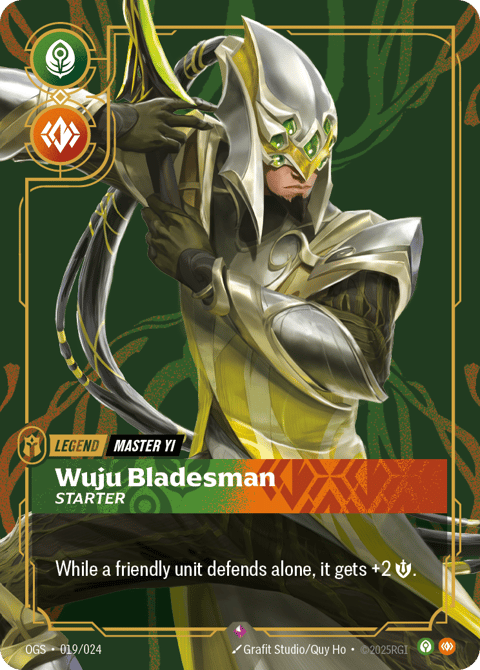
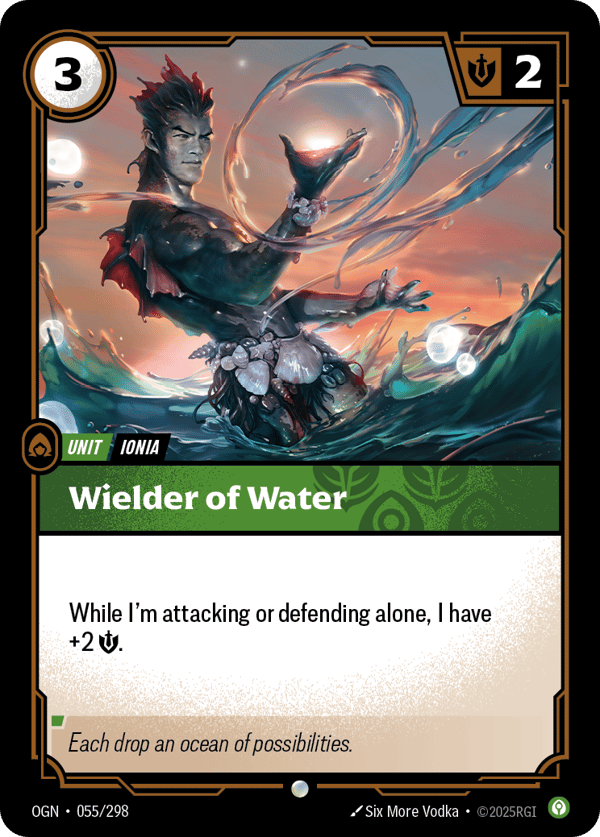
While combat exchanges generally involve a handful of units (or more), there are certain cards that benefit from being alone. For example,  Wielder of Water is a 3-cost unit with 2-Might that gains an additional +2 when attacking or defending alone.
This translates to a respectable 4-Might for only 3-Energy, and while it must remain alone, fits well with Calm’s defensive nature. After all, not developing more units means you can hold back runes to respond with spells.
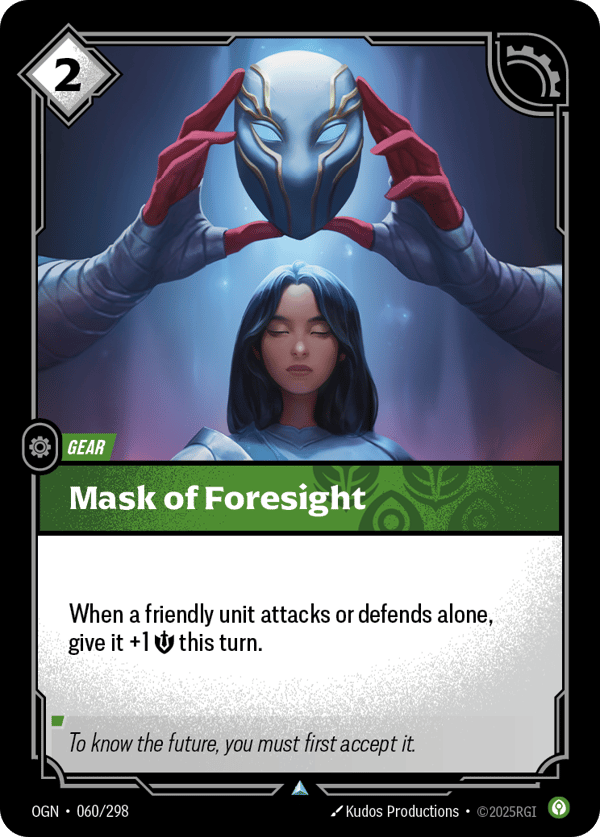
Mask of Foresight also provides the same type of effect and has the benefit of applying to multiple units. As a 2-cost gear, it’s a pretty low investment to get a persistent Might increasing effect.
Of course, this strategy does have its limitations. Working together is inevitably stronger than working alone, so it’s generally best used early on when fewer units are on board.
Counter
Negation effects are always powerful in the realm of gaming. Being able to stop the opponent’s plan by shutting down their action can greatly swing the tempo in your favor. These “permission spells” often define interactive moments, or at the very least, keep the enemy guessing whether or not it’s safe to play spells.
It’s no surprise that they’re extremely limited in availability. As of Set 1, they are currently exclusive to Calm, and only two of them exist. Let’s take a look.
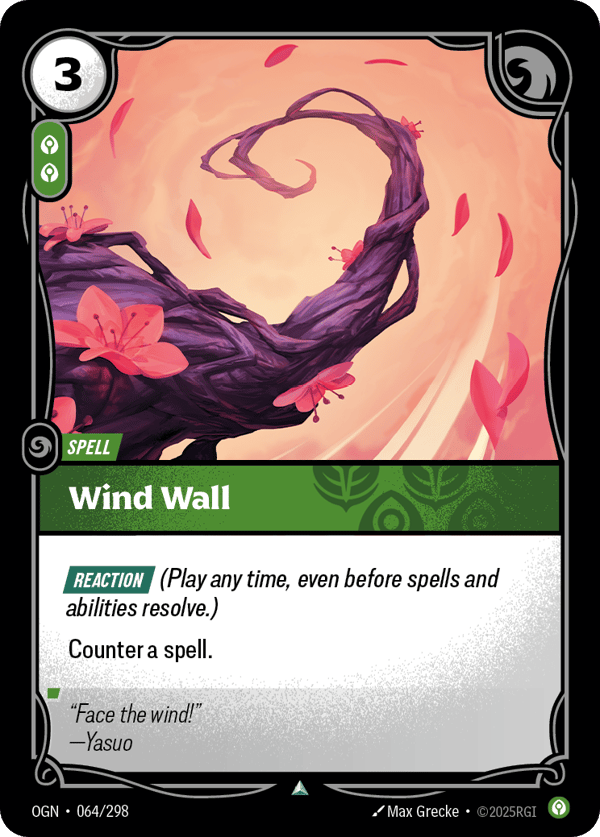
Wind Wall is the standard hard counter spell in Riftbound. For 3-Energy and 2-Power, it’s able to target and negate any spell without restrictions. This can help prevent any big impactful spells from going off, and sometimes deter players from even attempting the cast.
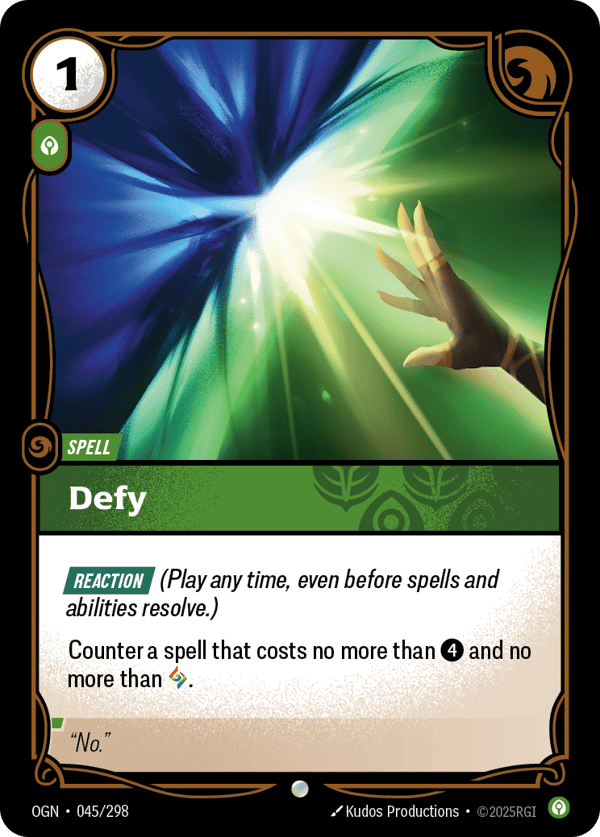
Defy works a little differently. It can only counter a spell that costs no more than 4E/1P, meaning certain cards are out of its reach. However, its cost is significantly cheaper than Wind Wall, making it a much more efficient choice in most cases.
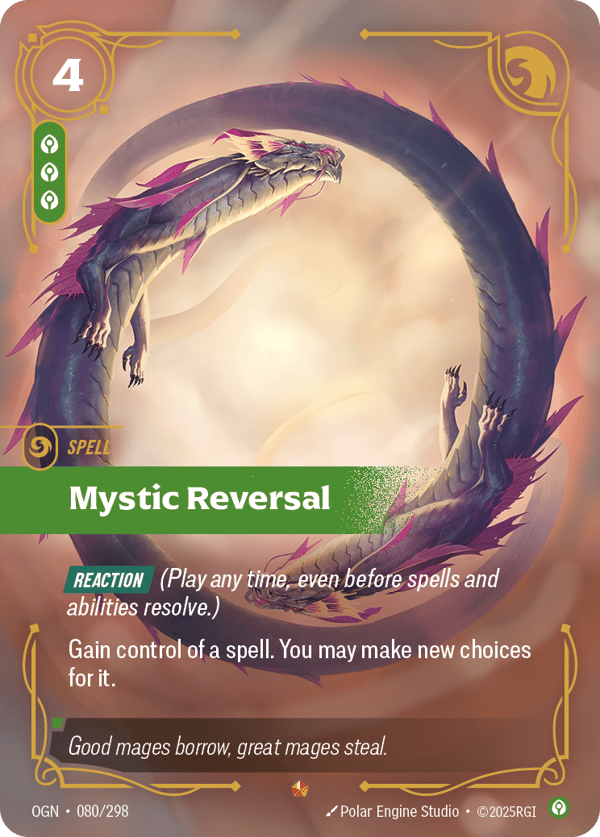
While it’s true that only two counterspells exist, there is an exciting third option that fulfills a similar role. Instead of negating the opposing spell, Mystic Reversal takes control of it. Being able to deny the enemy is one thing, but turning their spell against them can create some wild outcomes. It’s expensive and a bit niche, but an A+ in terms of fun!
At the end of the day, whether you love or hate counterspells, they’re definitely an important piece of interaction. If you’re playing Calm, they’ll always be worth considering.
Hold
Holding is equally as important as conquering, but in Calm’s case, maintaining control over a battlefield can pay off even more. Beyond its natural aptitude for defense exists specific cards that reward you for standing firm.
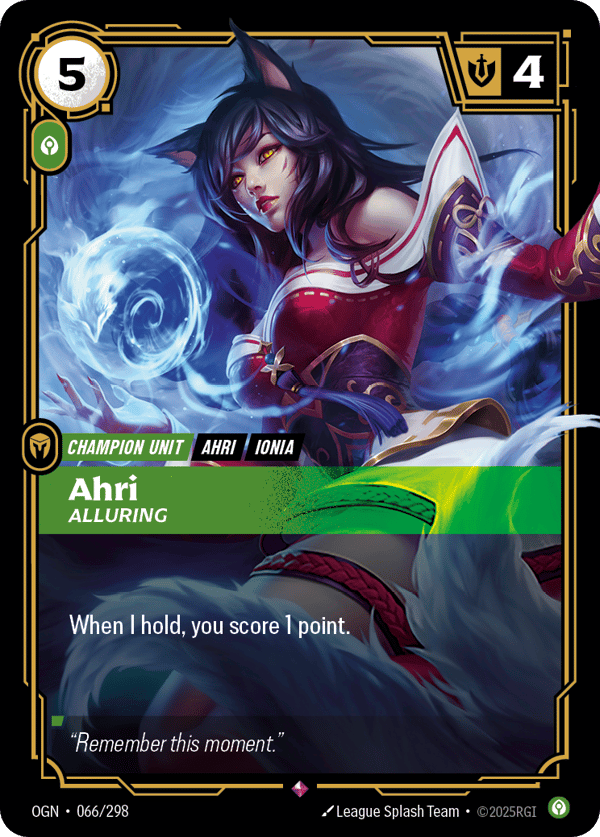
Let’s look at Ahri, Alluring. She’s a 4-Might unit that costs 5E/1P, which is definitely below the curve. However, she has an incredibly valuable ability which scores an additional point for Holding! If you’re able to keep her in play, it won’t be long until you inevitably win the game.
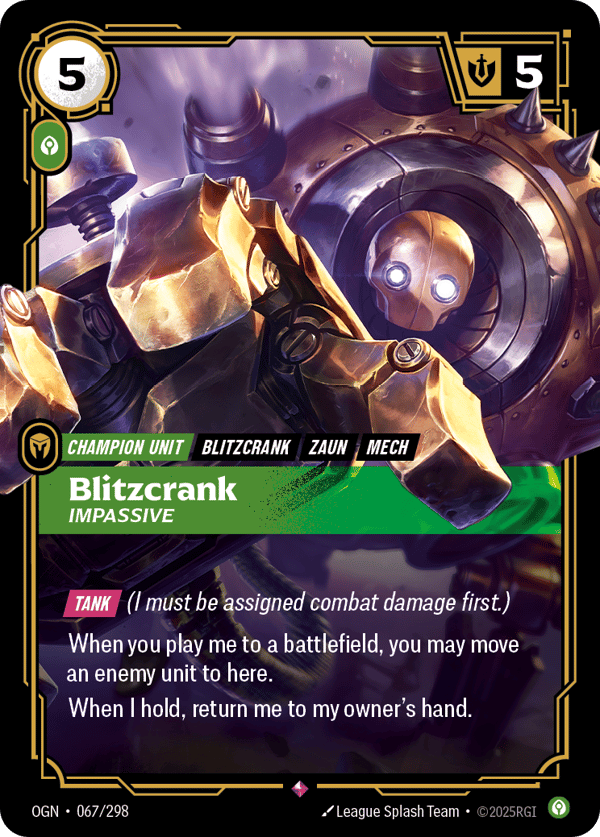
Another more unconventional example is Blitzcrank, Impassive. He has a powerful on-play effect, allowing him to pull units onto the same battlefield. This effectively acts as a form of removal, making it easy to take out smaller foes.
If Blitzcrank, Impassive sticks around post-combat and ends up Holding the battlefield, he’ll be forced back to the owner’s hand. While this is at times a drawback, it can also be beneficial, as Blitzcrank, Impassive becomes a reusable threat to disrupt your opponent(s).
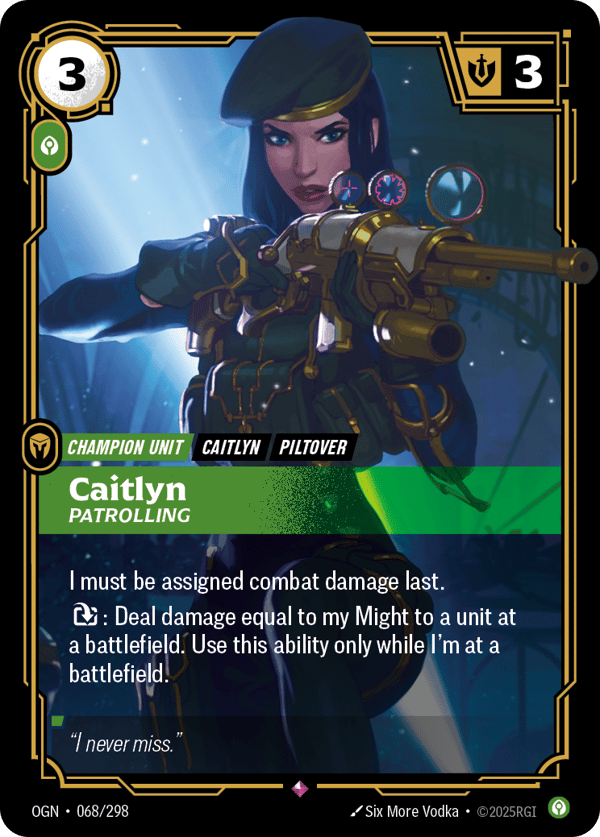
One final champion that also cares about Holding is Caitlyn, Patrolling. While she doesn’t actually have any inherent Hold synergies, her Exhaust ability can only be used while on the battlefield. Given the fact that units enter Exhausted and Exhaust to move, barring any Ready effects, Caitlyn, Patrolling must wait until the following turn (therefore Holding).
All of this fits well within the Domain’s defensive game plan, putting an emphasis on patiently setting up versus storming forward recklessly. It’s a rewarding playstyle which proves that slow and steady can win the race.