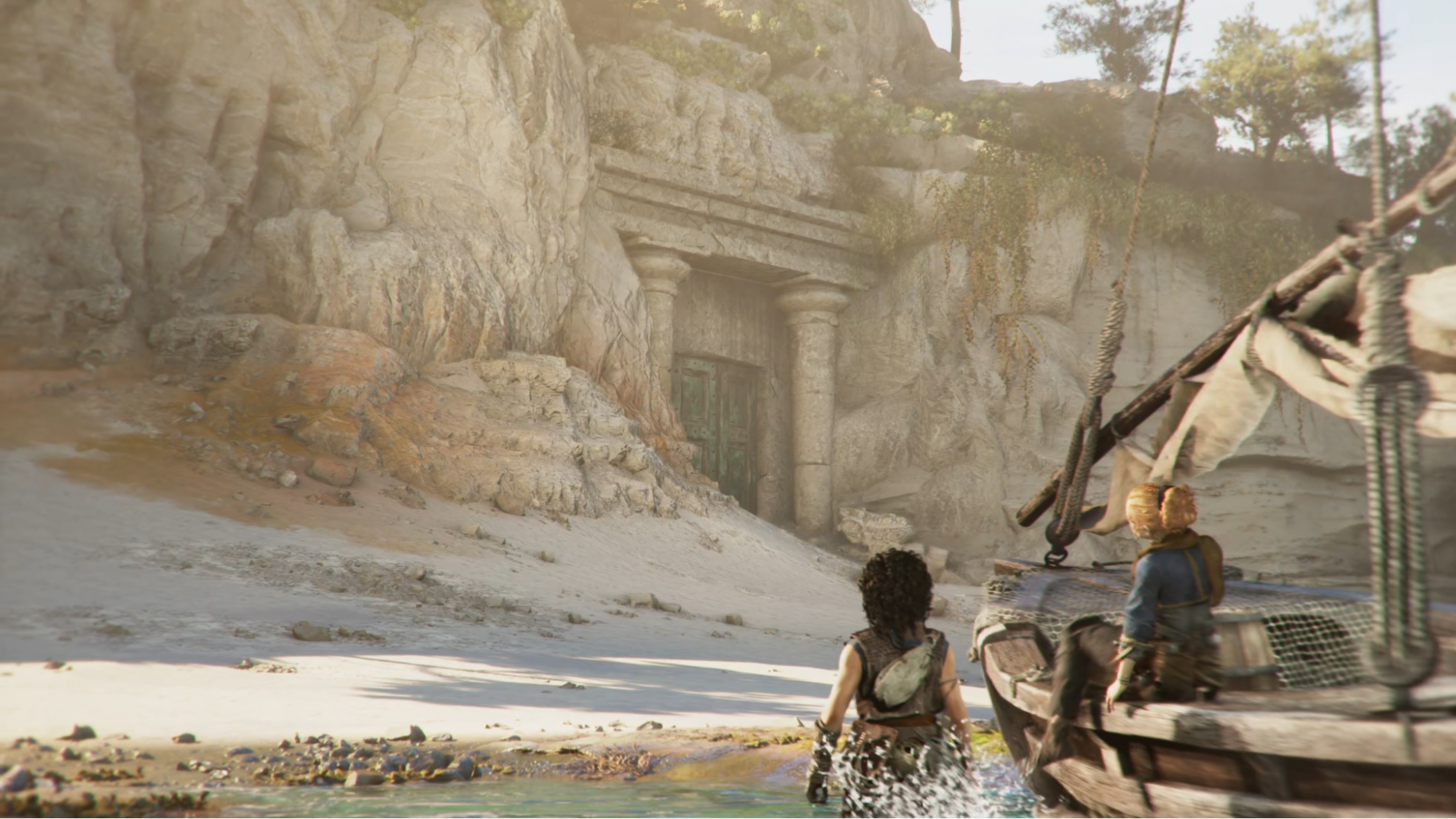
Resonance: A Plague Tale Legacy is Asobo Studio’s third entry in the A Plague Tale series. Set fifteen years before Requiem, it’s a prequel that trades Amicia and Hugo’s desperate flight across France for Sophia’s hunt through a mysterious island that hosts the Minotaur’s Labyrinth from Greek mythos.
It’s an action-adventure game with a stronger combat focus than its predecessors, built on Asobo’s in-house Zouna engine, and framed around a dual-timeline structure that navigates back and forth between Sophia’s Middle Ages and her visions of Theseus from ancient Minoan times.
Sophia, first introduced in the second game, A Plague Tale: Requiem, is a resourceful smuggler who helps Amicia and Hugo navigate the chaos of the plague-stricken world.
Resonance positions her as the lead, exploring her past and showing how her sharp instincts, survival skills, and moral flexibility were all shaped long before she ever crossed paths with the two de Rune siblings.
The development here is a deliberate creative pivot by the studio. After years spent refining stealth-driven tension from the previous two releases, Asobo leans into more capable protagonists, mythic stages, and a tighter, more cinematic campaign that clocks in at around 8 to 10 hours.
In short, they understood the major selling points of the previous entries and added a more hands-on approach to the puzzles and combat.
Our review for Resonance: A Plague Tale Legacy was conducted with the Steam version on PC.
Highs
Story, Cinematics, and Performances
Resonance’s story weaves Sophia’s personal journey into the island’s myth‑heavy history in a way that consistently pulls you forward. While the narrative is short, it never feels rushed, giving emotional beats space to breathe. Quieter moments hit just as hard as the major twists, creating a rhythm that feels deliberate rather than compressed.
The writing supports this well. Dialogue is purposeful without being overbearing, letting Sophia’s personality emerge through grounded exchanges and subtle reactions instead of constant exposition. This restraint makes the world feel lived‑in, and it allows discovery to happen naturally through the environment rather than through heavy lore dumps.
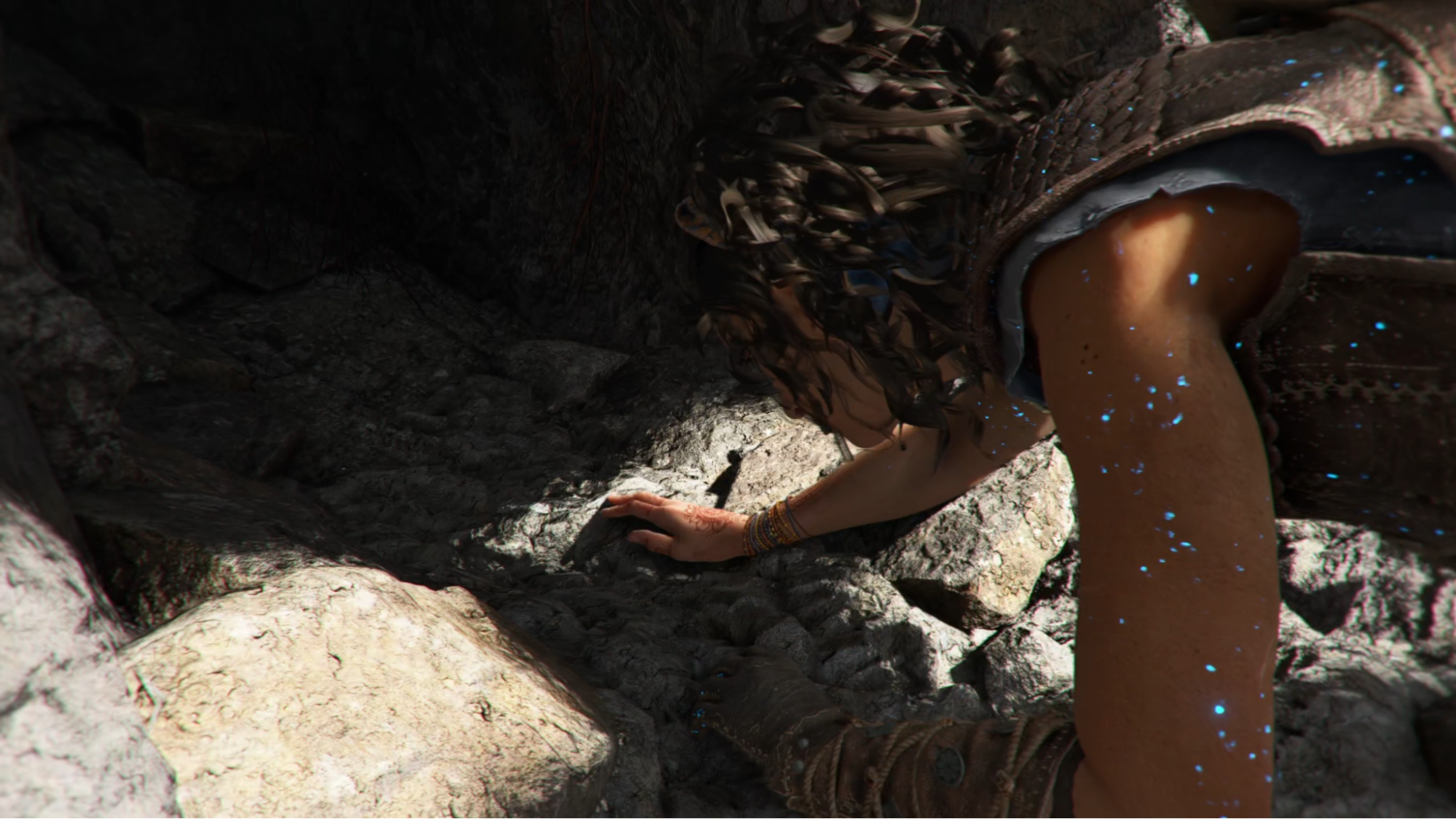
The cinematics elevate everything, with facial animations that capture nuance and performances that stay grounded even as the plot leans into myth and legend. Sophia herself is brought to life by Anna Demetriou, whose full performance‑capture work gives her delivery physicality and emotional clarity that strengthen every major scene and help anchor the story’s more fantastical elements.
Olivier Derivière's music style from the previous games returns here. It ties the experience together, threading tension and melancholy through the world and amplifying the danger and vulnerability of the island’s entities. The soundtrack lingers long after you close the game, reinforcing the emotional weight of Sophia’s journey and giving the adventure a musical identity that stands out among modern narrative‑driven titles.
Puzzles That Respect Your Intelligence
The puzzle design is one of Resonance’s most pleasant surprises, presenting challenges that allow you to observe, experiment, and think. There’s no intrusive yellow paint or constant companion chatter, with every solution feeling earned rather than handed to you. Even the optional hint system is thoughtfully implemented by having you activate it manually, and it offers gentle thematic nudges instead of outright answers.
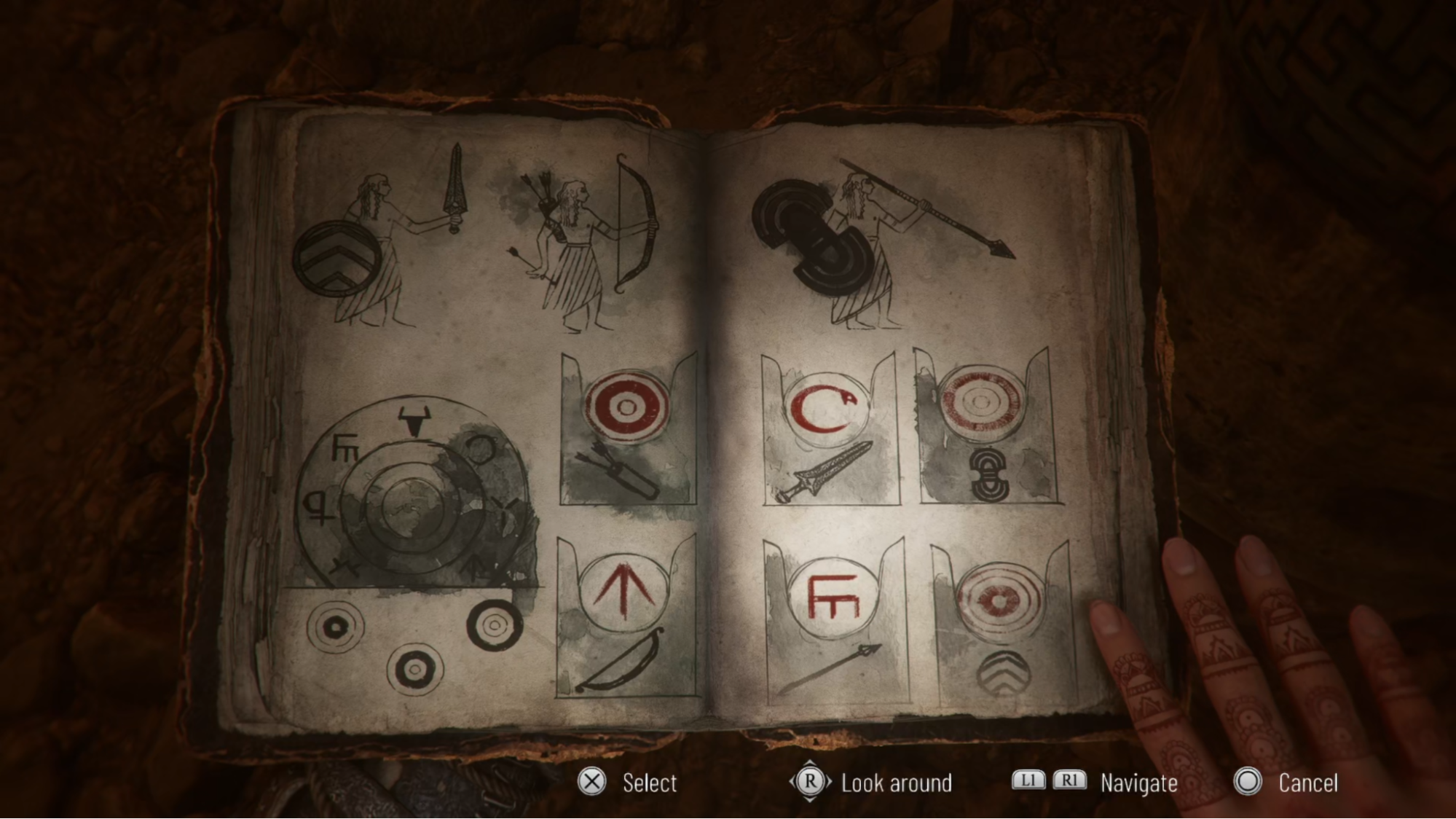
Each puzzle is woven naturally into the island’s architecture, built around two core styles with enough variation to stay engaging. The first revolves around symbols and your journal, evoking Uncharted‑style journal puzzles, where sketched clues guide you toward hidden paths, ancient mechanisms, and locked doors tied to the island’s mythology.
The second centers on an ancient sphere known as “The Key”, which can reflect, split, or focus beams of light. These challenges gradually evolve, encouraging spatial thinking as you rotate the sphere, align different light types, and read the environment for subtle cues. They begin simply but introduce new mechanics at a steady pace, keeping the experience fresh without overwhelming you.
The difficulty curve is measured and well-curated, pushing you just enough without tipping into frustration. When a solution clicks, it’s genuinely satisfying because the game trusted you to reach it on your own. That respect for player agency elevates exploration, turning puzzles into small narrative beats rather than mechanical interruptions.
Simple but Effective Exploration and Combat
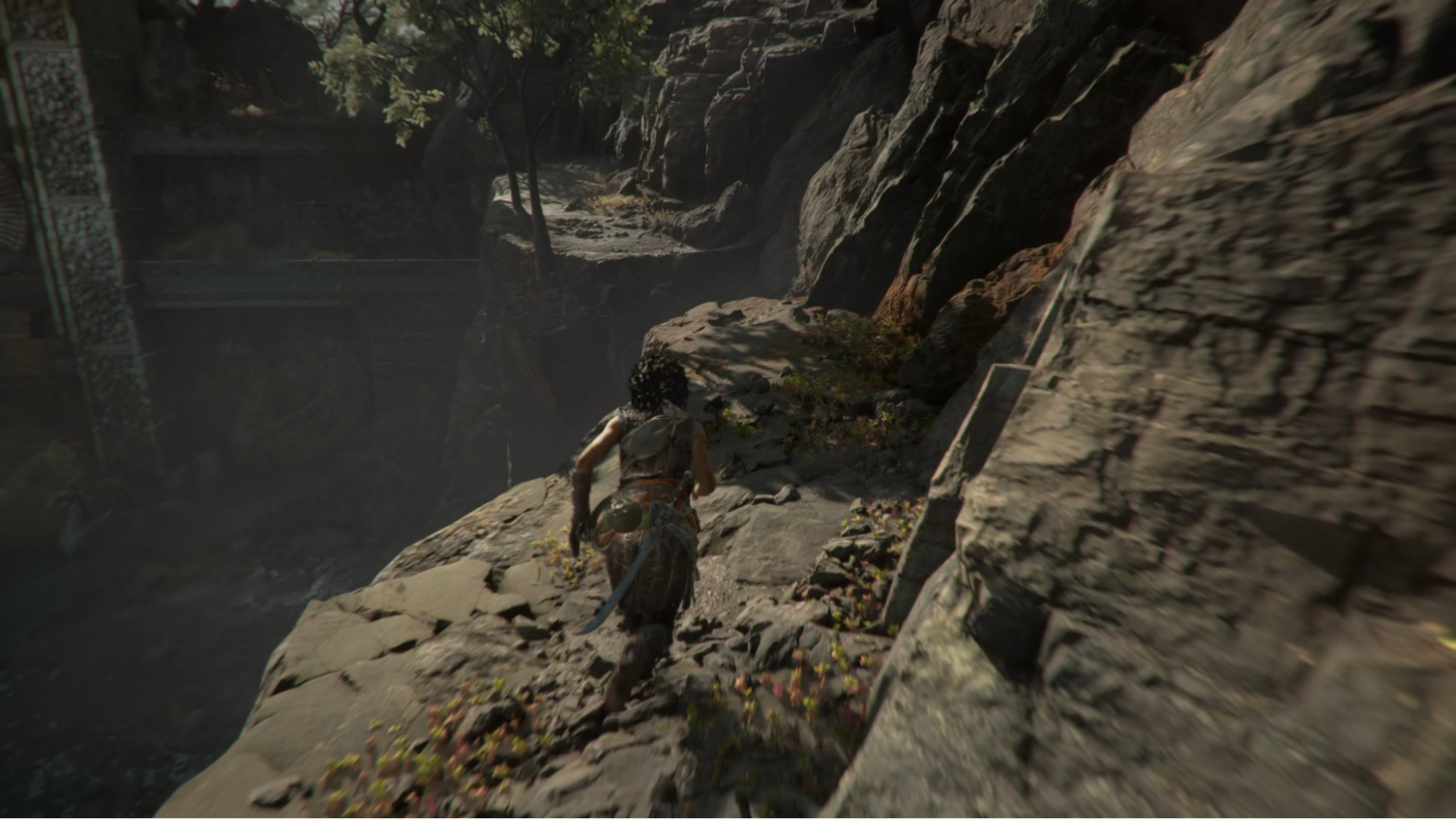
Sophia’s exploration tools flow smoothly. The parkour system feels intuitive, and the environments keep you moving without overwhelming you with complex traversal systems. Admittedly, though, there is a minor trade-off with player agency.
The ruins and narrow paths help maintain a rhythm that keeps the adventure engaging from chapter to chapter, without bogging you down with unnecessary pathing or stopping to trigger something.
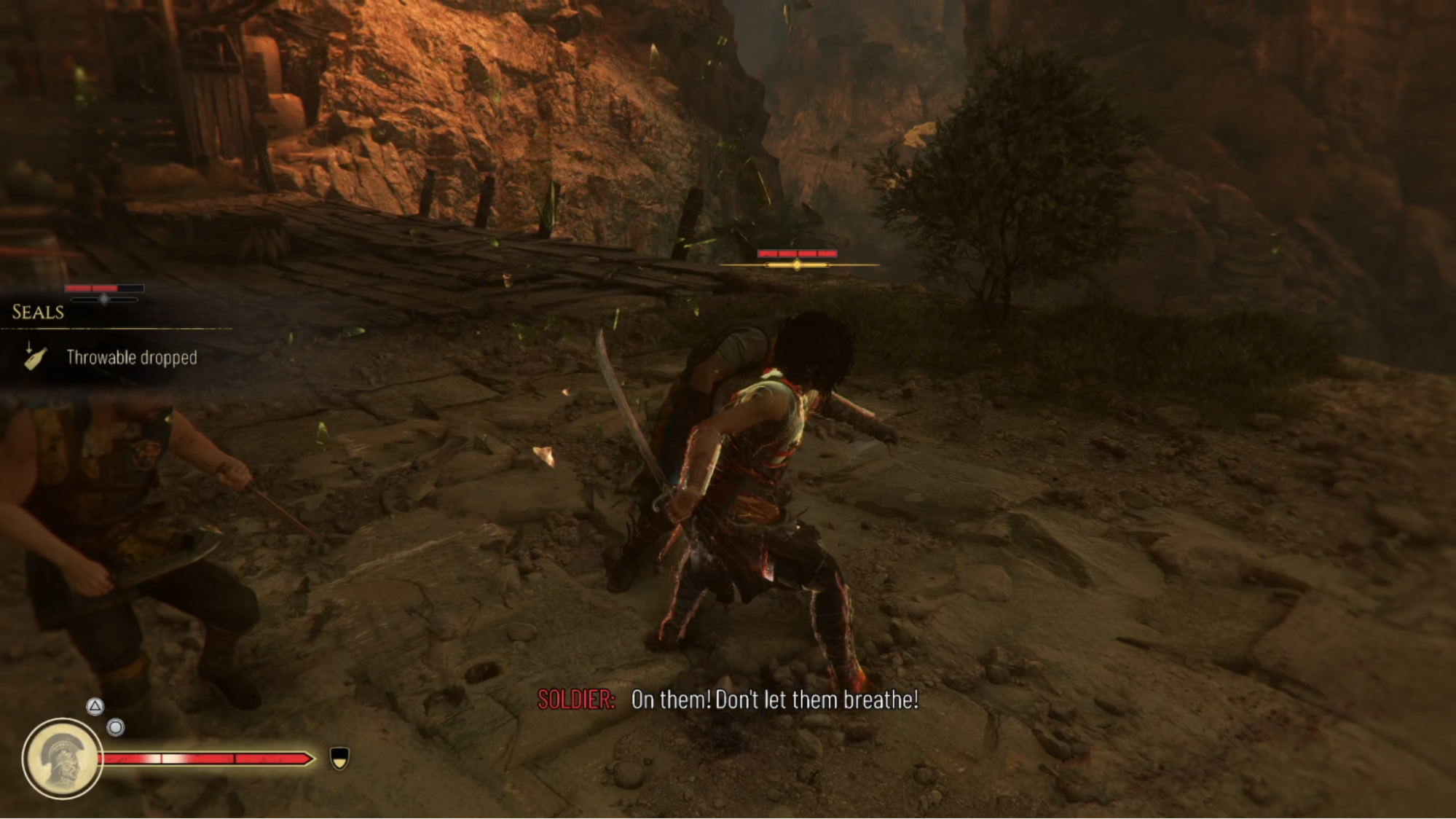
Combat is similarly lean and straightforward, leaning into timing, awareness, and decisive strikes rather than drawing you in with layered mechanics. Health bars operate on a chunk system, where each chunk represents one hit, either on the enemies or yourself. You can dodge to protect yourself, use parries or kicks to stun enemies, which leave them open to critical strikes.
You can also use your grapple to pull in far-away enemies like archers or rogues, and killing an enemy will refill one chunk of your health bar. It’s simple, but it’s satisfying when you get set into the cadence of enemy animations and your own abilities.
In Sophia’s travels, you discover different blades to equip that have unique modifiers and gameplay elements, such as extra stagger or critical damage. You will also find Resonance Points, which are used in a very simplified skill tree to discover magical abilities by connecting you more deeply with Theseus’s memories.
Finally, you can unlock jewelry such as beads, bracelets, armbands, and others, that increase the chance for certain abilities to trigger. These include larger parry windows or your ultimate ability meter not being used upon activation. As a bonus, these pieces of jewelry are actively equipped by Sophia, which cosmetically alters her appearance the more you find.
The overall pacing of both the combat and the exploration feels tight and focused, and blends seamlessly with the story and puzzles of the game. When everything is working, you lose track of time and slip into the mindset of wanting to complete just one more chapter.
Lows
Extremely Linear Structure
Resonance’s biggest drawback is how tightly it rails your journey. Many times, the game presents vast, exploratory-looking environments where you can see all the way to the horizon across huge valleys or towns. However, all of these areas funnel you down narrow, predetermined paths, with very few branching parts.
There’s rarely a moment where you feel like you’re choosing your own route or shaping your own approach. This feels very dated compared to similar genre games from this generation, or even last generation like Uncharted 4, or The Last of Us Part 2.
While those games featured both large fields and linear paths, even the linear paths had plenty of exploration, with puzzles, backtracking, hidden combat scenarios, or even just the ability to choose how to approach enemy encounters.
The linearity also limits the replayability, because once you’ve seen the major beats and solved the key puzzles, there’s little incentive to return for alternate outcomes. Yes, you can somewhat change up your skill tree if it's not maxed out, but there’s no alternate way to solve puzzles, complete fighting segments, or travel to the next destination.
The game simply doesn’t offer meaningful branching paths or varied solutions. Also, while some puzzles have multiple sections that can be done in different orders, you still do the same sections the same way and continue forward on a linear path. As such, exploration boils down to checking small pockets along your path for collectibles, rather than charting your own course.
It’s a missed opportunity for a game that has its whole premise built around the Minotaur’s Labyrinth, and could have instead had more parts of navigating a deadly maze, or simply more open exploration parts.
The world feels alive and atmospheric, but the lack of agency keeps you at arm’s length from fully inhabiting it. It’s a beautiful island, but one you’re only allowed to experience in a single, fixed way.
Inconsistent Stealth, Combat, and Traversal
Traversal is one of the clearest examples of the game’s inconsistent design. I ran into invisible walls that blocked ledges Sophia should obviously be able to climb, only to later find identical obstacles that were traversable. This back‑and‑forth meant I often didn’t know where the intended path actually was, and by the final chapters I was reduced to repeatedly jumping near ledges just to see which ones the game would let me grab.
These inconsistencies spill into combat as well. Some mechanics you’re explicitly taught simply stop applying, like shield enemies who can’t be stunned by kicks despite the tutorial telling you that’s their weakness. It’s a small thing, but it chips away at trust in the game’s rules.
The Theseus vision sequences make this worse. When you shift into his memories, you lose all the skills you’ve unlocked as Sophia, even though those abilities are supposed to be you channeling Theseus’s own combat instincts. Losing double‑dodges, red‑glint parries, enhanced kicks, and stronger critical attacks breaks muscle memory so hard that I usually died to the first major enemy after swapping.
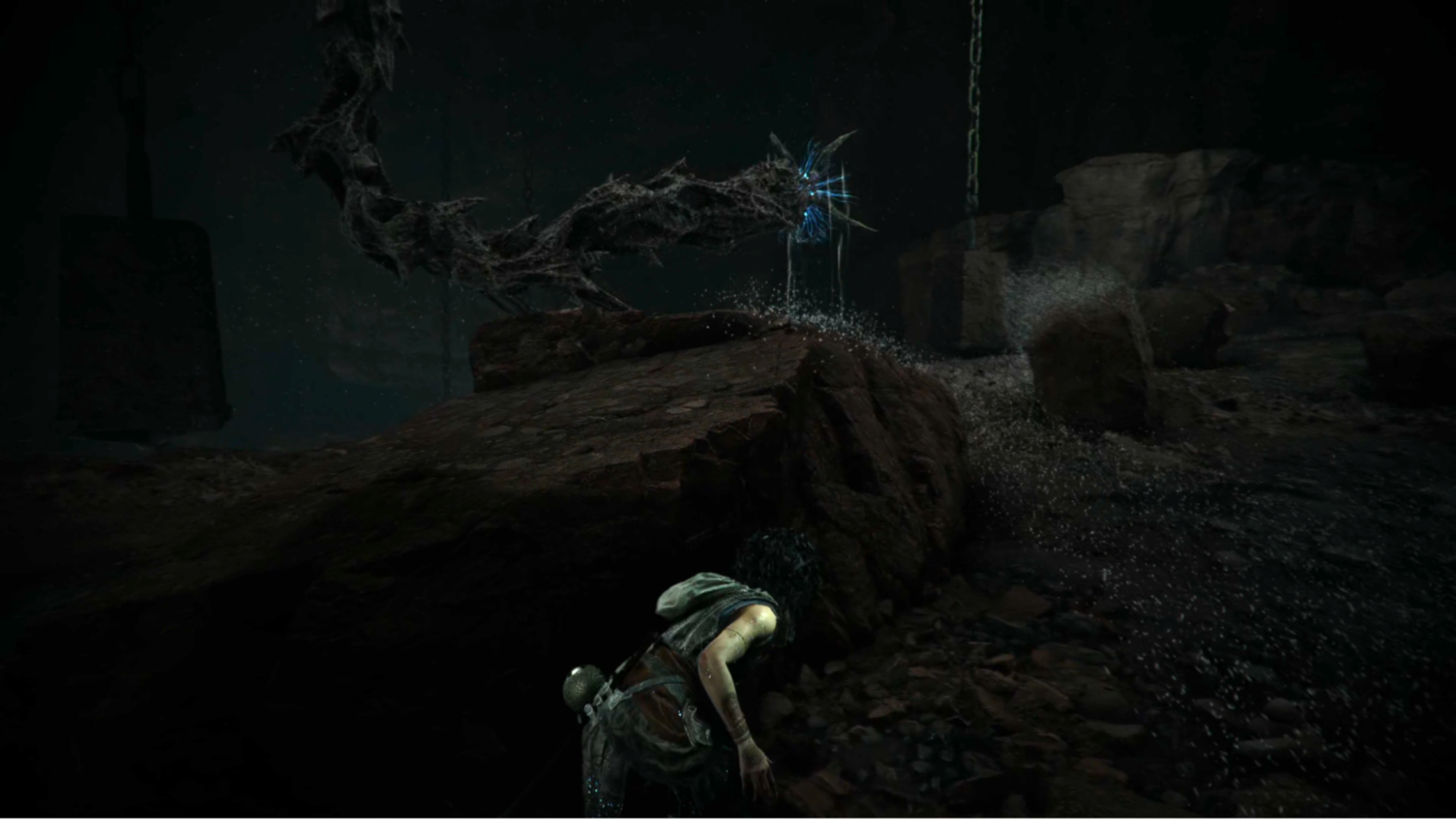
Stealth is the most inconsistent system of all. Instead of plague rats, you’re avoiding entities that instantly kill you if they catch you, and the game teaches two core rules: moving faster than a crawl leaves a glowing trail they can follow, and they can “breathe in” particles around the environment to detect you, unless a wall blocks their line of sight.
But the game frequently contradicts these rules. Some sections secretly expect you to sprint, even though sprinting is supposed to expose you, and the game rarely signals when a chase is happening versus when you’re meant to stay hidden. Worse, there are large stretches of the game where you can run right past smaller entities without alerting them, which lulls you into a false sense of safety until you try the same thing elsewhere and get grabbed instantly.
I appreciated the game not having direct, interrupting puzzles and exploration answers, but it would’ve been nice to have a small clue or sense of what the correct choice was. Alas, I usually tried one method or the other and switched after dying.
So while these moments cause death and frustration, they additionally undermine your confidence in the game’s stealth, exploration, and combat language, making it harder to trust what the systems are telling you.
Performance Issues in Key Moments
Performance issues are Resonance's most tangible flaw, especially in large outdoor areas or sequences overloaded with particle effects from the entity. Frame drops hit hard enough to disrupt stealth and exploration, causing inputs to misfire when timing matters most.
I’m running an RTX 5070 Ti paired with a Ryzen 9 9800x3D, and even after lowering settings, tweaking DLSS, and toggling frame‑generation on or off, the drops persisted. It didn’t trigger in all areas, but the game was still struggling to keep up in the aforementioned scenarios.
A heavy blurring effect also impacted gameplay whenever transitioning into new areas. Whether motion blur was enabled or disabled, rotating the camera during dark or night‑time sections smeared the entire image, making it nearly impossible to track moving entities during stealth encounters. I would either wait it out or have to reload the save.
The game also leans on last‑gen design crutches like slow squeeze‑through gaps, crawl spaces, and drawn‑out elevator or boat rides. These sequences traditionally mask loading, but here they feel outdated and out of place for a modern, current‑gen‑only release, and they slow down fast-paced chase sequences or parkour runs.
For a linear game targeting PC and current-gen consoles exclusively, these issues stand out, especially because the cinematics and character models are polished and ran flawlessly throughout my playthrough. The contrast between cutscene quality and gameplay performance is hard to ignore.
When performance dips during major story or gameplay moments, it breaks immersion and directly undermines your ability to play. These problems will likely be ironed out with patches and driver updates, but during my review period they were frequent enough to leave a noticeable blemish on an otherwise strong presentation.
Our Score
7/10 (A Gorgeous Prequel with Flawed Systems)
Resonance: A Plague Tale Legacy is at its best when it leans into story, atmosphere, and presentation. The cinematics are exceptional, the performances land with real weight, and the puzzle design respects your intelligence in a way few modern action‑adventure games do. When everything aligns, it delivers a focused, emotionally charged experience that both newcomers and returning fans can enjoy, especially since the prequel structure means you don’t need to have played Innocence or Requiem to follow the narrative.
While the flaws don’t sink the journey, they still soften what could’ve been a standout experience. The game’s strict linearity limits player agency, and inconsistent stealth, traversal, and combat systems make it difficult to trust the rules the game teaches you. Performance issues, particularly in outdoor areas or particle‑heavy sequences, frequently disrupt gameplay, and the heavy blur during transitions makes stealth encounters harder than intended.
Length also plays a major role in the final verdict. Despite the developers stating an approximate 20‑hour runtime to complete the game, I finished it in roughly 8-10 hours, with most collectibles obtained. For a linear adventure priced at $60 on console, that short runtime makes the value proposition less appealing at launch, and many players may be better off waiting for a sale unless they’re already invested in the series.
Where Resonance truly shines is in its presentation. The cutscene direction, facial animation, and performances are strong enough to earn nominations for Best Narrative or Best Performance at The Game Awards, and Olivier Derivière’s score is easily a contender for Best Music. Even when gameplay stumbles, the audiovisual craft remains consistently impressive.
Overall, Resonance is a beautifully told, tightly focused adventure with standout storytelling and presentation, held back by inconsistent mechanics, technical issues, and a surprisingly short runtime. It’s absolutely worth playing, just not necessarily at full price.
Reviewed by Jack Briggs (originally published August 26, 2026)