Platform: PC, PlayStation 5, Xbox Series, Nintendo Switch 2
Developer: Weird Beluga
Publisher: Fireshine Games
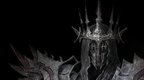
Weird Beluga’s Duskfade is a compact action-adventure game, blended with platforming and Metroidvania-style elements. The story is set in a surreal clockpunk aesthetic world, built from fractured memories, mechanical decay, and rhythmic traversal.
Weird Beluga is a small Spanish indie team best known for Clid the Snail, a moody top-down action game that hinted at their interest in atmospheric worlds and stylized combat. They don’t have big-name industry veterans on staff, but they’re carving out a niche for bold art direction and compact, handcrafted experiences that are extremely reminiscent of the nostalgic PlayStation 2 days.
Duskfade mixes character-action combat with platforming challenges, wrapped in an atmospheric soundtrack that leans heavily on pulsing synths and metallic textures. The premise is simple enough, where the player descends through distorted layers of a shattered world, yet the game’s presentation gives it a unique flavor.
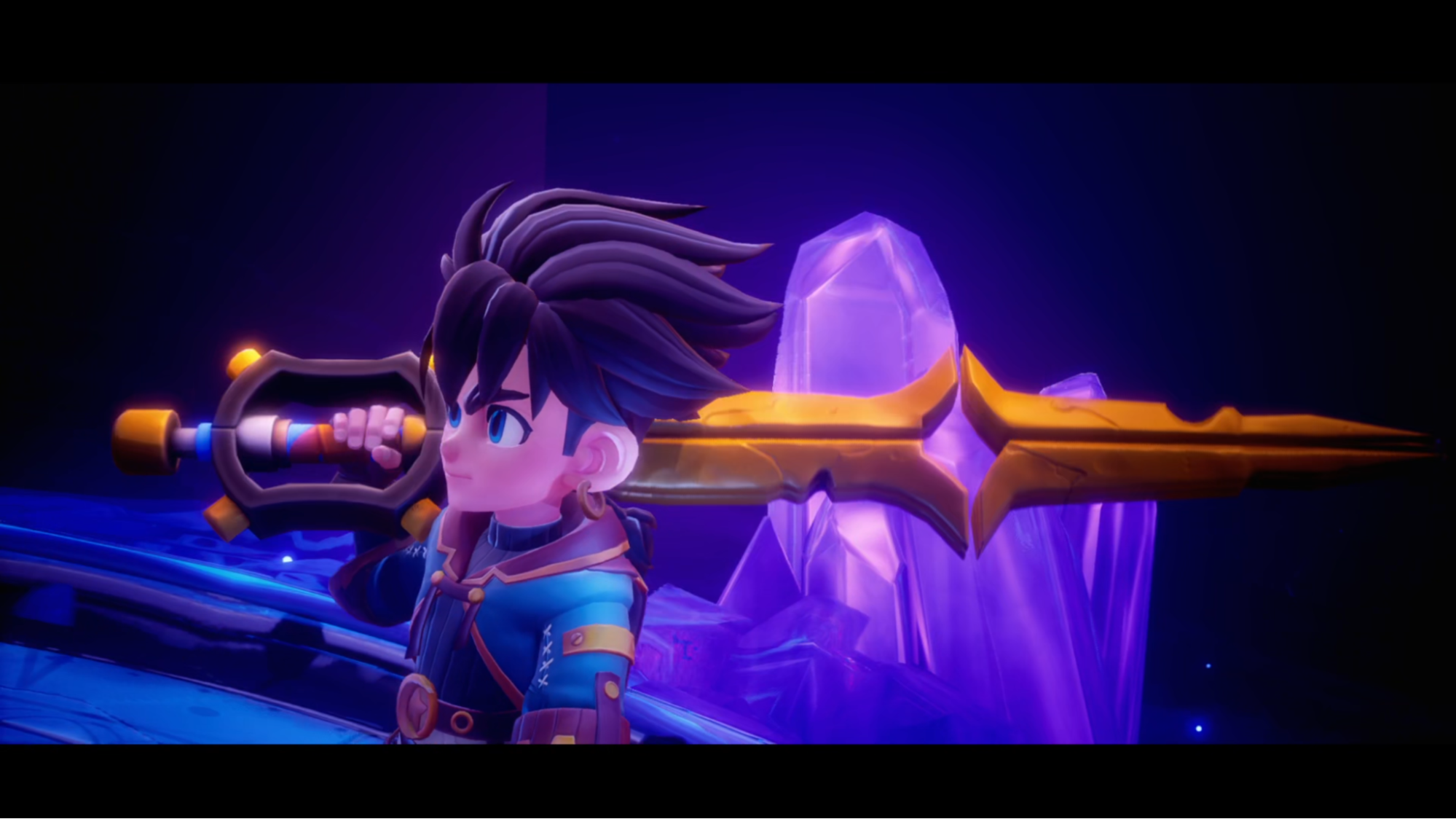
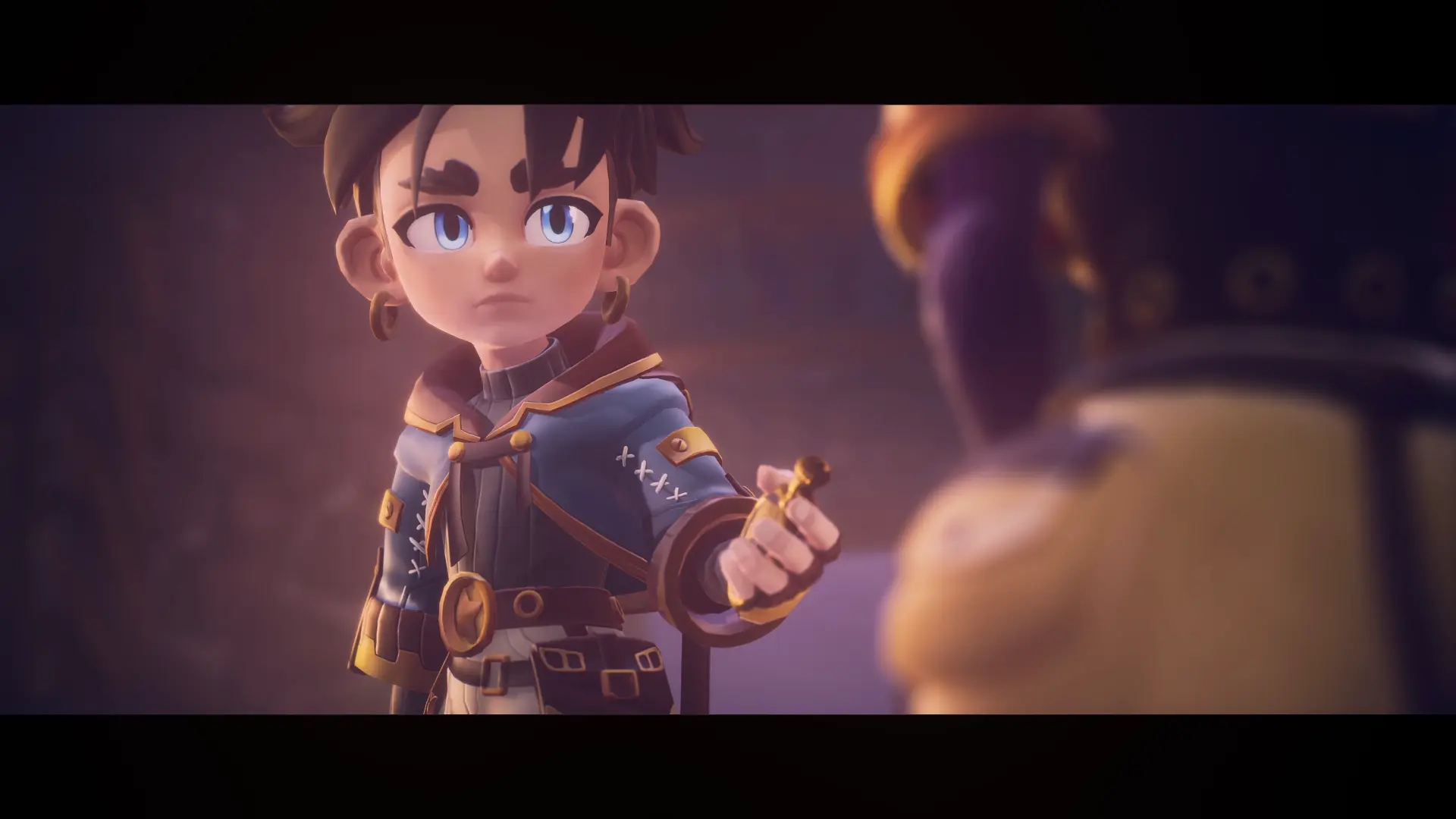
Players control the young protagonist, Zirian, on an adventure to save his sister after her invention had a catastrophic accident, causing the world to shatter and plunge into an eternal night. Zirian must break the chains binding the night and return the world to daytime.
It’s short, dense, and stylish, offering a weekend-sized adventure that knows exactly what it wants to deliver, without overstaying its welcome or stretching itself thin.
Our review for Duskfade was conducted with the PC version on Steam.
Highs
The Clockpunk Aesthetic and Music
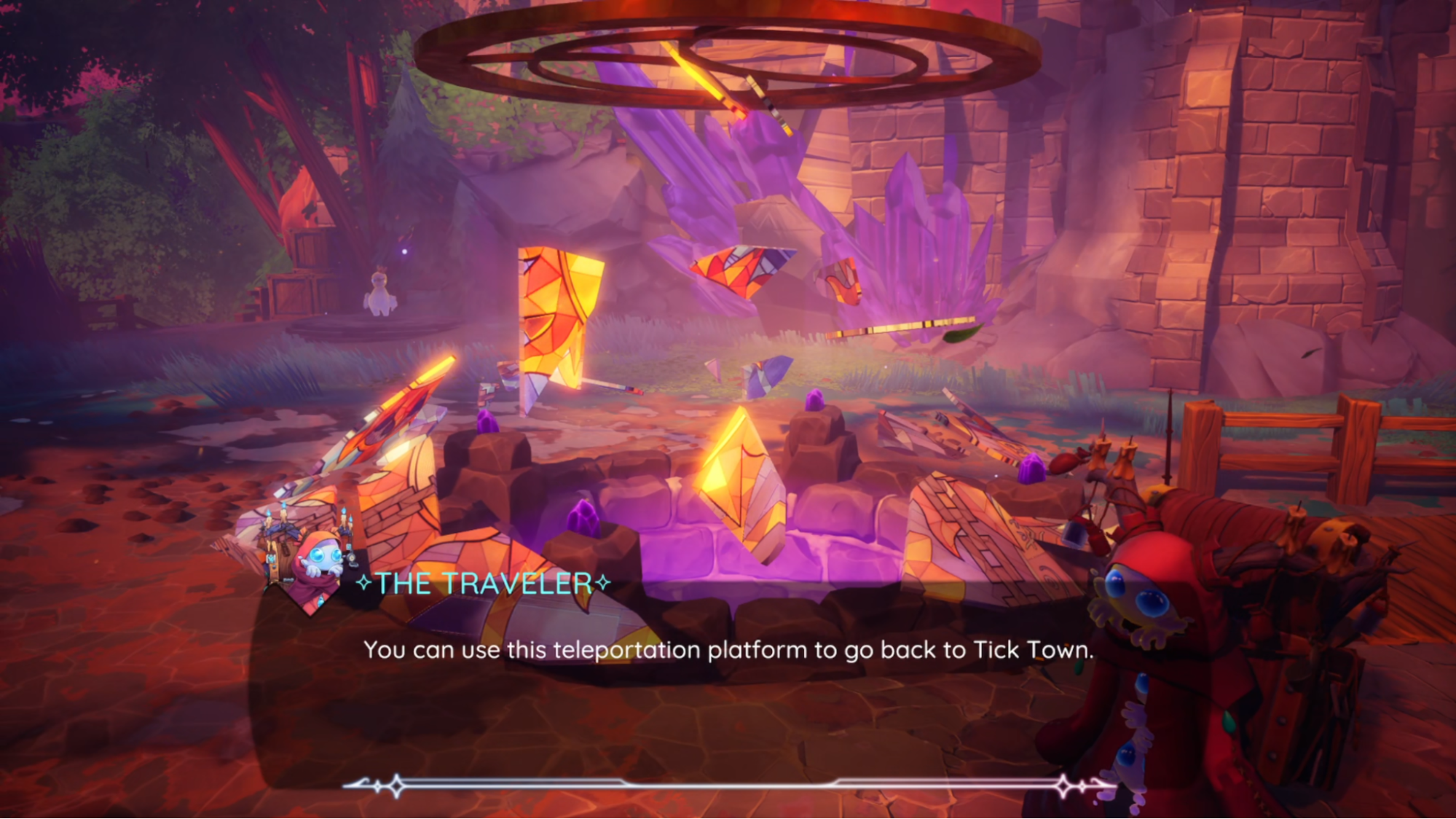
Duskfade’s clockpunk aesthetic is the standout feature that defines the entire experience. Weird Beluga leans into rusted machinery, ticking motifs, and surreal architecture to create a world that feels both eerie and strangely inviting.
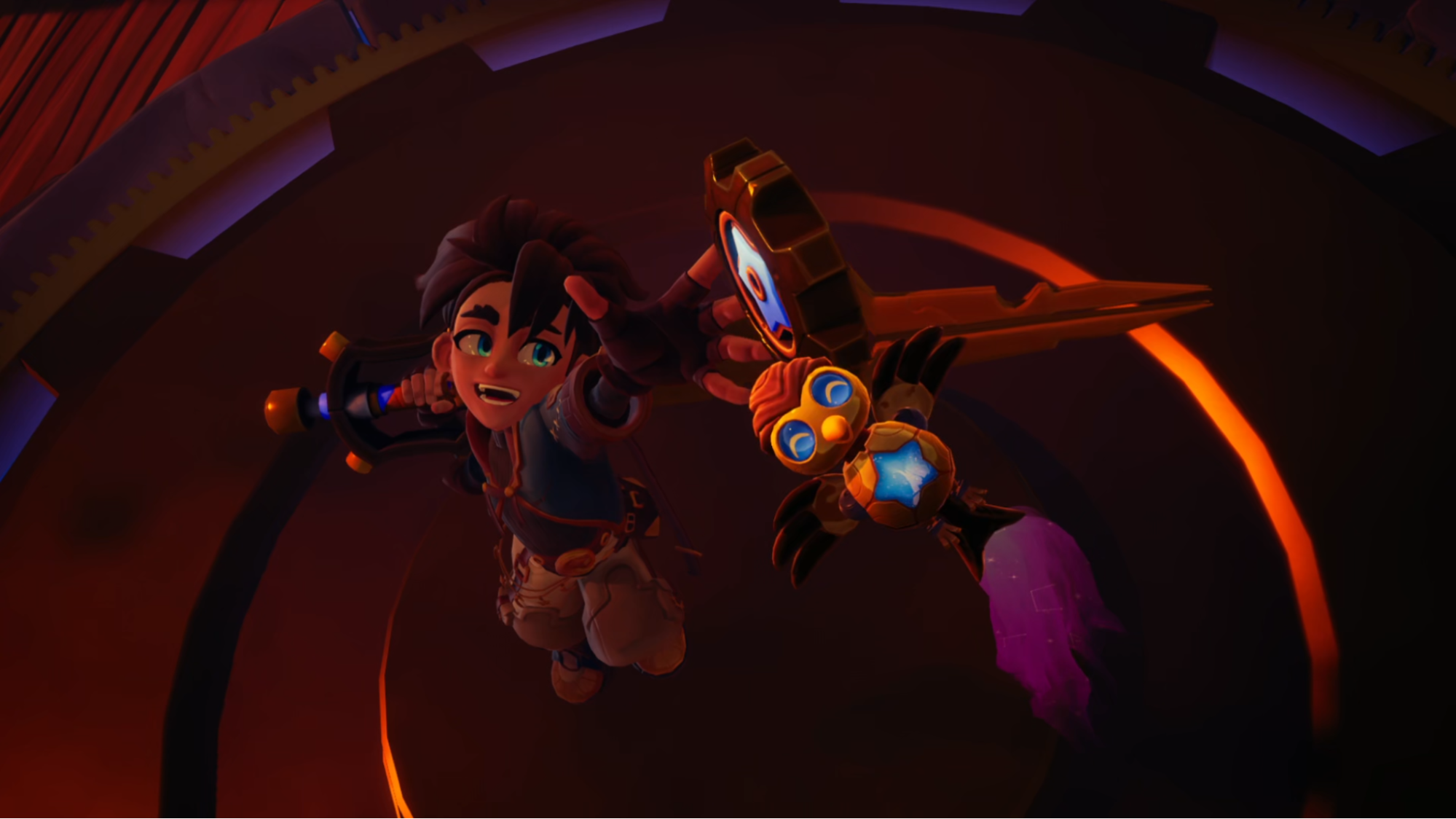
The main protagonist, Zirian, dons weapons and abilities that exhibit this theme. His sword, Minutero, is shaped like a clock hand and is a clear homage to Sora’s signature Keyblade from Kingdom Hearts.
You gain abilities later on that fit the theme well, including a grappling hook that takes the form of weight shells from a grandfather clock, and his trusty companion, Cuckoo, is a mechanical cuckoo-clock bird that has come to life.
The soundtrack elevates the experience further, using pulsing synths and mechanical beats in each zone, and a comforting and thematic ticking sound as you travel. While the music can change abruptly, turning boss fights into a Doom Eternal soundtrack, it still fits the theme and helps elevate combat to feel more intense and enjoyable.
Short but Dense
Duskfade’s pacing is one of its biggest strengths. The game respects your time by keeping levels linear and compact, with clear objectives and new ideas flowing at a steady rate.
It’s short enough to finish in a weekend, yet dense enough to feel complete, striking a balance that many narrative-driven action games struggle to achieve. Every zone introduces something fresh, whether it be traversal mechanics and challenges, new enemy types, or even just thematic environmental twists.
Collectibles help round out this density. Upgrade materials and currency, audio-log-style Echoes, and items to collect for NPCs are scattered abundantly but meticulously, acting as small rewards that encourage light exploration and break up combat, without adding unnecessary runtime. Some add flavor to the world, while others act as rewards after difficult platforming sections of the beaten path.
The tight runtime also means the game avoids filler. While there is some later backtracking once you unlock new abilities, the majority of the game is short and sweet. There are no bloated side quests, repetitive detours, or segments that drag.
Instead, Duskfade focuses on delivering a short, curated experience where each moment has a purpose. Even the quieter sections feel intentional, acting as breathers that let you absorb the world’s atmosphere before diving back into the action.
Combat and Platforming
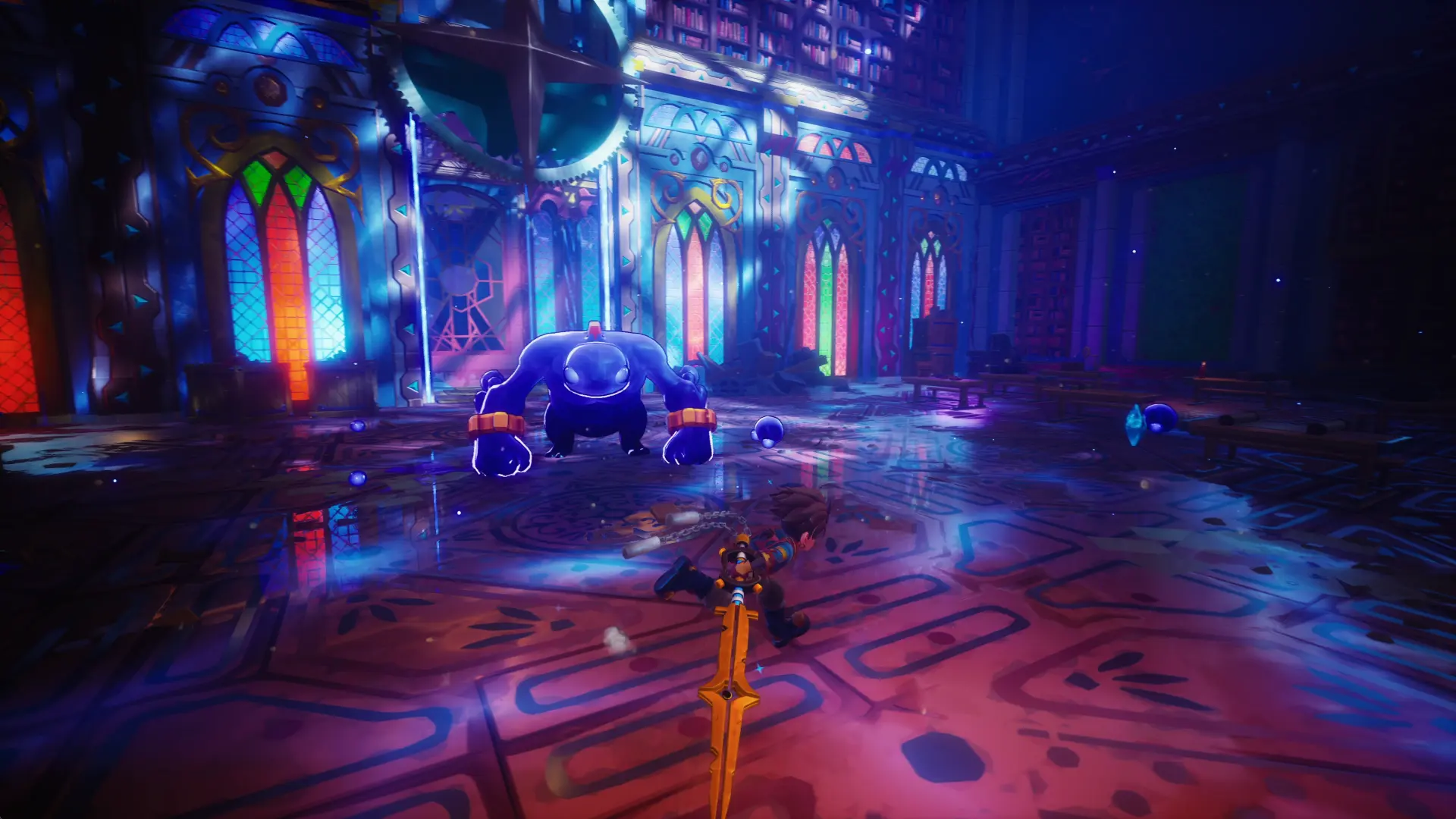
Combat in Duskfade feels responsive from the first swing, where attacks land cleanly and dodges snap into place. Enemy patterns are fast but readable, encouraging you to stay mobile with dodges and jumps rather than relying on brute force.
Last-second dodges from attacks can slow down time, which allows you to follow up with a rapid stabbing attack, or can tennis-hit projectiles back at enemies like a Legend of Zelda Ganondorf boss fight.
The only complaint is that combat might feel too easy for a lot of players. I played on the intended difficulty by the developers, and it felt too cheesy to be able to negate all damage by spamming the dodge button, and to have plenty of health potions and/or healing checkpoints either before or after a combat encounter.
Platforming sections, however, add welcome variety and break up fights with traversal challenges that keep momentum high. While jumping can sometimes feel a little floaty, the segments are quick and punchy, and integrate smoothly into the game’s pacing.
Zirian can double jump, dash midair, use his grappling hook, and even dodge before a jump to leap across large gaps, mimicking the bullet jump mechanic that WarFrame players are all too familiar with.
They help reinforce the world’s mechanical clockpunk identity by using movement to express themes about time and decay. The combination of combat and platforming gives Duskfade a satisfying rhythm, and transports you right back to the PlayStation 2 era of combat platformers.
Lows
Content is Linear and Somewhat Lacking
Duskfade’s tight focus comes with a noticeable trade-off. The game is linear, and while each zone looks distinct, the overall structure doesn’t offer much variety. Enemy types repeat often, side content is minimal, and the progression path leaves little room for experimentation.
Once you’ve seen the core loop, the game doesn’t expand on it in meaningful ways, which makes the midgame feel predictable even though the pacing of other elements remains strong.
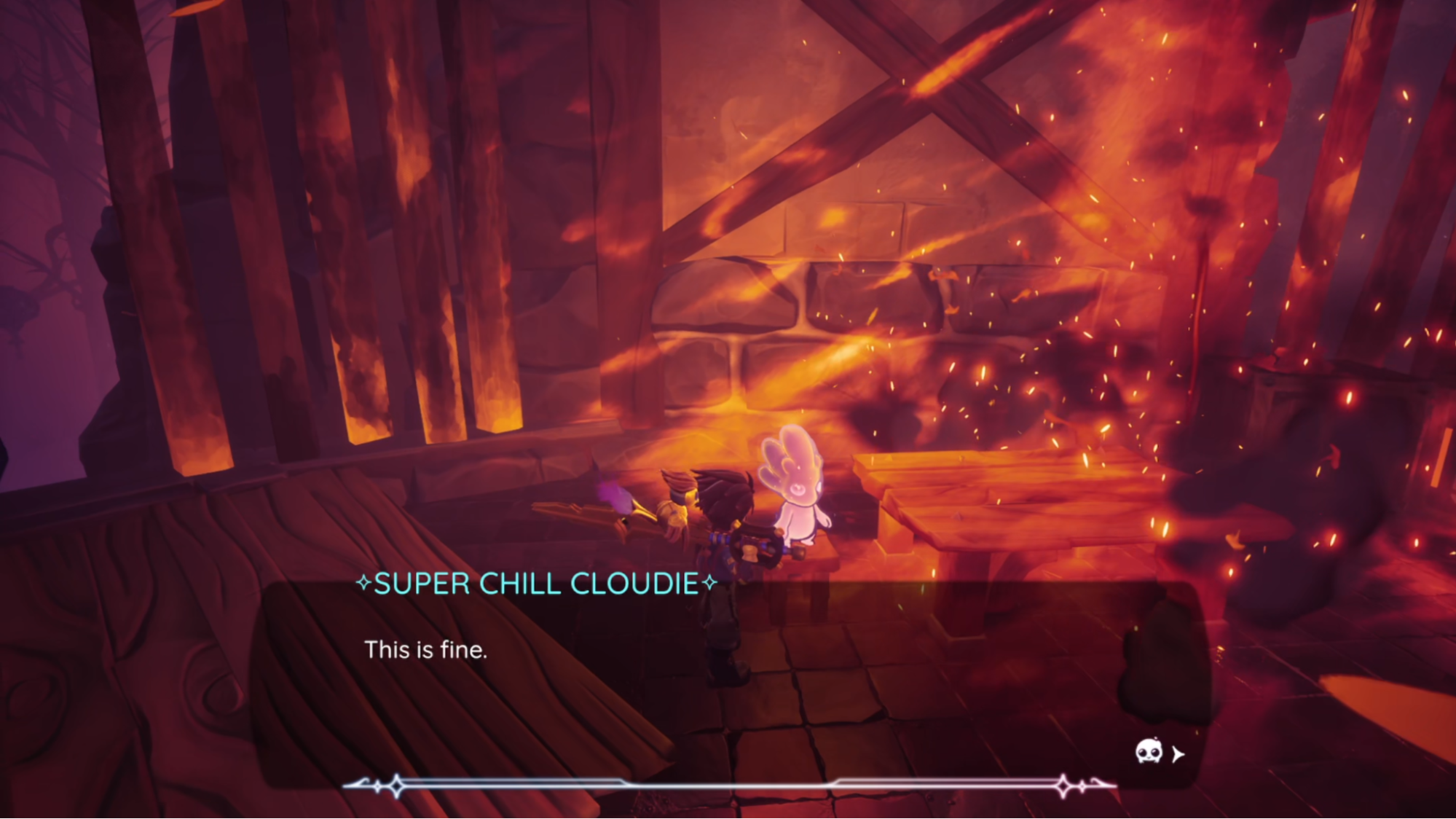
The world feels rich enough to support more optional content, yet the game rarely gives you opportunities to explore beyond the main path. While you do meet plenty of funny NPCs to talk to, with some even having meta-commentary or references to memes, none of them really give you anything to do or reward you in any way.
A few more unique encounters or side challenges would’ve helped flesh out the experience and make the world feel more lived-in. The core loop is strong, but the game doesn’t fully capitalize on its potential, which will leave many players wanting more depth and variety.
Performance Issues
While Duskfade generally runs well, certain effects-heavy areas can cause noticeable dips that break immersion. Transitions between zones stutter hard, and larger encounters push the engine harder than expected. Environmental transitions also cause a lot of object and texture pop-in. I have a very powerful rig with an RTX 5070 Ti and a Ryzen 9 9800x3D, so playing a game like this should be effortless for my build.
Many times when being transported to a new area, I could hear my GPU ramping up loudly, and even my recording software started giving me warnings. These issues aren’t constant, but they’re disruptive enough to stand out during key moments, especially in areas where the atmosphere relies heavily on smooth visual transitions.
Cutscenes are also locked to 30FPS. While many players, including myself, do not mind if cutscenes have a low framerate when done well, such as in this case, the start and end of cutscenes can cause large stutters and freezes, causing an extremely jarring effect.
The performance hiccups don’t ruin the experience, yet they highlight areas where optimization could be improved. A few patches should smooth things out, particularly for mid-range hardware, but the current state leaves room for refinement. For a game that leans so heavily on atmosphere and visual cohesion, even small dips feel more pronounced than they should.
Story Is Familiar but Not Especially Unique
Duskfade’s narrative aims for emotional resonance, but it leans on familiar tropes about memory, trauma, and self-discovery.
The presentation is stylish, the underlying plot beats feel predictable, and some character motivations lack depth. The symbolism is clear, yet the delivery doesn’t always land, leaving the story feeling more functional than impactful.
It features a very bog-standard plot of rescuing a loved one, with some quirky characters here and there that give the player some minor chuckles, but nothing that sticks emotionally or memorably.
The voice actors give a good performance, but the writing and script definitely limit what could create an emotionally invested experience. While I was never bored or checked out, I was also not invested in the story, and mainly just focused on the traversal and combat rather than the plot.
The game’s world is strong enough to support a more ambitious narrative, but the writing doesn’t fully take advantage of that potential. Certain scenes feel underdeveloped, and the emotional stakes don’t always hit as hard as they should.
It’s serviceable enough to support the gameplay, yet it won’t linger with most players after the credits roll. The story does its job, but it doesn’t elevate the experience in a meaningful way.
Our Score
7/10 (A Compact Clockwork Adventure)
Duskfade is a stylish, tightly crafted action-adventure that thrives on its clockpunk identity, responsive combat, and confident presentation. Weird Beluga leans into a very specific aesthetic, and the result feels almost like a lost PS2-era experiment, the kind of compact, mechanically driven game you’d stumble upon, finish over a weekend, and remember mostly for its vibe rather than its narrative.
Duskfade has that unmistakable “short but punchy” energy that defined so many mid-budget titles from that era, where creativity mattered more than scale, and pacing was built around keeping players engaged rather than overwhelming them.
It’s a fun, dense romp that delivers exactly what it promises. The combat feels good, the platforming keeps momentum high, and the world’s aesthetic is strong enough to carry the experience even when the story doesn’t.
But it’s also the kind of game you pick up, enjoy for a few hours, finish, and then put down without thinking too much about afterward. And with its generous cost of $29.99 USD, with a launch sale, it’s a very easy price point for interested players.
For players who appreciate focused adventures with strong aesthetics and responsive gameplay, it’s absolutely worth diving into. But if you're looking for something bigger or better, you might not feel as drawn to it as other Indie titles.
Reviewed by Jack Briggs (originally published August 13, 2026)