menu
MobalyticsUse your favourite features in-game with our Desktop App
Gamebase Guide

Project Zomboid: Beginners Guide (Build 42.20)

Guides
By Oli
Updated on Aug 11, 2026
Aug 11, 2026

Overview

Project Zomboid can be overwhelming when you first start playing, especially in Build 42.20. With so many mechanics to learn and no clear objectives, knowing what to focus on can make your first few days much easier.

This guide covers the key things every new player should know, including:

  • Finding Weapons
  • Zombie Combat
  • Managing Endurance
  • Looting Essentials
  • Finding a Safehouse
  • Understanding Moodles
  • Managing Food and Water
  • Treating Injuries
  • Learning Your Surroundings
  • Preparing for the Long Term

With these basics covered, you'll be better prepared to survive your first few days and start building a long term survivor.
Find a Weapon

One of your first priorities after spawning should be finding a weapon. You don't need to find the best weapon in the game, as a simple melee weapon is enough to defend yourself while you explore nearby buildings.

Search houses, garages, sheds and other buildings for useful weapons and tools such as:

  • Baseball bats
  • Crowbars
  • Hammers
  • Kitchen knives
  • Frying pans
  • Axes
  • Screwdrivers

You should also keep an eye out for a backpack, as increasing your carrying capacity early makes looting much easier.

However, finding a weapon doesn't mean you should immediately start fighting every zombie you see. Combat becomes much more dangerous when multiple zombies are involved, particularly while your character is inexperienced or exhausted.

Learn How to Fight Zombies

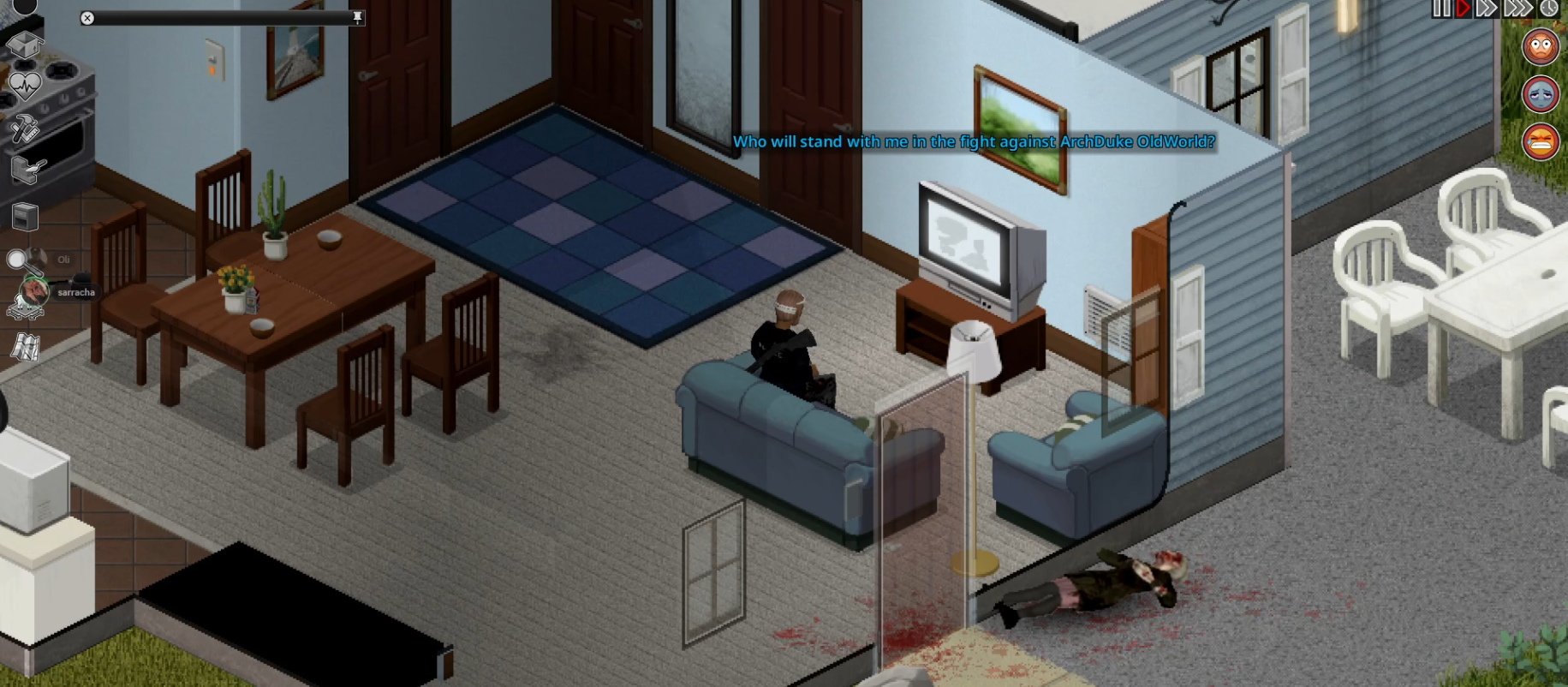
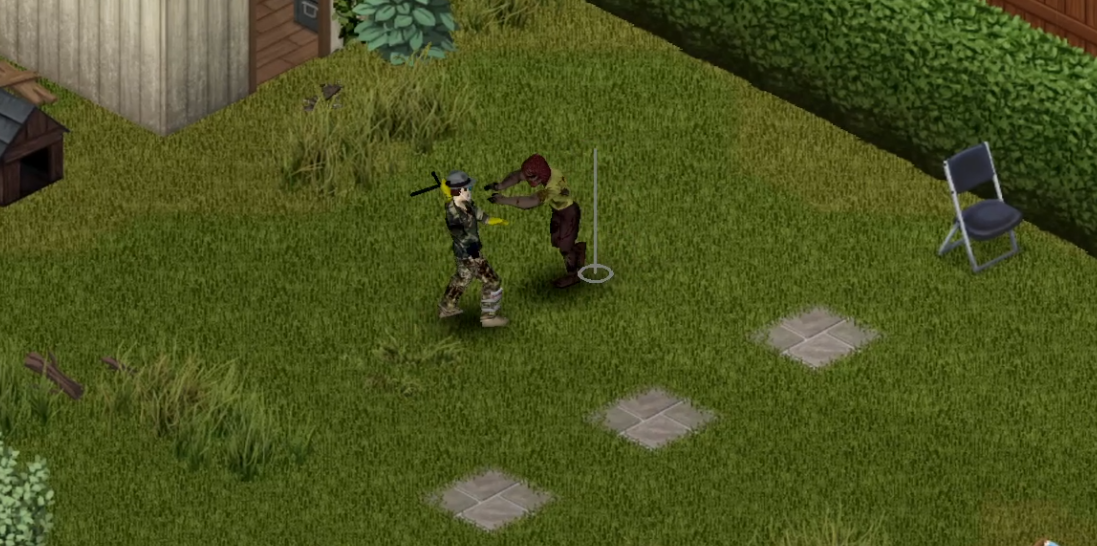
Combat is one of the most important systems to learn in Project Zomboid, and the biggest mistake beginners make is taking on groups that are too large. Try to separate zombies from groups whenever possible and keep them in front of you, avoiding situations where they can surround your character. Don't be afraid to retreat if a fight starts becoming dangerous, especially if your character is already tired or injured.

Your weapon's condition and your character's physical condition both matter during combat, so pay close attention to your Endurance during prolonged fights. Becoming exhausted can quickly turn a manageable group into a deadly situation, so know when to stop fighting and create some distance.

Remember, you don't have to kill every zombie you encounter. If a group is blocking your path, walking around them and finding another route may be much safer than fighting them.

Don't Sprint Everywhere

Sprinting is useful when you need to escape danger, but it shouldn't be your default movement speed. Running constantly drains your Endurance, and becoming exhausted at the wrong time can leave you unable to fight or escape.

Walking is often enough to create distance from zombies, particularly when you have plenty of room to maneuver. Save sprinting for emergencies and try to keep enough stamina available whenever you're exploring an unfamiliar area or heading into a potentially dangerous situation.

Loot the Right Things

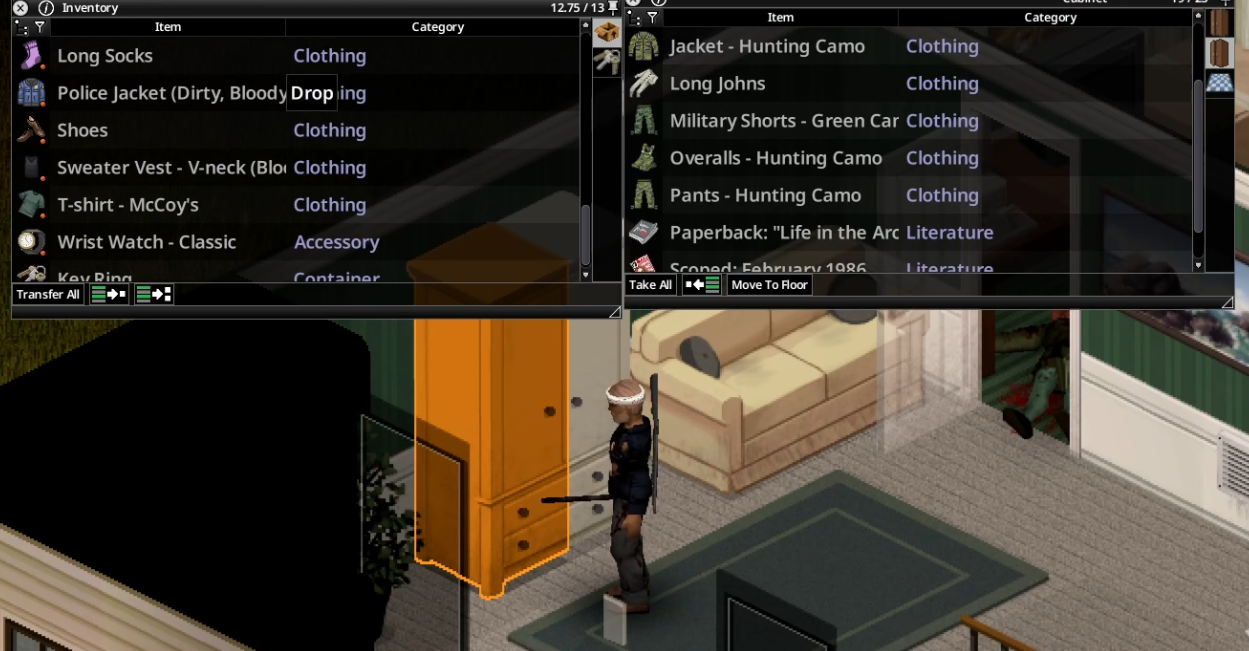
You don't need to empty every building you enter. Instead, focus on finding items that improve your immediate chances of survival while leaving less useful items behind until you have somewhere safe to store them.

Early on, prioritise:

  • Food and water
  • Weapons
  • A backpack
  • Medical supplies
  • Hammer
  • Screwdriver
  • Saw
  • Nails
  • Useful clothing

Tools become increasingly important as you progress because they allow you to repair, build and craft useful items. When you find something valuable that you don't immediately need, consider storing it at your base instead of carrying it around.

Your first few looting trips should be about establishing a reliable supply of essentials rather than filling your inventory with everything you can find.

Find a Safe Place to Sleep

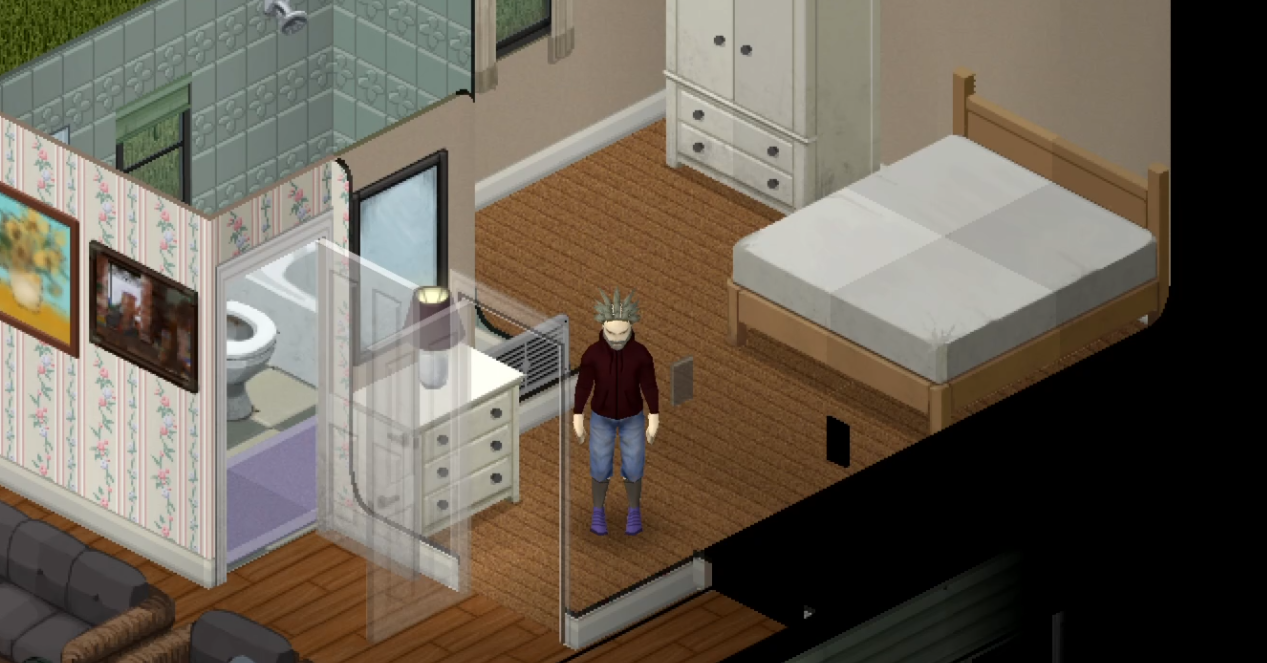
Finding somewhere safe to sleep should be one of your early priorities. You don't need to establish the perfect permanent base immediately, but a reasonably secure house gives you somewhere to rest, recover and store your supplies while you learn the surrounding area.

When choosing a location, look for:

  • Relatively few entrances
  • Curtains or blinds
  • Enough storage space
  • Useful buildings nearby
  • A manageable number of zombies
  • A way to escape if the area becomes dangerous

Once you've chosen somewhere, close the curtains and secure doors and windows. As you become more experienced, you can improve your base with better storage, construction and other defensive measures.

Pay Attention to Moodles

Moodles are one of the most important systems for new players to understand. The icons on the right side of your screen show your survivor's current physical and mental condition and can warn you about problems before they become serious.

You can experience Moodles for things such as:

  • Hunger
  • Thirst
  • Tiredness
  • Endurance
  • Panic
  • Stress
  • Pain
  • Injuries

Don't simply ignore your Moodles. Allowing a problem to become severe can make survival much harder, particularly when you're already dealing with zombies or other dangers.

If you want to learn more about Moodles, including their causes, effects, and cures, check out our Moodles Guide!

Keep Food and Water Available

Food and water are essential, but you don't need to panic whenever your Hunger or Thirst Moodles appear. Keep a supply of food and clean water at your base, and carry enough with you whenever you're going on a longer trip.

Food has different nutritional values, so you'll eventually want to pay more attention to your survivor's diet. However, when you're just starting out, maintaining a reliable food supply is more important than creating a perfect diet.

Water is especially important to prepare for because your normal water supply won't last forever. At the start of the game you can use the sinks in houses but whenever you find containers that can hold water, keep some at your base so you have reserves available later.

Treat Injuries Immediately

Injuries can become a major problem if they're ignored. If your survivor starts bleeding, stop and treat the injury as soon as you safely can rather than continuing to explore while losing health.

Keep basic medical supplies at your base, including:

  • Bandages
  • Disinfectant
  • Alcohol wipes
  • Painkillers
  • Tweezers

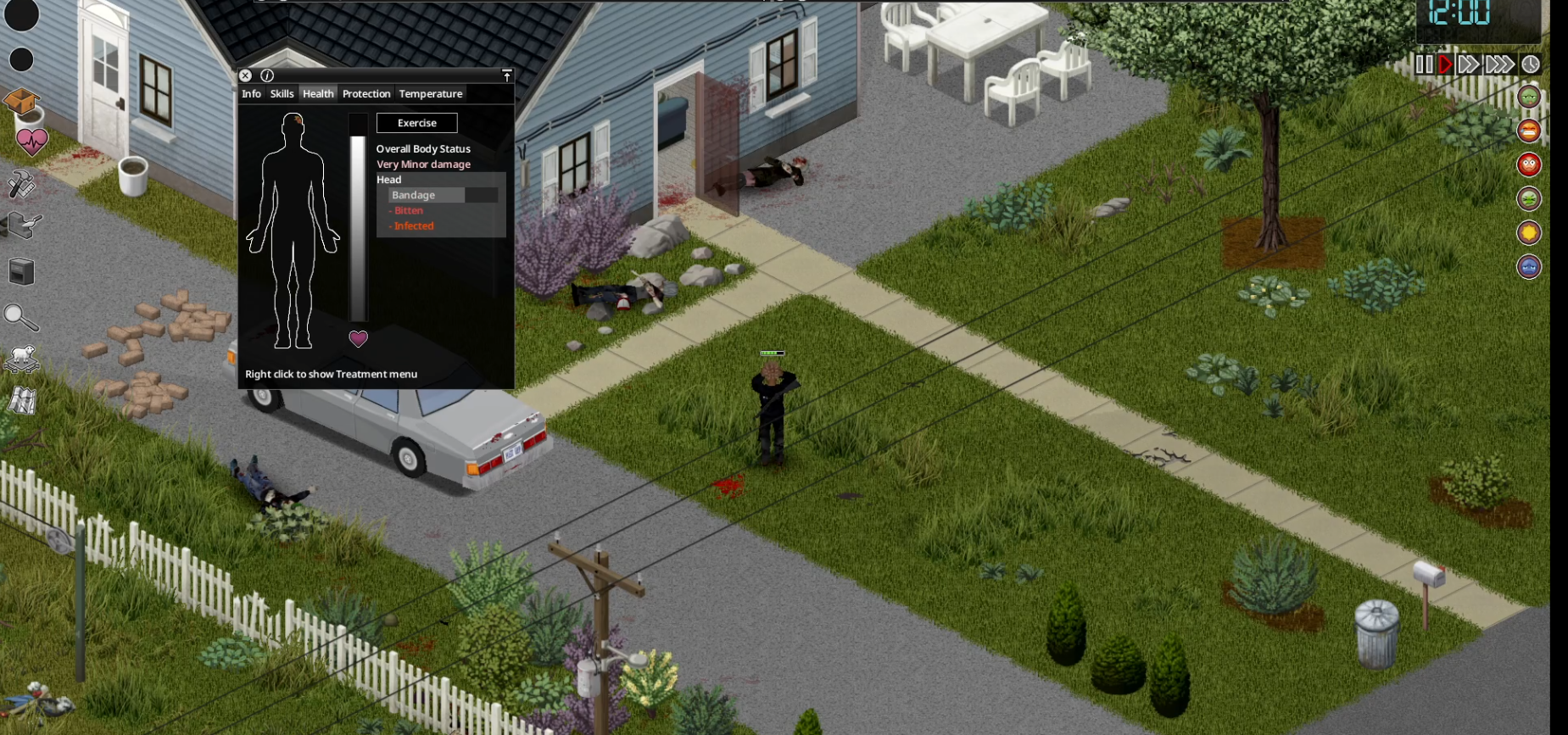
You can check your injuries through the Health panel, which should become one of the places you regularly check after taking damage.

It's also worth checking your Health panel after taking damage even if the injury doesn't initially seem serious. Getting injured while fighting zombies is dangerous enough, and allowing an untreated injury to become another problem can make an already difficult situation much worse.

Learn Your Surroundings

Once you've established a temporary base, start learning the area around you. Knowing where useful locations are will make future supply runs much safer and reduce the amount of time you need to spend wandering around unfamiliar areas.

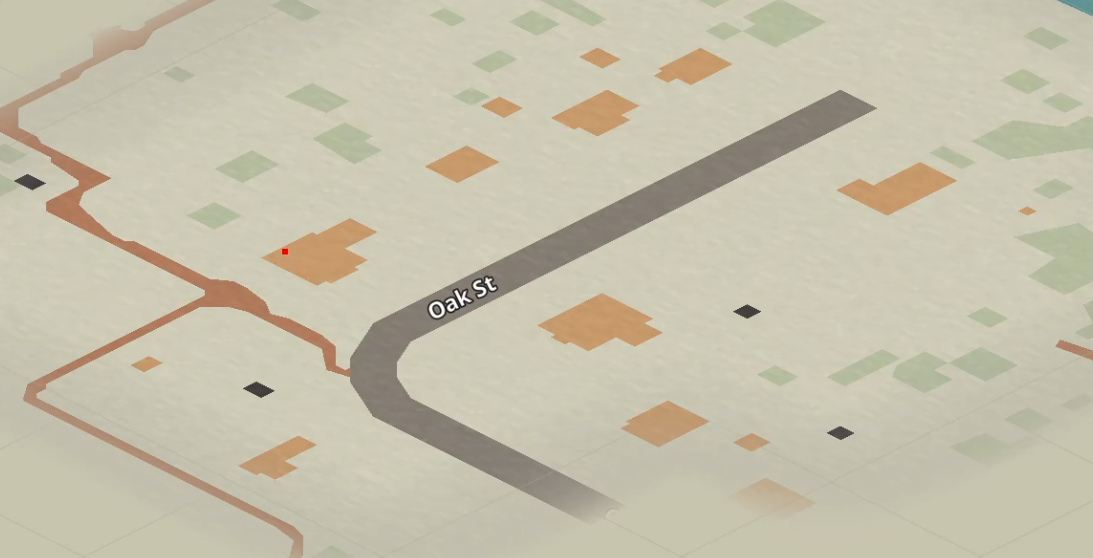
If you find a pencil, make use of the map to mark important locations as you explore. You can mark places such as:

  • Grocery stores
  • Medical buildings
  • Hardware stores
  • Warehouses
  • Gas stations
  • Restaurants
  • Useful vehicles
  • Areas with large zombie groups
  • Your safehouse

Marking locations as you discover them makes it much easier to plan future trips, especially when you're still learning the area. You can also use your map to keep track of places you've already searched or locations you want to return to later.

Over time, you'll build a useful map of the area surrounding your base, making future supply runs much easier and safer.

Start Preparing for the Long Term

The first few days are mostly about immediate survival, but eventually you'll need to start preparing for the problems that come later. Electricity and water will not remain available forever, so use your early game time to gather supplies that will help you survive when the utilities eventually stop working.

Start collecting useful items such as:

  • Water containers
  • Generator-related supplies
  • Fuel
  • Tools
  • Building materials
  • Food
  • Cooking equipment

You don't need to solve every long-term problem on your first day. Instead, gradually build up a stockpile while exploring and improving your base.

The important thing is to prepare while you still have easy access to supplies. Waiting until something becomes an emergency usually makes the problem much harder to solve.

Final Tips

If you're starting Project Zomboid Build 42.20 for the first time, remember these basic rules:

  • Don't fight large groups of zombies.
  • Don't sprint unless you need to.
  • Keep an eye on your Moodles.
  • Treat injuries immediately.
  • Don't carry more than you need.
  • Keep food and water at your base.
  • Avoid unnecessary noise.
  • Learn the area around your safehouse.
  • Always have an escape route.
  • Don't take unnecessary risks.

The goal isn't to survive the entire apocalypse on your first attempt. Start small, learn from your mistakes and gradually build a survivor capable of surviving for longer and longer.

In Project Zomboid, one more day alive is always a victory.

Table of Contents

See More

Mistfall Hunter Class Tier List
Updated on Aug 11, 2026
Marvel Tōkon Tier List (All Characters Ranked)
Updated on Aug 11, 2026
Project Zomboid: Beginners Guide (Build 42.20)
Updated on Aug 11, 2026
Project Zomboid: How to Survive After the Water and Power Shut Off in Build 42.20
Updated on Aug 10, 2026
Horde Siege Beginner Guide - Gears of War: E-Day
Updated on Aug 10, 2026

Like our guides?

Add Mobalytics as a preferred source on Google!