Platform: PC, PlayStation 5, Xbox Series, Xbox One
Developer: Pocketpair
Publisher: Pocketpair
Pocketpair, the small Tokyo studio that somehow turned a meme into a megahit, finally brings Palworld out of Early Access with its 1.0 launch on July 10, 2026. After roughly thirty months of development, multiple delays, and a cinematic reveal at Summer Games Fest, the game arrives as the studio’s biggest update ever. The patch touches story, world design, bosses, gear, traversal, and the long‑teased World Tree region.
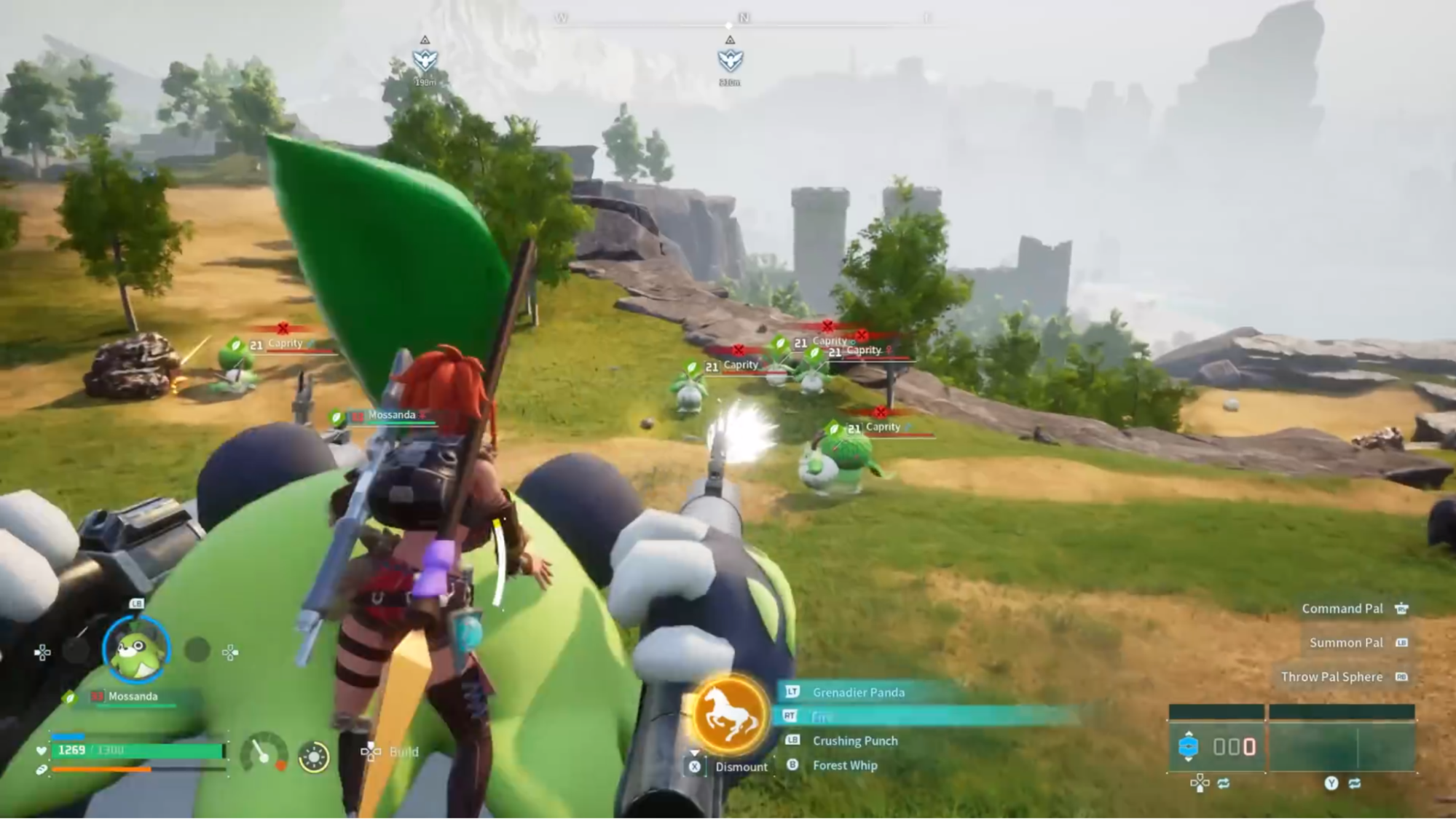
Palworld blends survival‑crafting, monster‑collecting, third‑person shooting, and base automation into a genre hybrid that shouldn’t work but somehow does. Its 1.0 update introduces new Pals, new weapons, floating islands, offshore base building, revamped Tower Bosses, and a reworked Wildlife Sanctuary ecosystem.
The premise remains simple: explore Palpagos, capture Pals, build your empire, and uncover the mysteries behind the world’s strange energy. But 1.0 finally gives that premise a proper narrative spine. A hint of the verdict? Palworld 1.0 is the most confident version of itself yet and is one of the best cases of a game moving from Early Access to full release in recent times.
Our review for Palworld was conducted with the PC version on Steam.
Highs
A Massive, Meaningful World Overhaul
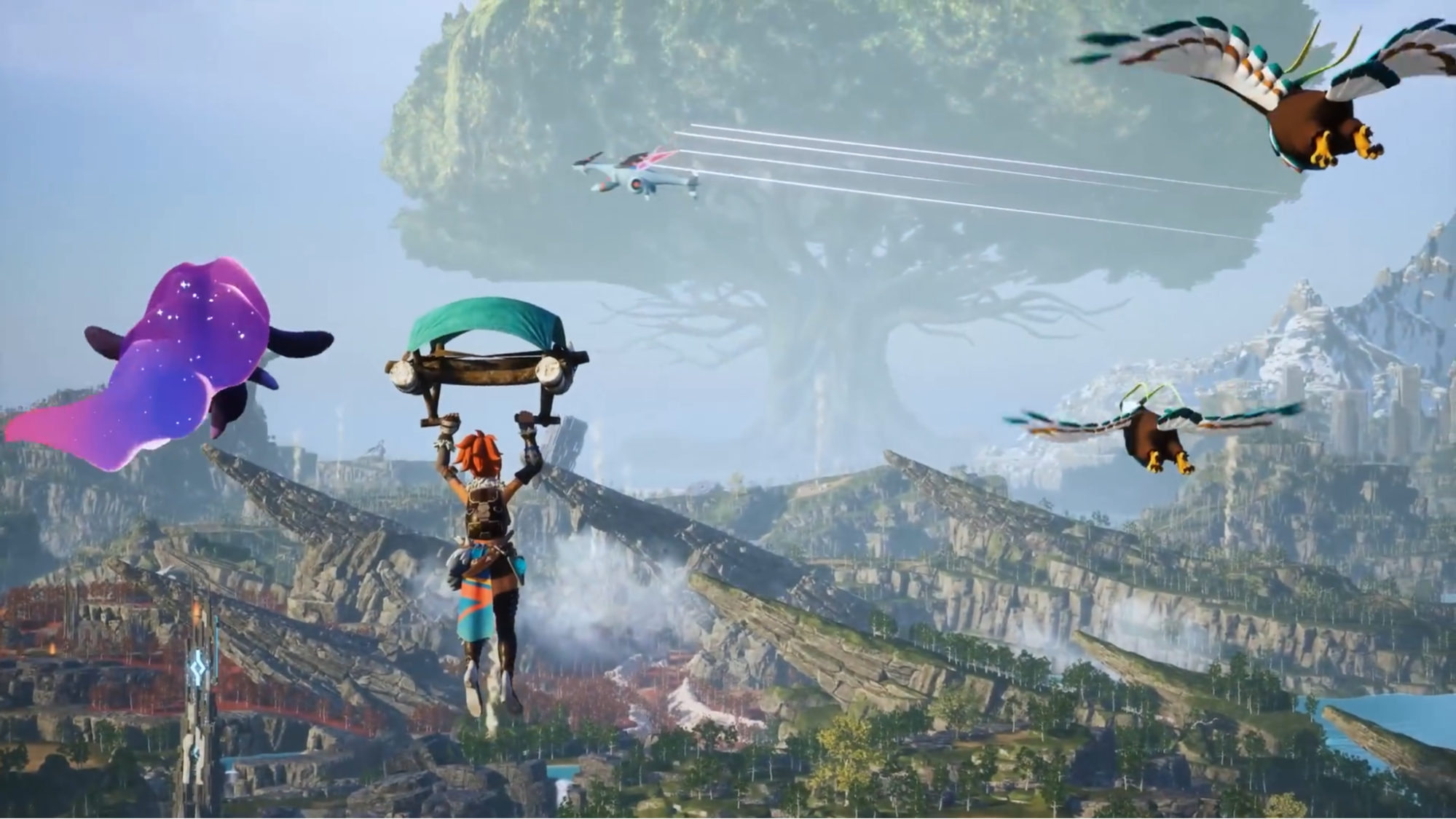
The biggest selling point of Palworld 1.0 is how dramatically the world has evolved. The World Tree region isn’t just a new biome, it’s a full narrative crescendo that finally pays off years of speculation.
The climb toward the canopy is layered with bespoke encounters, environmental puzzles, and lore drops that make the world feel more intentional than ever. It’s the kind of zone that makes you stop, pan the camera, and soak in the atmosphere.
Floating islands add a new dimension to exploration, literally. They create natural micro‑challenges as you figure out how to reach them, and they reward curiosity with rare Pals, unique crafting materials, and hidden shrines. Traversal feels more dynamic thanks to the new verticality, and the islands help break up the rhythm of long expeditions across Palpagos.
The Sanctuary overhaul is another standout. Instead of feeling like themed arenas, Sanctuaries now behave like living ecosystems. Pals interact with each other, patrol routes make sense, and the new Legendary variants create tension when you stumble into their territory. It’s a huge improvement in immersion.
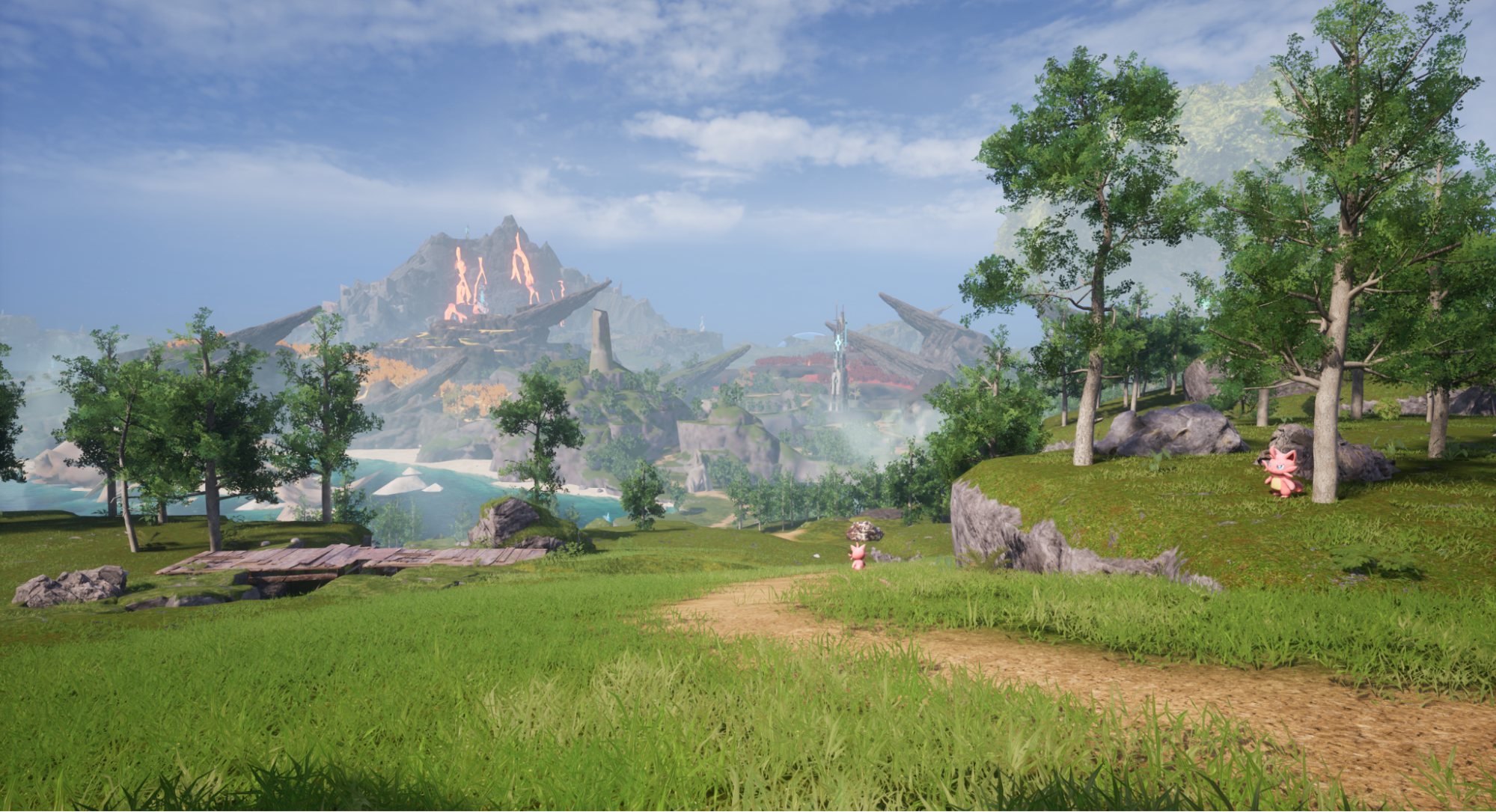
Most importantly, the world finally feels cohesive. Early Access Palworld had great ideas scattered across a messy map. 1.0 stitches those ideas together into a world that’s easier to get lost in and harder to put down.
Pals and Combat Feel Better Than Ever
Palworld’s identity hinges on its Pals, and 1.0 treats them like the stars of the show. The new roster isn’t filler, with each Pal introducing a fresh combat role or utility niche. The two‑handed sword “Sword Eel” Pal changes melee builds entirely, letting you commit to a high‑risk, high‑reward playstyle. The new Legendary Sky Dragon “Jetragon” adds a thrilling aerial combat loop, especially when paired with the revamped flying mounts.
The Wing Pack deserves special praise. It’s one of the most responsive traversal tools in the game, making exploration snappier and giving players more control during mid‑air combat. It’s the kind of item that instantly becomes part of your muscle memory.
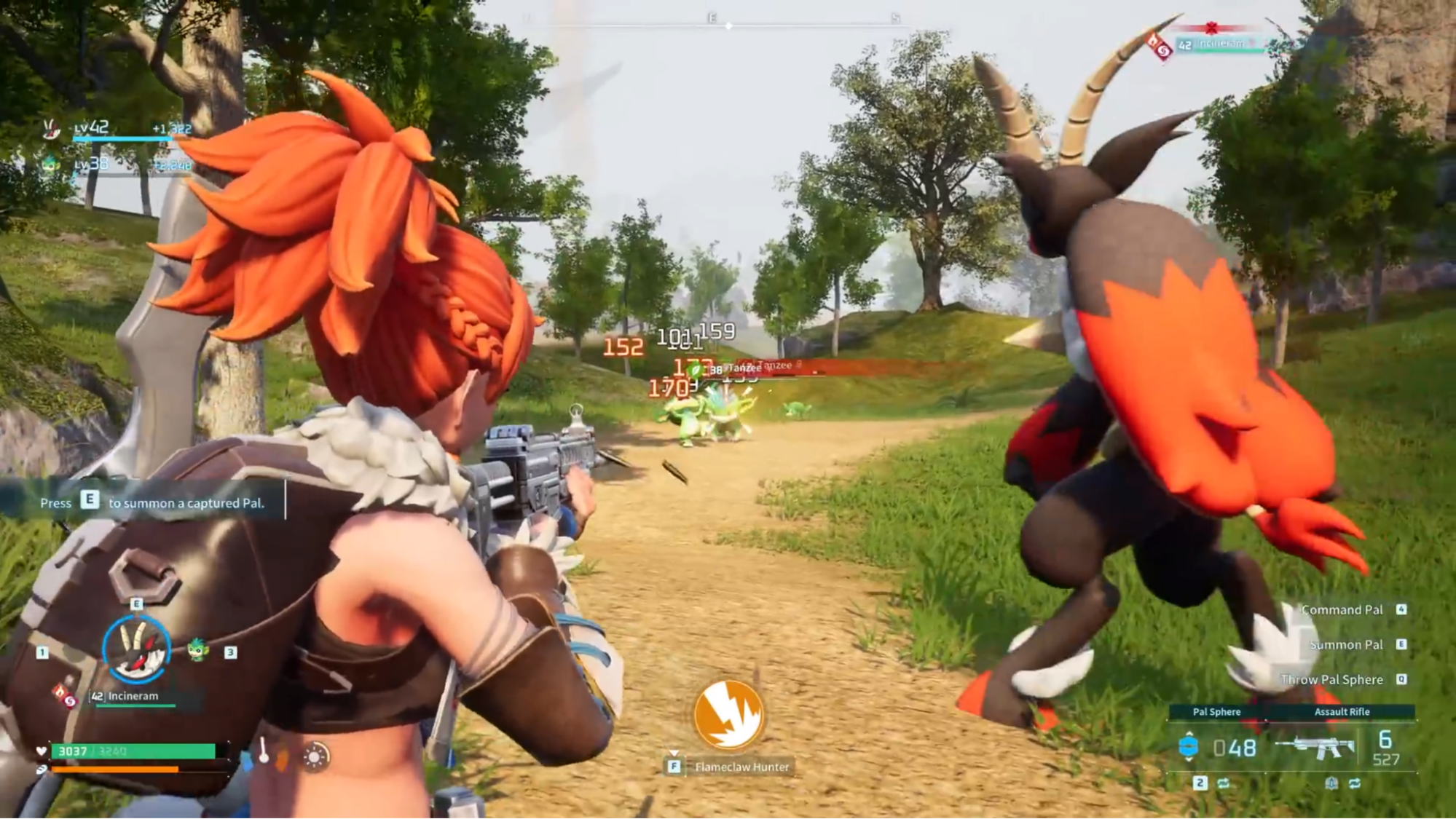
Combat pacing is significantly improved. Tower Bosses are no longer “burst them down with rifles” encounters. They move more, react more, and force you to engage with Pal abilities instead of brute‑forcing everything with firearms. The readability of attacks is better, animations are smoother, and hit feedback feels more satisfying.
Even base defense feels more engaging now. Enemy raids scale more intelligently, encouraging you to experiment with Pal loadouts and defensive structures. The game finally rewards players who invest in combat depth rather than relying on a single overpowered strategy.
A Free Update That Actually Feels Like a Full Release
Palworld joins the rare, small group of Early Access games that genuinely reach a full 1.0 release instead of lingering in development limbo. And the best part? Existing players get the entire update for free. On top of that, Pocketpair made the humble decision to keep the full release price unchanged, rather than increase it when moving it out of Early Access.
The content drop is massive. New story missions, biomes, Pals, weapons, traversal tools, bosses, and automation systems. It’s the kind of update that makes starting a fresh save feel exciting rather than tedious. The game’s active player base means the world feels alive, especially with crossplay still intact.
1.0 also brings a level of polish that Palworld desperately needed. UI improvements make crafting and base management smoother. The new mission structure gives the game a sense of direction without sacrificing sandbox freedom. Even small touches, like improved Pal pathfinding and better base automation logic, make a huge difference in long‑term play.
Most importantly, 1.0 gives Palworld the confidence it lacked. It finally feels like a complete game rather than a promising prototype.
Lows
Performance Issues
Even after the sweeping 1.0 overhaul, Palworld still struggles with performance in ways that feel baked into its DNA. Large bases with dozens of working Pals can cause frame pacing to dip, especially when automation chains overlap or when multiple production lines fire simultaneously.
Players who enjoy sprawling industrial setups will notice hitching more often than those who keep compact bases.
Traversal remains a mixed bag. Flying over dense areas, approaching floating islands, or gliding into the World Tree region can trigger stutters that break immersion. Certain biomes, especially those with heavy foliage or complex lighting, still have inconsistent performance spikes that feel unpredictable.
The game is absolutely playable, but it’s not consistently smooth. Even any landmasses that are further than a short sprint away usually have very low polygonal looks and haven’t loaded in properly.
There are also lingering quirks with physics and collision. Pals occasionally clip into structures or the environment, players and items can jitter when residing on uneven terrain, and some raid encounters spawn enemies in awkward positions.
None of these issues ruin the experience, but they collectively remind you that Palworld’s engine is still fighting against the scale of its own ambition.
Not Every 1.0 Change Hits the Landing
Pocketpair took big swings with the story overhaul, mission structure, and world redesign. Some of those swings land beautifully, but others feel like experiments that didn’t fully mature. The new Acts introduce stronger narrative beats, yet pacing remains inconsistent.
A few segments drag on longer than they should, padding out objectives with repetitive tasks like fetch quests or overly simple combat encounters. Other story moments end abruptly, leaving emotional beats underdeveloped or unresolved.
The Wing Pack and floating islands are fantastic additions, but they occasionally trivialize traversal challenges that used to matter. Older puzzles, platforming sections, and environmental hazards feel outdated now that players can glide past them with ease. It’s a case where a great new mechanic unintentionally undermines older content.
Combat risks also have mixed results. The Tower Boss reworks are more dynamic, but some encounters feel overtuned, especially for players who haven’t invested heavily in specific Pal types. Difficulty spikes can feel artificial rather than earned, and certain bosses rely on damage bursts that punish experimentation rather than reward it.
Even the new Legendary Pals, while exciting, introduce balance quirks. Some are so strong they overshadow mid‑tier options entirely, reducing team variety. Others feel underwhelming compared to their hype, creating a mismatch between expectation and execution.
Base Building Still Feels Far Too Restrictive
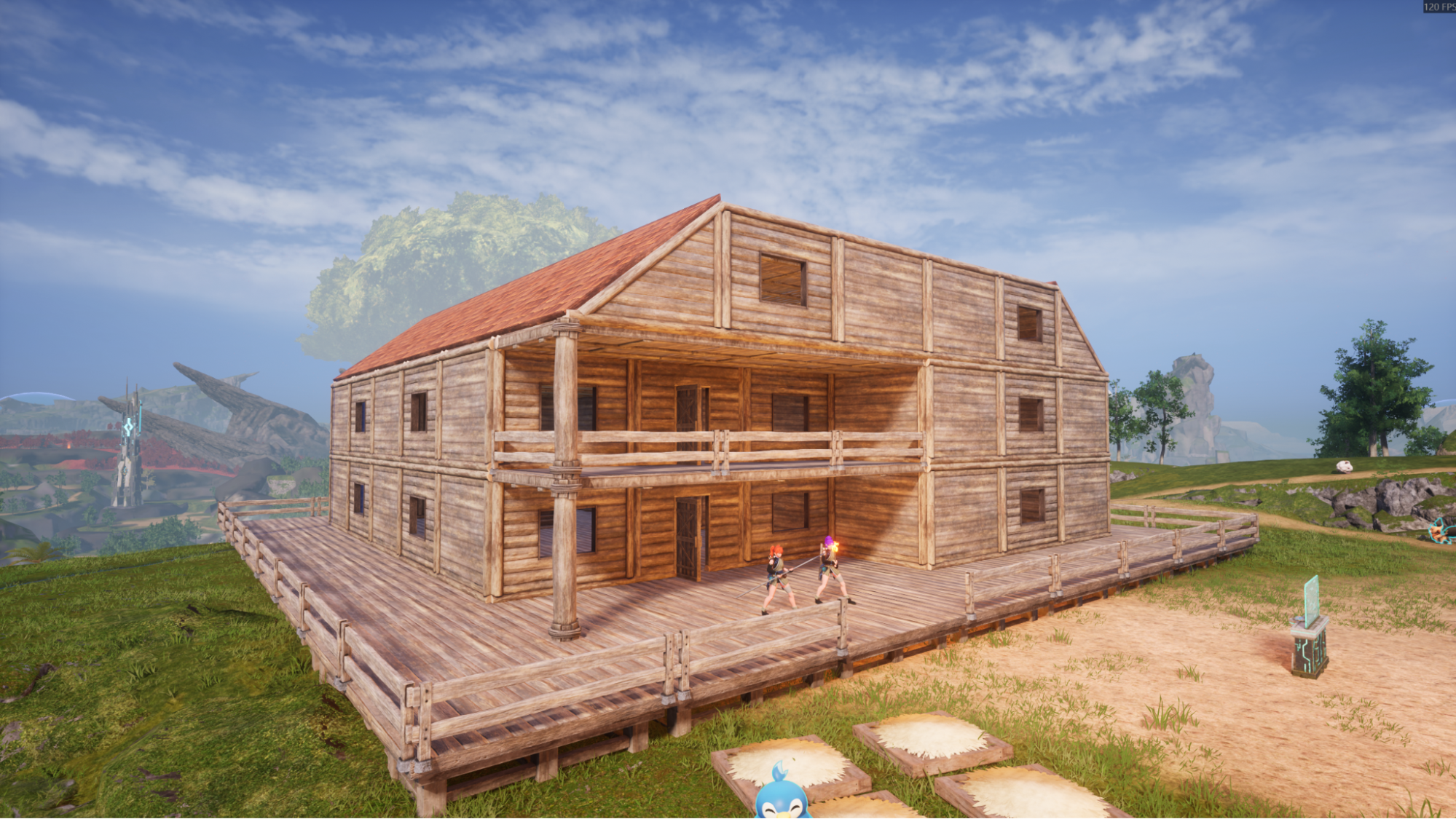
Palworld’sbase-building system remains one of the game’s weakest pillars, especially now that 1.0 pushes players towards full automation. The moment you try to scale beyond a modest workshop, the world itself starts working against you.
Buildable areas are surprisingly small, terrain shifts constantly, and even “flat” zones hide bumps that break placement rules, preventing you from placing down infrastructure pieces. For a game built around massive production chains, the available land feels cramped.
Most players eventually resort to the same workaround in games like Conan Exiles. By building giant floating platforms suspended above the ground, you can escape the terrain limitations entirely.
They’re effective, but they also feel like a band-aid solution rather than a real fix. Floating bases look disconnected from the world, and they highlight how little room Palpagos actually gives you to build something ambitious at ground level.
On top of that, upgrading your Pal Box levels doesn’t increase the area size, unlike games such as Once Human. As such, any mid- to end-game pals that are much larger due to their increased production abilities make areas even more cramped, and even some early-game pals like Penking or Mozzarina.
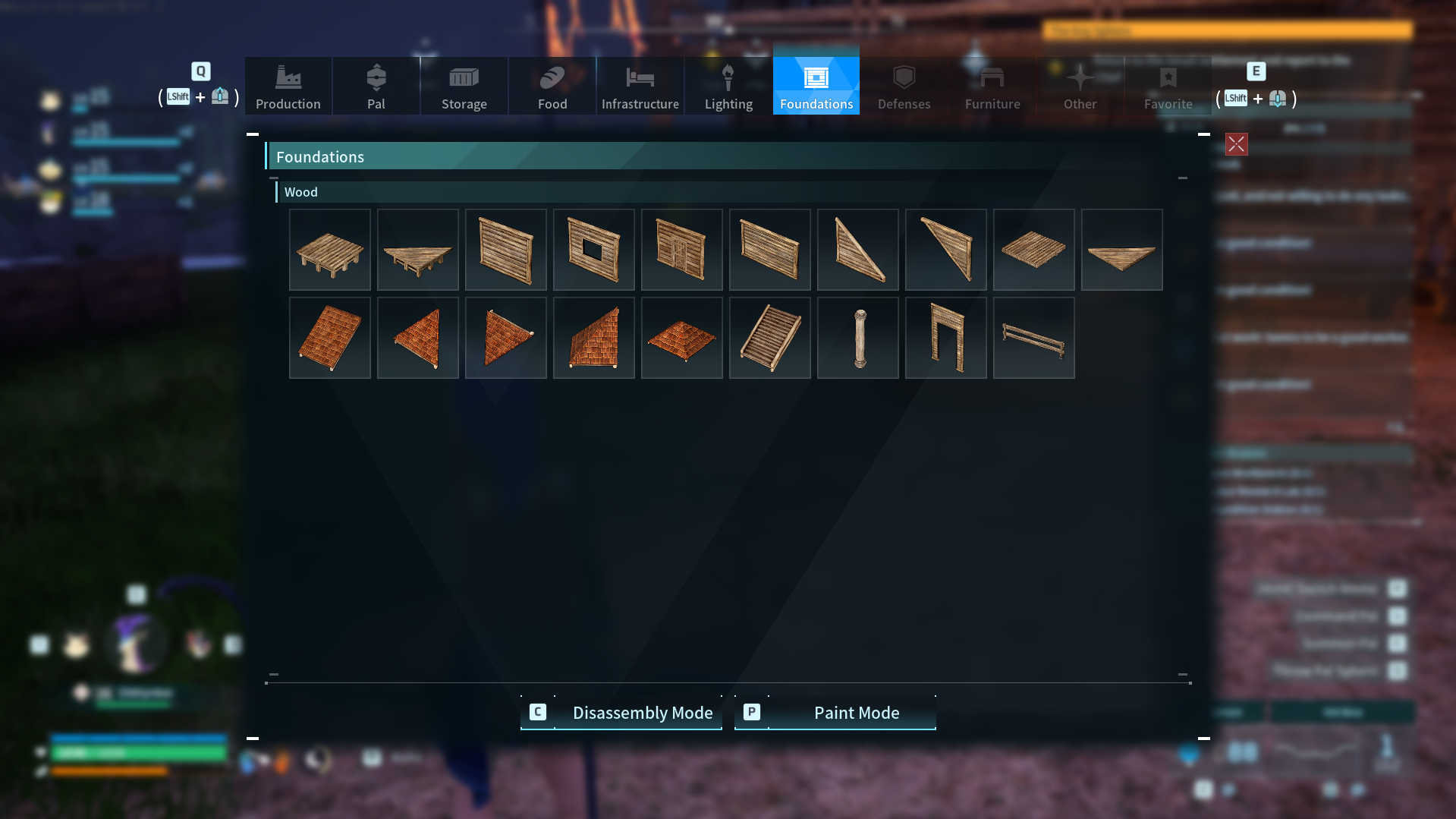
The building toolkit itself is equally restrictive. Compared to titles like Windrose or V Rising, Palworld offers a much smaller selection of structural pieces, decorative elements, and furniture.
You don’t get the freedom to create layered architecture, curved shapes, or visually distinct rooms. Many decorative items are locked behind high levels, and some simply don’t exist, which means you can’t build the base you imagine even if you have the resources.
The end result is that most bases end up boxy, minimal, and utilitarian, which, while it fits the theme of industrializing the Pals, leaves little room for players seeking a cozy, creative, or visual flair.
Players who want to build something beautiful have to grind for hours to get certain items or accept that certain designs just aren’t possible. For a game that celebrates creativity everywhere else, the building system still feels stuck in early access.
Our Score
8.5/10 (A Full Release That Exceeds Expectations)
Palworld 1.0 is absolutely worth jumping into, especially since it’s a free upgrade for existing owners. On top of that, there’s a 30% off sale right now, until July 23rd, and Pocketpair decided to keep the original price from the Early Access Period instead of increasing it.
The update finally gives the game the structure and polish it needed, making this the version both new and returning players should start with. It’s stable enough to recommend now rather than waiting for future patches, and the sheer amount of new content makes the 1.0 label feel deserved.
The game is best suited for fans of survival‑crafting, automation, and collect‑a‑thon RPGs. Players who enjoy building sprawling bases, optimizing production lines, and experimenting with creature synergies will find a loop that’s endlessly replayable.
Those who prefer more linear adventures or tightly tuned combat may feel the experience is chaotic, but Palworld thrives on that chaos. It’s a sandbox that rewards curiosity and experimentation.
The 1.0 update strengthens the core loop, meaningfully expands the world, and sets the stage for future content without relying on hype.
Is it a standout for 2026? Yes. Whether it becomes a GOTY contender depends on how critics weigh innovation versus polish, but it’s undeniably one of the year’s most influential releases. It proved that absurd ideas can scale into cultural phenomena, and it may shape how future survival‑crafting games approach creature cohesion and automation.
If you’re wondering whether to dive in now or wait, this is the moment to jump.
Reviewed by Jack Briggs (originally published July 15, 2026)