Platforms: PC, PlayStation 5, Nintendo Switch 1 + 2, Xbox Series
Developer: Yacht Club Games
Publisher: Yacht Club Games
Mina the Hollower has finally arrived after a notably long development cycle, having been funded through Kickstarter in 2022, where it raised over $1.2 million in backing. Yacht Club Games has spent years refining the project since its reveal, marking its longest production stretch since the original Shovel Knight and its spinoffs.
That timeline wasn’t smooth, however. The game endured multiple delays, including missing its planned December 2023 launch window, a later Halloween 2025 target, and several additional setbacks attributed to pandemic disruptions, team restructuring, and ballooning scope.
Those challenges show in the final product, not as flaws, but as signs of a studio pushing itself far outside its comfort zone. Mina feels like Yacht Club stepping into a new creative identity, trading Shovel Knight’s bright, bouncy precision for a darker, more deliberate blend of top-down Zelda exploration and Soulslike tension.
Its cursed island is rendered in beautifully grim, Game Boy Color-inspired pixel art that makes every screen feel organic for tension and discovery. This aesthetic direction was part of the pitch from the very beginning, and the extended development time has allowed the team to polish it extensively, with Yacht Club noting they used the extra months to apply “crazy amounts of polish” across art, balance, and level design.
Mechanically, Mina is a sharper, more demanding experience than anything Yacht Club has released before. The Hollowing ability, which allows Mina to burrow underground to traverse or avoid enemies, gives traversal a rhythmic, terrain-driven flow, while combat hits with an unforgiving cadence that forces players to respect enemy patterns, spacing, and timing.
Enemies hit hard, mistakes are costly, and the game’s Soulslike influence is felt in every encounter, a deliberate design choice that reflects the studio’s desire to create a more challenging, mastery-driven experience.
Yet despite the brutality, it still carries the studio’s trademark charm and responsiveness. Paired with a progression structure that progresses over your playthrough, Mina the Hollower stands as a confident next step in Yacht Club’s design philosophy, a gothic action-adventure that bridges nostalgia and modern challenge with fidelity and style.
Our review for Mina the Hollower was conducted with the PC version on Steam.
Highs
A Resurrection of Classic Pixel-Art and 8-bit Soundscapes
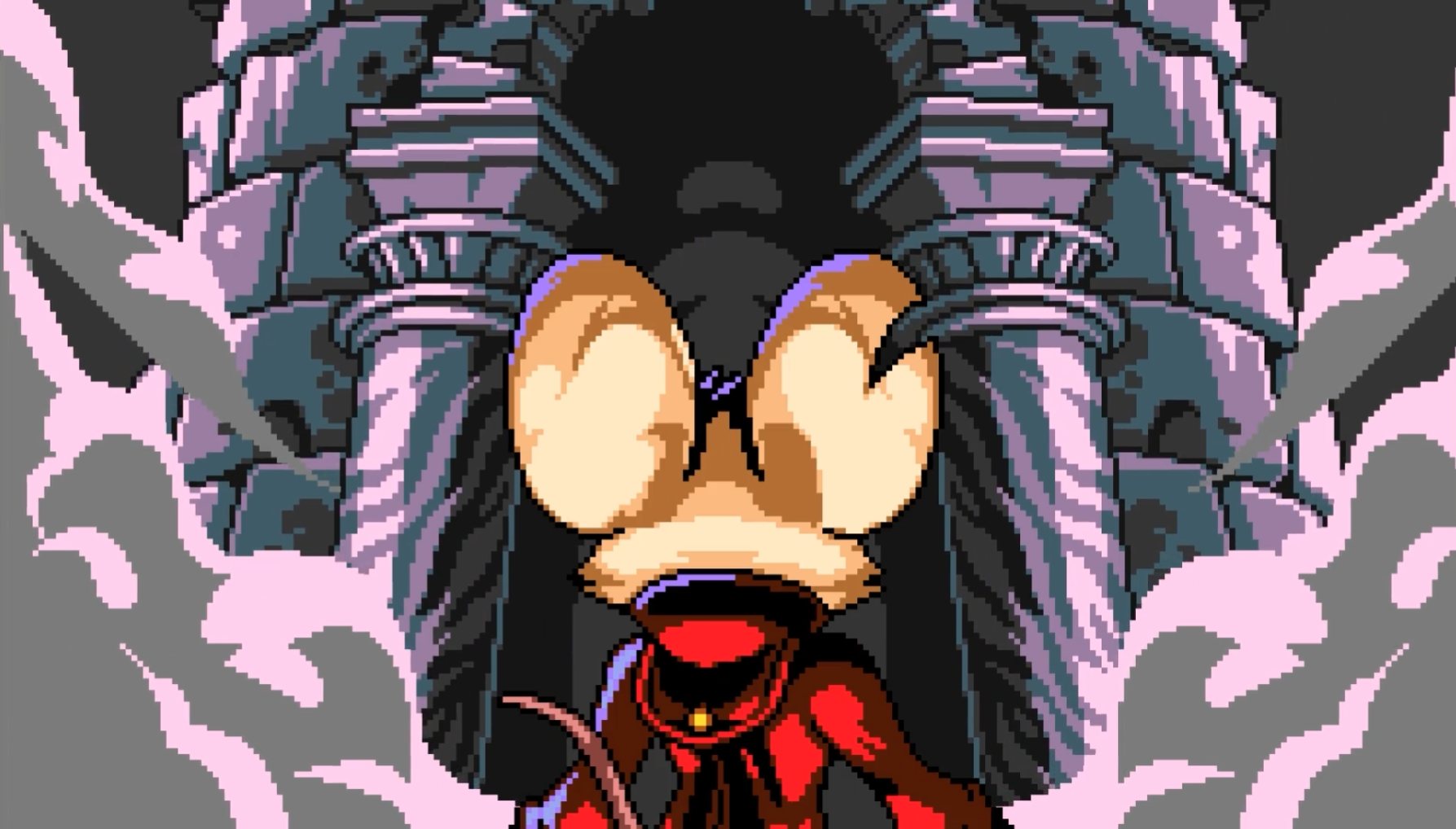
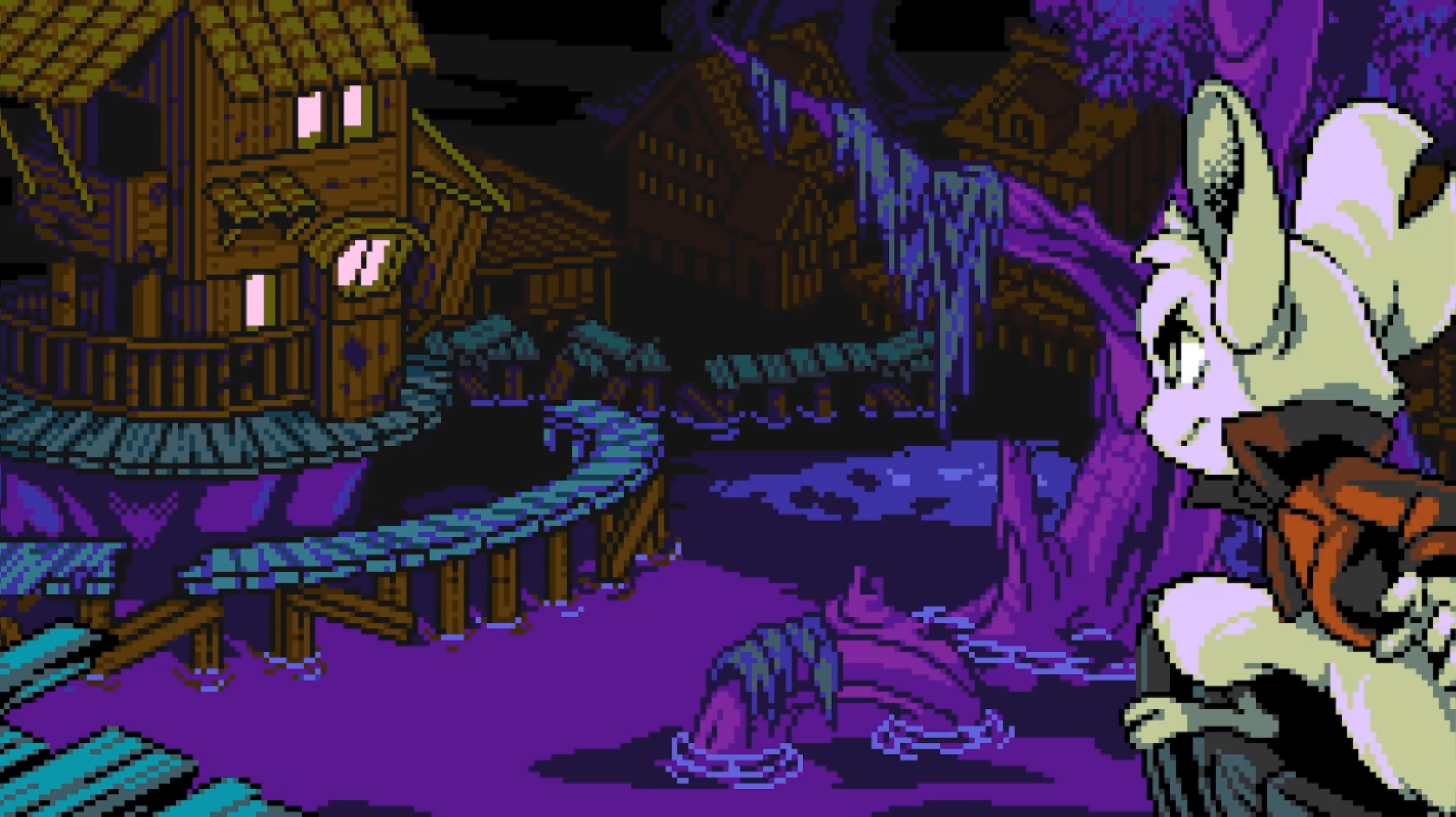
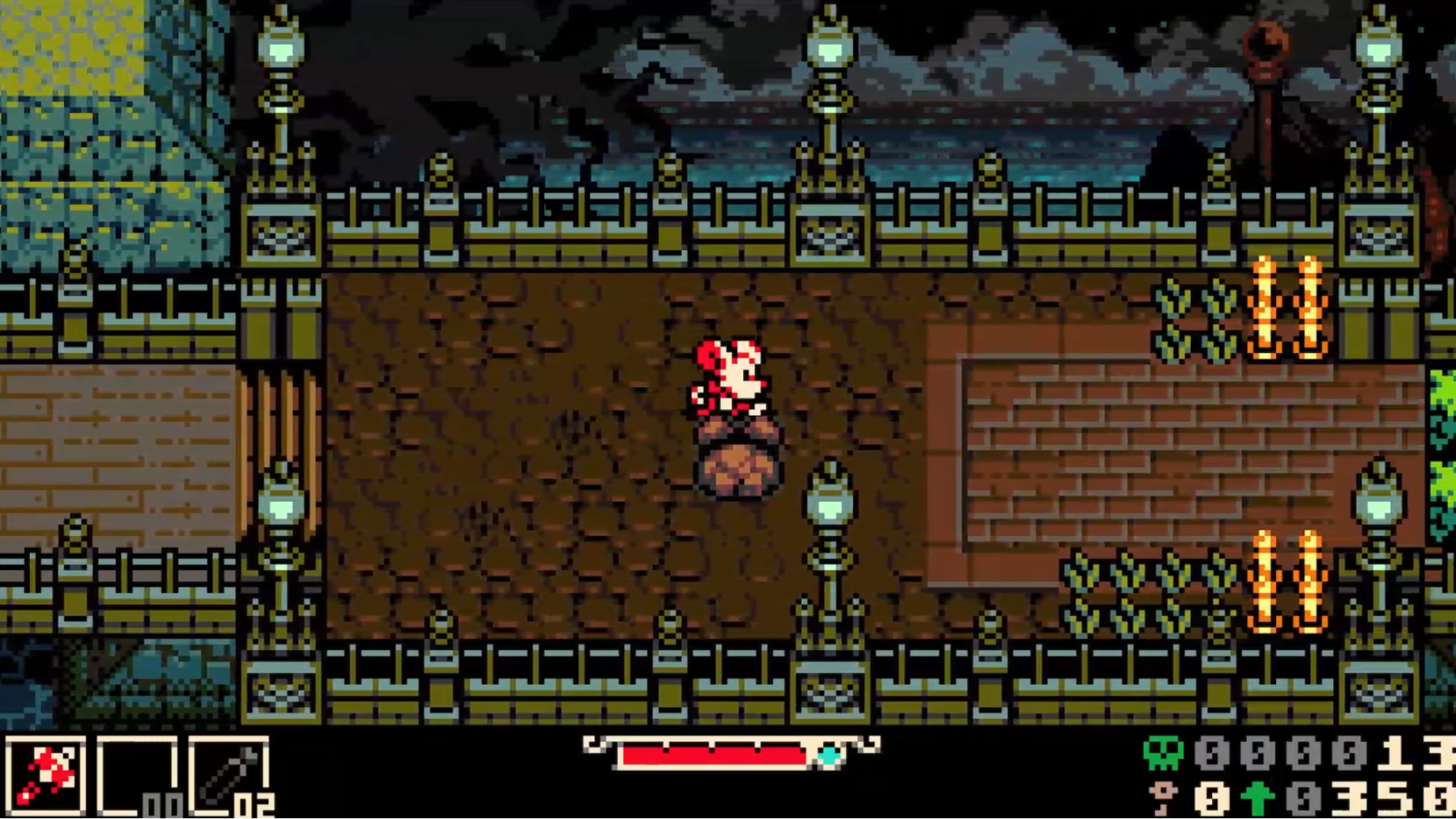
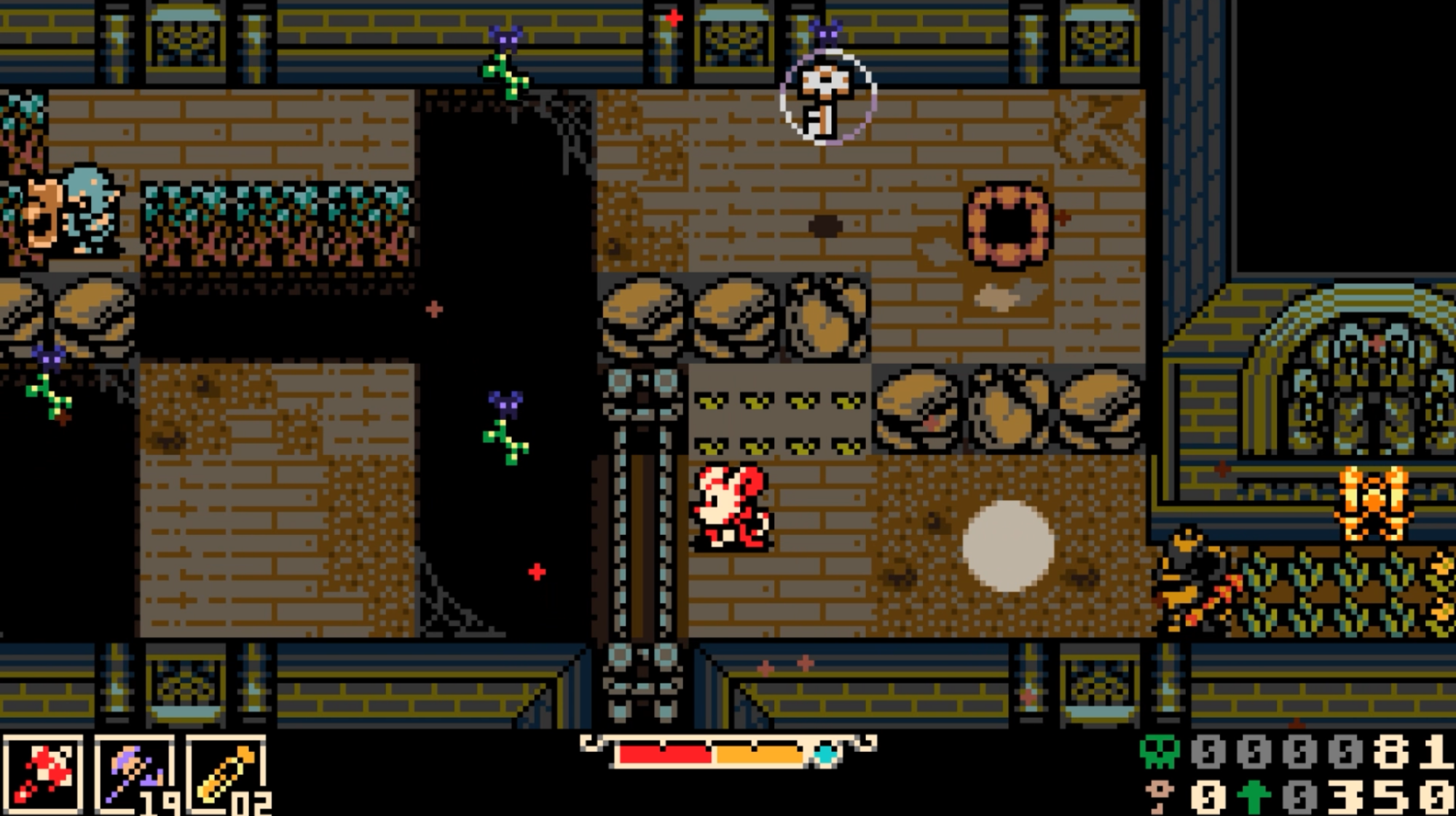
The first thing that strikes you about Mina the Hollower is its visual identity. Yacht Club Games leans into a limited‑palette, handheld‑era aesthetic, but elevates it with modern animation discipline and atmospheric detail. It’s the kind of pixel art that immediately evokes the Game Boy and Game Boy Color era, with its sharp outlines, the moody color restrictions, and the way shadows and highlights do the heavy lifting in place of high‑resolution textures.
Lanterns flicker against oppressive darkness, silhouettes stretch across decaying environments, and every creature design feels like it crawled out of a forgotten horror anthology. It’s a world that feels bespoke, shaping tone, pacing, and tension while still tapping into the tactile charm of the handheld classics that inspired it.
This retro foundation is strengthened by the game’s soundtrack, which blends Jake Kaufman’s signature melodic punch with Yuzo Koshiro’s unmistakable rhythmic drive. Kaufman channels the spirit of his Shovel Knight work. Think the energetic layering of tracks like “Strike the Earth!”, but filtered through a darker, more brooding lens that suits Mina’s gothic world.
Koshiro, meanwhile, brings the same percussive intensity and atmospheric synth work that defined his compositions for Castlevania: Portrait of Ruin and Streets of Rage 2. His contributions lean into eerie tension and driving momentum, creating tracks that feel like they could have lived on a GBC cartridge while still sounding modern and cinematic. Together, their styles collide into a soundtrack that hits the nostalgia centers of your brain while perfectly matching the game’s oppressive mood.
This art direction isn’t just pretty, it’s also functional. Enemy telegraphs are crisp, Mina’s movements are fluid, and combat cues are readable even in chaotic encounters. The retro-leaning palette actually enhances clarity, much like the best Game Boy Color titles, where every pixel had to work twice as hard.
The result is a visual language that supports the game’s punishing combat without sacrificing style. In a sea of retro‑inspired indies, Mina stands out through sheer intentionality, a game that understands the past, embraces the present, and uses both to carve out a distinct identity.
Combat that Burrows Deep
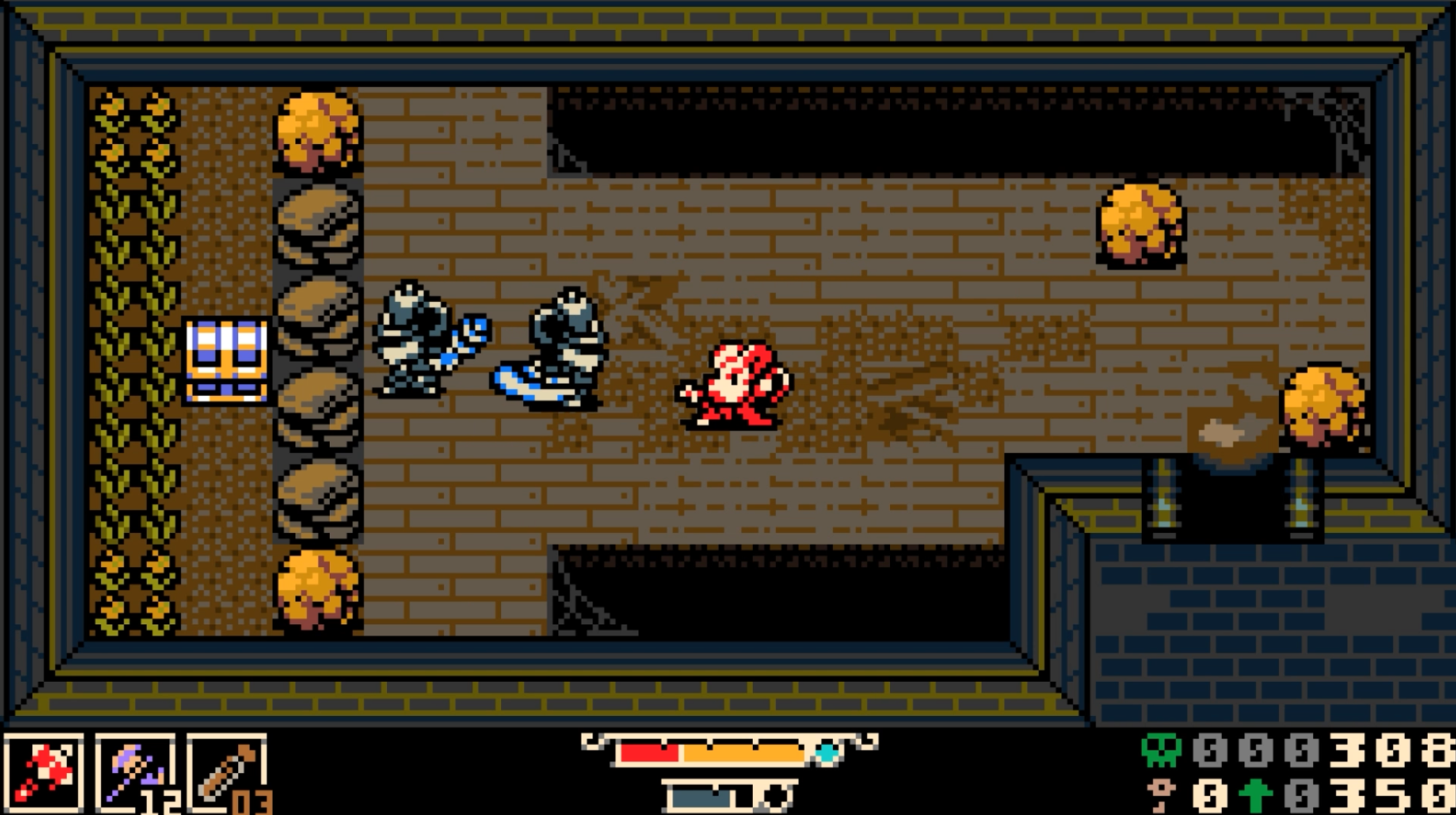
Combat in Mina the Hollower is a razor‑sharp blend of GBC‑era Zelda action and Soulslike pattern-driven discipline. Mina’s weapons reward tightly controlled spacing and timing in a way that immediately recalls Link’s snappy swordplay, only here every mistake hits with Soulslike consequences. Enemies penalize hesitation, forcing you to read animations carefully, and require a level of composure that feels closer to a boss rush than a traditional top‑down adventure.
The Hollowing mechanic, diving underground to dodge, reposition, or bait attacks, adds a rhythmic, tactical layer that transforms movement into a strategic resource rather than a simple traversal tool.
What elevates the combat is the sheer variety and intentionality behind the enemy roster. Each biome has its own faction, behavioral quirks, and visual identity. The grassy plains and forest outskirts are filled with aggressive wildlife and oversized insects, creatures that swarm, pounce, or burrow in ways that force you to stay mobile.
Crypts and graveyards shift the tone entirely, replacing organic threats with undead horrors that lurch, teleport, or explode on death. Down by the docks and shoreline, water‑borne monstrosities spit projectiles, drag you into hazards, or use erratic movement patterns that demand quick Hollowing reactions. Every region feels like a curated combat ecosystem, and every enemy feels like it belongs exactly where you find it.
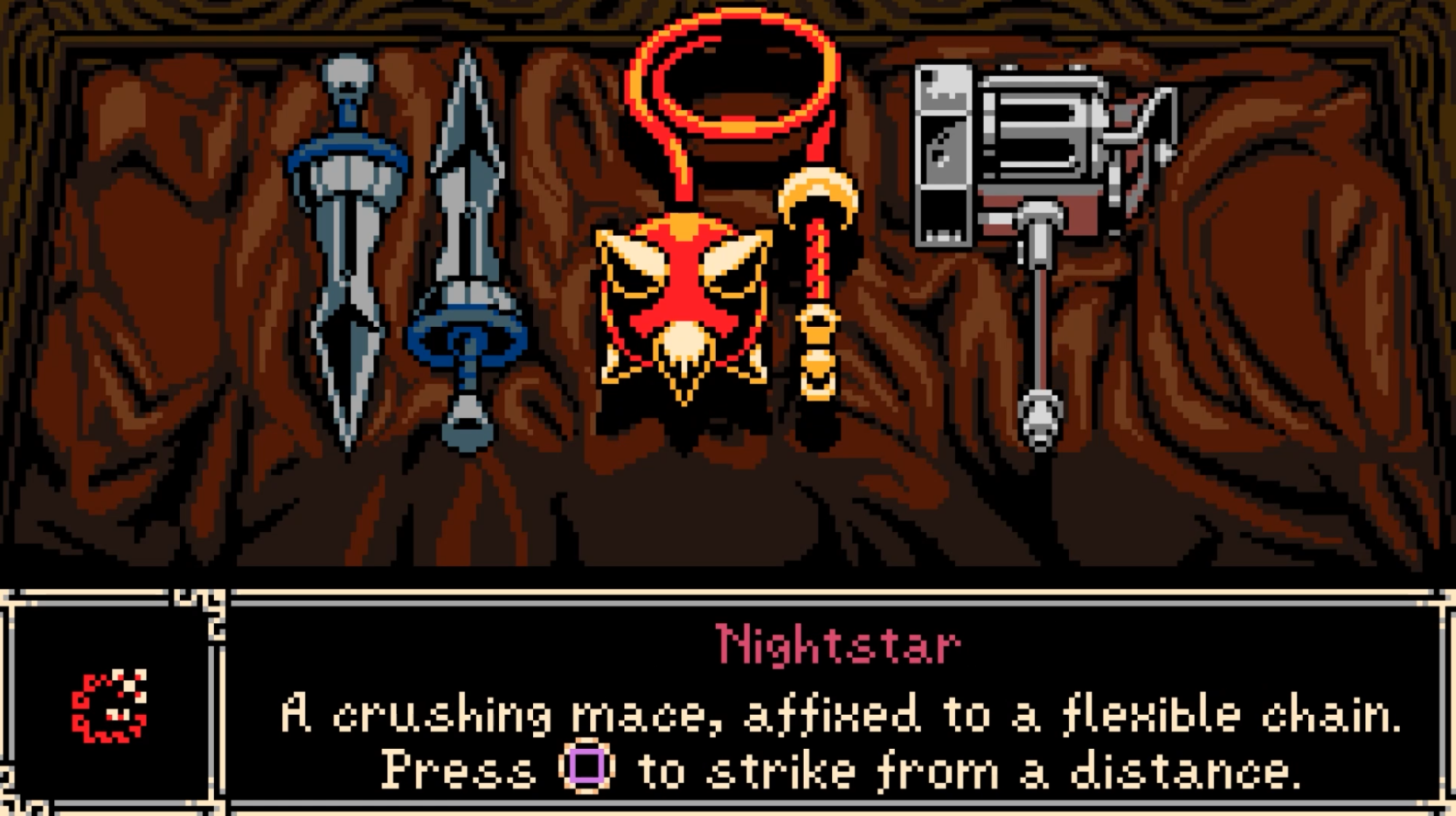
Mina’s arsenal deepens this complexity. The game offers a range of Weapons, Sidearms, and Trinkets, including throwable blades, elemental gadgets, traps, and experimental devices that expand your tactical options.
Some tools excel at crowd control, others at burst damage, and others at manipulating enemy positioning. Even a couple of tools like the Parasol can be used as traversal tools to easily access hard-to-reach areas where rewards await.
The beauty is how these tools integrate seamlessly with Hollowing. You can dive underground to slip past an enemy, surface with a strike, then immediately chain into a sub‑weapon for a stylish, high‑skill combo. It’s a moveset that rewards creativity as much as fine control.
The combat shines because it’s fair, even when it’s brutal. Every enemy attack is telegraphed, every pattern is learnable, and every victory feels earned. The Souls-like DNA becomes clear in the way the game teaches you through repetition, not by challenging you arbitrarily, but by demanding that you truly understand the encounter.
When the flow state clicks, and you weave Hollowing dodges between whip strikes and gadget bursts, Mina the Hollower delivers some of the most exhilarating, high‑skill combat Yacht Club has ever designed.
Accessibility That Lets You Shape Your Experience
One of Mina the Hollower’s most pleasant surprises is how flexible and player-friendly its accessibility options are. For a game that wears its Soulslike inspiration proudly, with its merciless enemy damage and tight resource management, it also grants players a remarkable amount of control over how intense that experience needs to be.
That same flexibility extends to its structure, too. Much like Elden Ring compared to traditional Souls games (which itself is Zelda-inspired), Mina isn't strictly linear. If your skill allows it, you can explore biomes and chart your own path. Instead of locking you into a single difficulty curve, Mina offers a suite of toggles, assists, and modifiers that let you tailor the game to your comfort level, or even reshape it into something more akin to your usual top-down Zelda adventures without the Soulslike mechanics.
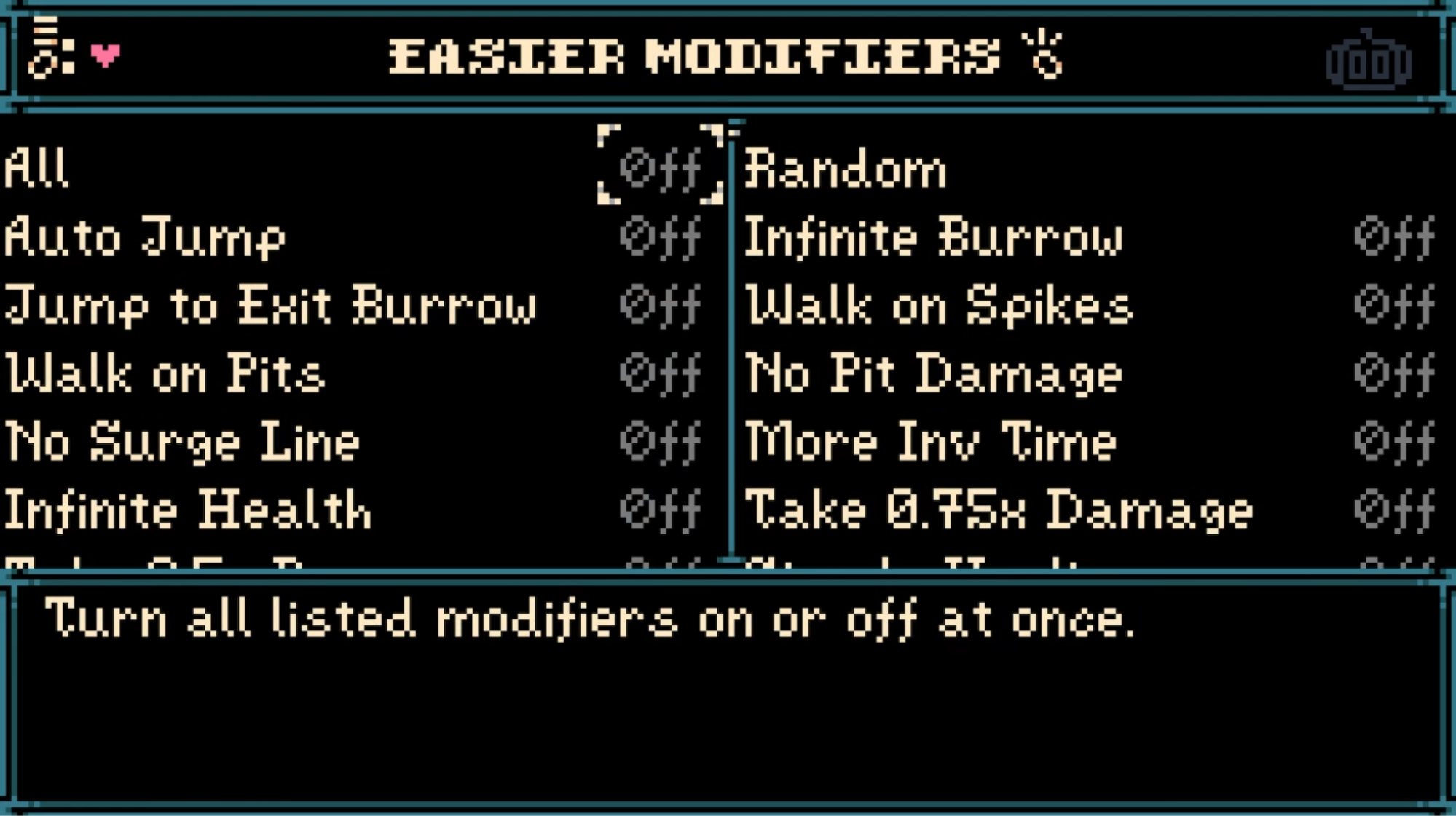
The most impactful tools come from the game’s “Modifiers/Assist” menu, which is refreshingly transparent about what each option does. The expected features, like taking less damage, bosses having less health, and not losing your Bones on death, are all here, as well as other options like having more “Underlabs,” which is Mina’s equivalent of the Soulslike Campfire.
These can reduce or even eliminate the threat of death, allowing players to focus on the puzzles, traversal, and dungeon flow. Meanwhile, you can also boost the drop rate of Bones, letting you level up and buy weapons a lot quicker in the early game. These options make the game far more approachable without compromising its core identity.
But what’s equally impressive is that Mina doesn't just let you make the game easier, it also lets you make it harder if you want a more intense challenge. Options like taking more damage, less Plasma and Healing Water, and fewer bones dropping transform the experience into something far closer to a traditional Soulslike gauntlet.
These can turn every encounter into a high-stakes duel, where even the smallest mistake can cost you boss fights instantly. These meaningfully reshape how you approach combat, exploration, and resource management, giving challenge-hungry players a way to push the game to its limits.
The standout feature of these modifiers is how they respect the player’s intent. You can keep the challenge intact, soften it slightly, or crank it up to something brutal, all without breaking the game’s balance. It’s a rare case where a game inspired by Soulslikes doesn’t gatekeep its difficulty, but instead empowers players to decide how they want to engage.
In a genre often defined by rigidity, Mina the Hollower shows that accessibility and challenge don’t have to be opposites, and can coexist harmoniously.
Lows
Takes Time to Find Your Bearings
For all its intensity later on, Mina the Hollower has a surprisingly slow and uneven opening stretch. The story takes its time establishing stakes, characters, and context, offering only the barest setup before dropping you into the island with little direction.
It’s a deliberate throwback to classic older handheld adventure games from physical eras, but it also means the early hours lack momentum, leaving you waiting for the narrative to reveal why Mina’s mission matters. The world eventually becomes rich and atmospheric, but the opening beats feel more like a prologue than a hook.
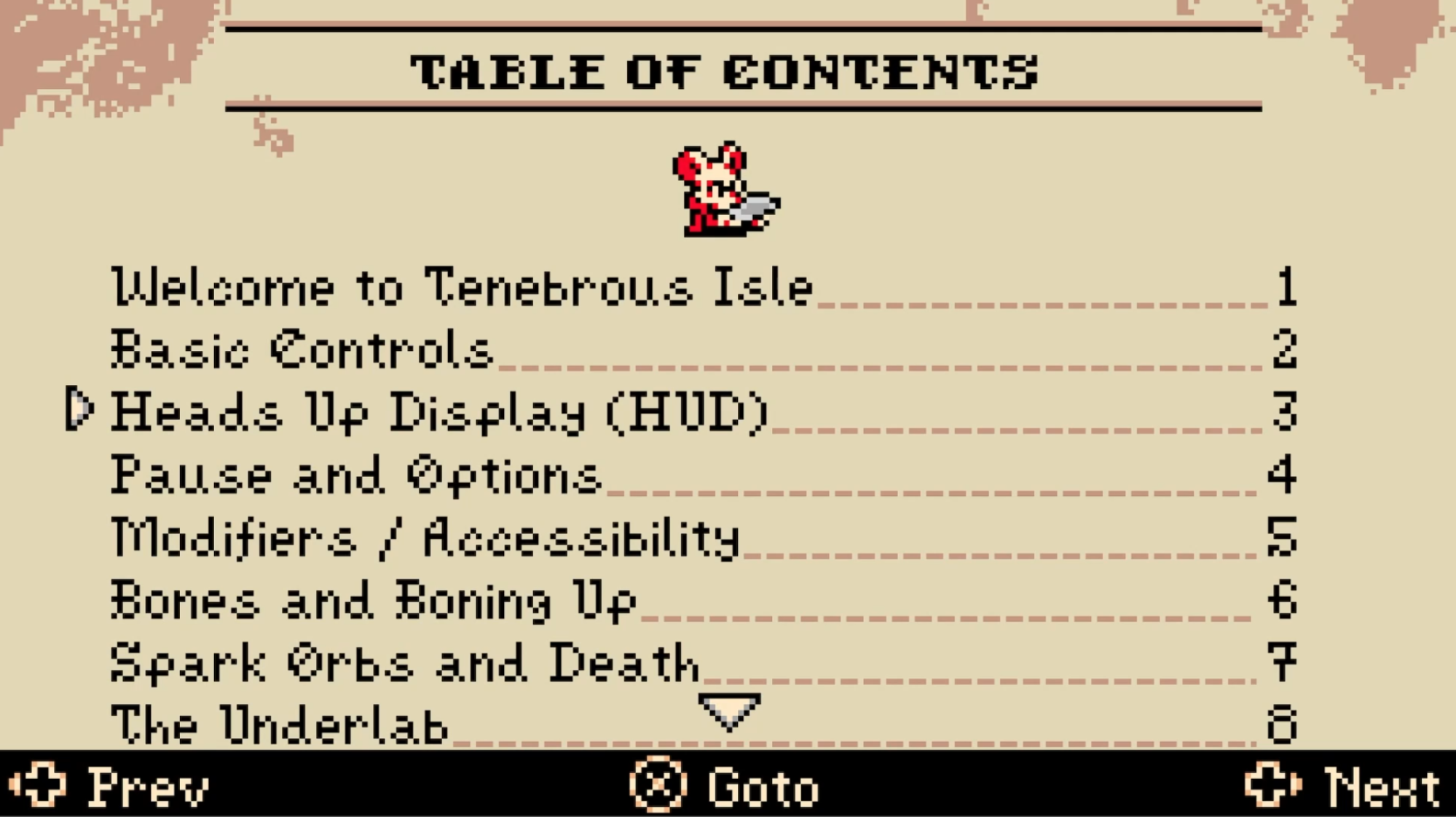
This slow burn extends to the mechanics. Mina is a game built on exactitude, mastery and layered systems, yet it doesn’t explain them during gameplay or through tutorials. Core abilities, damage types, traversal quirks, and even basic interactions are left for the player to figure out through trial and error, reading the in-game instruction manual, or putting together NPC dialogue hints.
It’s a charming homage to retro games that came with a physical manual, but it's also a friction point if you aren’t feeling nostalgic for that era, as the game doesn’t inform you about the in-game manual until you find it while exploring the menus. The game expects you to understand advanced mechanics like Hollowing cancel and jumps, weapon synergies, and gadget utility long before it teaches you how they work.
Exploration suffers from the same hands-off philosophy. The early biomes are visually striking but mechanically vague, offering few clear cues about where you can go, what you can interact with, or how to unlock new paths. Without guidance from the manual or paying attention to newspapers, early on can feel like wandering through a beautifully drawn maze without a sense of direction or purpose.
None of this ruins the experience, but it does mean Mina the Hollower takes longer than expected to hit its stride. Once the systems open up and the world begins to reveal its secrets, the game becomes gripping. But those early hours call for patience and a willingness to learn the rules yourself before the game is ready to teach them to you.
Early Experimentation is Expensive
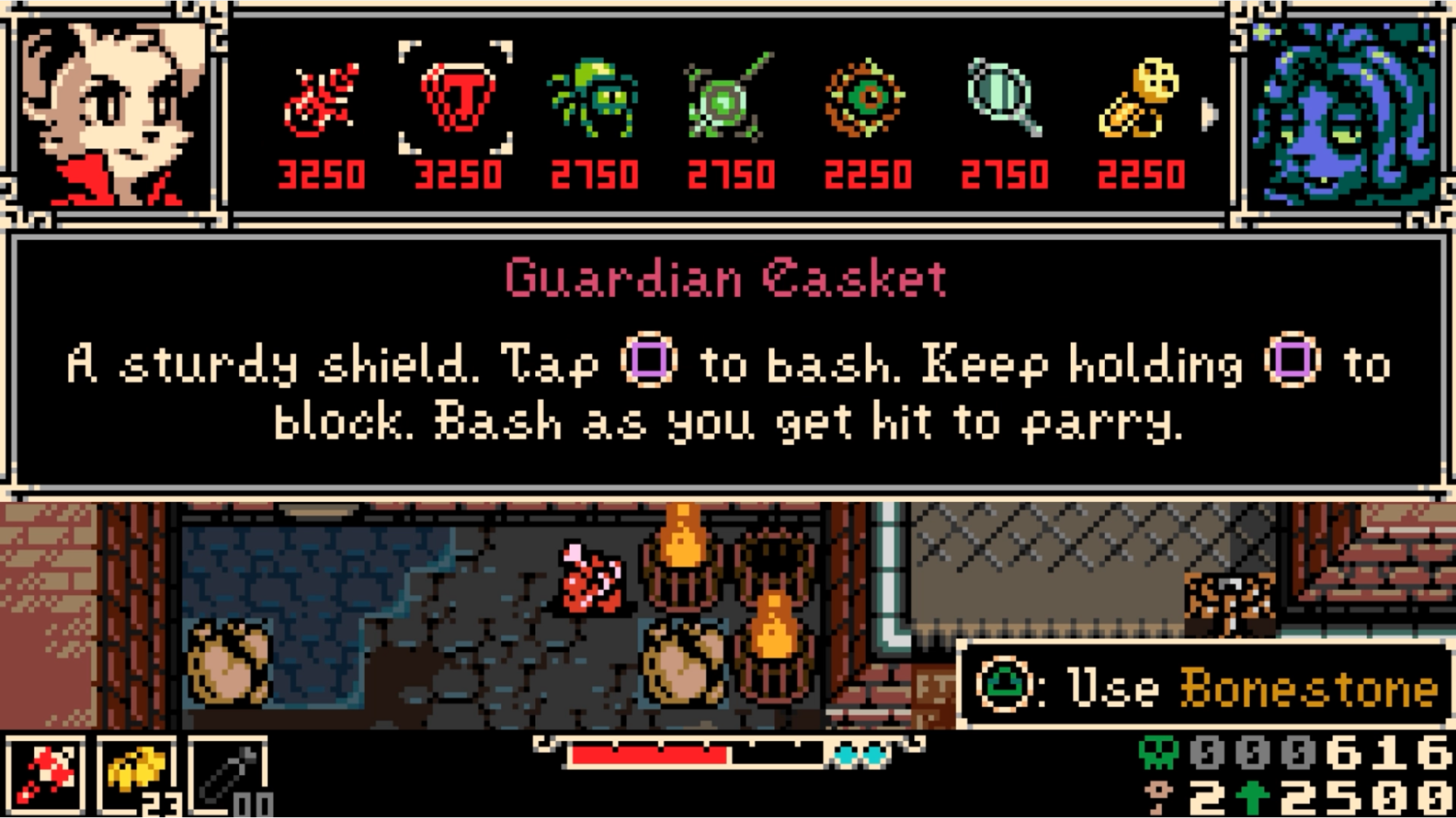
One of the more noticeable friction points in Mina the Hollower comes from how tightly the early-game economy restricts experimentation. Bones, the game’s primary currency for unlocking new weapons, sub-weapons, and upgrades, are scarce in the opening hours, and the costs for even the starter weapons are surprisingly steep.
This means that trying out new gear isn’t a natural part of progression but a calculated risk, in which every purchase feels like a long-term commitment rather than a chance to explore different playstyles. It’s a system that unintentionally discourages curiosity, especially when you’re still learning the game’s rhythm and figuring out what kind of build suits you best.
The issue becomes more pronounced because Mina is a game that thrives on mechanical expression. The arsenal is varied and interesting. From fast, aggressive weapons to slower, heavier options with unique utility. However, the high Bone costs make it difficult to sample that variety early on. If you invest in a weapon or gadget that doesn’t click with your preferred approach, you’re effectively stuck with it until you grind out enough Bones to try something else.
This creates a sense of being locked into your early choices, not because the game lacks options, but because the economy makes exploring those options feel laborious. This scarcity also affects how players engage with the game’s difficulty.
When enemies hit as hard as they do and every biome introduces new threats, having the wrong loadout can make certain encounters feel disproportionately brutal. Instead of adapting by switching tools, you’re pushed to grind with or simply endure an undesirable setup.
On top of this, Bones are also used to level up your Weapon Damage, Defense, and Sidearm Damage, so it's a tradeoff between risking getting a better weapon or permanently increasing your passive stats. It creates a bottleneck where early-game experimentation becomes a luxury rather than a core part of the experience.
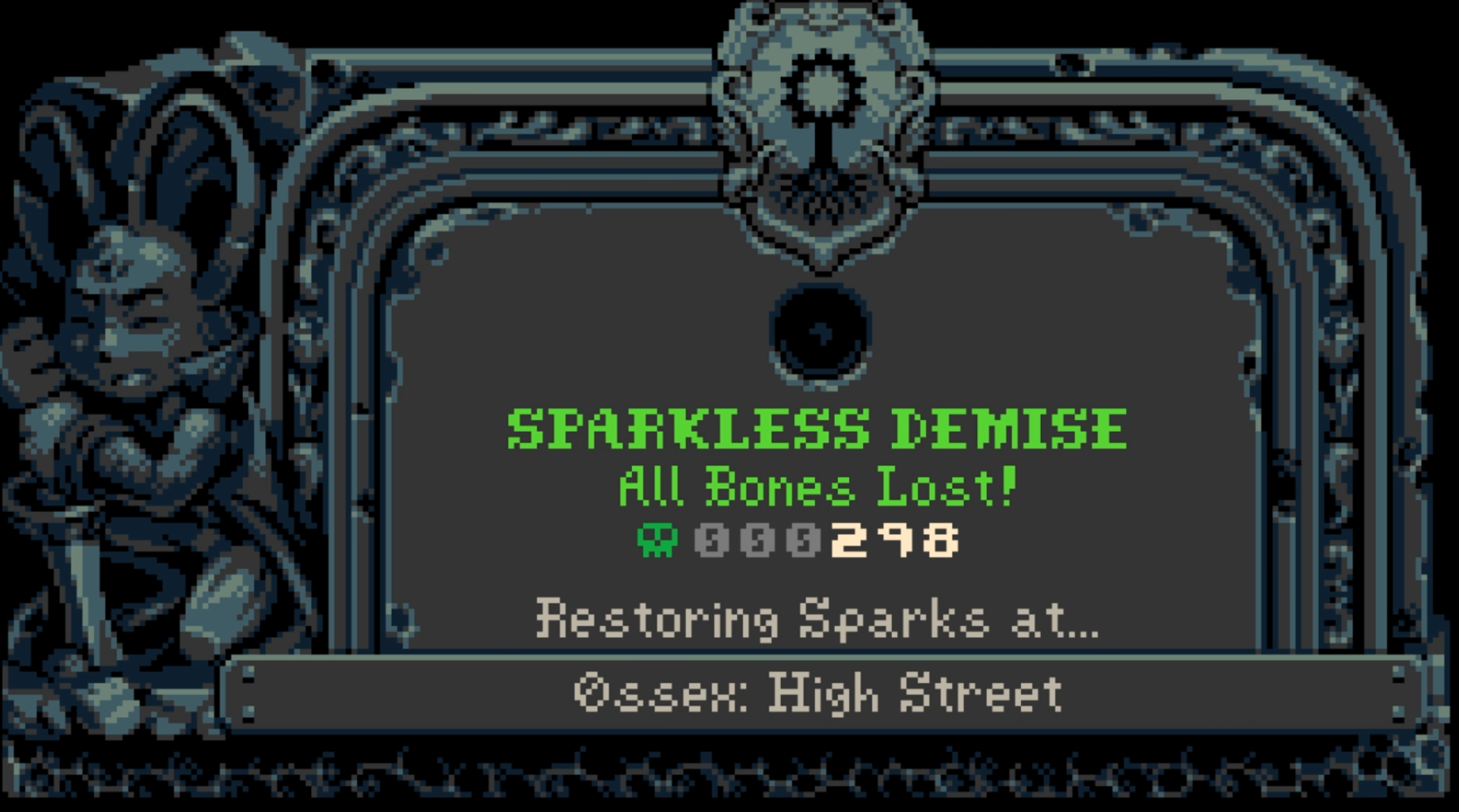
In combination with that, the game does have the classic souls-like mechanic, where dying will make you drop your “Spark”, and then dying again before getting that back will make you lose all of your Bones that you were carrying.
The progression eventually does open up, however, and Bonestone become more plentiful with your upgrades in collection rate, but those first few hours set a tone that can feel unnecessarily rigid. In a game built around mastery, accuracy, and mechanical depth, it’s a shame that the economy sometimes gets in the way of discovering the full breadth of what Mina can do.
Aesthetic Choices That Impact Readability
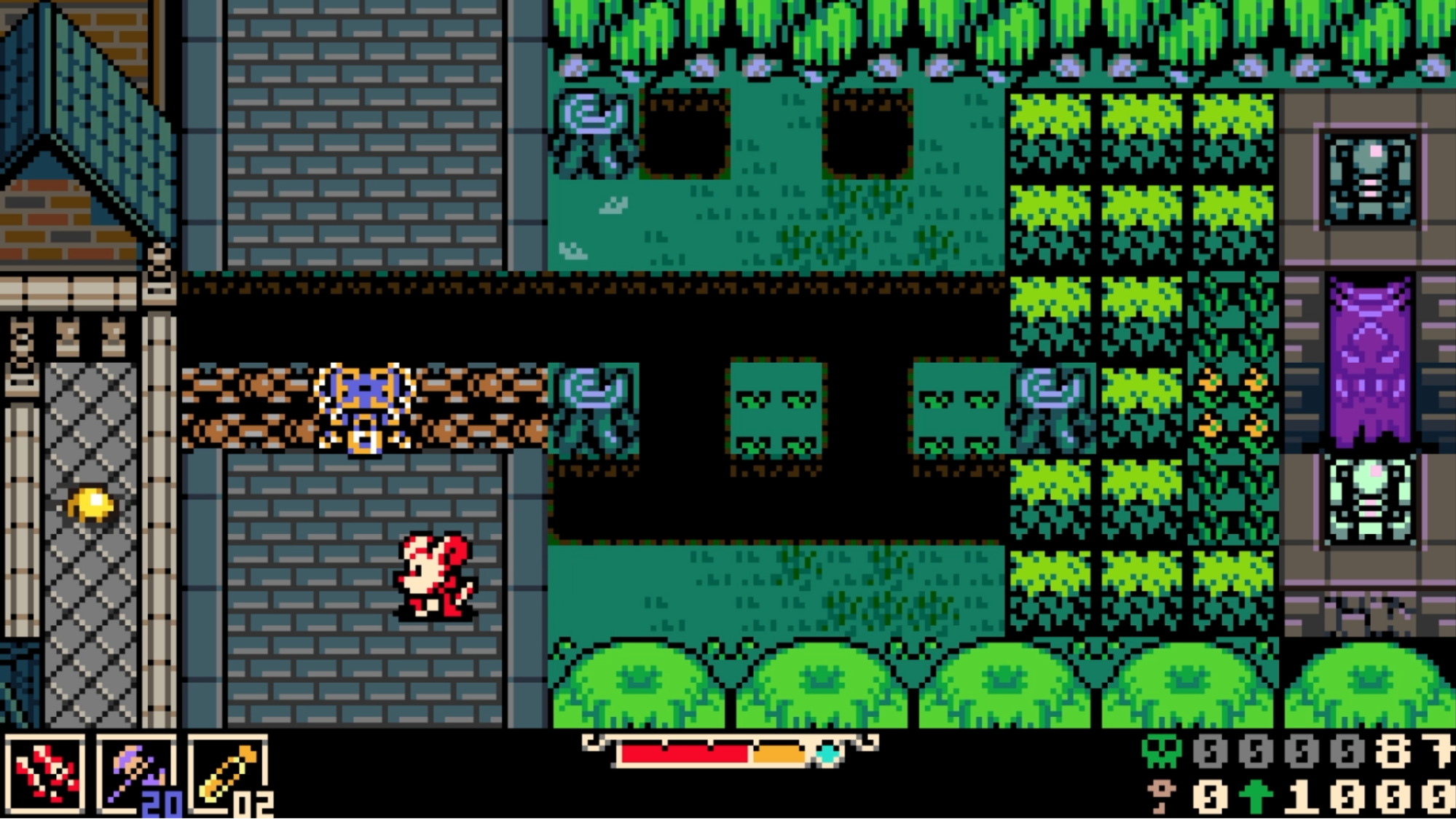
There are instances in Mina the Hollower where the retro aesthetic, as gorgeous and intentional as it is, works directly against gameplay clarity. The sparse coloring, Game Boy–inspired look gives the world a moody, atmospheric texture, but it also creates moments where it’s genuinely difficult to tell what’s interactable and what’s just environmental dressing.
Certain tiles, ledges, and props blend so seamlessly into the scenery that it becomes unclear whether Mina can go through, go under, or hop over something without taking damage. More than once, I found myself inching forward or Hollowing blindly just to test whether a gap was traversable or a wall was actually a wall, effectively gambling health on visual guesswork.
This issue is most noticeable in areas where the lighting is intentionally dim or where the palette leans heavily into similar shades. Shadows, debris, and decorative elements sometimes share the same visual weight as actual hazards or pathways, creating a kind of visual ambiguity that clashes with the game’s otherwise sharp mechanical readability.
It’s the kind of problem that didn’t exist as much in classic handheld titles like Link’s Awakening or Castlevania: Aria of Sorrow, where constrained hardware forced developers to exaggerate silhouettes and contrast. Mina embraces that era’s aesthetic, but occasionally inherits its limitations without the same clarity‑first constraints.
The problem isn’t constant, but when it appears, it disrupts the flow of exploration. You might see what looks like a solid barrier only to discover it’s a pass‑through archway, or assume a pit is lethal when it’s actually a safe drop. Conversely, some hazards blend in so well that you only realize they’re dangerous after they’ve already chipped away a chunk of your health.
These moments don’t ruin the experience, but they introduce a layer of uncertainty that feels at odds with the game’s otherwise deliberate design philosophy. It’s a small but recurring friction point, one that stands out because older handheld action-adventure games, the very titles Mina draws inspiration from, often handled readability more cleanly.
As such, these few specific design choices within the overall aesthetic make it harder to tell what’s safe, what’s solid, and what’s interactable. When the combat is this rigorous, and the stakes are this high, even brief moments of visual ambiguity can feel like the game is asking you to take unnecessary risks just to understand the space around you.
Our Score
9/10 (Zelda's Heart, FromSoft's Soul)
Mina the Hollower is one of those rare retro-styled games that feels both familiar and fresh. Once it settles into its rhythm, it delivers a fast, confident, and deeply satisfying adventure that blends the spirit of classic handheld Zelda with the tension and meticulousness of modern Soulslikes.
Its combat is sharp, its dungeons are cleverly constructed, and its world oozes atmosphere in a way that feels curated rather than nostalgic for nostalgia’s sake. The accessibility options deserve their praise, with the game giving you the freedom to shape the experience your way, whether you want something gentler and more exploratory or something far more punitive.
The game isn’t flawless, with the opening taking a little too long to find its footing, and the onboarding feeling sparse, especially when the game expects you to learn certain systems on your own. Visual clarity occasionally stumbles, and early progression can feel rigid before the game opens up. However, these issues fade as the adventure grows richer, faster, and more expressive, and they never overshadow the strengths that define the experience.
It’s no stretch to say that Mina has the craft, personality, and mechanical depth to sit comfortably in early indie GOTY conversations with dark horse potential for the main category, especially among fans of action‑adventure games.
It’s the kind of game that quietly builds momentum until you realize you’re playing something special, something that genuinely stands out in a crowded indie landscape.
What ultimately stands out is how confidently Mina knows what it wants to be. It’s stylish, challenging, and full of personality, with a mechanical depth that rewards mastery without shutting out newcomers. It’s the kind of game that sticks with you, because it’s crafted with both intent and heart.
At just $20 USD, its generous 20-30 hours of base content, and a fully featured NG+ at launch, represent remarkable value from a studio this small.
Reviewed by Jack Briggs (originally published May 27, 2026)