Remedy Entertainment has spent the last decade building a reputation for stylish, reality‑bending action games, and Control Resonant arrives at a moment where that identity matters more than ever.
Seven years ago, the original Control (2019) redefined what the studio could do, blending supernatural bureaucracy with bold visual design and a tone that felt unlike anything else in the genre. It became a modern classic, and its success set a high bar for whatever came next.
Last year’s FBC Firebreak didn’t meet that standard. It landed awkwardly, struggled to find an audience, and left many players wondering whether Remedy’s momentum had stalled. The studio clearly took that lesson to heart. Resonant feels like a conscious reset, a project built to reaffirm what makes their work distinctive.
There’s also a sense of course correction in how the game is released. Alan Wake 2 was held back by its Epic Games Store exclusivity, which limited visibility and frustrated a portion of the fanbase.
Control Resonant launches day one on Steam, and that alone signals a shift in strategy. Remedy wants this game to be seen, played, and talked about without platform barriers getting in the way.
All of that context shapes how Resonant lands. It isn’t just another sequel. It’s a statement that Remedy understands what worked before, what didn’t, and what needed to change.
The result is a game that leans into movement, creativity, and technical confidence, while still carrying the unmistakable tone that made Control resonate in the first place.
Our review of Control Resonant was conducted with the PC version on Steam.
Highs
Dylan’s Mobility and Combat
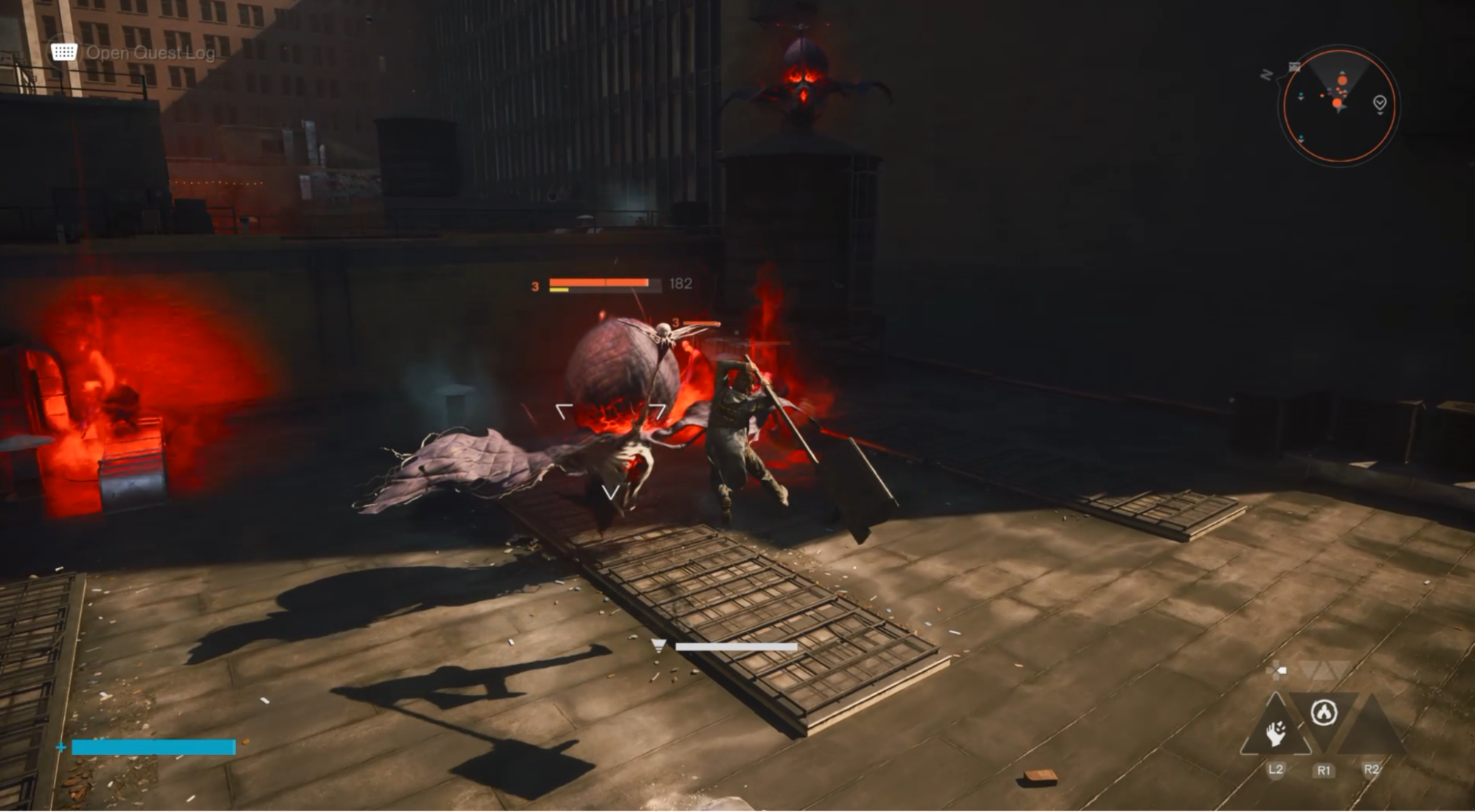
Dylan’s movement kit is easily one of Resonant’s standout strengths. Once you unlock the full suite of dashes, double jumps, and aerial hovers, the game opens up into a fast, expressive rhythm that feels great moment‑to‑moment.
Combat benefits from this too, even if the melee system is shallow. Closing gaps, weaving through attacks, and chaining mobility into finishers gives encounters a kinetic energy the original Control never had.
While the previous game combined Jesse’s telekinetic powers with her gun, The Service Weapon, her brother Dylan has an entirely different arsenal that shifts the series' genre from a third-person shooter to a hack-and-slash.
Dylan is equipped with The Aberrant, a shapeshifting metal rod that transforms into different weapon types. Dylan can combine light and heavy attacks with different combos, as well as use powers unlocked from defeating Resonant bosses, as well as being able to float around and change his plane of gravity.
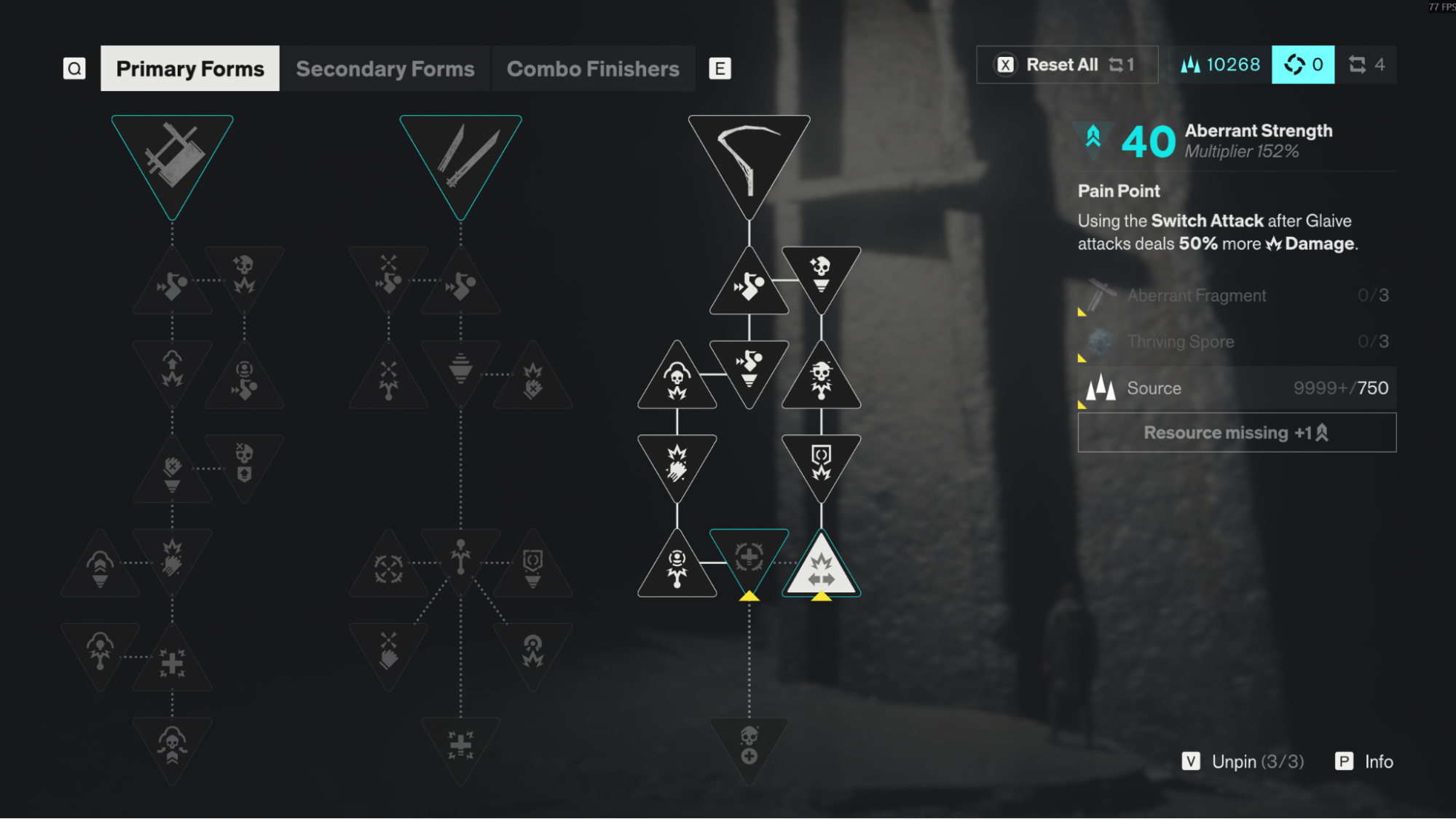
You can freely switch between unlocked main weapon, sub-weapon, and combo types, each with its own skill tree. Even better, when you upgrade forms that aren't equipped, your overall damage still increases, meaning you are never wasting materials.
The best fights are the ones where you’re constantly airborne, using momentum as a weapon and repositioning faster than enemies can track. Most enemies float around, and Dylan can float around in the air, slashing his weapon, or even zip towards them to deal executions that grant buffs.
It’s not the deepest melee combat system, but it’s undeniably fun, and it gives Dylan a distinct identity separate from Jesse’s telekinetic power fantasy.
Creative Side Missions
Side missions are where Remedy’s weirdness shines brightest. These optional detours lean harder into surrealism, bending space, tone, and structure in ways the main story rarely attempts.
You’ll find missions that twist Manhattan into impossible shapes, introduce bizarre one‑off mechanics, or dive into lore pockets that feel more aligned with the Oldest House’s unsettling charm.
Like the first game, the side missions are where you can go face-up with many of the SCP-styled altered items or AWEs. These missions can vary from quick detours with collectibles to multi-part segments where you complete rituals.
Some side-missions also have different choices you can make at the end, which can vary the outcome and rewards gained. They’re imaginative, varied, and often more memorable than the main campaign beats.
Another positive with these side quests is that they don’t hold your hand. Almost all require you to solve the puzzle yourself, either by reading the environment or by looking at notes or clues around you.
They’re the kind of content that reminds you why Remedy’s worlds have such a strong cult following. And like the first game, while the main story keeps you on track with your character’s journey, these side missions grant you deeper looks into the lore and world of Control.
Even when the main path feels conventional, the side missions keep the experience unpredictable. Many players will actively seek out these segments because they're genuinely entertaining, not just for the rewards.
Performance and Polish
For all its structural issues, Resonant is technically solid. Performance is stable across platforms, with smooth animation blending that makes Dylan’s movement feel cohesive and responsive.
I play on a high-end rig, with an RTX 5070Ti, and a Ryzen 9800x3D. I was able to max out the game on the highest settings, Ray-Tracing Preset set to High, and still hit my 120fps cap on a 1440p display. With DLSS, Frame-gen, lower settings available, and Ray-Tracing disabled, this game will run on most mid- to high-end systems, and even includes a graphics preset for handheld devices like the Steam Deck.
This is a far cry from both the first Control and Alan Wake 2, which had minor performance issues on release and still feature crashes and performance hitches to this day. Many recent AAA releases have performance issues that require AI Upscaling or Frame Generation just to run normally. Control Resonant, however, has none of these, which is a breath of fresh air in the modern gaming landscape.
Visual effects, especially gravity distortions, particle trails, and environmental warping, run cleanly without the hitching you’d expect from such heavy rendering. I never once experienced any performance or frame drops.
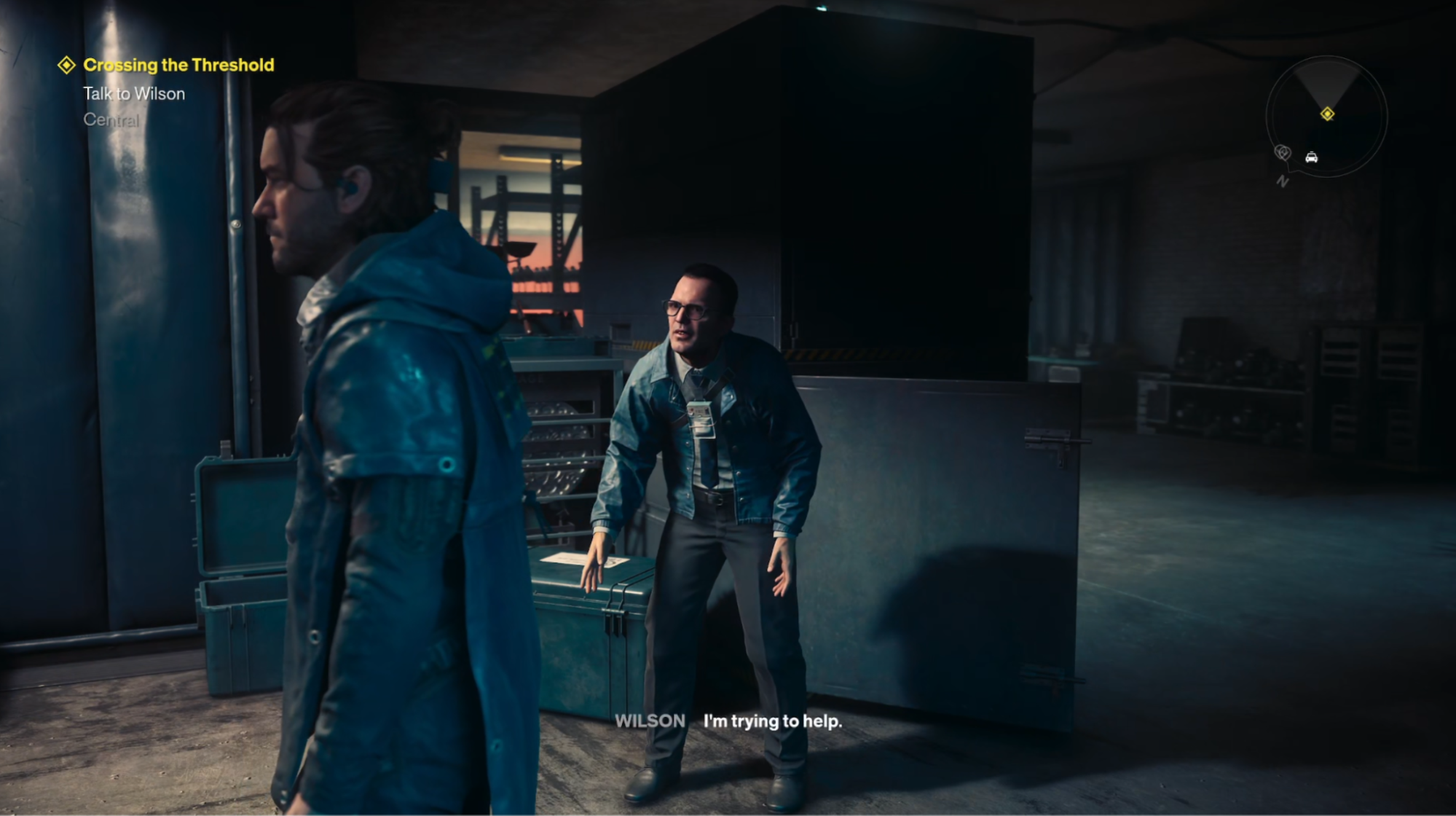
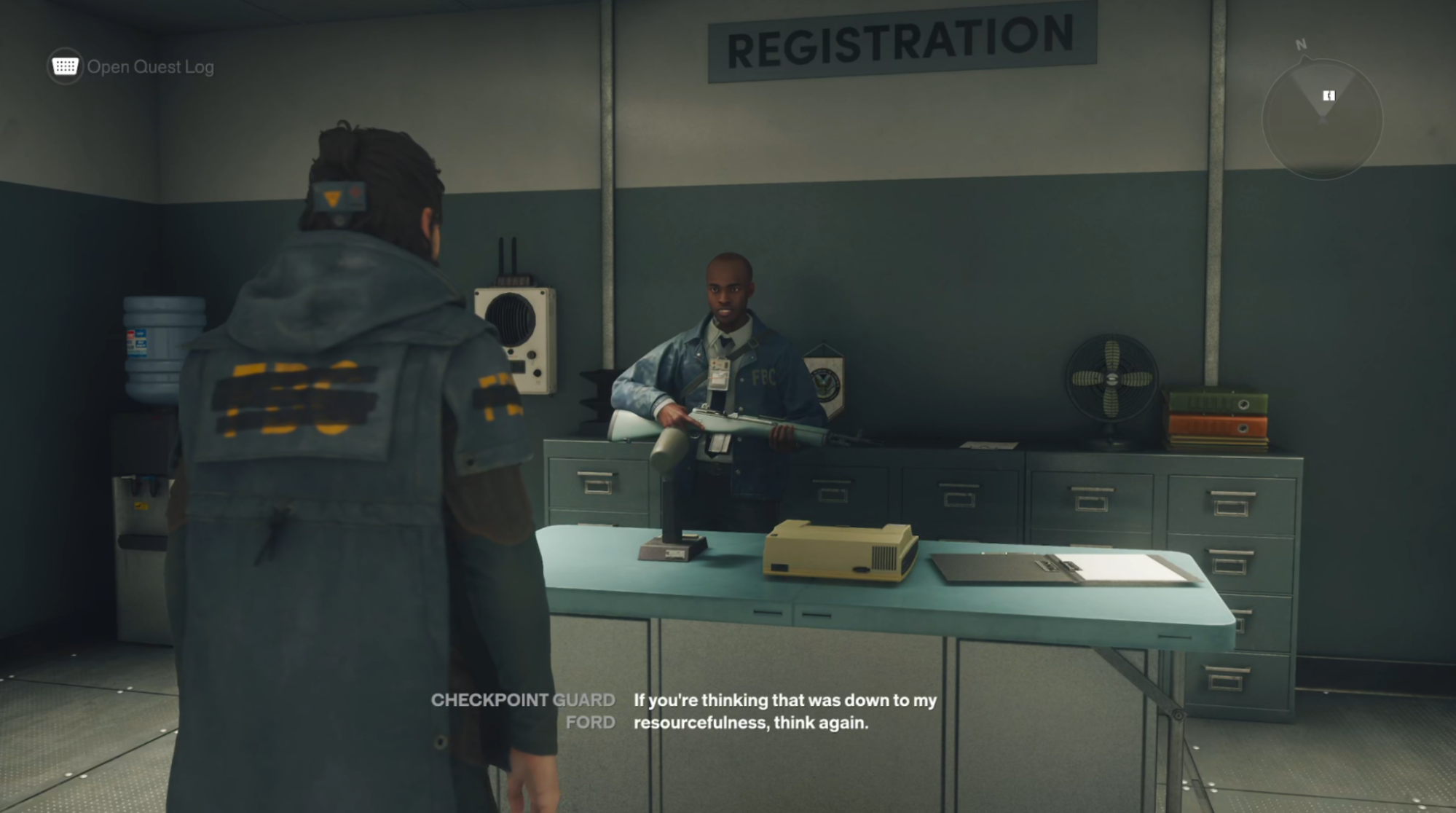
While the game is open-world, the fast travel system is extremely quick, only taking a couple of seconds to load each time. The map is split into zones, and while there are transition checkpoints in between some, these checkpoints have characters to talk to and lore to explore, so you can choose to sprint through them or take a breath.
Bugs are minimal, crashes are non-existent, and the overall level of polish is noticeably higher than Control’s launch state.
Lows
A Downgrade in Setting
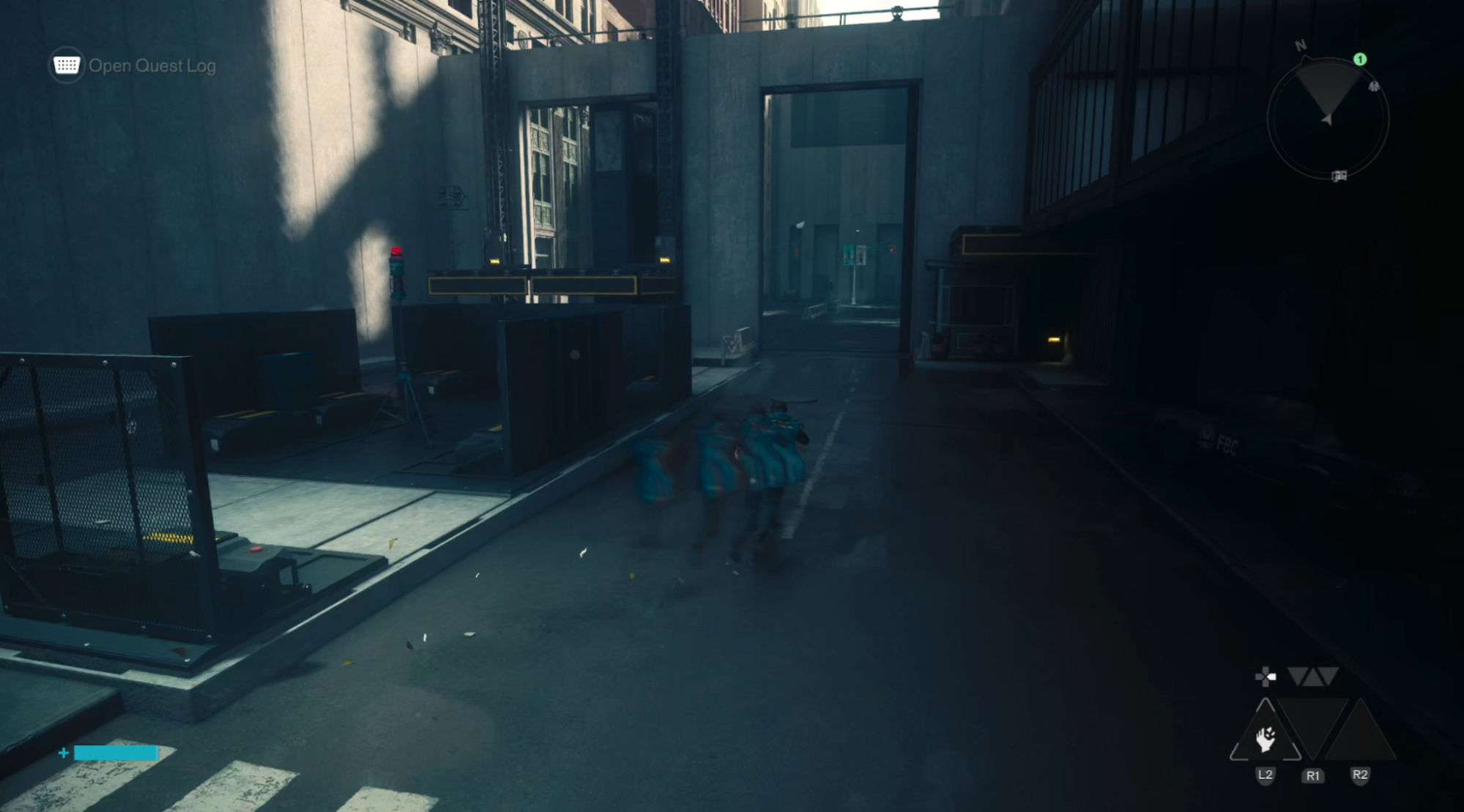
Moving from the Oldest House to Manhattan fundamentally changes the series’ identity, and not for the better. The Oldest House was a character in itself. It was mysterious, shifting, and deeply tied to the game’s tone. By comparison, Manhattan feels visually repetitive and thematically thin.
Control (2019) had these Dr. Strange mirror-world-type settings, where you were frequently placed in shifting hallways that twisted and reflected as you navigated through. These not only gave The Oldest House a personality, but also reflected Jesse’s own mind state as you progressed through her journey.
In Resonant, however, the patterned city blocks lack personality, the surreal elements don’t integrate as naturally, and the world never reaches the same level of intrigue or atmosphere. The world rarely has those mind-bending environments that the first game did, and very rarely do you experience them outside of a designated side mission, which usually just has a teleport to a new dimension rather than the world around you actively shifting.
Remedy’s signature weirdness is still present in its mission design and lore of altered objects and AWEs, but it’s diluted, spread across a setting that doesn’t support it as strongly, and results in a flatter, less memorable world.
Convoluted Upgrade System
The upgrade system is one of Resonant’s weakest pillars. Weapon and ability progression feels shallow, with most upgrades boiling down to simple stat bumps rather than meaningful mechanical changes.
Players are swamped with a cacophony of varying resources with similar-sounding names and looks. There’s also no tooltip indicating which resources drop from which enemy, so you’ll need to memorize them or have a guide ready at all times.
Many resources can be bought from vendors in each zone, but most are quite expensive. On top of that, the mid- to high-tier resources at vendors are locked until you level up the Zone, which is done by completing side quests and activities.
Build diversity is limited, experimentation is discouraged, and the sheer number of crafting materials creates clutter without adding depth. The game features a pinning system that lets you pin an upgrade recipe so you can track whether you have the materials, which feels like Remedy knew how confusing the system was.
The respec system makes this worse, as resetting your skills requires a rare currency, turning what should be a flexible progression system into a rigid commitment. While you can buy them from vendors, they’re extremely expensive and very limited.
Being able to test them before locking into one choice would’ve eased this grievance and helped players avoid regretting early decisions.
As a result, instead of encouraging players to try new approaches, many commit to maxing out each weapon type first before trying anything else.
Confusing Map Design
Navigation is one of the most consistent complaints across early impressions. Manhattan’s layout is intentionally patterned and distorted, but in practice it’s frustrating to traverse.
Streets dead‑end unexpectedly, rooftops repeat in ways that make orientation difficult, and the minimap does little to help you understand the space. Navigation through the world is disjointed, and the map menu is confusing because it doesn’t accurately show dead ends or topography.
Gravity‑shift zones add visual flair but often make traversal even more confusing. You can use later-unlocked abilities to shift gravity and walk on walls and the ceiling, but the visual cohesiveness is absent, leaving players turned around and unsure where to go next.
The world feels disjointed in a way that breaks flow and slows down exploration. Most of the time, the main challenge of a quest or side-mission was just trying to find how to get to the starting location to trigger it.
On top of that, the mini-map is more like a radar, where no topography or streets are shown, and its main function is just to see where enemies are hiding so you can defeat them.
Instead of feeling like a seamless environment, it feels like a collection of disconnected blocks stitched together without clear logic.
Our Score
8.5/10 (A Fresh and Reality-Bending Sequel)
Control Resonant is at its strongest when it’s moving. Dylan’s mobility gives the game a constant sense of lift and momentum, turning encounters into fast, airborne exchanges where quick bursts and sharp repositioning define the rhythm.
Even though the melee system isn’t especially deep, the overall feel of combat stays energetic and satisfying. Remedy’s imagination comes through most clearly in its side missions, which lean into stranger, more playful ideas than the main story and deliver the kind of reality‑bending detours that make this universe memorable.
Strong performance and polish support it all, with stable framerates, clean effects work, and animation that ties Dylan’s movement together with clarity.
Some systems fall short of the game’s best moments. The upgrade system is thin, cluttered with materials, and restrictive when it comes to respeccing, which discourages experimentation.
The shift to Manhattan gives the game a less compelling identity, trading the Oldest House’s mystery for patterned city blocks that rarely feel atmospheric or distinctive.
Navigation becomes a recurring frustration, as the world and map can feel repetitive, disjointed, and occasionally at odds with the game’s fast movement.
Fans of Control or other Remedy Entertainment works should dive right into this one, and even players unfamiliar with the world of Control will enjoy this too. And while it doesn’t have the knockout punch quality that gave Alan Wake 2 a GOTY nomination, many gamers will celebrate this entry into the Remedy Connected Universe.
Even with these shortcomings, Control Resonant succeeds through its momentum, creativity, and technical confidence. It delivers standout moments, maintains a strong sense of style, and shows that Remedy still knows how to twist reality in ways few studios attempt.
Reviewed by Jack Briggs (originally published September 24, 2026)