menu
MobalyticsUse your favourite features in-game with our Desktop App
STS 2 Guide

Slay the Spire 2 Ultimate Beginner Guide

Beginner
Updated on Mar 13, 2026
Mar 13, 2026

Overview

Slay the Spire 2 is a deck-building roguelike where every run is different. Success in the game comes less from memorizing strategies and more from learning how to evaluate situations and adapt your deck along the way.

These following beginner tips highlight the most important ideas that will help you improve your runs and start climbing the Spire more consistently.

Be Bloodthirsty Early

Every run begins with a map full of branching paths. Choosing the right route can make a huge difference to your chances of success.

In Act 1, it’s usually beneficial to fight several normal enemies early so you can gain gold and card rewards before facing elites. Ideally, your path should also include rest sites before difficult encounters so you have the option to heal or upgrade cards.

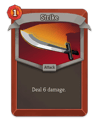
As a general rule, you'll want to find damage cards as soon as possible. A bunch of Strikes is not gonna cut it on the Elites or Boss!

Elites Are Scary, But Worth

Elite enemies are tougher than regular fights, which makes it tempting for beginners to avoid them. Elites, however, reward powerful Relics, and Relics provide powerful passive bonuses that can define your entire run.

Without enough Relics, your deck may struggle later in the game. While you shouldn’t fight elites recklessly, learning to take on a few each act is an important step toward stronger runs.

Some Relics can be completely build defining. You're completely missing out on the opportunity to find them if you skimp on Elites!

Scaling is Key

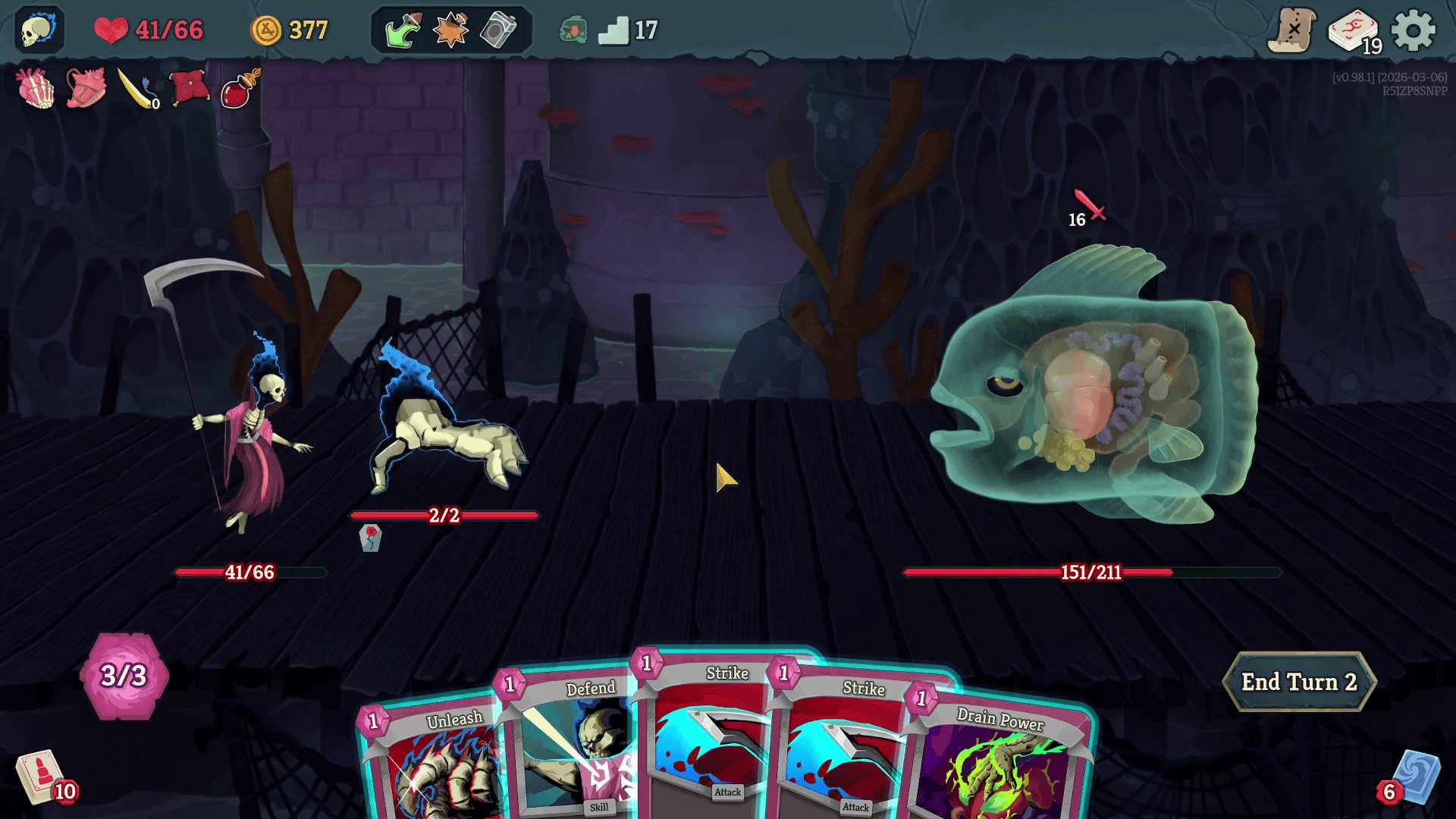
Enemies become stronger over time, often buffing their Strength every 3 or 4 turns. Bosses and Elites especially both require sustained damage to defeat. To keep up, your deck needs ways to grow stronger as the fight progresses. This is known as scaling.

There are many ways to scale in a fight:

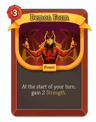
  • Buffing your own Strength with cards such as Demon Form
  • Stacking Poison damage or Doom
  • Gaining Block over time
  • Playing powers that improve your effectiveness during the fight like Defragment or Genesis
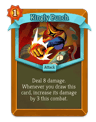
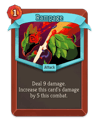
  • Scaling specific cards like Kingly Punch and Rampage

These are often your win conditions and you should always bear them in mind when drafting your deck.

Don't Be a Hoarder

After a battle, you can add a new card to your deck - but you don’t have to. A common beginner mistake is taking every card offered.

Adding too many cards will dilute your deck and make it harder to draw your most important cards. Instead, only choose cards that clearly improve your strategy or help with upcoming challenges.

A smaller, more focused deck is indefinitely stronger than one that's cluttered or bloated.

Adapt to the Situation

One of the most important lessons in Slay the Spire 2 is that almost everything is situational. A card that is powerful in one run may be useless in another depending on your relics, deck composition, and upcoming enemies.

Instead of trying to memorize fixed strategies, focus on asking questions like: What does my deck currently do well? What is it missing? What challenges are coming up next? Learning to evaluate your current situation will help you make stronger decisions throughout the run.

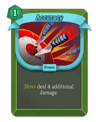
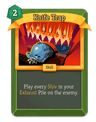
If the answer to "what does my deck currently do well?" is, say Shiv generation on the Silent, then you might want to pick a card like Accuracy or Knife Trap. If your deck already has good Block, you may need to invest into a big Damage card to balance things out.

Take a look at our Card Wiki to see all cards available to each character and help plan your deck!

Card Draw is OP

Cards and Relics that allow you to draw additional cards can dramatically improve your deck.

Remember all that doomer talk about bad cards and dead hands? Good card draw can make up for that. Drawing more cards increases your chances of finding exactly what you need in a given turn - whether that’s damage, Block, or a key combo piece. Many powerful decks rely heavily on card draw to maintain consistency.

Card draw and Energy have a somewhat Ying-Yang relationship. Too much draw with not enough Energy is often pointless when you can't play the cards. Likewise, stacking up on Energy is redundant if you don't have the cards to use it with.

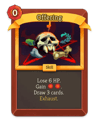
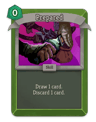
If you find a card that draws for zero Energy there's a good chance it's going to be a very useful card. Offering, Prepared are two such examples.

Remove Weak Starter Cards

Your starting deck includes basic Strike and Defend that are weaker than cards you’ll find later. Whenever you encounter opportunities to remove cards - most notably in shops or special events - these should be the first cards on the chopping block. Over time, this increases the overall strength and consistency of your deck.

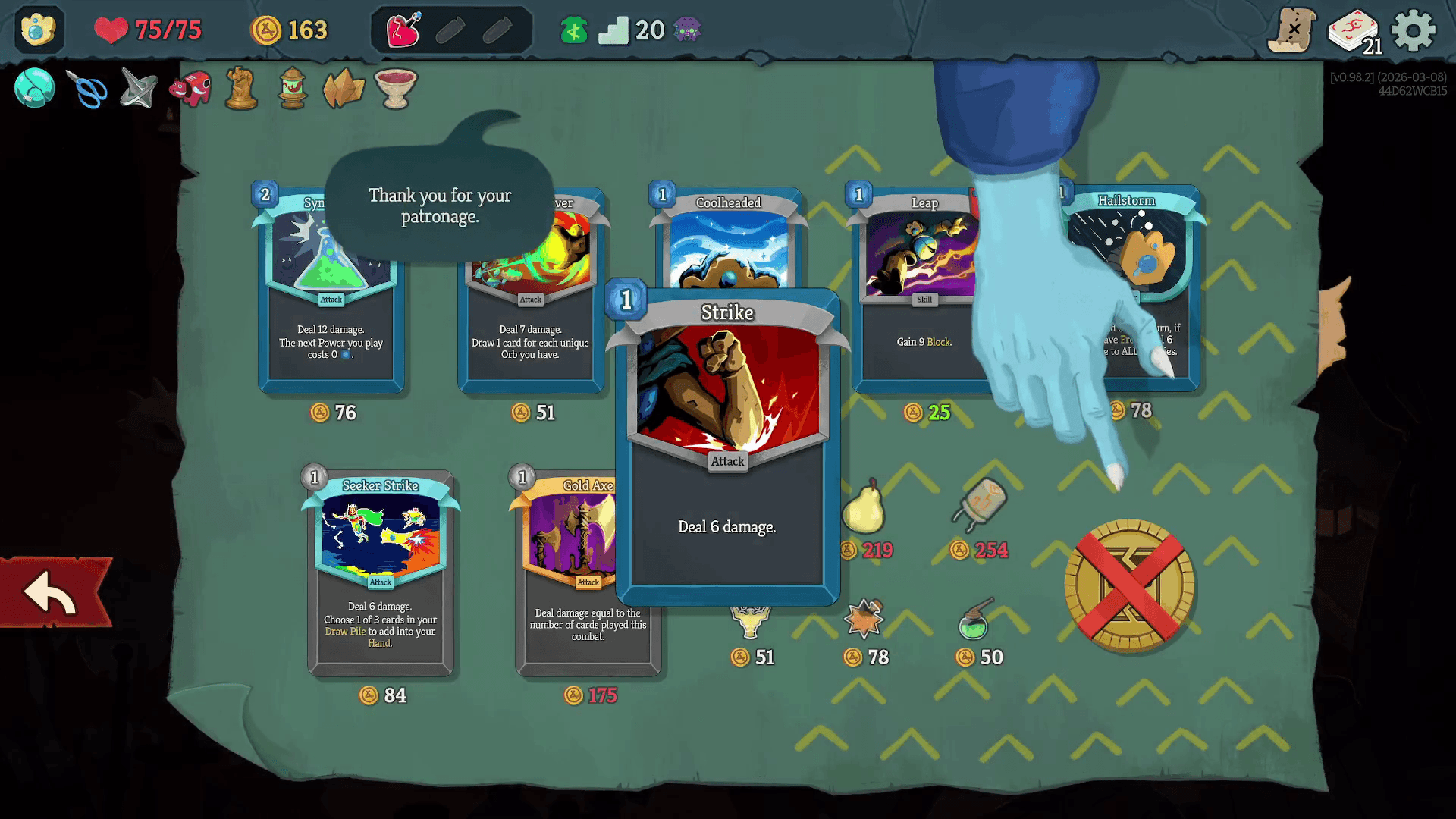
If you haven't guessed yet, less is more in Slay the Spire 2. The remove tool at the Shopkeeper is often the best way to spend your money.

Resting is Bait

Rest sites allow you to either heal or upgrade cards. While healing can be necessary when you are low on health, upgrading cards provides long-term advantages. Your HP pool is a resource; any point above 1 is technically not needed.

That's not to say you should run around on 1 HP all the time! You still need to be able to tank the bad draws and awkward Elite fights. But Slay the Spire rewards aggressive decision making and as such you should be questioning whether you really need that health when you're at a Rest site.

The opportunity cost of healing is missing out on a card upgrade (unless you have the Miniature Tent of course!) which can be quite a high price to pay indeed.

That said, while some upgrades dramatically improve a card’s effect, others offer only minor improvements. Learning which upgrades provide the biggest impact can significantly improve your runs.

To see how a card changes when it's upgraded, open up your deck, right click the card, and select "Upgraded". There are two criteria to consider when deciding whether or not to upgrade a card:

  • The overall upgrade value
  • How important the card is to your win condition

A perfect example of a great upgrade target would be Defragment. An upgrade will literally double the cards power and, If you are playing an Orb deck on Defect, this is incredibly useful.

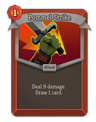
A card like Pommel Strike increases not only its damage but doubles its Draw too. This is a great upgrade effect but the card itself is not pivotal to many builds so you many want to think twice before upgrading it over something else.
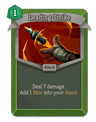
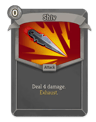
A card like Leading Strike only increases its damage when upgraded. It's good for Act 1 but likely not part of your long-term strategy (unless you are building a Shiv deck, which the upgrade does nothing to help), so this is an unlikely Upgrade target.

Potions Aren't Just for Bosses

Potions provide powerful one-time effects, yet many players hold onto them for too long. This is often due to a misconception that they should be saved for the end of act boss

Firstly: remember you only have 3 potion slots ( not withstanding). If you're ever sitting on the potion cap it's a good idea to use one during combat in case you're offered another and would therefore be wasting one.

If a potion can prevent significant damage or help you win a fight quickly, it’s usually worth using immediately. Proper potion usage can often be the difference between surviving a difficult encounter and losing a run. Even in non-elite or boss fights potions can prevent you from taking a whole heap of damage.

Don't waste your best potions though! Feel free to check out our Potion Tier List for an idea of which you should be holding on to.

Balance Offense with Defense

A strong deck needs both offensive and defensive tools. Too much focus on damage can leave you vulnerable to heavy attacks, while too much defense may cause fights to drag on. Turtling is generally a bad idea long term as most fights have some form of scaling that you'll have to eventually deal with before it reaches cataclysmic levels.

Try to maintain a balance so you can both survive enemy attacks and defeat them efficiently. Remember that early on - especially in Act 1 - you will need to draft some damage cards to stop your run from ending prematurely!

Be Ready for Different Types of Fights

Some battles involve multiple weaker enemies, while others involve a single powerful target like an elite or boss. Some demand an aggressive strategy to avoid being overwhelmed, others deliberately limit the amount of damage you can do to them per turn.

A well-rounded deck should be able to handle all situations. Naturally your deck will have certain strengths and weaknesses, but having some coverage for all scenarios is never a bad idea. Make sure you include attacks that hit multiple enemies alongside strong single-target damage to ensure you’re prepared for any encounter.

Or don't, of course, and pray you never run into your kryptonite!

Find a Win Con and Build Around It

Many successful decks focus on a particular mechanic or archetype, such as Poison damage, Strength stacking, or Exhaust effects. When you find key cards that support a particular theme, consider building around that strategy.

You'll need a synergistic decks to be successful in the later Acts. Knowing what cards are best to build around can be tricky. There's a lot of trial and error and experience - that's half the fun of the game after all - but if you want a good starting point go check out our Character Guides which list off some decks and their key cards to look out for.

Learn Enemy Patterns

Enemies in Slay the Spire behave in predictable ways and display their intended actions each turn. Paying attention to these patterns helps you plan ahead, defend against heavy attacks, and exploit opportunities to deal damage.

Each enemy will have a particular quirk that sets them apart from their peers. Learning these strategies can be the difference between success and failure when climbing the Spire. Of course there are a whole host of enemies and learning all of their specific movesets may seem overwhelming, but just knowing the general gist of each enemy type will go a long way.

You don't need to be a Slay the Spire encyclopedia, just take some time to note what each enemy does when you fight them so your future runs go smoother.


Consult Your Relics Before Adding Cards

Relics often shape how your deck should be built. For example, some relics encourage drawing more cards, gaining additional energy, or focusing on specific mechanics.

When considering how you should be building your deck and what it needs, take a peek at your Relics and how they work. You may just find you don't need extra draw or energy - or maybe you'll find a reason to draft a card you otherwise wouldn't.

Here are some examples:

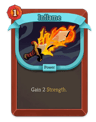
  • If you have a Ruined Helmet, Inflame suddenly turns from 2 Strength to 4 (or from 3 to 6 if upgraded!) You don't need a Strength deck for this to be good, and the Ruined Helmet may otherwise be wasted.
  • Blessed Antler, Happy Flower etc provide passive Energy gain. With them you may be able to draft more expensive cards and without them doing so may be a bad idea.
  • The quartet of Shuriken, Ornamental Fan, Kusarigama, Kunai reward spamming low cost Attack cards. If you find these and are playing the Silent, you should seriously consider grabbing some Shiv cards.
  • If you chose an Iron Club you may not need to add many draw cards to your deck. If you chose the Fiddle, you absolutely do not want to add them!

Mix and Match Strategies!

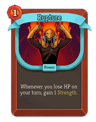
Slay the Spire inherently relies on randomness. You won’t always receive the cards you hoped for - it may tease you with a great Rupture start and then offer little to no synergy with it. When this happens, flexibility is key. Rather than forcing a specific strategy, adapt to the rewards you are given and build a deck around the opportunities that appear.

You may think this contradicts with the point of "finding a win condition and build around it". It's definitely a fine line, but try to marry these two concepts together. Have your win condition but also don't lock yourself out of other options.

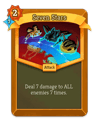
The Regent is a great example of this. Building a Star deck with cards like Hidden Cache to feed Seven Stars is a great overall strategy and win condition. But what if the Star generators start drying up later in the run? What if you've added more cards and now the deck is a bit bloated?

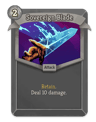
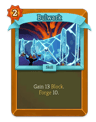
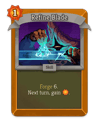
You can still have the Sovereign Blade as backup. A card like Furnace and one or two others such as Bulwark or Refine Blade might not be ideal for a Star deck, but they still have their uses and will give you a back up plan - one big (but not massive) damage card to use in a pinch.

Accept That Losing Is Part of the Game

Finally, remember that Slay the Spire is designed to be challenging. Losing runs is a normal and expected part of learning the game. Each run teaches you something new about enemy patterns, card interactions, and deck-building strategies. Over time, these lessons will help you climb the Spire more successfully.