Platforms: Windows, PlayStation 5, Xbox Series X|S, Nintendo Switch 2
Developer: Capcom
Publisher: Capcom
Resident Evil 9: Requiem arrives with the weight of the entire survival‑horror genre on its shoulders. It’s been several years since the last mainline entry, and in that time Capcom has undergone notable internal shifts. New directors stepping in, veteran RE staff returning, and the franchise once again experimenting with tone after the success of both the first‑person revival and the third‑person remakes.
That history matters because Requiem feels like the culmination of decades of reinvention. It doesn’t just maintain the series’ hard‑won identity, it elevates it. Confident, cinematic, and mechanically refined, this latest chapter proves Capcom still has new horrors to conjure and new ways to spike your blood pressure.
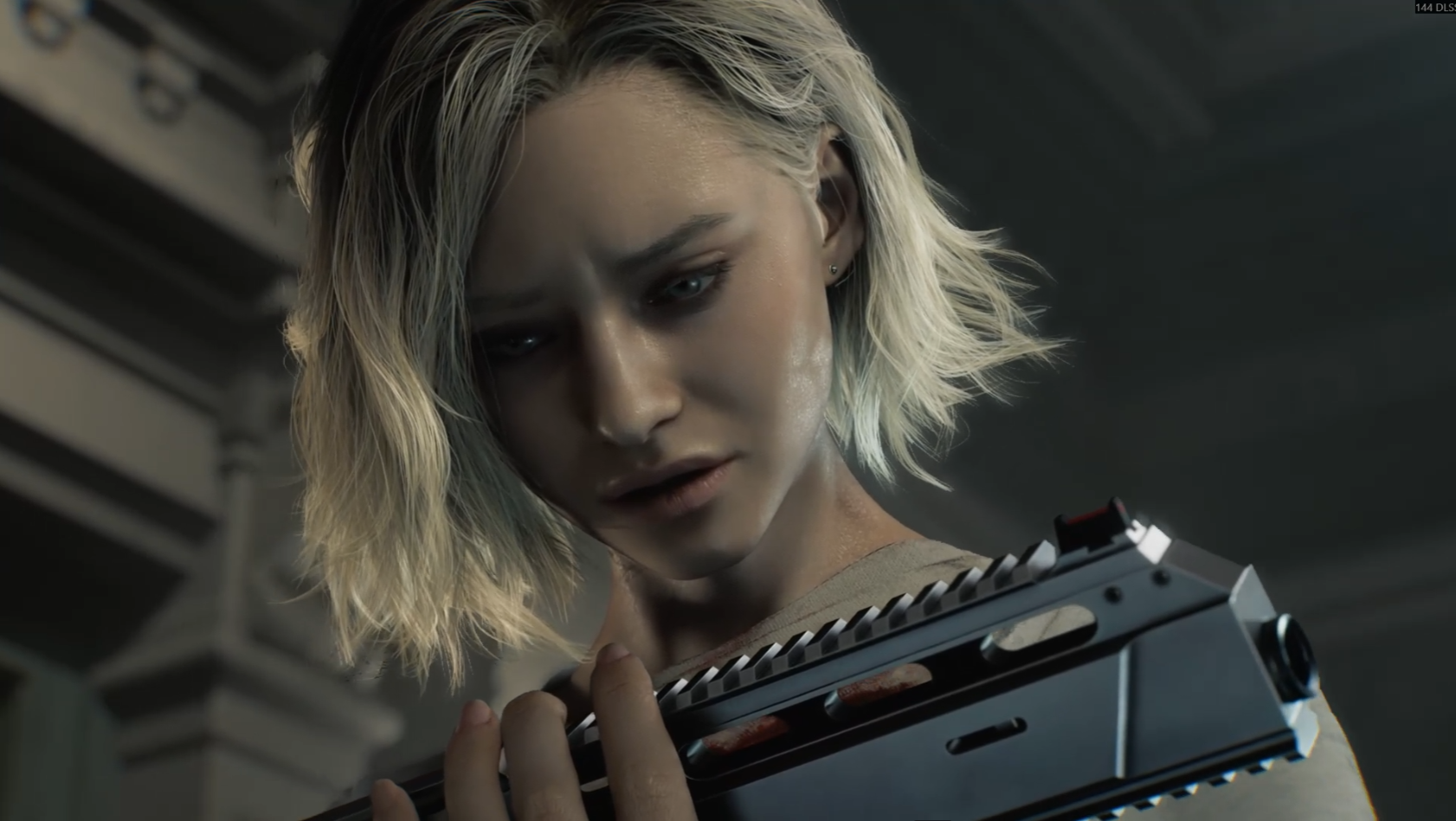
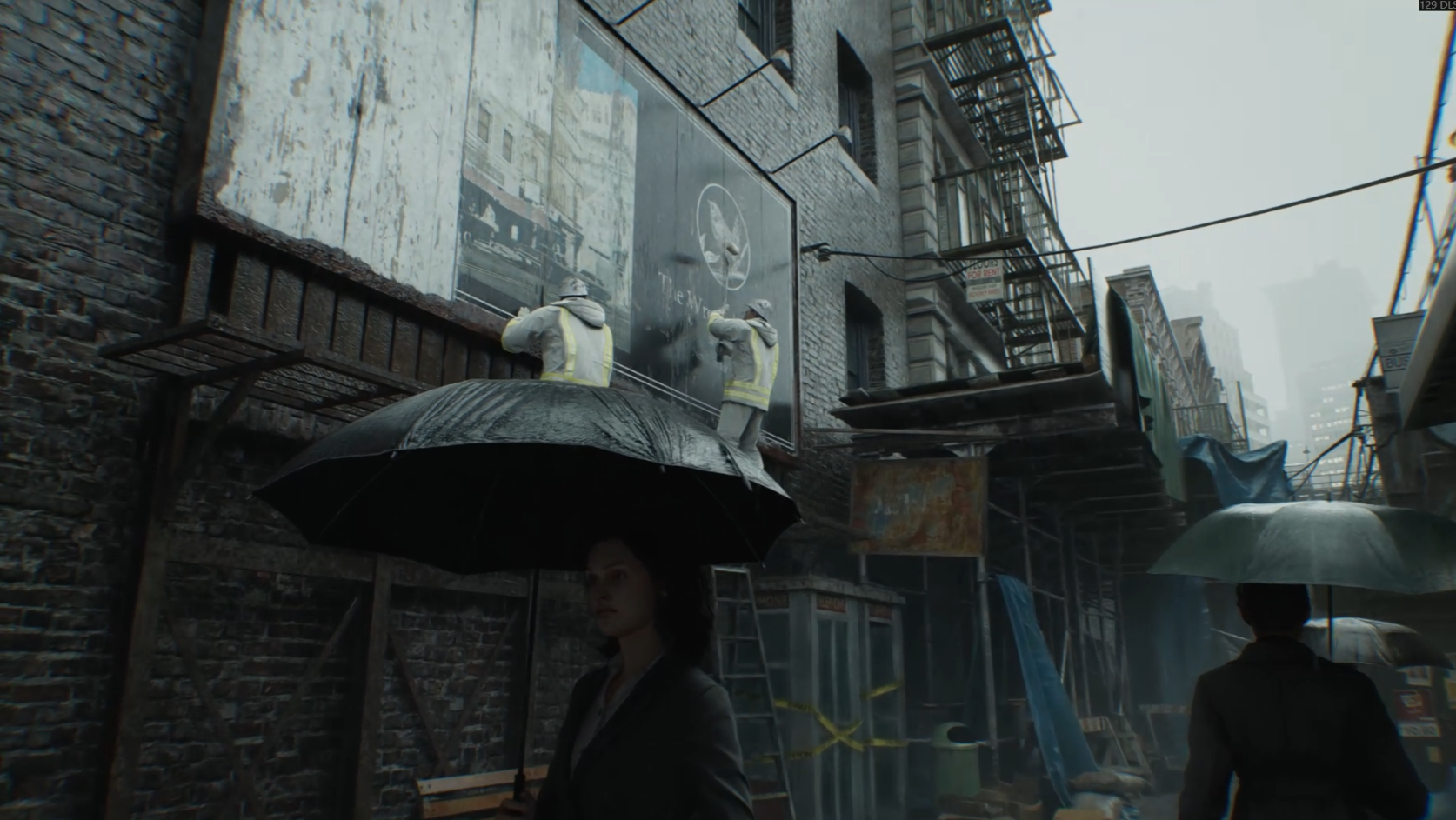
Set nearly three decades after Raccoon City’s destruction, this new Resident Evil chapter begins with a chilling discovery: bodies of the original outbreak survivors and resurfacing. FBI analyst Grace Ashcroft becomes the unlikely focus when a fifth body appears in the Wrenwood Hotel, the now-abandoned hotel where her mother was murdered eight years earlier.
Her return sparks a rapid escalation of hidden evidence, a sudden mutation, and a cryptic figure calling her the “Chosen One” all collide, blending classic bio-terror intrigue with a more personal, character-driven tension. Grace’s abduction then widens the scope, hinting at a conspiracy that has lingered since Umbrella’s fall.
Running parallel is a DSO investigation led by Leon Kennedy and Sherry Birkin, whose pursuit of a sixth body leads them to former Umbrella scientist, Victor Gideon. When Gideon triggers a fresh outbreak in Wrenwood, Leon’s arrival intersects with Grace’s disappearance, pushing the narrative toward a broader bio-weapons plot tied to Rhodes Hill Medical Center, and the mysterious Spencer Foundation. The result is a setup that balances intimate stakes with franchise-scale escalation, laying the groundwork for emotional payoff and the kind of spiraling chaos Resident Evil thrives on.
While the game comes out of the gate with an unevenly paced opening act, the moment it settles into its rhythm, Requiem becomes one of the most gripping and atmospheric survival‑horror experiences Capcom has crafted in years. You can feel the influence of the franchise’s shifting creative leadership, its willingness to blend old‑school tension with modern design clarity, resulting in an experience that borders on perfection. It’s a reminder that even three decades in, Resident Evil can still surprise you, unsettle you, and push the genre forward.
Our review for Resident Evil 9: Requiem was conducted with the PC version on Steam.
Highs
Combat: The Best the Series Has Ever Felt
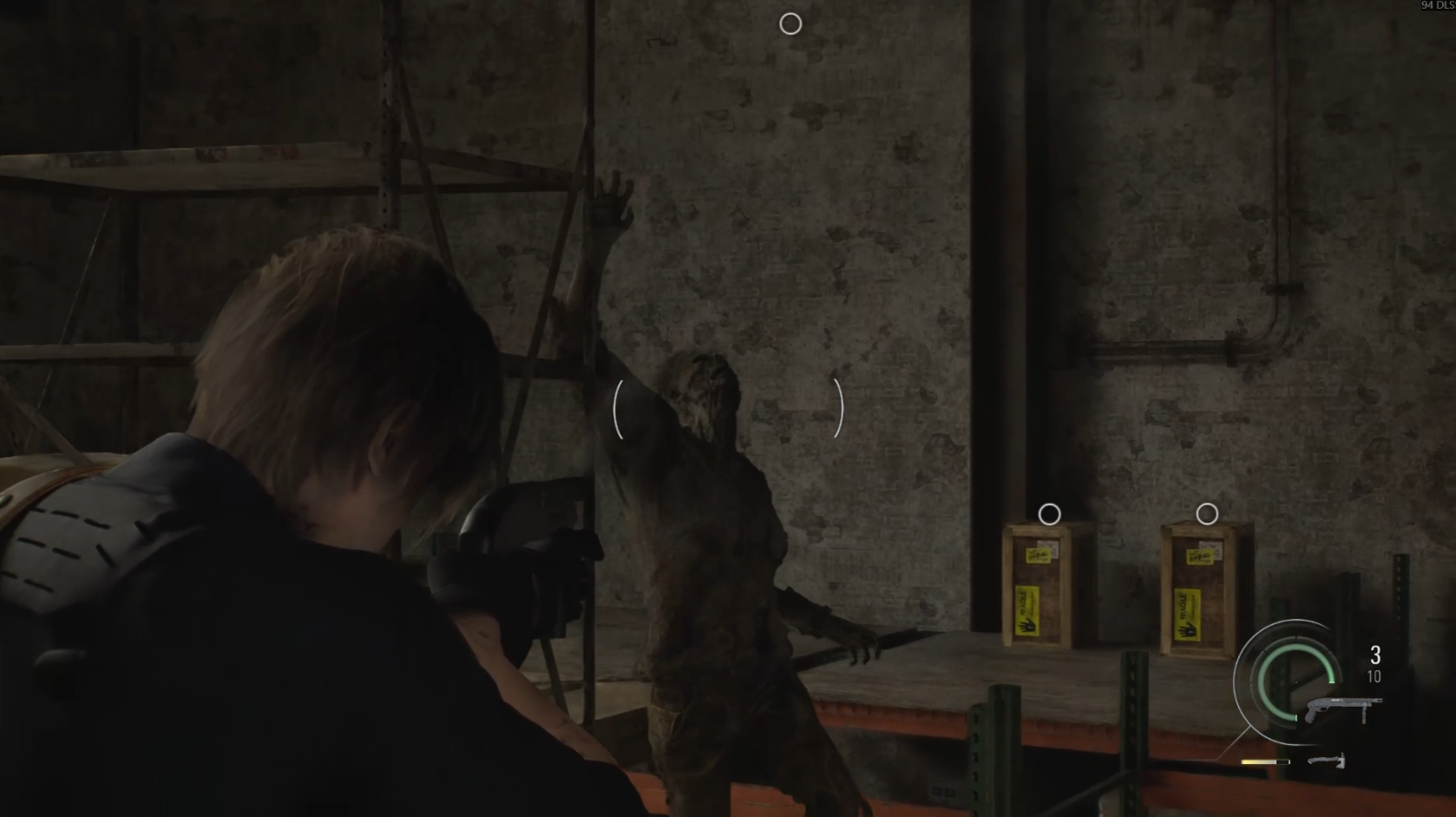
Once the game opens up, the combat system shines as one of the strongest in the franchise. While some games feel burdened by a dual-protagonist system, Requiem feels not only elevated by it, but advances the series due to its implementation. As such, Requiem effortlessly blends the grounded survival aspect of Resident Evil 2 Remake and Resident Evil 7, along with the fluid and tactical flexibility of Resident Evil 8: Village. Each weapon feels distinct, impactful and purposeful.
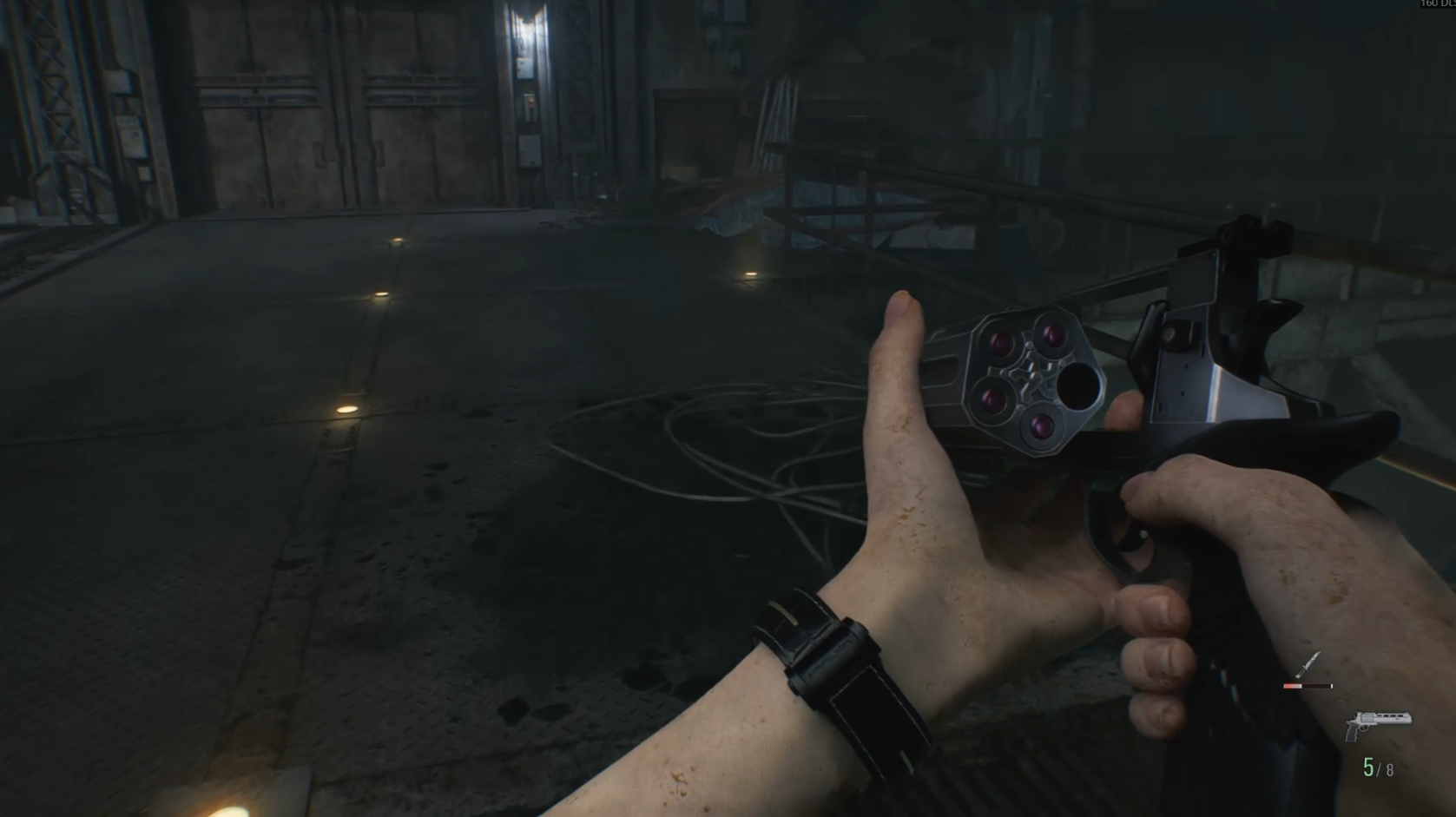
The handgun’s snap-aim responsiveness, the shotgun’s concussive force, and the experimental weapons you can bring into subsequent playthroughs all contribute to an expertly refined combat loop that rewards both precision and your willingness to manage and reserve resources. Finally, the titular revolver “The Requiem” plays differently in each character’s hands, due to the stark physical differences between each protagonist.
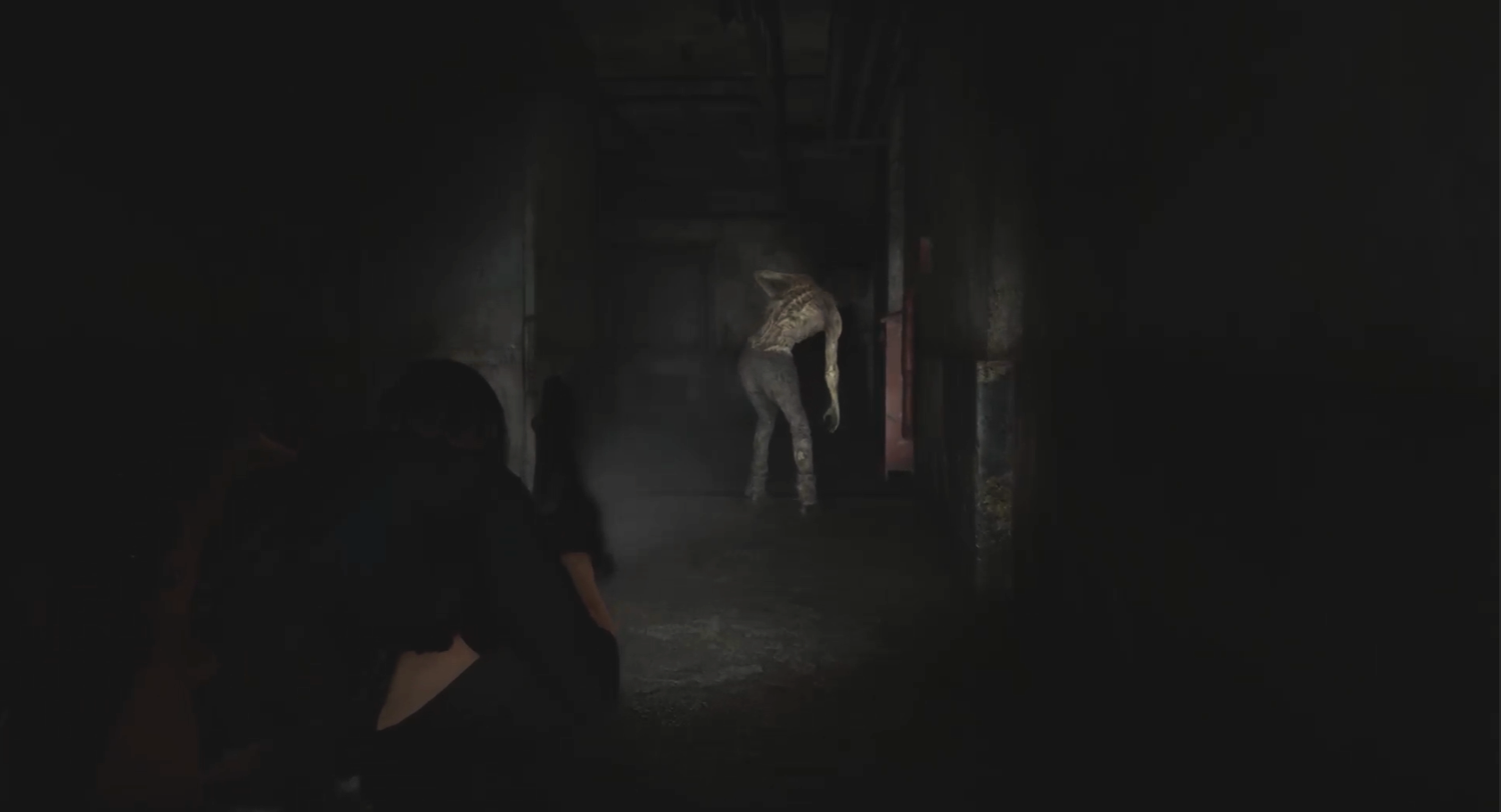
Enemy design is another standout achievement. While classic infected variants are present from previous games with their own in-setting coat of paint, new infected are also roaming (and carefully stalking you) through the halls and underbelly of the Rhodes Hill Care Center. These newer variants are unpredictable, aggressive, and visually disturbing.
Some can lunge and chase with terrifying speed, or others stalk with patience before grabbing you from around a corner. A few introduce unique mechanics that cannot be beaten by dumping your very limited resources into them.
While the Resident Evil series sometimes had frustrating boss fights that directly opposed the “survival” balance of the survival-horror genre, these ones deserve special praise. They are cinematic without sacrificing gameplay mechanics, each one pushing you to master the limited tools you have scrounged about through your playthrough. Said battles are tense, memorable, and feel extremely satisfying when you take down each boss, everything a Resident Evil boss fight should strive to be.
Horror: A Return to True Dread
Resident Evil: Requiem is easily one of the scariest entries in the series. Capcom crafted this game to lean heavily in environmental storytelling, psychological storytelling, and a truly oppressive atmosphere.
For me, the sound design alone carried a significant portion of the experience, with distant footsteps echoing through hallways now abandoned of human life, or hearing the rafters creaking above me of someone, or something, slowly stalking me before inevitably coming crashing down when I least expected it. And to top it all off, the symphonious stillness and quietness that followed heart-racing encounters with the infected.
The game’s carefully crafted environments are filled to the brim with detail. Capcom’s RE Engine has always been industry-leading when it comes to both graphics and performance when utilized to carefully hand-make indoor environments, from old-style wood-pillared hallways and carpeted lobbies, to sleek scrubbed-clean laboratories and operating theatres.
Furthermore, lighting plays a huge role in the game's tension, which is uplifted by Ray Reconstruction technology that enhances the experience if your hardware supports it. Shadows can obscure threats lurking in the darkness, flickering bulbs ahead can distort your depth perception, and while the flashlight can help you see ahead, it further obscures your periphery.
To top it all off, the series’ signature jump scares do exist, but Capcom knows when and how to use them sparingly and intelligently. The real horror isn’t flashy jumpscares or long gun fights, it comes from anticipation, and that feeling of the hairs rising on your neck as you swear something is breathing down on you.
Requiem understands that the scariest moments are the ones where nothing happens… yet, and it doubles down on that by placing you in Grace’s shoes. She isn’t a trained combatant, she can’t bulldoze through enemies like Leon or Chris Redfield, and that vulnerability turns every encounter into a panic-soaked scramble rather than a power fantasy. Her lack of combat ability doesn’t just raise the stakes, it makes the silence heavier, the shadows deeper, and the threat of what might be lurking out of sight genuinely terrifying.
Thematically, Requiem explores the lingering grief and guilt of survival, charting where Leon has been and where he’s heading next. And while the Resident Evil 2 and 4 Remakes reintroduced him to a new generation, this is the first time in nearly fourteen years since Resident Evil 6 that his character truly moves forward. The result is a darker, more introspective experience than Resident Evil Village, yet never as suffocating as Resident Evil 7, a mature middle ground still infused with the pulpy charm of Leon’s reckless heroics and perfectly groan-worthy dad jokes.
Exploration and Progression: Rewarding and Tense
The familiar linear, almost semi-open world structure encourages players to explore their environments, but without overwhelming them. There are plenty of secrets, optional encounters, and hidden upgrades carefully placed throughout the world to reward the player with meaningful gameplay benefits. There’s even some hidden easter eggs that only the most eagle-eyed players will uncover, or understand.
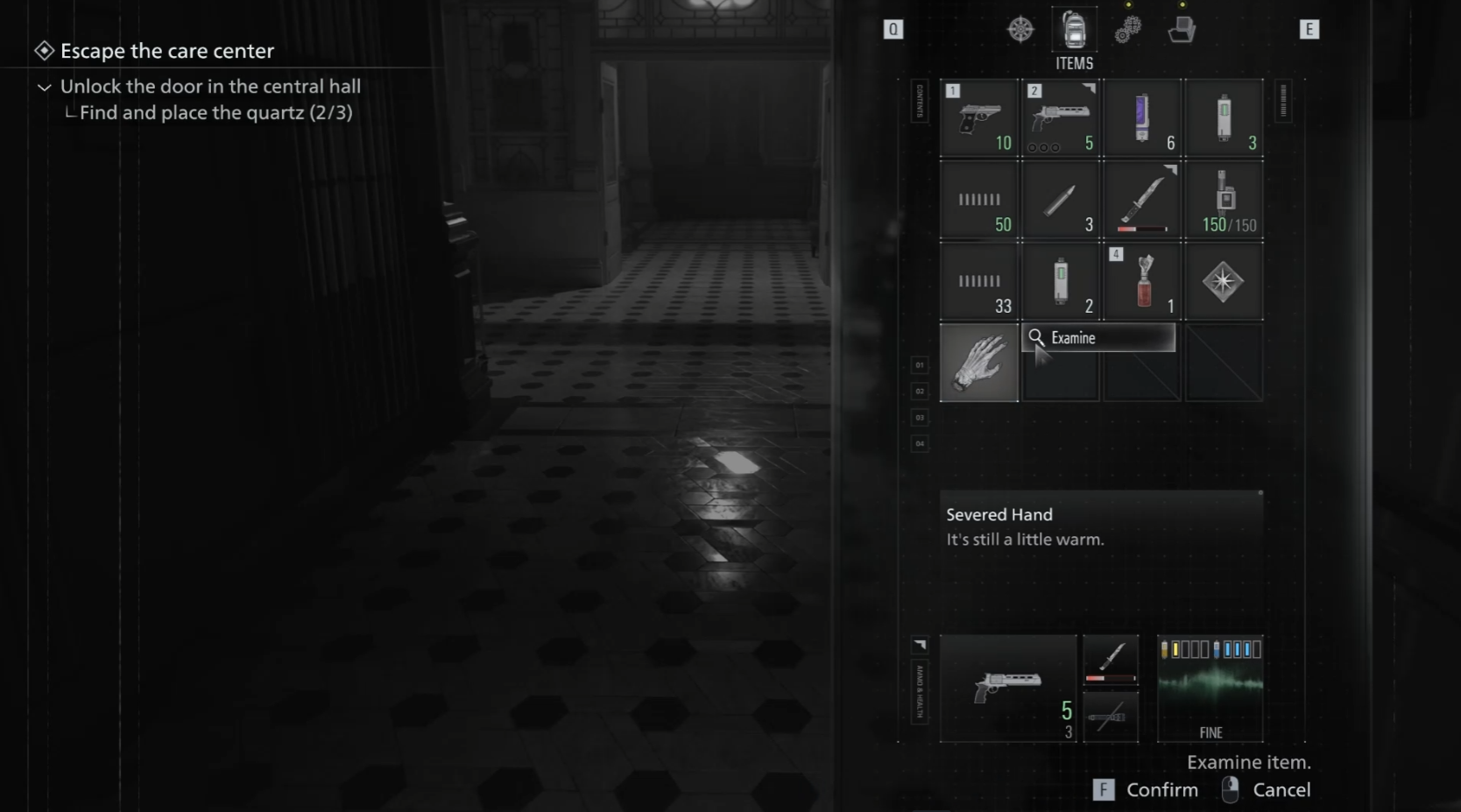
While playing as Grace, inventory management remains a core pillar of the survival-horror experience, while the crafting system has now been streamlined to allow items to be crafted more easily, and some items to be stacked.
Puzzles also make a significant return, offering smart challenges that break up the sinister nature of the setting, while keeping player momentum on track. They’re thematic, logical and satisfying to solve, and some of them also allow the story and characters to move forward, rather than remaining separate from the rest of the game.
Lows
Pacing: A Slow Start That Gives Way to Excellence
Let’s address the first misstep in the game: the pacing in the opening hours. Requiem begins with a heavy emphasis on exposition, environmental setup, and slow-burn tension. While these are needed for games of this genre, and this is usually a strength of the series, it wears out its welcome after a while.
The early objectives feel overly guided, the encounters are sparse, and the narrative beats are stretched too thin as you sneak and wander around locations with no enemies to fight, no puzzles to solve, and no optional items to interact with. It’s clear Capcom wanted to build a sense of dread through the use of restraint, but the result is a prologue that feels that it overstayed its welcome. However, once you settle into Grace after that segment, the freedom opens up more for the player.
In conjunction with that, through many parts of Grace’s experience, you are peppered with very brief moments of playing as Leon. While these are welcome breaks from Grace’s horror, these digressions are few and far between, and I frequently ended up forgetting how to play as Leon every time I gained control of him.
Lack of Extra Content: Great Game Wrapped Surprisingly Thin
For all its strengths, Requiem can not escape the feeling that it’s light on post-game content, and replayability. The campaign, while being a polished, atmospheric and tightly paced experience, abruptly stops once the credits roll. There are no substantial side modes such as the beloved Mercenaries gamemode, little experimental extras, and fewer unlockables than fans have come to expect from the franchise. It’s a sharp contrast to the series’ legacy and promise of replay-driven bonuses and inventive post-game surprises.
While it was enjoyable to give the “Insanity” difficulty a go, and to play around with the “Infinite Ammo” extra, the main purpose of my second playthrough was to tick off the remaining achievements that I couldn’t complete during my first playthrough. As such, many fans may find themselves putting the controller down after their first run, and not returning until Capcom releases its newly announced extra content or DLC down the line.
What’s Broken: Bugs and Glitches
Requiemis a strong release, but it still carries a noticeable handful of bugs that can break immersion and lead to frustrating situations. Some enemies will freeze mid-animation or get stuck on corners, leaving them awkwardly suspended until the encounter resets. Environmental objects occasionally clip or jitter during scripted moments, and character models can briefly snap into odd poses during cutscenes. For a while during one session, all my animations with Grace had an invisible gun glitched inside her hand with bullets floating around it.
Item interactions sometimes misfire, pickups fail to register until you reposition yourself, and very rarely key items don’t spawn until you reload a checkpoint. A few encounters also show clear scripting hiccups. Sometimes events and enemies don’t trigger, leading to unintentionally empty rooms, or sequences sometimes double-trigger so there are more threats than intended, which isn’t ideal for a game with resource management.
One of the more distracting issues is the inconsistent grab detection. Certain enemies can latch onto you from distances that don’t match their animations, sometimes a full step or two beyond their actual reach, resulting in grabs that feel unfair or visually disconnected from what’s happening on screen. In a game built on tight spacing, claustrophobic tension, and precise movement, these “teleport grabs” stand out more than they would in a faster, looser action title.
None of these bugs are catastrophic, but they do occasionally pull you out of the atmosphere. With a few targeted patches, most of these quirks should be ironed out quickly, leaving the underlying experience, which is otherwise polished and well‑constructed, to shine through.
Our Score
9/10 (A Near-Perfect Horror Experience)
Resident Evil 9: Requiem proves that Capcom still knows how to evolve survival horror without losing its identity. Once the story finds its rhythm, the game becomes a gripping mix of tense exploration, sharp combat, and oppressive atmosphere. Every area feels handcrafted, every encounter demands focus, and the emotional weight lands harder than in most recent entries.
It’s polished, confident, and strong enough to stand as a genuine Game of the Year contender. Despite being the ninth mainline entry, it’s surprisingly approachable for newcomers with a mostly standalone plot, but veterans will appreciate the callbacks and deeper lore threads. In terms of quality, it ranks as one of the highest in the series.
The slow early pacing, bugs, and lighter post-game keep it from absolute perfection, but once Requiem opens up, it delivers some of Capcom’s best horror sequences, boss fights, and character moments in years. By the end, you feel like you’ve survived something intense and meticulously crafted.
It’s a bold, haunting entry that earns its place near the top of the franchise. New players will find it a strong starting point, veterans will find plenty to chew on, and its production values and length justify the AAA price tag, though the patient gamer may still prefer to wait for a sale.
Main Reviewer: Jack Briggs (originally published April 24, 2026)