



 Use your favourite features in-game with our Desktop App
Neverness to Everness
Combat Intro
Combat is the backbone of any gacha RPG. In Neverness to Everness, it’s also where the game most clearly builds on its predecessors while trying to push the genre forward.
On the surface, the system will feel familiar to anyone who has played modern action gachas. Players control a team of up to four characters, switching between them in real time to chain attacks, abilities, and ultimate skills. This structure mirrors genre staples like Genshin Impact and Wuthering Waves, where team composition and synergy are key.

Combat Philosophy
However, Neverness to Everness introduces its own twist through the “Esper Cycle” system. This mechanic encourages players to use abilities in specific sequences to trigger powerful reaction effects, effectively functioning as a combo-based synergy system.
This design choice subtly shifts the skill ceiling. Instead of simply matching elemental types, players must actively think about ability rotation and sequencing, creating a more deliberate combat rhythm.
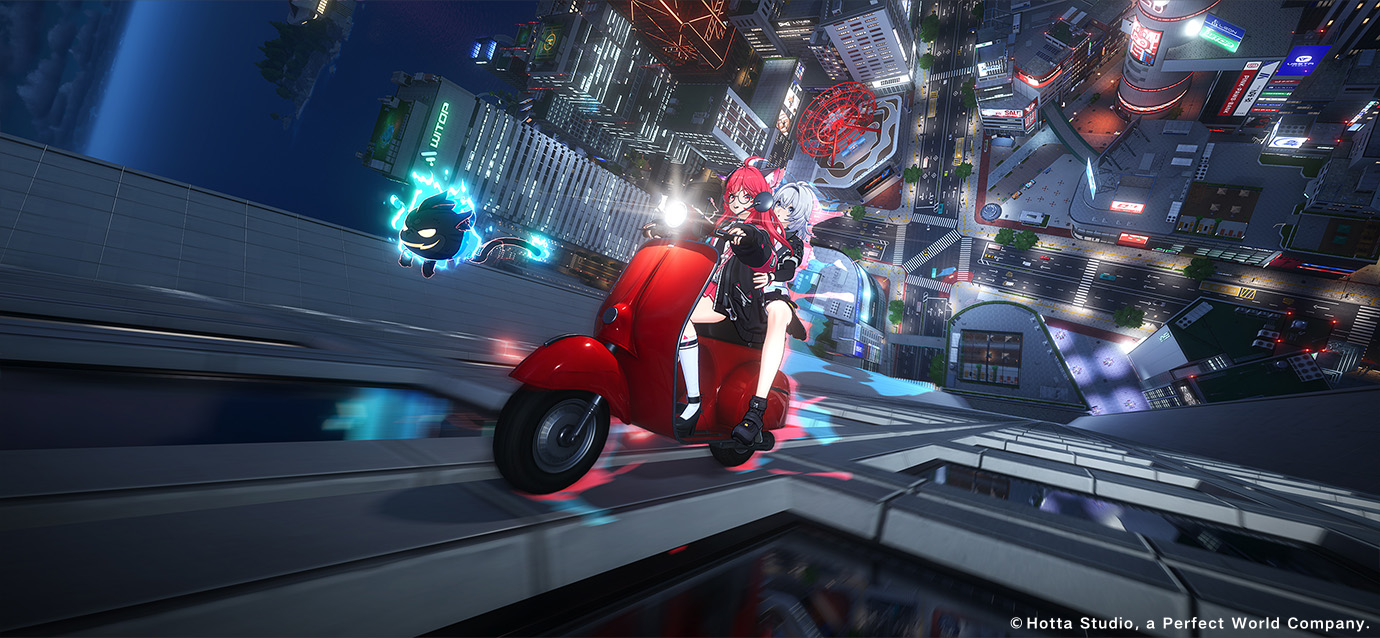
Beyond combos, the game also leans into more action-oriented mechanics. Recent beta tests introduced features such as parries, dodge counters, and stagger systems, all of which reward precise timing and player skill. Enemies build up a stagger meter as they take damage, eventually entering a vulnerable state where they can be burst down more efficiently.
Combat Tips
Understanding Esper
Let's get into the specifics. Each character belongs to a specific Esper, this game's equivalent to an element.
There are six types of Esper in the game:
- Anima
- Chaos
- Cosmos
- Incantation
- Lakshana
- Psyche
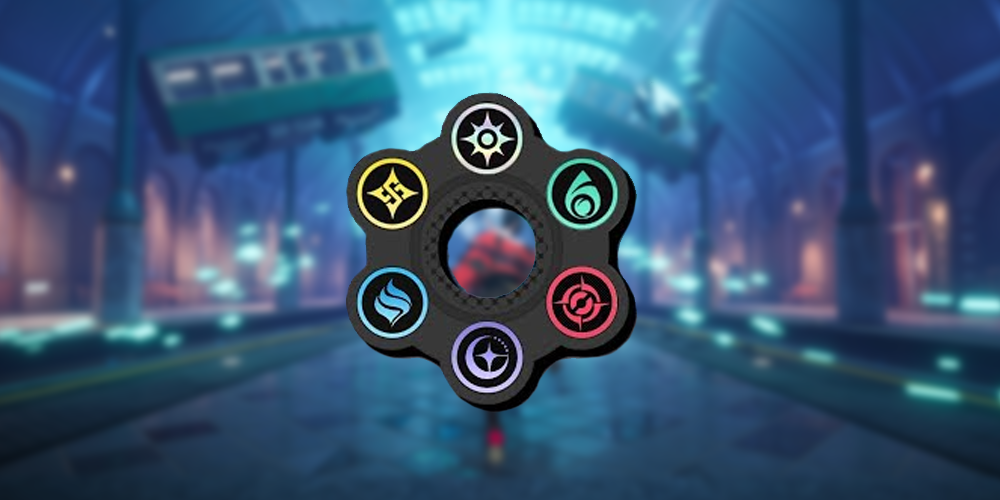
It's important to understand character Esper not just when considering elemental weaknesses and your team's coverage, but for trying to maximise your output of Esper Cycles.
Esper Cycles
Esper Cycles are synergistic moves performed by the characters in your team. Characters of neighbouring Espers can trigger a duo cycle - for example, Psyche can trigger with Chaos and Lakshana.
Trio cycles are much like duos except, as the name would suggest, between three characters. Take a look at the image above - trio cycles are available when characters of either the bottom three or top three Espers combine forces. Specifically, that's Lakshana, Cosmos, and Anima together and Psyche, Chaos, and Incantation.
Mastering Esper Cycles is a key part of maximising your combat success.
Team Setup
With Esper Cycles being such an important part of combat, it's imperative that you bring along characters that can utilise them efficiently. A team of all Incantation may look cool but will not be able to participate in either the duo or trio cycles. Building a team with Esper Cycles in mind is high recommended - fortunately there are a plethora of combos to unleash, so feel free to experiment!
It's not just the Esper Cycle though that needs considering when building a team. Make sure to get good coverage of different roles: a character that set up debuffs or apply effects, one that can extend combos, and of course a rocket that can finish off the bad guys!

Learn Stagger Mechanics
Enemies is Neverness to Everness aren't just bullet sponges that tank damage - they also have a stagger bar (also known as the break meter) that makes them vulnerable to follow up attacks. Building stagger and exploting enemies in their weakened state is critical!
You can build up the stagger bar by attacking, dodging, parrying, and landing certain abilities. Some characters, like Daffodil, are specialised in Break Damage and therefore amazing in boss encounters and taking down big foes.
Without paying attention to the break meter you may find yourself limited in the ways of boss slaying!
Defense is Offense
Dodging and Parrying are two key defensive mechanics in NTE. Pulling these techniques off allows you to avoid damage at crucial times and is often the line between life and death.
As if that isn't reason enough to nail these moves, it's also imperative to optimising your offense on a target too. Dodging and Parrying at the right time will lower the target's break meter which, as discussed above, is very helpful for bringing bosses and large foes down.
Even if you're not at death's door, don't neglect your defensive moves!
Character Hop
Sitting on one character might be a simple way to play the game, but Neverness to Everness actively rewards players that make the most of their full roster.
You'll be able to time your abilities and strategies better and, most importantly, get full benefit from Entry Swap abilities. These are abilities that trigger when activating a character with an Esper Cycle. All characters have them, and deciding which one to use at any given time is an important learning curve of combat.

Learn Enemy Attack Patterns
Getting a hold of your own team's strengths and weaknesses is only the first chapter in the volume of combat victory. It's definitely the most important part of combat - after all, your squad is the one constant in all your battles - but it takes two to tango.
Without enemies there is no combat, and enemies come in all shapes, sizes - and movesets.
Learning enemy movesets ranges from helpful to critical on certain bosses. Parry and Dodging can be much harder when you aren't sure what type of attacks you'll be facing. Once you learn the movesets of the big bad guys, you'll be playing combat on easy mode!
Simple Strategy
Combat is fluid, complex, and requries you to adapt on the fly to be successful. Despite that, there's a good general rule of thumb for how your combat will play out:
- Start with a setup character
- Apply debuffs / effects
- Swap to combo character
- Build stagger
- Break enemy
- Swap to DPS → unleash everything
- Dodge/parry during recovery
- Repeat
Remember that combat is something that takes time to figure out properly - don't be afraid to experiment and find what works best for you!
Summary
Mastering combat in Neverness to Everness ultimately comes down to playing smarter, not faster. While the game may look like a typical gacha action RPG at first glance, its systems reward thoughtful team-building, precise timing, and an understanding of how abilities interact.
Players who take the time to learn mechanics like the Esper Cycle, stagger windows, and defensive options will find combat far more satisfying and far less punishing. As the game evolves post-launch, staying flexible and experimenting with new strategies will be just as important as mechanical skill, making adaptability one of the most valuable tools in your arsenal.