Guildrun is an upcoming autobattler roguelike, and you can play its demo on Steam right now. Fair warning, though: once you start, you might not want to stop.
The game borrows from Slay the Spire, The Bazaar and Teamfight Tactics, and it's the work of a small German-based team that counts former TFT and Hearthstone developers among its ranks. A few runs in, that lineage makes complete sense.
How Guildrun Plays
Gameplay Loop
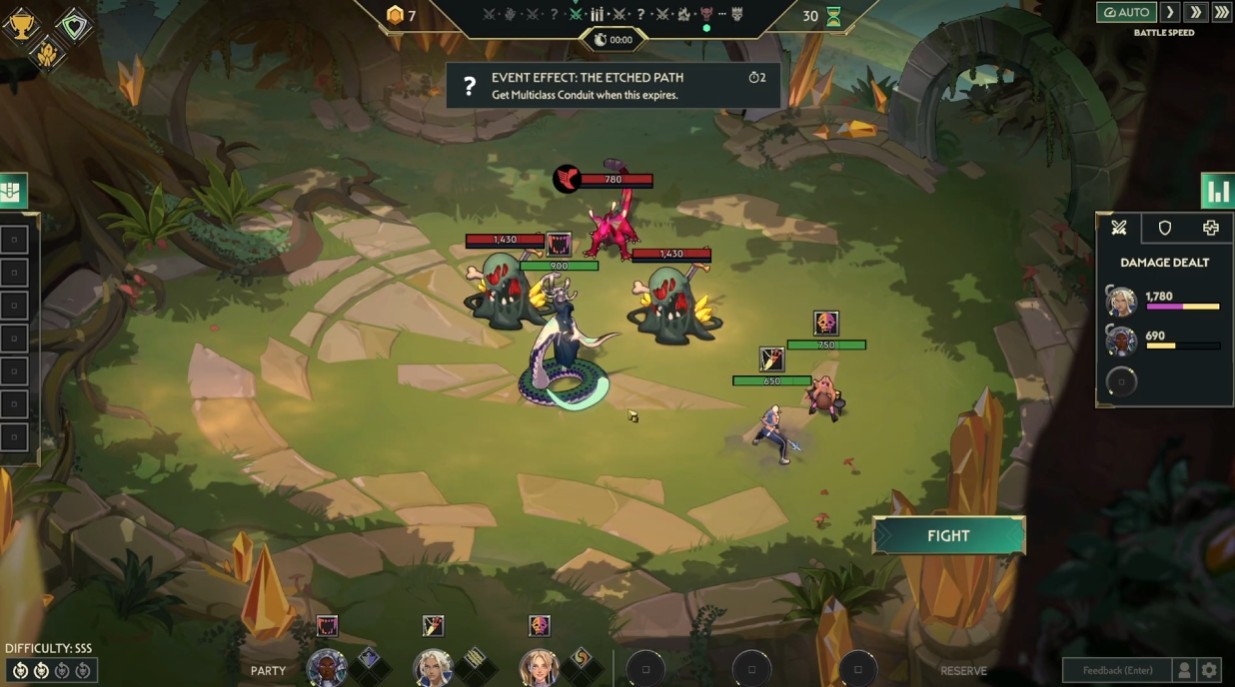
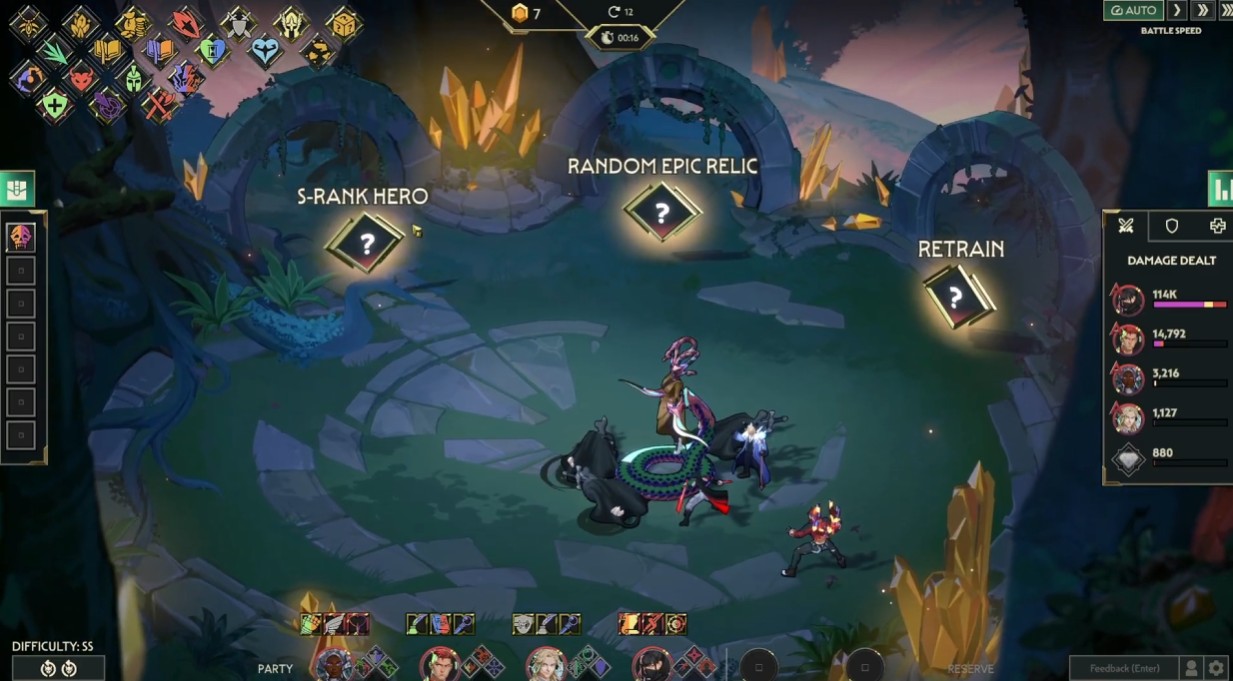
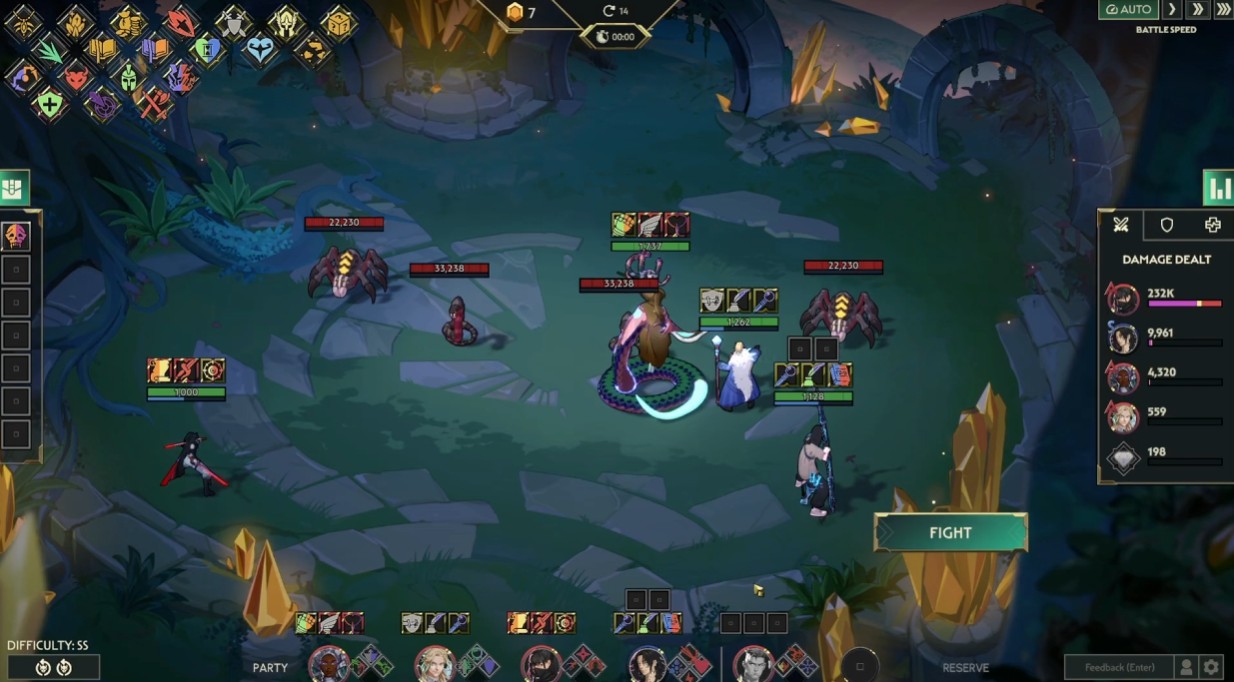
If autobattlers are new to you, the basic idea is that you build a board. You position your heroes before a fight, and once combat starts the game plays it out for you. As with most games in the genre, the real work happens between battles: upgrading your heroes, items and relics, taking on events for extra rewards, and piecing together a team that can carry you to the finish line.
Each run starts with you picking a hero. As you beat bosses across previous runs, you'll unlock features that tweak how a run begins, such as handing you an extra item at a cost to balance it out.
The Shop, Shards, and Auctions
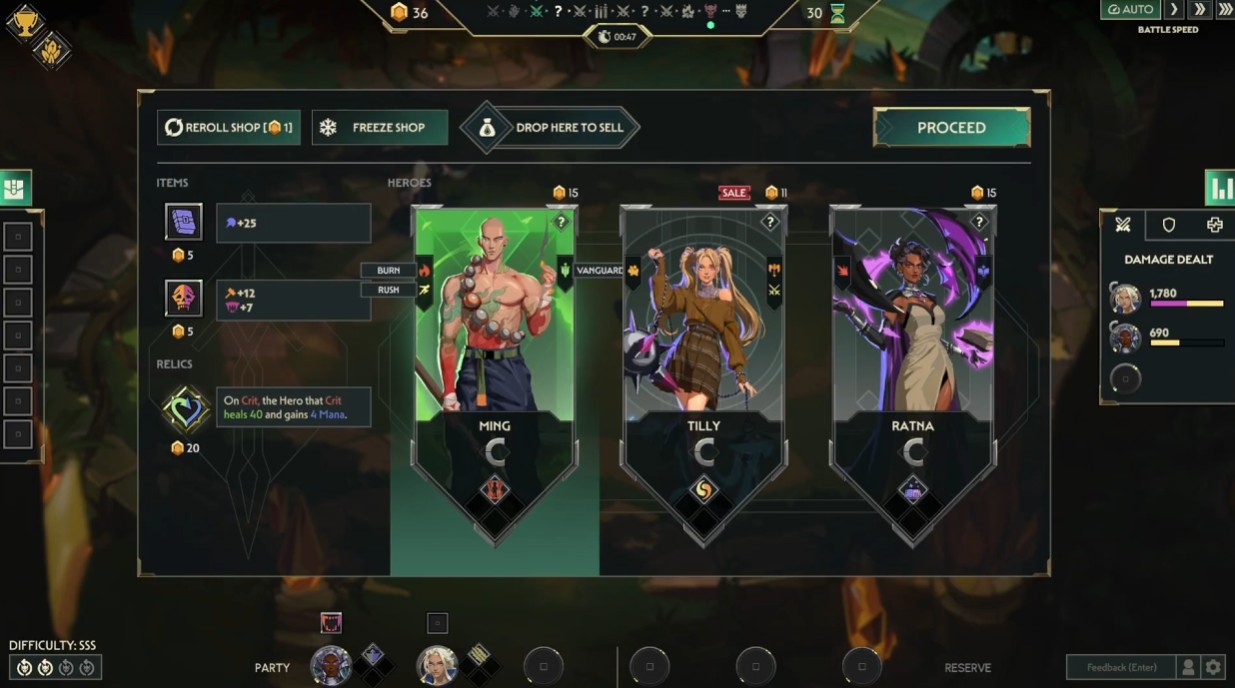
There are 25 heroes in total, and you strengthen them through your shop and events. A run plays out along a timeline of events, and a good chunk of those are shops. Each one lets you buy heroes, items and relics, and reroll if you're hunting for something specific. It all runs on a currency called Shards, earned as rewards between rounds and generated during combat itself.
At the end of each act, an auction opens up. Think of it as a supercharged shop, stocked with better heroes, better items, and a handful of powerful relics you can't get anywhere else, including ones that expand the size of your team.
Classes and Multiclassing
The class system is where Guildrun gets really interesting. As you rank a hero up from C to B to A to S, you're offered a choice of abilities, and these reshape how a character plays and what they're for. A tank might become a damage carry that applies debuffs on attack; load it up with attack items and it's suddenly your main threat.
Better still, classes blend together, so multiclassing is very much on the table. You might pair a tank with an assassin, or with a duelist. Take a Duelist and you can turn them into an Assassin too, picking up an effect that executes enemies below a certain health threshold, which then applies to every Duelist and Assassin on your team. The options are fixed to a degree for each hero, so you can't build exactly what you picture, but the range still feels enormous. Every run nudges you towards trying something new while refining the setups you already liked.
Abilities, Keywords, and Backup
Abilities come with keywords, too. Some fire in the opening seconds of a fight with Rush; others hold back and trigger later with Stall. Then there's Backup: park a hero you're not fielding in your reserves, and if their ability has the Backup keyword, its effect still lands on your board. For some that's a health boost, while others shield or heal your whole team after a set time.
It changes the way you build, because you're no longer just assembling your main board. You're also putting together a few useful extras to sit in reserve.
Relics
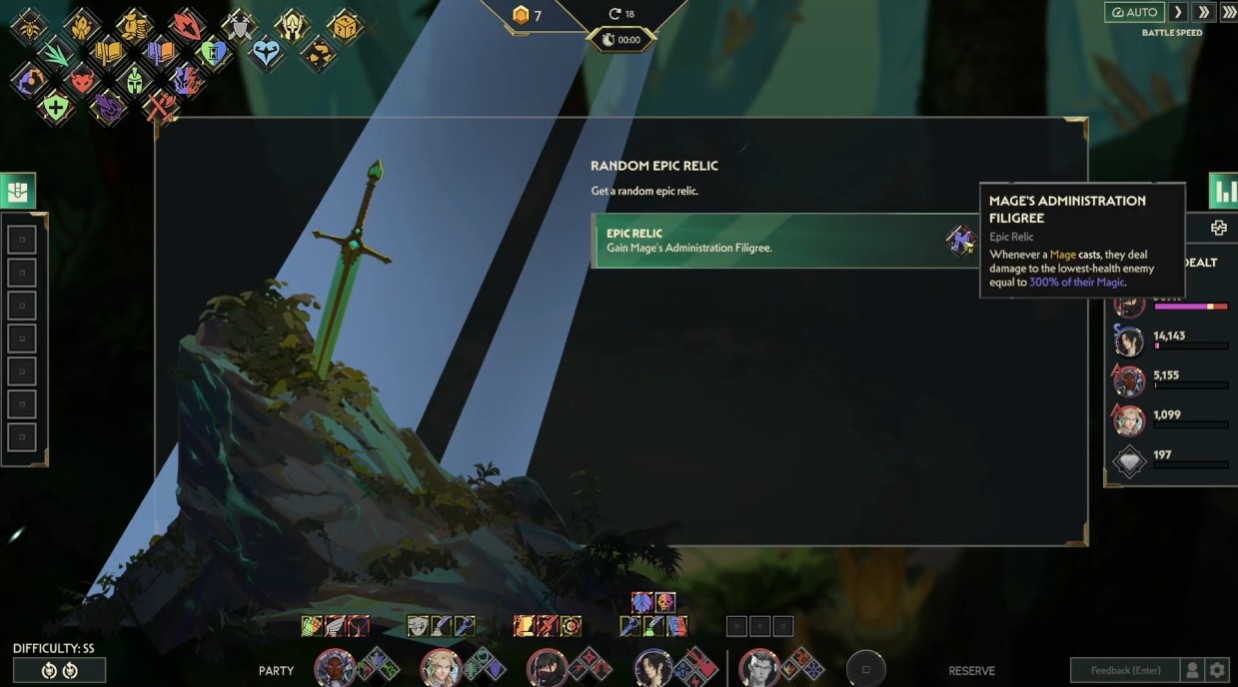
The relic system is excellent, and it's pure Slay the Spire. Relics empower your whole team or buff specific classes, they come in a range of rarities, and you collect them throughout a run. They land with the same weight Slay the Spire's do, each one meaningfully changing how your team plays. In one run we had a hero who earned Shards after 25 attacks, someone I'd planned to lean on early and swap out later. Then we picked up a relic that shields our whole team whenever we earn Shards, and just like that, she was staying with me for the rest of the run.
Items
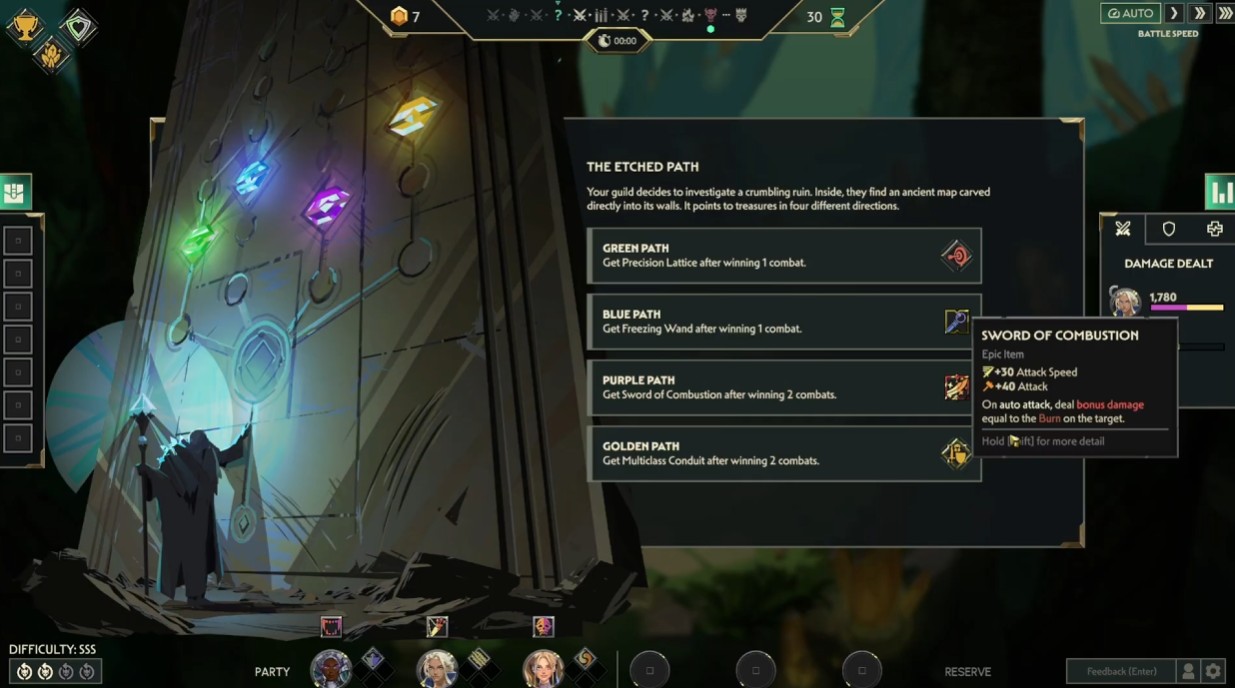
The item system is where Guildrun leans closer to TFT. Items matter enormously, transforming how a hero performs the moment you equip them. They come in different rarities, and there are quests that unlock certain ones when you meet a condition, rewarding you for the effort.
This is where the mixing and matching kicks in. You can make a damage carry attack faster, hit harder, or turn a bit tankier, and most of that is yours to steer. One of the things we've enjoyed most is that there's nearly always a solution to a problem. If your carry keeps dying, go and grab some omnivamp, and suddenly they heal as they attack, often enough to flip a fight you were losing.
The Choices Actually Matter
What makes Guildrun so moreish, at least for us so far, is that your choices carry real weight. You might land a relic that rewards you for having a different class on every hero, so no sharing allowed. The next one does the opposite, boosting you when everything is shared. Find a legendary item built around burn and you'll start folding in heroes that burn too, just to feed it.
There's real depth in how these systems interact, and it's rewarding to hunt down the combinations, stitching abilities and items together and watching the result play out on the board as your team grows stronger or shifts its whole style.
No two runs feel the same. You'll stumble on a unit you'd never touched before that changes your team's direction, or spot a hero already sitting at A rank in the shop and build around them on the spot, stacking your best items on them, selling off the carry you'd been running and pivoting your whole plan. You're never locked into what you start with; the game keeps handing you reasons to change course.
Guildrun Demo
Guildrun may only have a demo available right now, but it's surprisingly meaty.
You get two of the game's acts, and once you're through them an endless mode takes over, running until you die and feeding your result into a leaderboard. There's a ladder of difficulties to climb as you go, much like Slay the Spire's Ascension system, topped off by a final challenge mode that is punishingly hard.
We've died to it more times than I'd care to admit, and the telling part is that every time we did, we dove straight back in for another go.
The Verdict So Far
The endless mode and its leaderboard are the hook that keeps pulling you back for one more push, and the brutal challenge mode at the end is there for anyone who fancies suffering for their bragging rights. There's a lot to sink into here, and plenty of reasons to keep starting fresh.
That's the real test of any roguelike, in the end. Win or lose, you should still want to jump back in and try something different, and Guildrun nails exactly that. It's been a great time so far, and it's well worth a download.