

 Use your favourite features in-game with our Desktop App
News Guide
Fable's Reboot - The Biggest Changes After 16 Years Away
Fable
A Long Awaited Return
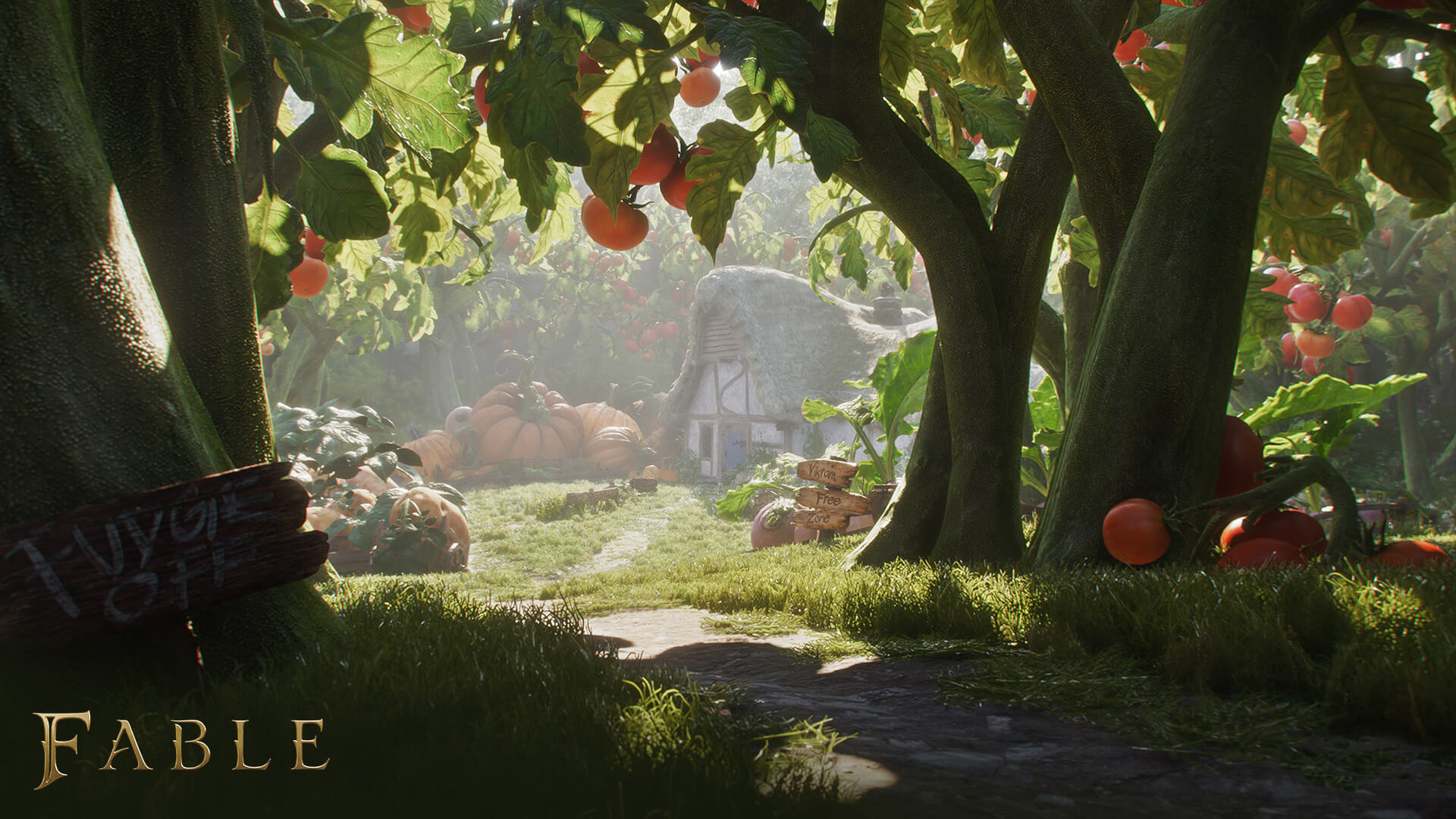
After years of silence, Fable is finally returning. It’s not picking up where the old trilogy left off, though. Instead, Playground Games is rebooting the franchise entirely, reimagining Albion and its systems for a modern RPG audience. While the tone and identity of Fable remain intact, nearly everything else is evolving in significant ways.
Here are the differences and what gamers can expect when diving into its familiar yet unknown world.
How is it Different?
It's a Full Reboot. Not a Sequel
The most fundamental change is structural: this isn’t Fable 4. By dropping the numbering, Xbox is signaling a clean break from the past. That gives the developers freedom to rework lore, systems, and design philosophy without being constrained by earlier games.
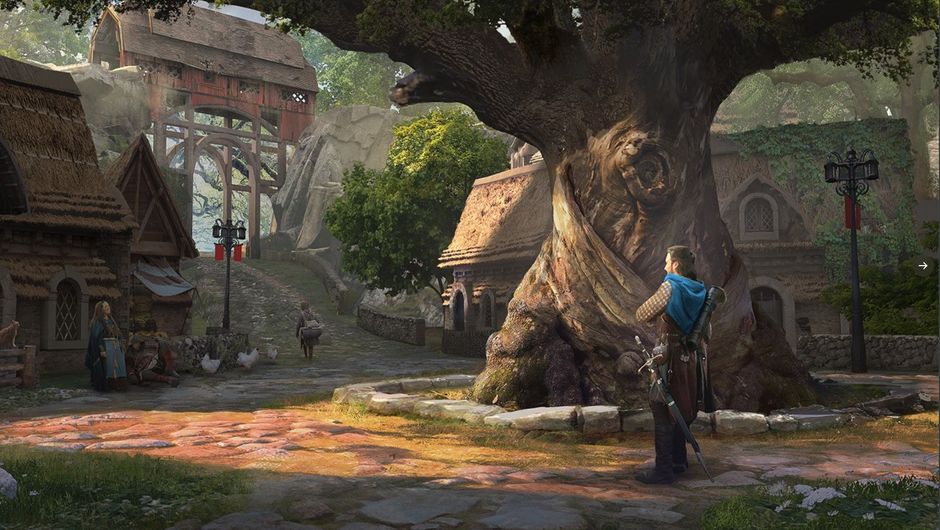
Albion returns, but as a reinterpreted world rather than a continuation. This allows for deeper world-building and a more cohesive design - arguably something the earlier entries struggled with.
A More Reactive, Living World
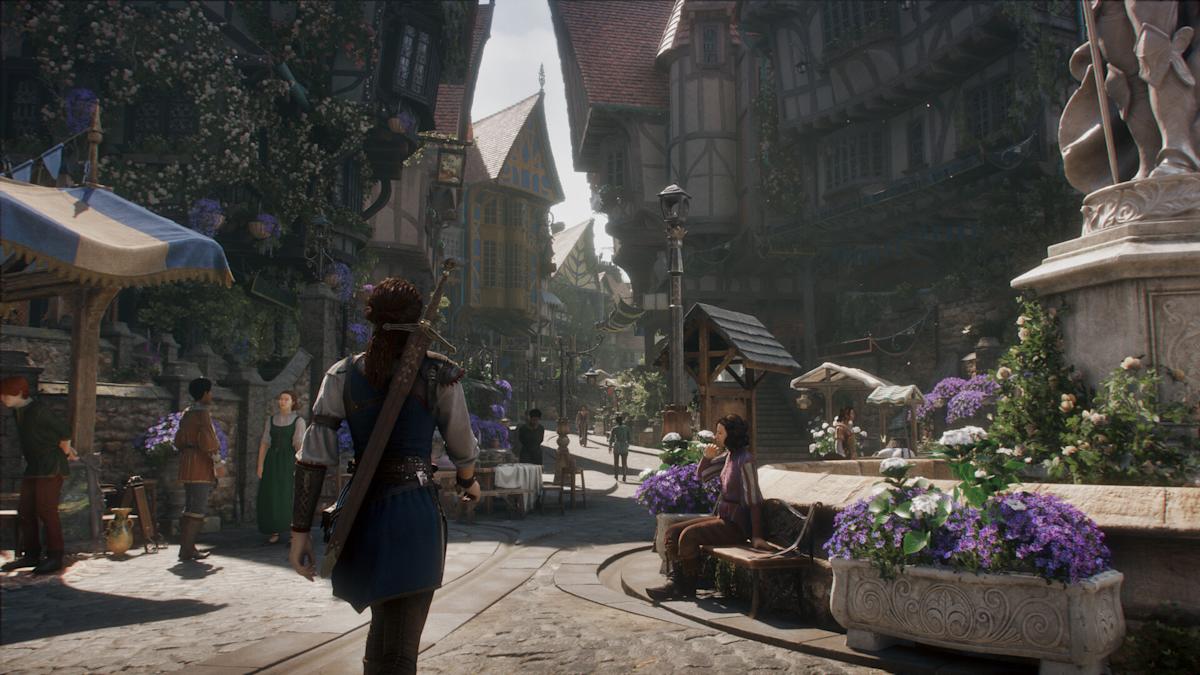
Classic Fable hinted set the bar for what it meant to have a living world, and the reboot appears to fully commit to this once again. Aside from calling the player names like the ever endearing Chicken Chaser, NPCs now have routines, relationships, and reactions that change based on your behavior. Rather than existing as static quest dispensers, they function as part of a broader ecosystem.
This shift moves Fable closer to a simulation-driven RPG. Player actions ripple outward, influencing how towns develop and how characters perceive you. It’s a step toward making Albion feel genuinely alive rather than theatrically alive. The latter is hard to fault the classic games on, of course - after all, the original Fable did come out over two decades ago - but it's worth noting that these routes are not only remembered but built upon in the reboot.
Morality Gets an Overhaul
The old good-versus-evil system, complete with halos and horns, is gone or at least significantly reworked. In its place is a more nuanced reputation system shaped by context.
Your actions aren’t judged universally anymore. Instead, different NPCs may interpret the same behavior in different ways. This creates a more dynamic moral framework, aligning with modern RPG expectations and moving away from simplistic binary choices.
Combat Becomes More Fluid
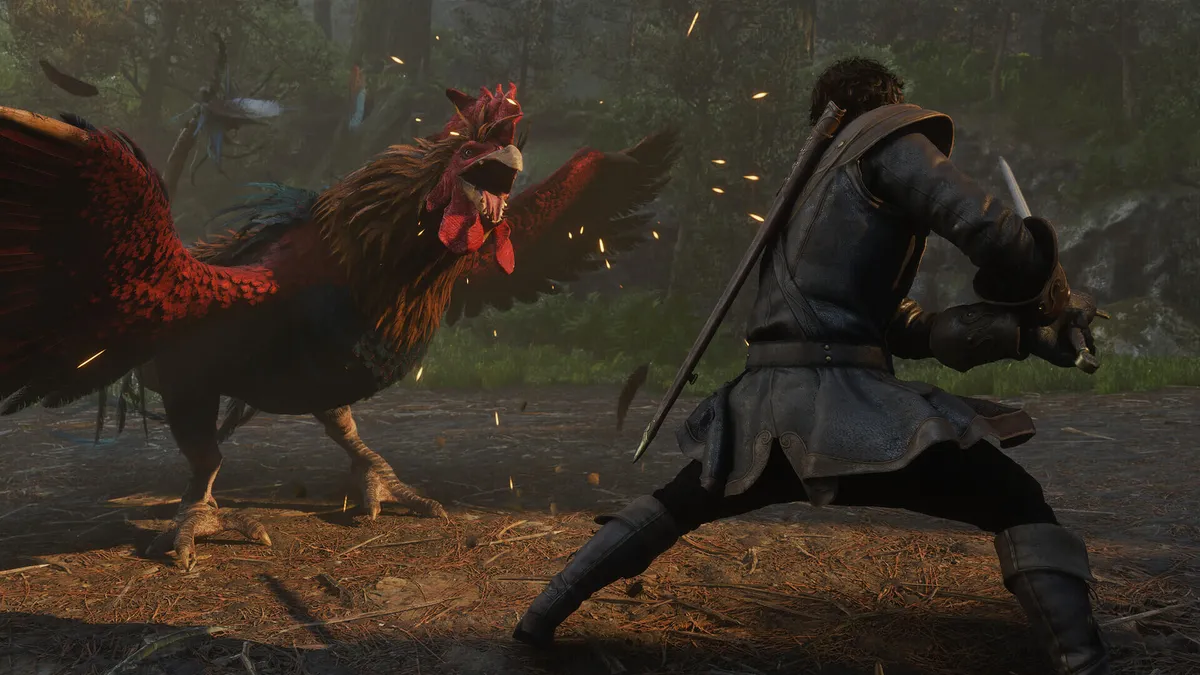
Combat is also evolving. Earlier Fable games offered variety but lacked depth, often feeling dated even at release. The reboot introduces a more fluid, action-oriented system.
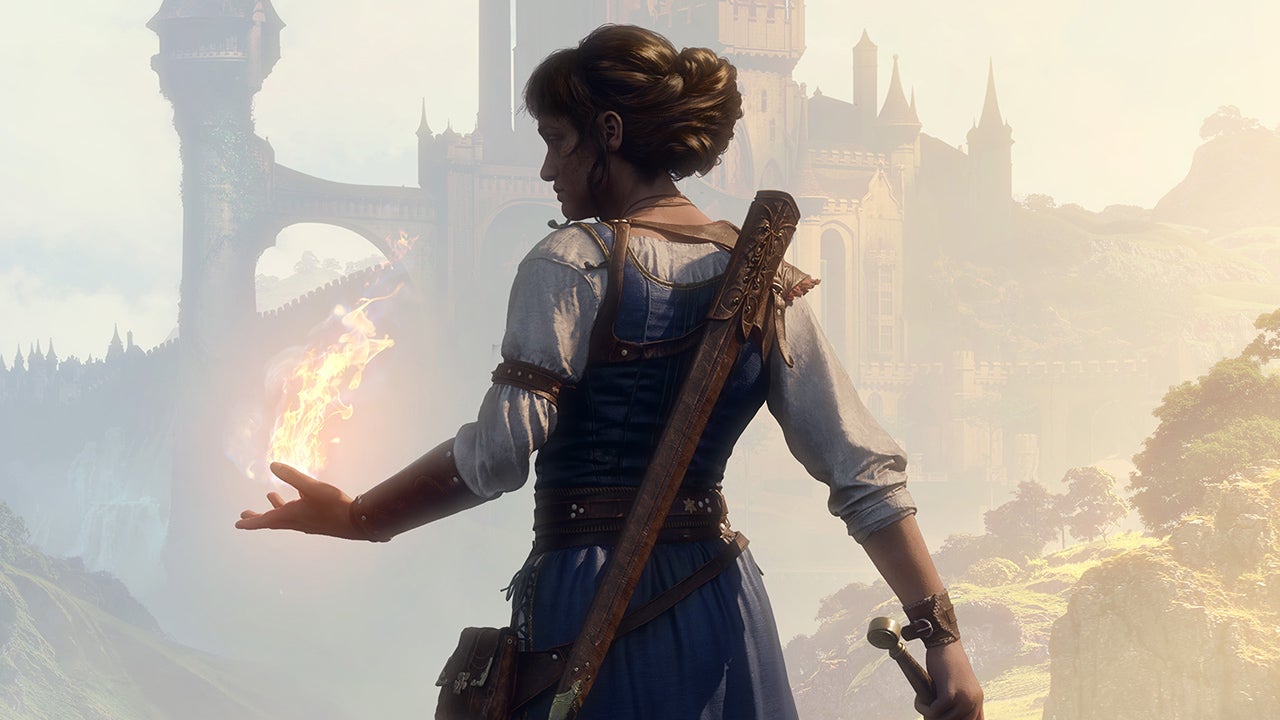
Players can seamlessly switch between melee weapons, ranged attacks, and magic. This hybrid approach encourages experimentation and responsiveness, bringing Fable closer to contemporary action RPG standards.
A Shift Toward Player Expression
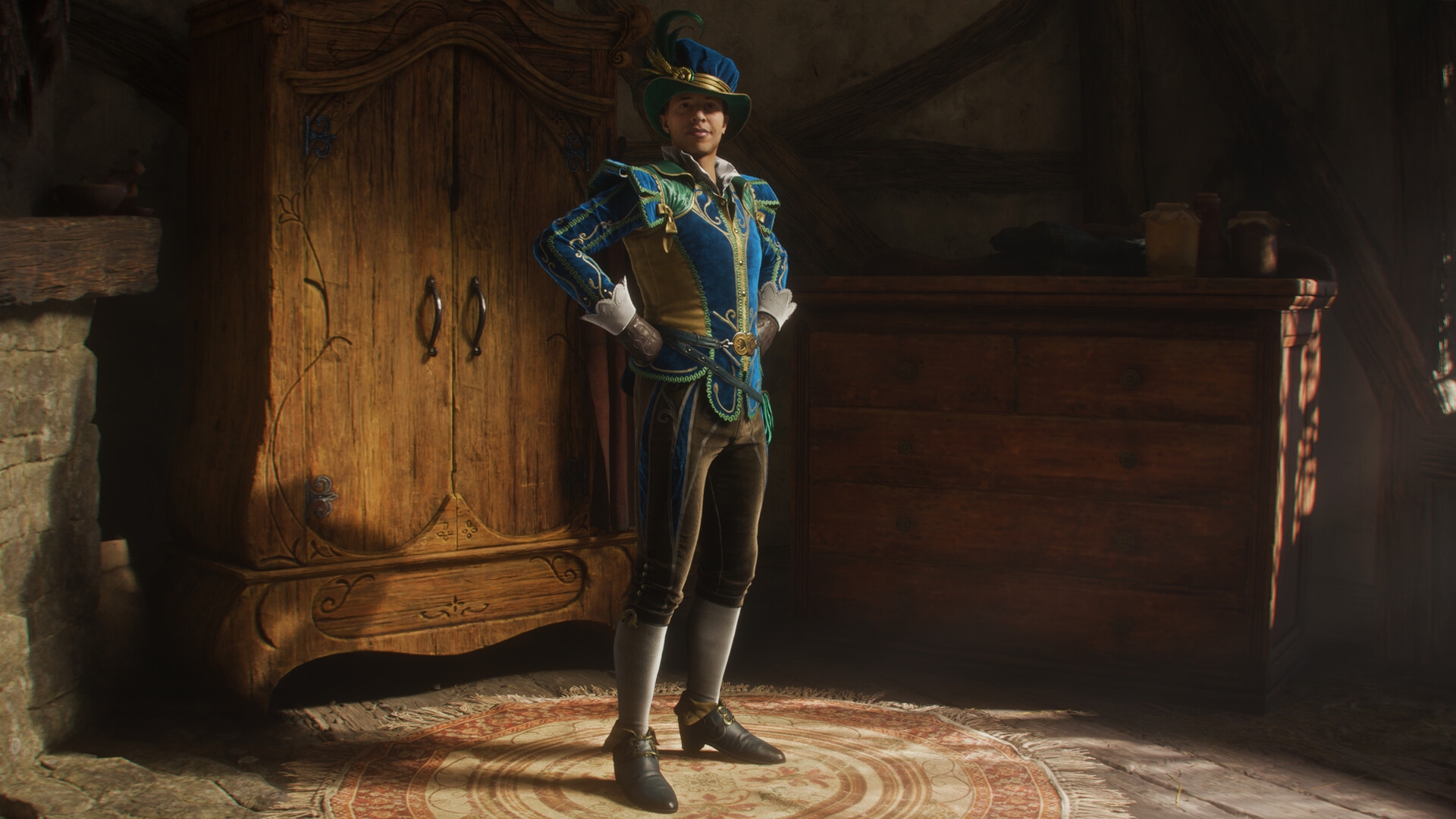
Customization and player freedom appear to be deeper than ever. From property ownership to relationships, the game emphasizes how players shape their version of Albion.
This builds on the series’ original strengths but pushes them further. Instead of isolated systems, everything seems interconnected, creating a more cohesive experience.
So yes, you can still be an overwhelming property tycoon in the reboot, but doing so may have a ripple effect toward the rest of your experience in the game.
It's Still Silly
Despite all these changes, Fable’s identity remains intact. The British humor, whimsical tone, and fairy-tale storytelling are still central. However, they do appear to be more grounded and integrated rather than exaggerated.
This balance between old and new will be a fine line to walk. The last main installment featured a veritable smorgasbord of legendary British figures such as Simon Pegg, Stephen Fry, Jonathan Ross, John Cleese - the list goes on. Trying to capture that level of fancifulness may be out of reach, but to completely leave it behind would be to betray the spirit of Fable.
Will it Be Worth the Wait?
Only time will tell if the Fable reboot is an adventure worth the potential pain that is a nostalgic heartbreak. Fable III is old enough to drive in many states of the US, but will its successor race to a GOTY podium finish or will it be a complete write off?
The track record for these sorts of projects doesn't inspire a massive amount of confidence (still not over Golden Axe on the 360) but Fable's shown enough to goad a healthy amount of optimism from us at Mobalytics.