The Blood of Dawnwalker is the debut title from Rebel Wolves, a studio formed by several veteran developers from CD Projekt Red, who previously worked on narrative‑heavy RPGs including The Witcher 3 and Cyberpunk 2077. Konrad Tomaszkiewicz, who was also the game director of The Witcher 3, founded the company in 2022.
Their goal has always been clear, to build character‑driven worlds with strong emotional cores, and Dawnwalker is the first real test of that philosophy. Development took around five years, with a few public delays tied to its evolving time‑shift system and a mid‑production leadership shuffle that pushed the combat team in a new direction.
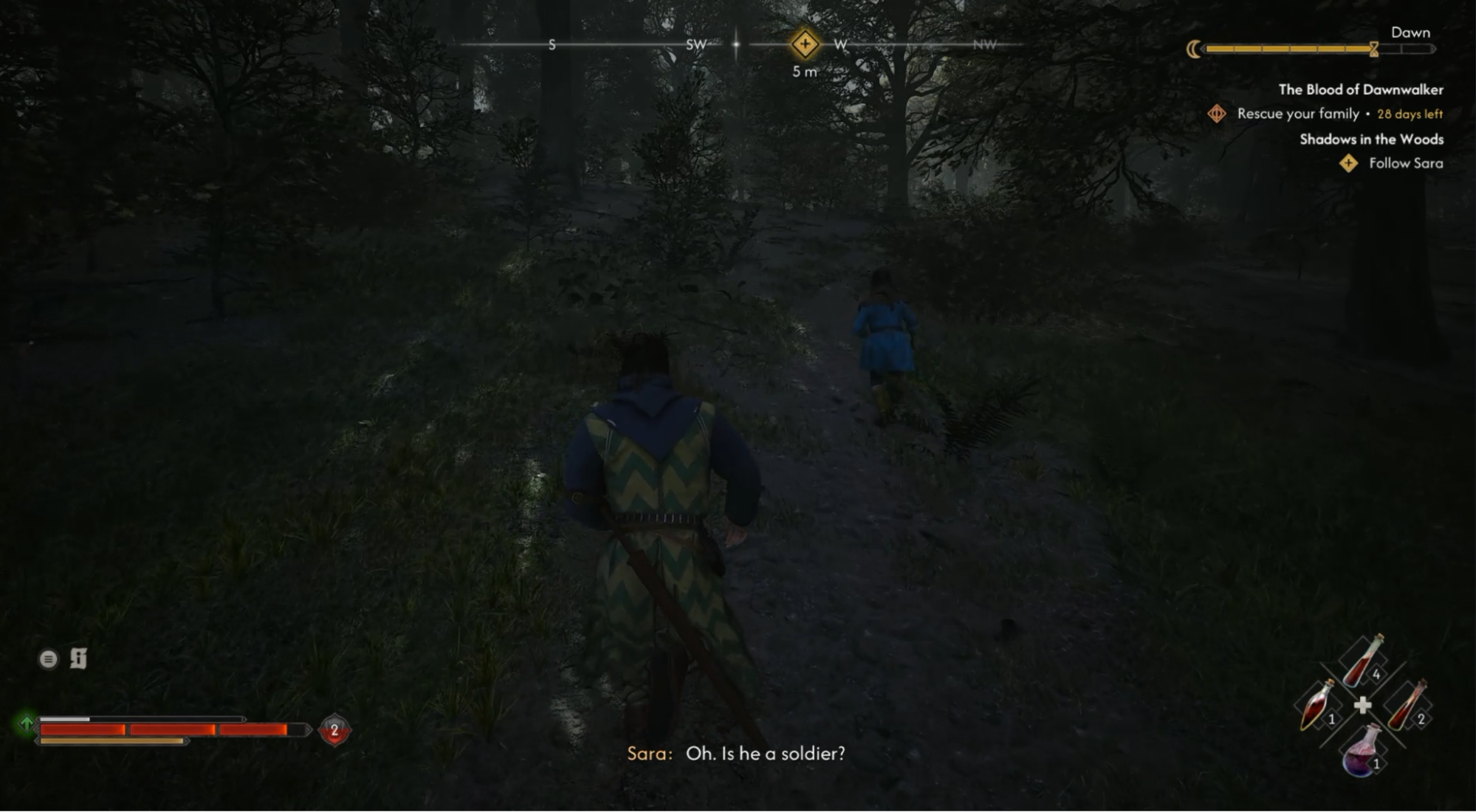
It’s an action‑adventure RPG with immersive‑sim DNA, blending exploration, narrative choice, and a dynamic day‑night cycle that reshapes the world around you. You play as a Dawnwalker, a half-Vrakhir, or vampire, on a quest to save your family from being sacrificed in thirty days by the Vrakhir leader, Brencis, to ascend to royalty.
The core loop mixes exploration, story progression, and time‑based puzzle solving, with combat acting as the connective tissue between each major beat. And while not every system lands perfectly, the game’s strongest elements shine bright enough to make the journey worthwhile.
Dawnwalker acts as a blend between the open-world Middle Ages RPG of The Witcher 3, with the time mechanics similar to Majora’s Mask or Prey: Mooncrash.
However, while in those games you keep repeating runs and deaths until you find the best route, Dawnwalker's time mechanics are stretched throughout the whole game in every system, and running out of time doesn't end the game but changes the story.
Our review for The Blood of Dawnwalker was conducted with the PC version on Steam.
Highs
A Rich, Character‑Driven Narrative
Dawnwalker’s story is the kind of slow burn that rewards patience. Rebel Wolves leans heavily into character‑focused writing, building arcs that feel personal, grounded, and shaped by the world’s slow decay.
The game takes place in Vale Sangora, a Carpathian valley in AD 1347, where plague, famine, and political collapse have left both humans and vampires clinging to power in increasingly brutal ways.
You play as Coen, the eldest of four siblings, a former silver miner whose years of exposure left him with silver poisoning. When the ancient vampire lord Brencis attempts to turn him, the silver in Coen’s blood prevents the transformation from completing. The result is the Dawnwalker curse. Human by day, vampire by night, belonging fully to neither world.
A major strength of the narrative is how player choice shapes the story. Dialogue decisions, moral stances, and the way you interact with key characters can shift relationships, unlock or close off questlines, and alter how factions respond to you. Some characters will only open up if you challenge their worldview; others require empathy or shared hardship.
Instead of relying on cheap twists or shock value, it layers themes of sacrifice, inevitability, and the burden of trying to help a world that doesn’t trust you. Every major quest adds a new perspective, whether it’s a revelation about the Dawnwalker curse or a deeper look at the political fractures tearing the land apart.
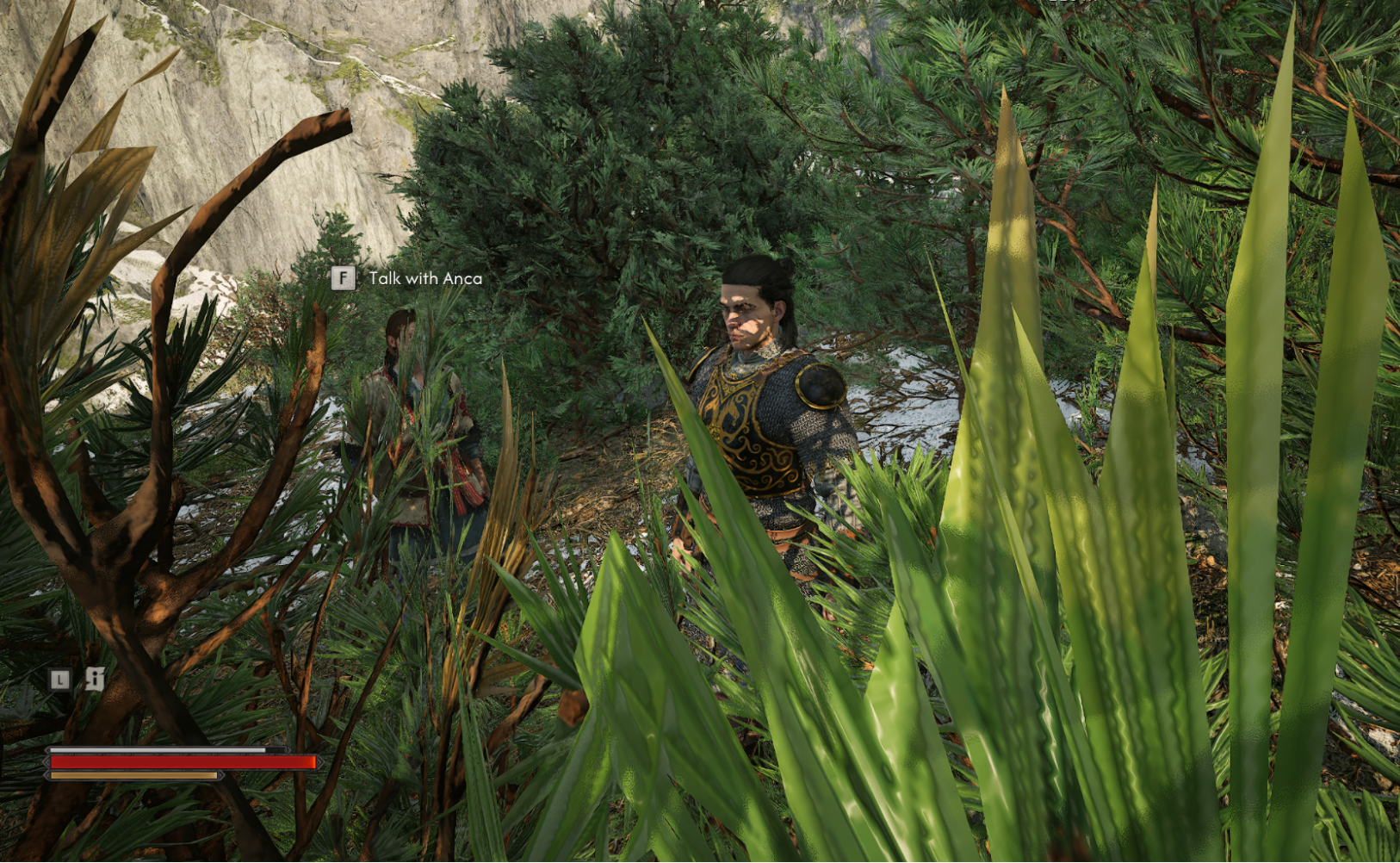
Propping up this story are character performances on par with The Witcher 3 or Dragon Age, where characters have their own motivations, backstories, or perspectives on the world that you can choose to poke or prod, and maybe gain their trust or romance.
Nikola Kolodziejczyk’s score amplifies the story’s emotional moments, backed by Mikolai Stroinski and Piotr Musial, the same duo responsible for The Witcher 3’s unforgettable soundtrack.
What makes the story stand out is how it balances intimacy with scale. You’re constantly learning more about the people caught in the world’s collapse, but the overarching mystery keeps expanding in ways that feel natural rather than overwhelming.
The major reveals hit hard because the groundwork is so carefully laid. It’s rare to see an RPG commit this fully to emotional storytelling without losing momentum, and Dawnwalker pulls it off with confidence.
Smart Systems and Strong Progression
When Dawnwalker focuses on exploration, puzzles, and progression, it’s genuinely excellent. The ability system is flexible, letting you build around stealth, mobility, elemental damage, or environmental manipulation.
Tools and abilities interact cleanly with the world, making traversal feel purposeful rather than filler. You’re constantly unlocking new ways to approach regions, whether it’s through time‑locked dungeons, hidden shrines, or branching story paths that reward curiosity.
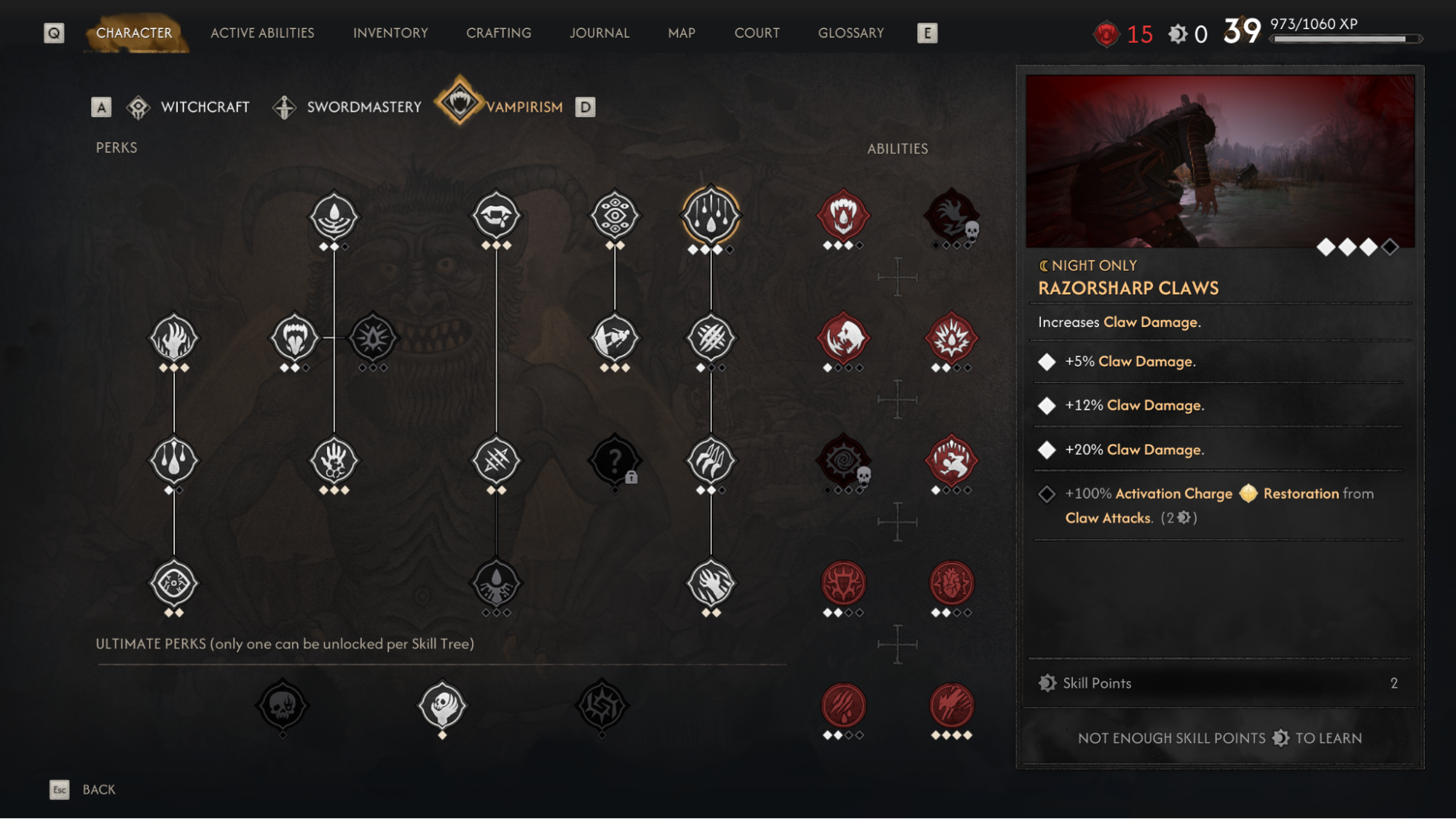
Depending on whether it's day or night, you can use your Witchcraft or Vampirism abilities, respectively. Your occult powers allow you to commune with the dead, open up magical rifts in the world, and lean deeper into the ancient magics.
Your newfound Vrakhir abilities, on the other hand, or claw, grant parkour and movement abilities, such as teleporting over gaps or running up walls.
The time‑shift mechanic adds another dimension, letting you revisit familiar areas in new states to uncover puzzles or shortcuts you couldn’t access before.
Exploration is rewarding because the world reacts to you. Time shifts alter enemy placements, open new paths, reveal hidden shrines, and even change NPC behavior depending on the phase. A friendly villager during the day might become fearful or hostile at night. Patrol routes shift, wildlife disappears, and certain areas only become accessible during specific time states.
You’re not simply moving through a map, you’re navigating a world that’s constantly rewriting itself. The attention to detail is impressive, from small environmental clues like fresh blood trails or abandoned carts, to large‑scale changes like entire regions becoming more hostile at night or revealing new traversal routes during dusk.
It’s the kind of gameplay loop that quietly pulls you in and keeps you there, making it easy to lose track of time as you chase one more shrine, one more clue, one more story beat.
Atmospheric and Reactive Worldbuilding
The world of Dawnwalker is one of the most compelling parts of the experience. Rebel Wolves leans into a dying‑sun type aesthetic, using warm, fading light and heavy shadows to create constant tension.
Towns like Sangora, Vargan’s Crossing, and the mining remnants near Silverdeep feel worn down but lived‑in, shaped by years of hardship. Buildings sag under the weight of neglect, marketplaces feel half‑abandoned, and even the taverns carry an undercurrent of fear.
Ruins scattered across the valley feel ancient rather than generic, often tied to the region’s older history, such as remnants of pre‑vampiric civilizations, forgotten shrines, and collapsed fortifications that hint at centuries of conflict.
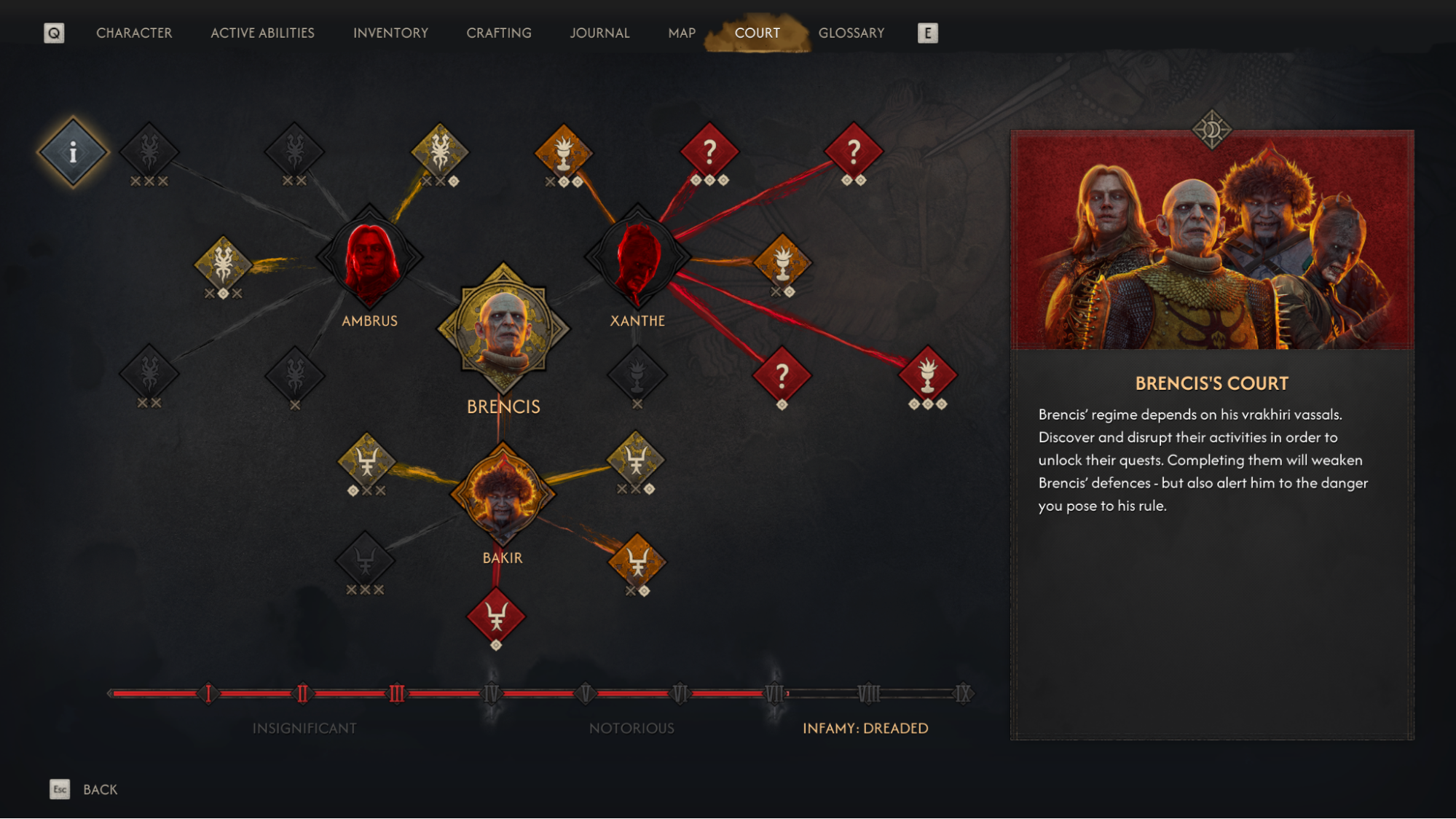
The game nails its sense of discovery. In classic Ubisoft fashion, the map is broken up into regions owned by the Bayors of Brencis’ convent. Each has layers of secrets, optional encounters, and narrative threads that encourage you to explore beyond the critical path.
Like Far Cry 5 or Ghost Recon: Wildlands, you must travel through the regions and take down the systems that prop up the villains’ grip on the world. You can rescue soon-to-be sacrifices, destroy shipments of blood, take down enemy encampments, and much more. Doing so will slowly anger the respective region’s patron, until you can swiftly and justly take them down.
Littered throughout the valley are NPCs, books, parchments, and ancient ruins that reveal different parts of the world, including its early history, the recent plague, and the vampiric hierarchy dominating it.
These aren’t just useless glossary entries. They act as treasure maps, quest clues, or even items that allow you to commune with the dead. And besides the occasional modern colloquialism like “nightmare fuel” or “lemme”, the game uses authentic Middle Ages languages and names.
It’s easy to lose hours just wandering, discovering secrets, and soaking in the atmosphere.
Lows
Combat is only fun when it works
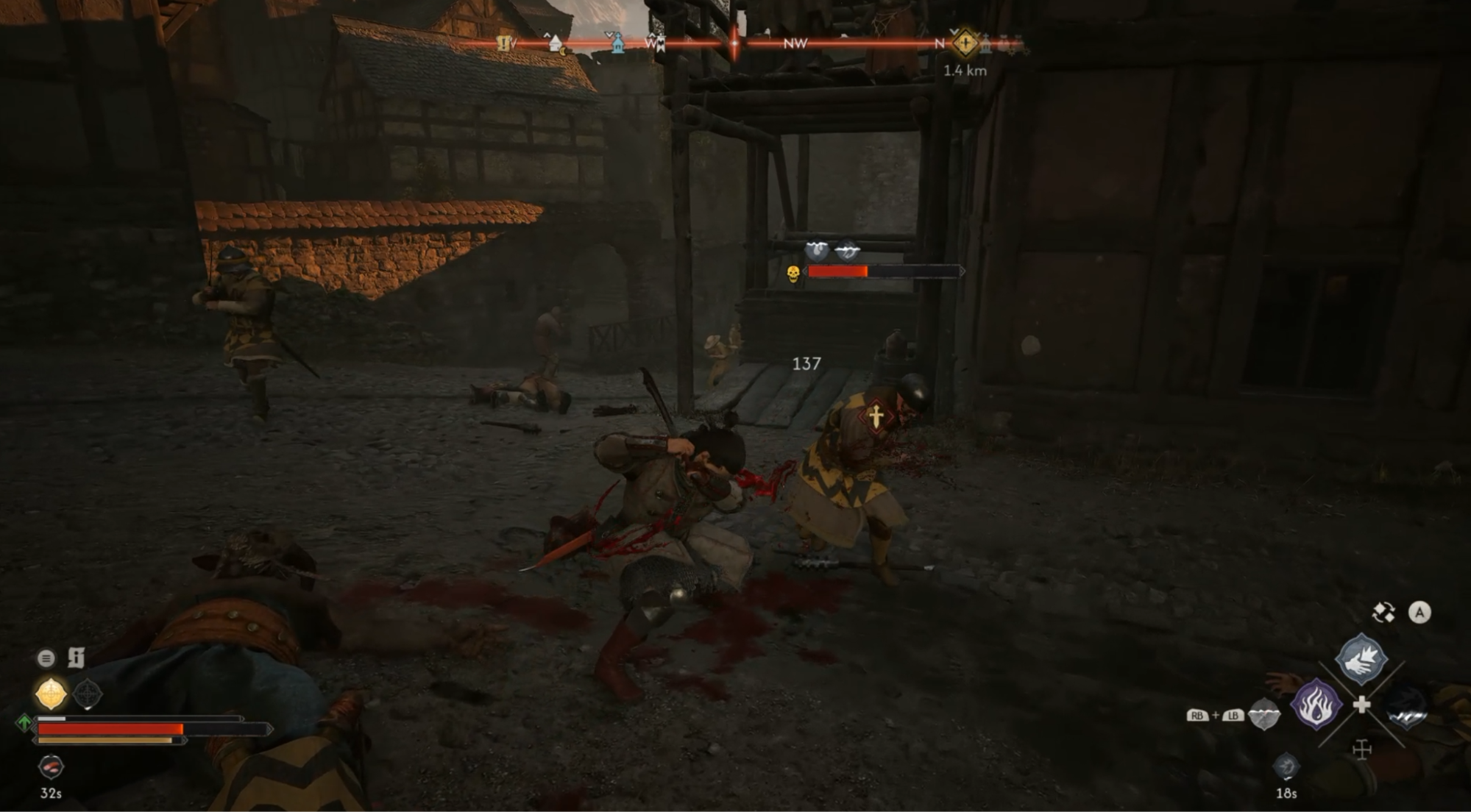
Combat in The Blood of Dawnwalker is genuinely fun when everything comes together. The core rhythm feels good, attacks land with weight, and the dodge‑parry loop has a satisfying snap when you’re flowing through encounters. It’s similar to games like Kingdom Come: Deliverance or Morhau, where you choose the direction of your attacks and block.
But bugs constantly undermine that foundation. Sometimes you simply can’t draw your weapon, leaving you defenseless. Other times, enemies get stuck on higher or lower terrain, unable to reach you but still able to fire ranged attacks while you stand there unable to fight back.
It’s especially frustrating because you don’t have any sidearms or ranged tools of your own, like Geralt’s crossbow or bombs, so you can’t retaliate or pull enemies out of those broken states. While combat itself isn’t hard and is even quite easy to master, enemies are extremely spongy, even when dumping all your abilities on cooldown into them.
On top of that, while some enemies have different animation visuals, they work the exact same way of you blocking in a direction and then attacking. If the game had less spongy and more unique enemies like in TheWitcher 3, the combat would be more varied and enjoyable.
The skill tree doesn’t add much depth either. Despite looking expansive, most upgrades are simple number‑go‑up boosts like more sword damage, less stamina used, or longer ability duration. A few active abilities exist, but they’re mostly cooldown dumps rather than tools that meaningfully expand your options.
Vampirism and Witchcraft abilities are also locked to either nighttime or daytime, respectively, which splits your focus on what to upgrade with your skill points. Dawnwalker could’ve benefited massively from a karmic system that balances and uses both styles at all times, like Prey (2017) or Dishonored, enticing players to experiment.
The forced lock‑on system makes things worse. Because you can’t freely disengage from a target, you can get stuck on geometry yourself, locked into facing the wrong enemy while enemies punish you. Combined with a tight camera you can't control well, it removes player agency at the exact moment you need it most, turning small bugs into major frustrations.
There’s fun here, absolutely. But the inconsistency and lack of mechanical depth make it hard for that fun to stick.
Ambitious Time Mechanic That Undercuts Freedom
The time system in Dawnwalker is bold, giving you 30 days and 30 nights to rescue your family. Daytime and nighttime are split into eight segments each, totaling sixteen in a day. It’s meant to create urgency and structure, but the way segments are spent often feels disconnected from what you’re actually doing in the game.
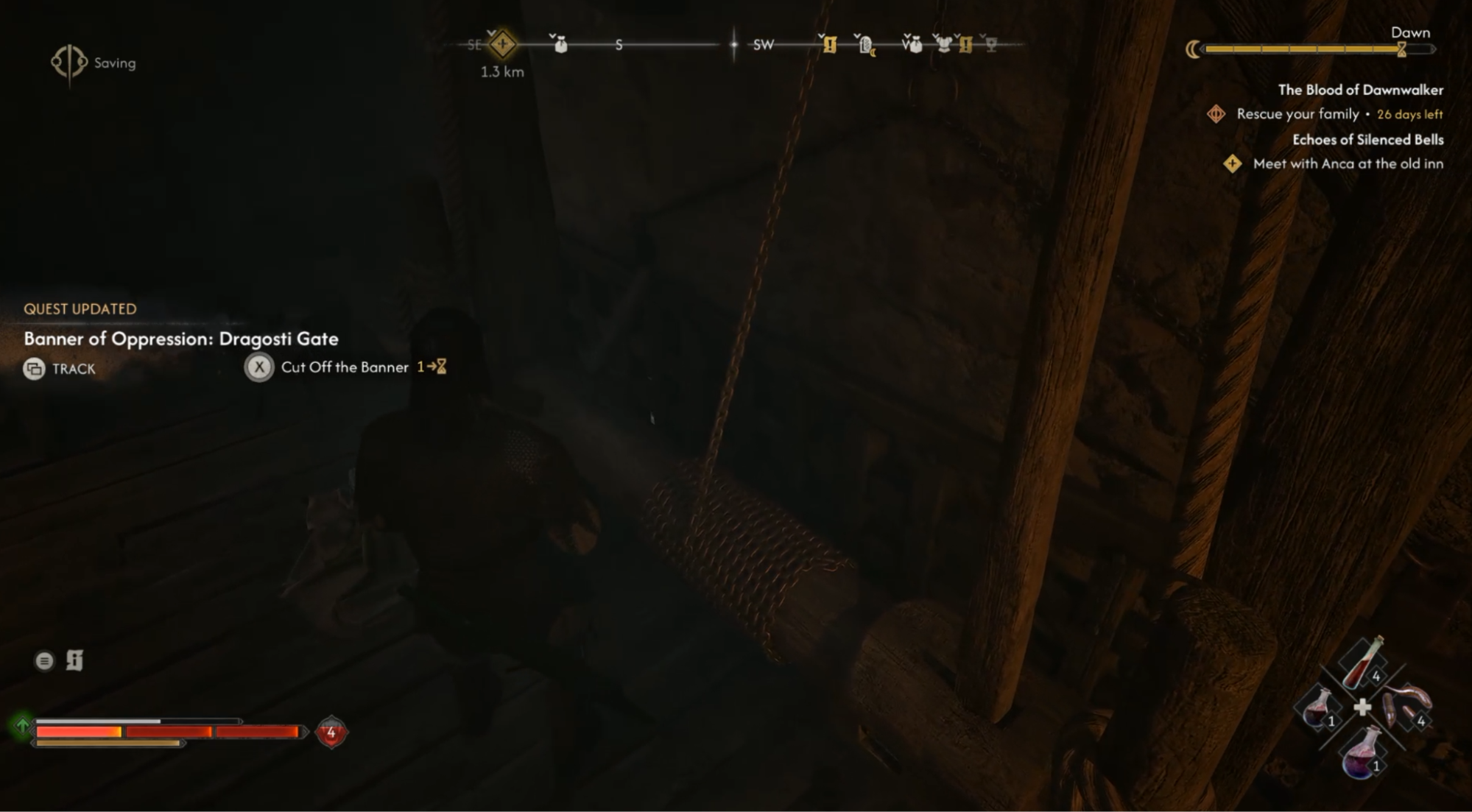
Major combat encounters can take twenty real‑world minutes and cost zero segments, while talking to a single NPC afterward can burn two. Killing ten roaming guards could cost zero, but stopping two bandits harassing civilians costs one. Even small actions like opening a chest or cutting a rope can unexpectedly chew through a segment.
This inconsistency makes the system feel jarring. Similar activities can burn wildly different amounts of time, and the logic behind those differences isn’t communicated to the player. It creates a constant sense of uncertainty, where you’re never sure whether the next thing you do will cost nothing or eat a chunk of your limited timeline.
The game does warn you when certain actions will consume time, but it doesn’t warn you about the segments hidden inside quests. You might start a quest that claims it’ll cost one segment, only to finish it and realize you’ve burned through an entire day and night of sixteen segments. That lack of transparency makes planning difficult, especially when you’re trying to manage Vrakhir form.
This becomes a real problem when you enter a quest transformed, expecting a boss fight, only to reach the boss back in human form because the quest quietly drained half your time budget. It’s a system that can completely undermine your preparation and turn a planned encounter into a scramble.
Learning skills also consumes segments, even for simple number‑boost upgrades. It discourages experimentation and makes progression feel like a resource tax rather than a reward, especially when every segment matters and you’re constantly watching the clock. On top of that, desirable outcomes in dialogue choices and quests require you to spend more segments.
The idea behind the time mechanic is strong, but the execution is uneven enough that it often feels like you’re fighting the system instead of working within it. The game would definitely benefit from being able to tune whether certain activities do or don’t use segments, or giving us more to play around with.
Bugs and Performance Issues
Bugs and performance issues show up across almost every part of The Blood of Dawnwalker, and they’re frequent enough to break immersion. Many of them appear during combat, but they also crop up in menus, cutscenes, and even basic navigation.
Combat bugs are the most disruptive. Weapon‑draw failures, animation desync, and enemies getting stuck on terrain all happen often enough to affect pacing. These issues stack with the forced lock‑on system, making fights feel unstable when they should feel sharp and responsive.
Enemies can also randomly spawn in at places or even respawn after being killed, so you end up fighting a boss twice in a row and getting their reward twice. When trying to stealth them with the Voracious Bite ability, they can sometimes teleport around, so an enemy you try to pick off by themself will slide into a nearby group and alert them.
Menu bugs are just as frustrating. Sometimes you simply can’t select or navigate your inventory, forcing you to back out or restart the menu entirely. Input bugs also show up. At times, your controller stops responding, and the game suddenly switches to keyboard and mouse input.
Cutscenes have their own set of issues. The game locks them to 30FPS, which makes them look stuttery and messy compared to the rest of the experience. On PC, you can fix this by editing a line in the config file, and once uncapped, my cutscenes run smoothly at 120FPS. Players shouldn’t have to modify config files to get a consistent framerate, and PC users should absolutely be given the option to uncap cutscene FPS in‑game.
Certain graphics settings also behave strangely. High shadows and lighting can create harsh, sharp specks of light under trees, making foliage look noisy and unnatural. Turning these settings down actually makes the game look more pleasant, which is the opposite of what players expect from higher presets.
None of these issues ruin the game, but they add up. Dawnwalker’s world is atmospheric and beautiful, but the technical roughness constantly pulls you out of it. Rebel Wolves has already pushed out patches, and more will likely come, but right now players should expect noticeable friction.
Our Score
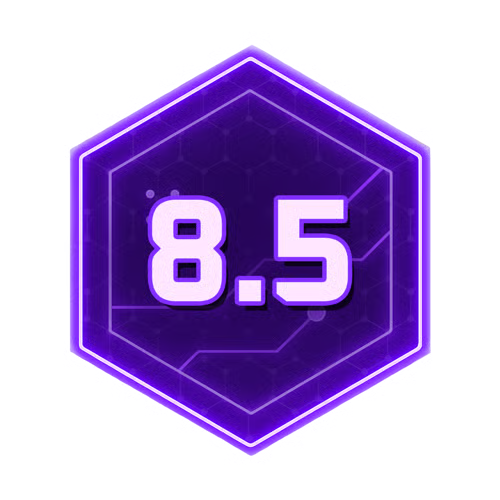
8.5/10 (A Bold Debut from Rebel Wolves)
The Blood of Dawnwalker is one of those rare debut titles that immediately tells you what kind of studio Rebel Wolves wants to be. It’s ambitious, atmospheric, and built with a level of narrative confidence you don’t often see from a team releasing their first game under a new banner.
The highs are undeniable. The story is rich and emotionally grounded, the world is reactive and beautifully realized, and the core gameplay loop pulls you in with its sense of discovery and progression. These strengths give the game a foundation that feels far more mature than most debut projects, and they’re the reason Dawnwalker sticks with you long after the credits roll.
But the lows are equally hard to ignore. Combat is fun when it works, yet too often held back by bugs, lock‑on issues, and a shallow skill tree. The time mechanic is bold but inconsistent, frequently burning segments in ways that don’t match your actions or expectations. And the bugs create friction that interrupts the experience more often than it should.
Despite these problems, Dawnwalker remains an impressive achievement. The core game underneath the rough edges is genuinely great, and it’s clear that Rebel Wolves has built something special even if the execution isn’t fully polished yet.
This is the kind of title that will drastically improve with future patches, especially once accessibility options, input fixes, and time‑mechanic adjustments start rolling in. The cutscene framerate cap, menu navigation bugs, controller issues, and visual oddities are all solvable problems, and fixing them will elevate the game significantly.
What matters most is that Dawnwalker already has the heart of a great RPG. It’s a standout debut, the kind of first release that makes you pay attention to a studio’s future. Rebel Wolves clearly has the talent, the vision, and the storytelling chops to become a major name in narrative‑driven action RPGs.
Dawnwalker isn’t perfect, but it’s memorable, meaningful, and full of potential.
Reviewed by Jack Briggs (originally published September 6, 2026)