menu
MobalyticsUse your favourite features in-game with our Desktop App
Gamebase Guide

The Blood of Dawnwalker: 12 Things to Know Before Playing

By Oli
Updated on Sep 5, 2026
Sep 5, 2026

Overview

The Blood of Dawnwalker has several systems that initially appear straight forward but carry much bigger consequences than you might expect. Coen’s Human and Vampire forms require completely different combat strategies, learning abilities can consume valuable time, and even drinking blood can affect both your build and the story.

This guide covers 12 important things to know before playing The Blood of Dawnwalker, including the best early skills to prioritise, how to manage Coen’s two forms and the progression mistakes that can make your journey through Vale Sangora much harder.

If you want to level up faster and make Coen stronger, check out our The Blood of Dawnwalker Leveling Guide.

Prioritise Stamina Before Increasing Your Damage

It is tempting to spend your first upgrades on additional damage, but stamina supports almost every part of combat. Attacking, dodging, sprinting and using Omniblock all consume stamina, while some traversal mechanics also depend on it.

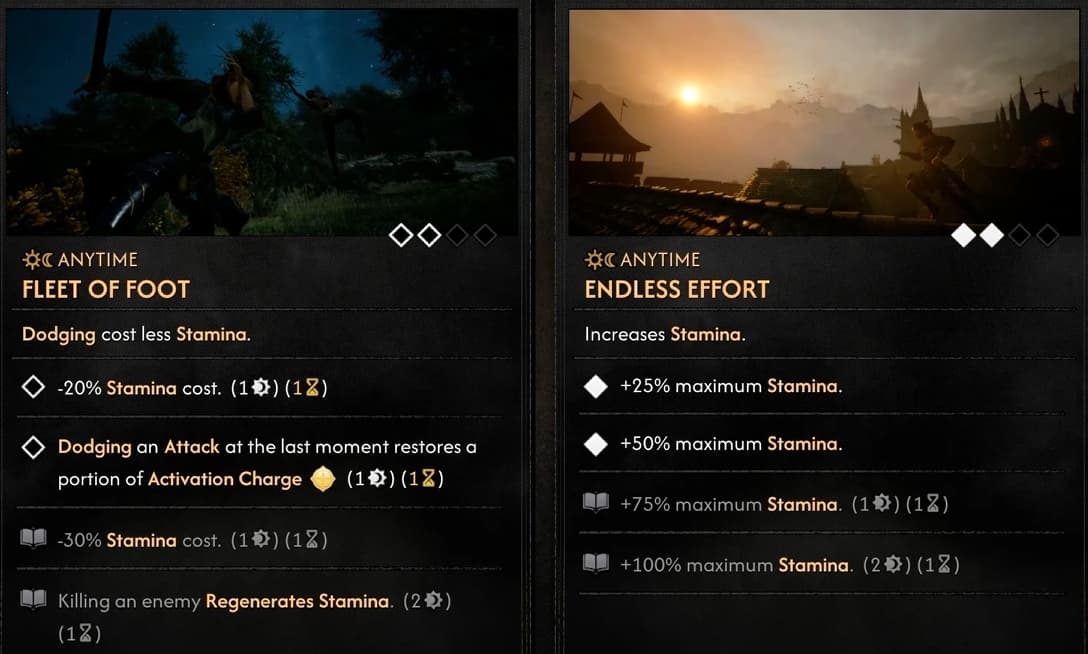
Two of the best early skills are Endless Effort and Fleet of Foot.

Endless Effort increases your maximum stamina, while Fleet of Foot reduces the stamina cost of dodging. Both skills remain active during the day and at night, making them useful regardless of which form you are currently using.

Completely emptying the bar leaves Coen Fatigued, causing his attacks to become slower and less effective. Additional damage will not help much if you are constantly exhausted and unable to react, so improve your stamina before focusing heavily on damage.

For more help with blocking, dodging and the best early combat skills, check out our The Blood of Dawnwalker Combat Guide.

Treat Human and Vampire Combat Differently

Coen’s Human and Vampire forms should not be played in exactly the same way. Vampire combat is much more focused on mobility and creating openings through well timed dodges.

When an enemy performs a horizontal attack, dodge towards the incoming strike at the last moment to trigger a Perfect Dodge. A successful Perfect Dodge costs no stamina and creates a short opening where you can immediately counterattack.

Human combat is more defensive. Match the direction of an incoming attack and block just before it lands to perform a Perfect Block. This also creates an opportunity to counterattack.

The simplest way to remember the difference is that Vampire Coen creates openings through movement, while Human Coen creates them through defense.

Use Omniblock While Learning Directional Combat

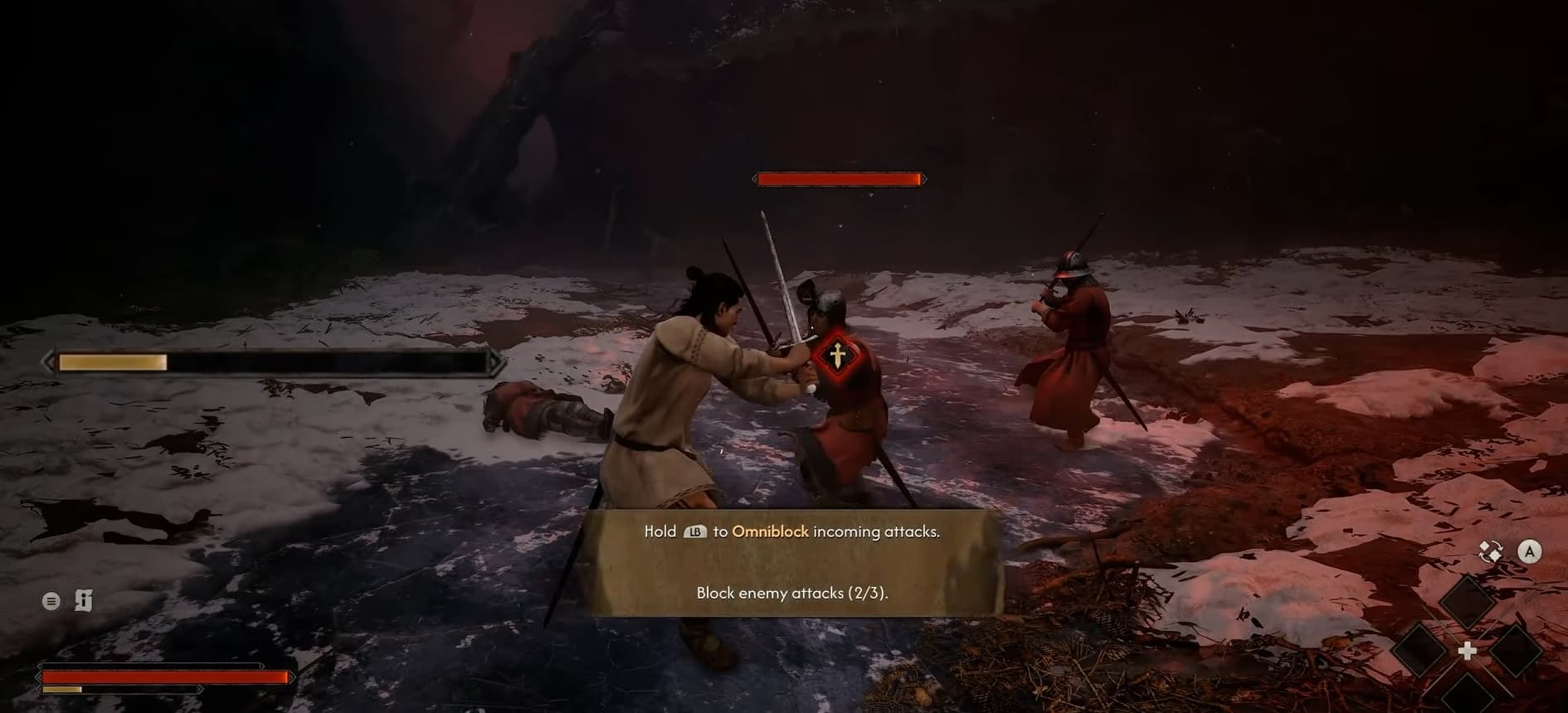
If directional blocking feels awkward at first, you can use Omniblock instead. Omniblock automatically handles the direction of an incoming attack, making Human combat much easier while you learn how enemies fight.

However, this convenience comes at the cost of stamina. Omniblock consumes stamina, whereas a successful manual directional block does not.

There is also a Swordmastery perk that reduces the stamina cost of Omniblock as you upgrade it. One of its later upgrades can even make an incorrectly aimed directional block behave like an Omniblock.

You do not need to master directional blocking immediately. Use Omniblock while learning the system, then gradually transition towards manual blocks as you become more comfortable reading attacks.

Dodge Whenever You See a Red Skull

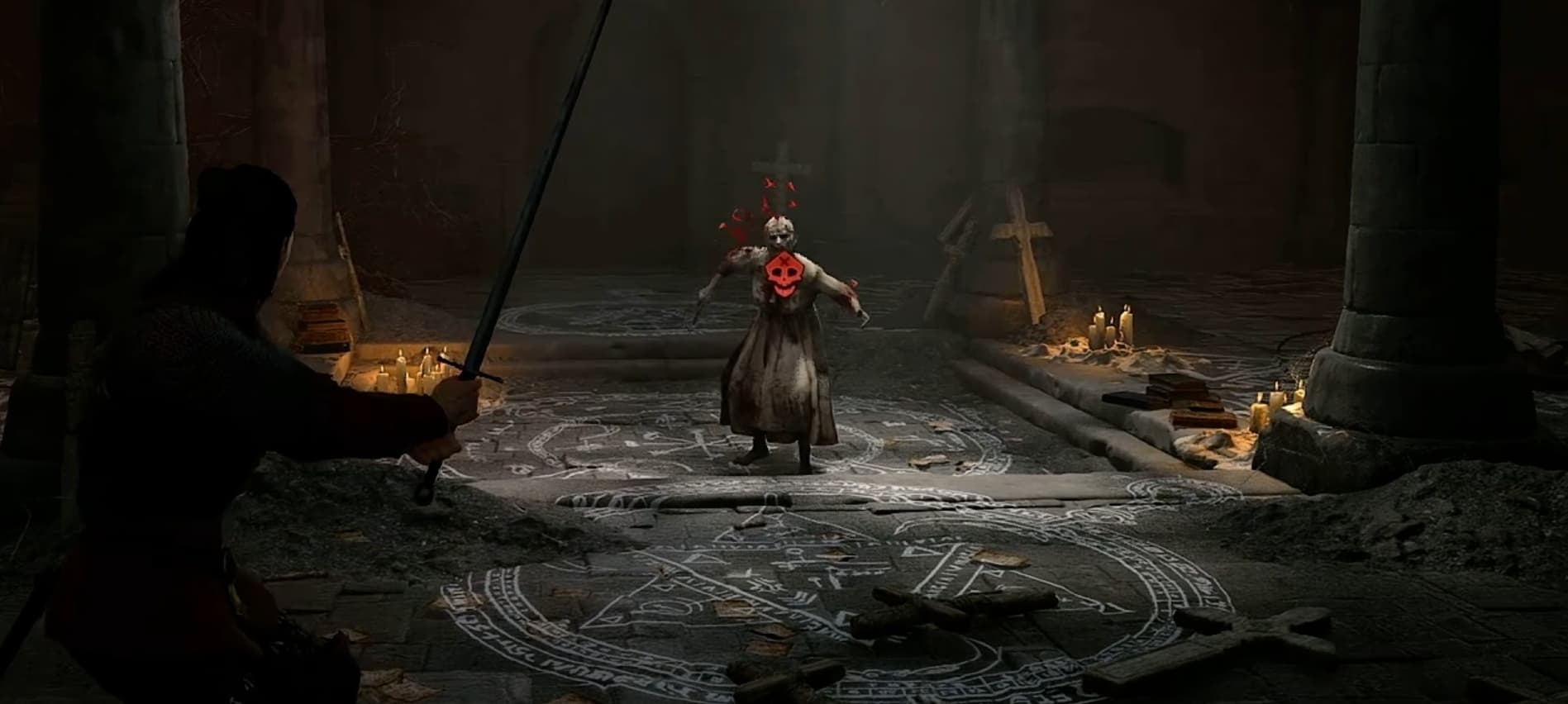
Some enemy attacks cannot be blocked. When one of these attacks is coming, the normal directional indicator changes into a red skull.

As soon as the skull appears, stop trying to block or parry and dodge out of the way. This applies whether you are using manual directional blocking or relying on Omniblock.

This is another reason to manage your stamina carefully. If you spend the entire bar attacking, you may have nothing left when a red skull appears and you need to dodge.

Create Separate Human and Vampire Builds

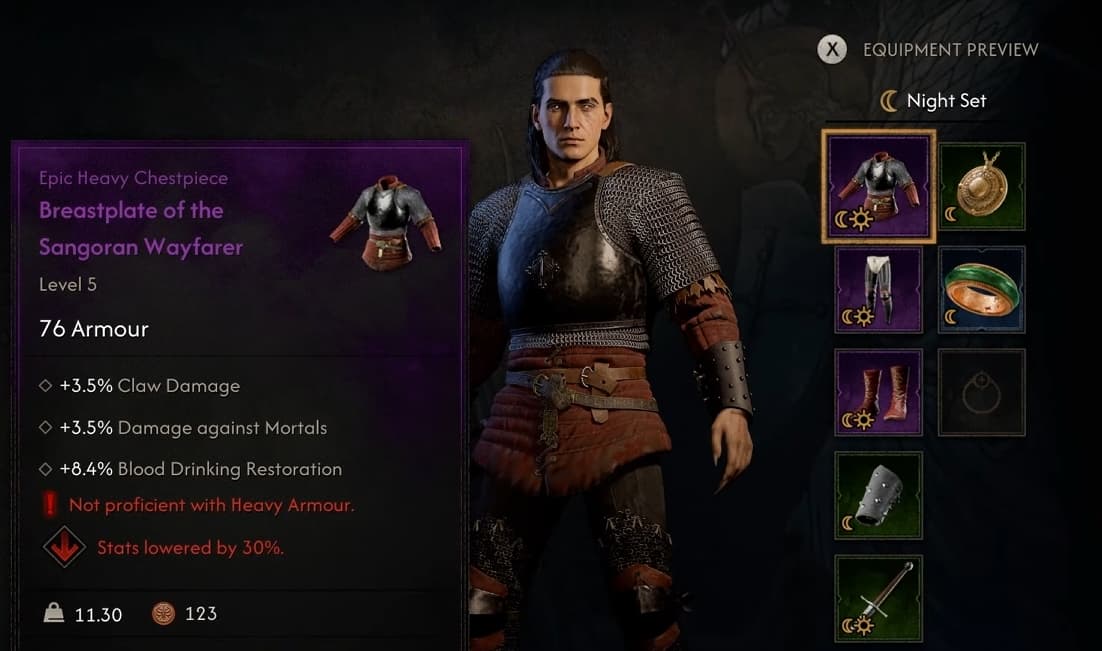
You are effectively managing two different builds throughout The Blood of Dawnwalker. Coen can equip separate presets for his Human and Vampire forms, including different quick-slot items.

The game automatically switches between these presets when the day-night cycle changes, so you do not need to create one universal equipment setup that works for both forms.

Your Human preset can focus on weapon damage, Human Health Restoration, Witchcraft and bonuses triggered by Perfect Blocks. Your Vampire preset can prioritise stamina, Activation Charge recovery, vampiric abilities, claw bonuses and nighttime sustain.

When comparing equipment, do not simply ask whether an item is better overall. Ask whether it is better for your Human build or your Vampire build.

Healing Works Differently in Each Form

Coen’s two forms have completely different healing systems.

Human Coen does not naturally regenerate health during the day, so keep food and healing consumables available. Consumables are not only useful for restoring health, either. Items such as Fruit Juice and Moldovan Red Wine can also provide stamina regeneration bonuses.

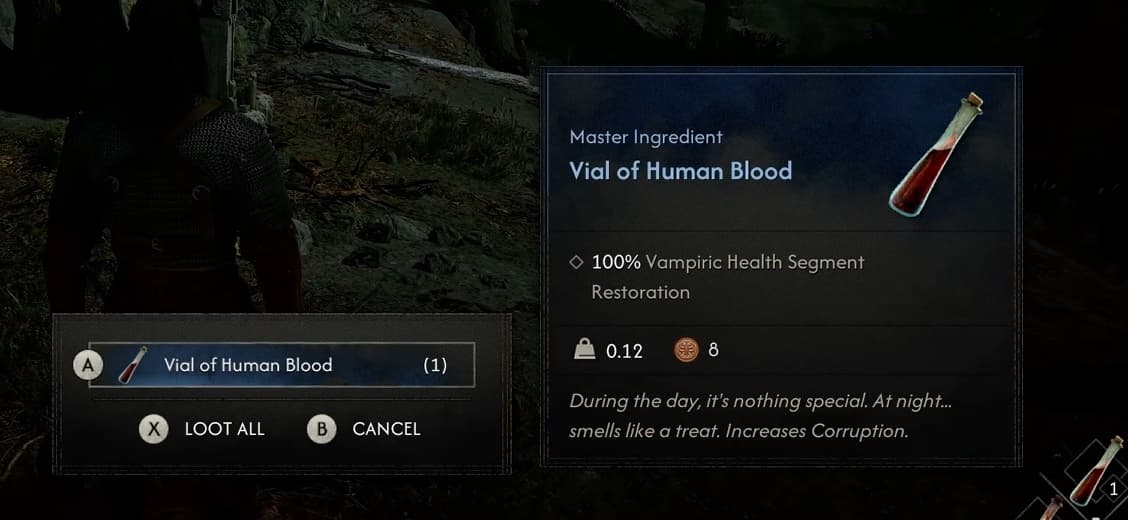
At night, Vampire Coen restores health by drinking blood. You can feed directly through abilities such as Voracious Bite or carry blood vials to use when needed.

Different sources of blood restore different amounts of health. However, drinking blood also increases Corruption, meaning that restoring your Vampire health can affect your wider progression and the direction of the story.

Deal With Blood Cravings Before Important Conversations

When Coen’s Vampiric Health drops to one remaining segment, he becomes Hungry and begins to Crave Blood.

Entering a conversation in this state can cause Coen to lose control and drain the person he is speaking to, even if that person is his friend.

Low Vampiric Health is therefore more than a combat risk. It can directly affect the narrative, so deal with your Blood Craving before beginning an important conversation.

Skill Points Are Not Enough to Unlock Every Ability

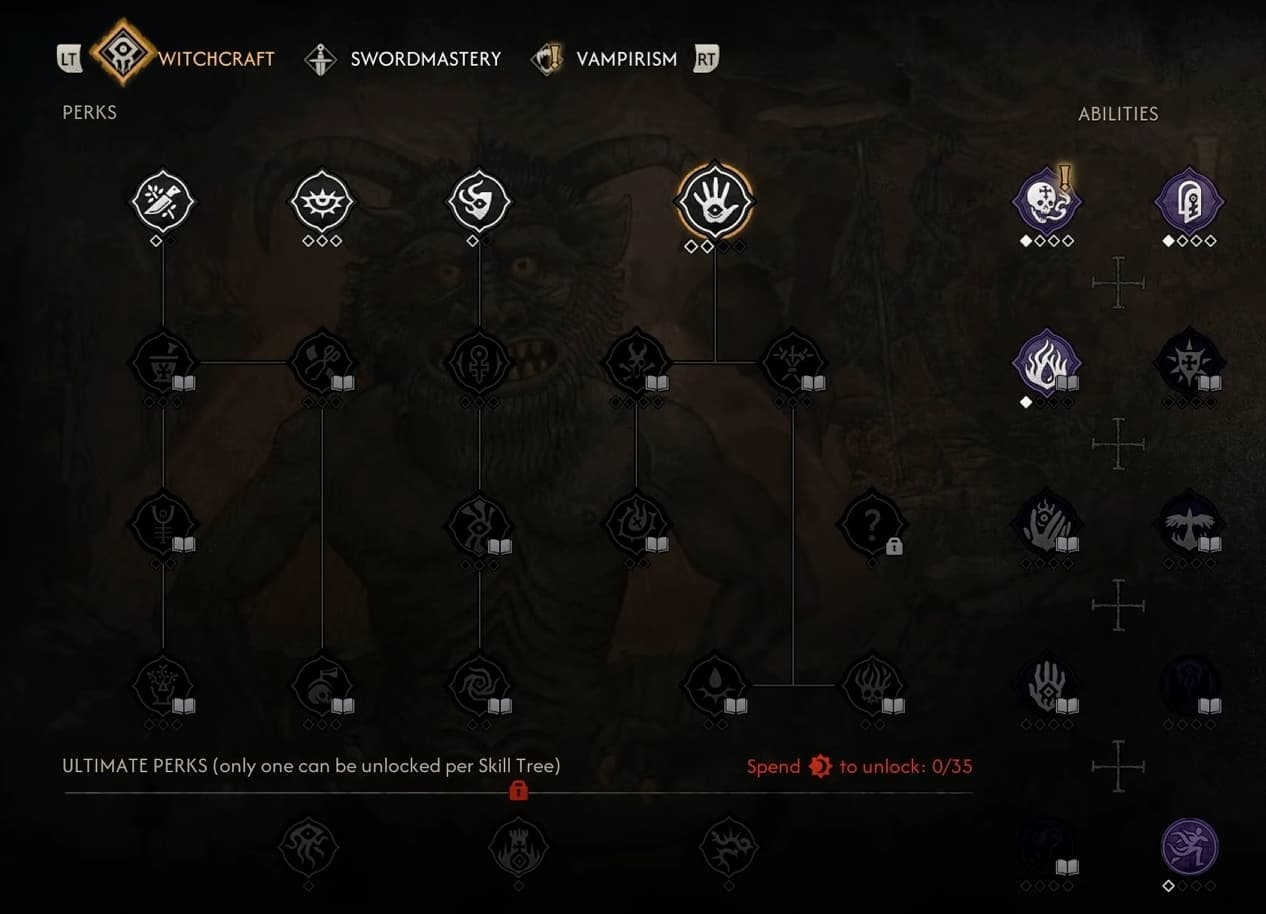
Levelling up rewards Skill Points that can be spent across the three main development trees:

  • Swordmastery
  • Witchcraft
  • Vampirism

However, Skill Points alone are not enough to unlock every ability. Many abilities and their higher upgrades also require the corresponding Manual.

Manuals can be discovered while exploring, earned through quests or purchased from merchants. Finding a Manual does not automatically teach you the ability. Instead, it makes that ability available to learn within the development tree.

For example, completing Like Father, Like Son can reward the Charge Manual, which makes Charge available for development.

If part of your development tree remains locked despite levelling up, there is a good chance that you are missing the required Manual.

Learning New Skills Can Consume Time

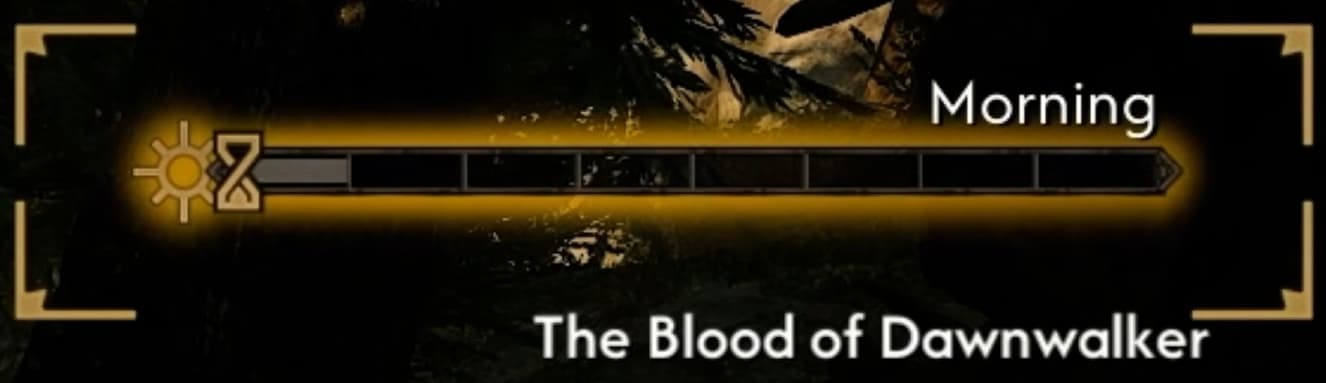
Time is one of your most important resources in The Blood of Dawnwalker. Each day and night contains eight Time Segments, and certain actions advance the clock.

These actions can include quests, activities, particular dialogue choices, some forms of character progression and deliberately waiting. Anything that consumes time is marked with an hourglass, and the game will often show exactly how many segments the action will use.

Coen only has 30 days and 30 nights before Brencis’ coronation. Reaching this deadline does not cause a conventional game over, but it can drastically change how the story unfolds.

Because learning certain skills can also advance time, the question is not simply whether you can learn an ability. You must also decide whether that ability is worth spending time on right now.

Find Scouting Towers Whenever Possible

Exploration is extremely important for finding Manuals, equipment and other progression opportunities. Because of this, you should prioritise finding Scouting Towers whenever possible.

Scouting Towers reveal nearby activities across Vale Sangora, making it easier to find useful content and decide where to go next.

These towers must be climbed in Vampire form because reaching the top requires supernatural traversal abilities. Shadowstep lets Coen quickly travel to distant surfaces, while Plane Shift allows him to continue moving along walls and ceilings after Shadowstepping onto them.

Use Coen’s Vampire mobility to reveal the surrounding area, then use those discoveries to improve your build.

Corruption Also Unlocks Vampire Progression

Corruption can initially appear to be a simple morality system where gaining more of it is always bad. Mechanically, however, Corruption is also connected to Coen’s Vampirism progression.

Drinking blood increases Corruption. As Coen’s Corruption level rises, additional vampiric perks and powers become available to learn.

Avoiding Corruption may suit the direction you want for the story, but it also means restricting part of your Vampire progression. Increasing it allows Coen to embrace more of his vampiric nature while also influencing the narrative.

Corruption is therefore not simply a good or bad system. It is a trade off between resisting Coen’s vampirism and gaining access to more vampiric power.

Corruption and Infamy Are Separate Systems

Corruption and Infamy may both respond to your choices, but they measure completely different things.

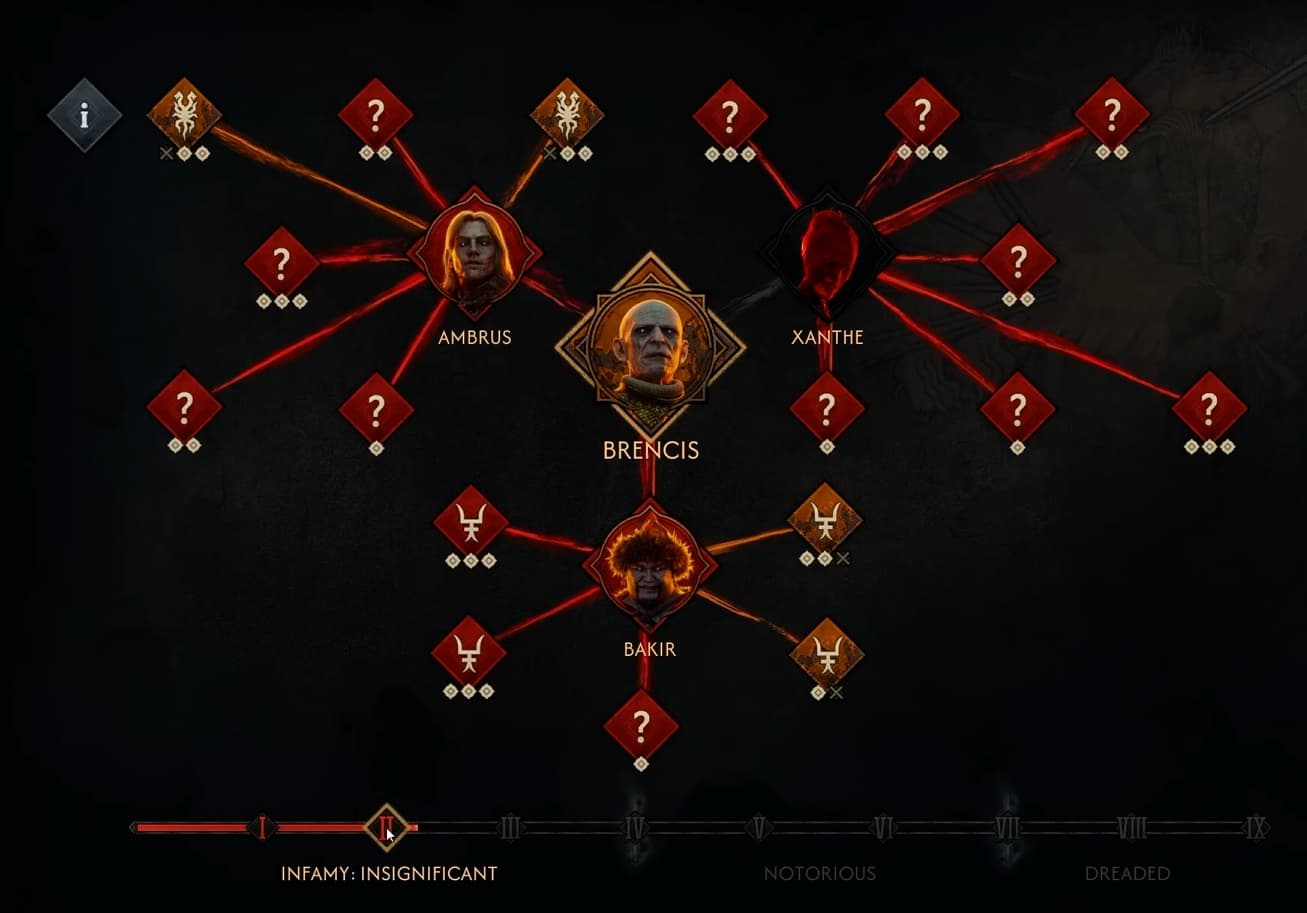
Corruption represents Coen’s growing vampiric nature. Infamy represents how much of a threat he has become to Brencis and his rule over Vale Sangora.

Destroying camps, sabotaging Brencis’ operations and interfering with his forces can raise your Infamy. Whenever you reach a new Infamy level, Brencis can respond by issuing another Edict.

These Edicts can add military checkpoints, introduce additional enemies and increase prices throughout the region. Raising your Infamy can therefore make the open world increasingly difficult to navigate.

Disrupting the operations of Brencis’ three vrakhir boyars also raises their individual Anger Levels. Raising an Anger Level far enough can unlock a quest tied to confronting that boyar, giving you an opportunity to weaken Brencis’ forces before the final confrontation.

Infamy is another risk and reward system. You can make the journey more difficult now to potentially make the final confrontation easier later.

Plan Around Every Opportunity Cost

The most important lesson in The Blood of Dawnwalker is that many decisions have an opportunity cost.

Learning new abilities can consume time, drinking blood can increase Corruption and opposing Brencis can make Vale Sangora more dangerous through Infamy. Even equipment should be considered separately for Coen’s Human and Vampire forms.

Take your time when developing Coen and think carefully about the version of the story you want to create. Understanding these systems early will make it much easier to manage your build, progression and remaining time.

Video