

 Use your favourite features in-game with our Desktop App
News Guide
Anime GTA? Why Neverness to Everness Might be the Most Ambitious Urban Gacha Yet
Previews
Neverness to Everness
An Anime GTA
Few upcoming games have sparked as much curiosity as Neverness to Everness. Much of that attention comes from a simple but powerful comparison: “anime GTA.” While that label may sound reductive, it actually points to something genuinely ambitious about Hotta Studio’s upcoming title.
As the gaming is world is left drooling from the impending next meal of the GTA franchise, an experience to scratch that itch - no matter how far travelled from proverbial the motherland - is bound to draw attention. But is it warranted?
Why This Comparison?
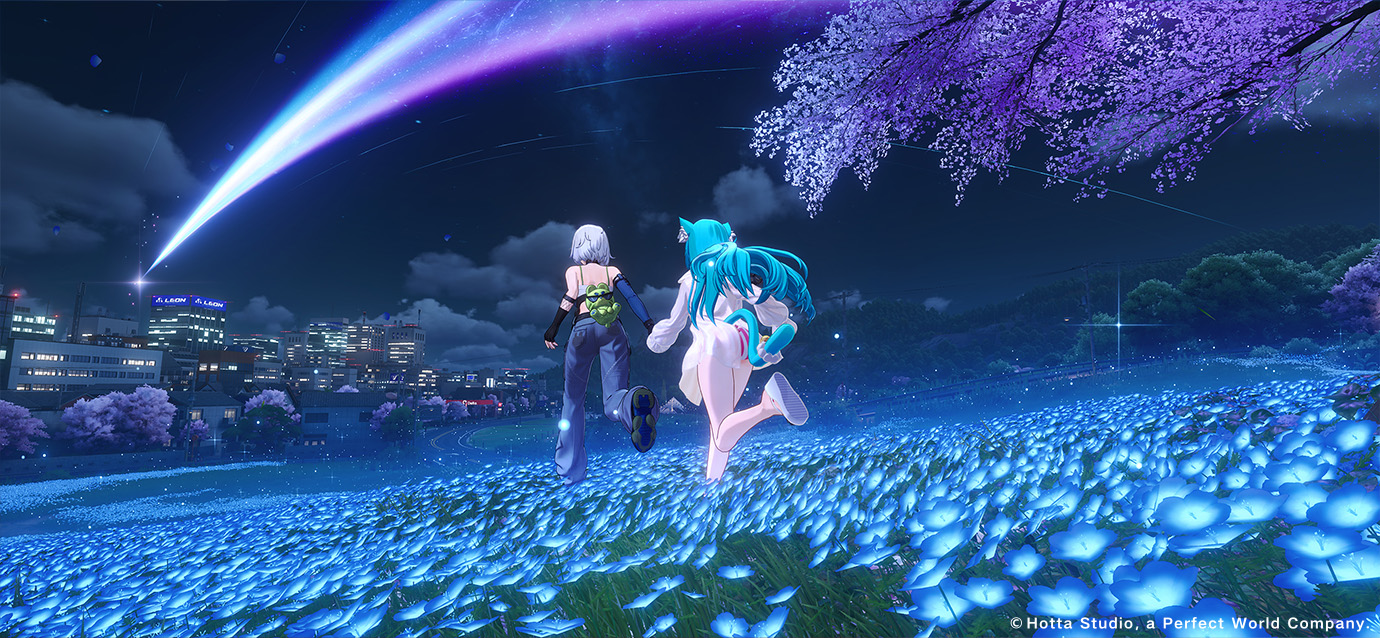
At its core, Neverness to Everness is a free-to-play open-world action RPG set in a modern urban environment, a major departure from the fantasy landscapes that dominate the gacha genre. Instead of sprawling medieval kingdoms or post-apocalyptic wastelands, players explore the dense, neon-lit city of Hethereau - a place where everyday urban life collides with supernatural phenomena known as “Anomalies.”
This setting alone makes the game stand out. Most major gacha titles, such as Genshin Impact, lean heavily into escapist fantasy. By contrast, Neverness to Everness grounds its world in a familiar modern infrastructure of cars, apartments, andcity streets, before layering in surreal elements. The result is a hybrid tone: part slice-of-life city sim, part paranormal mystery.
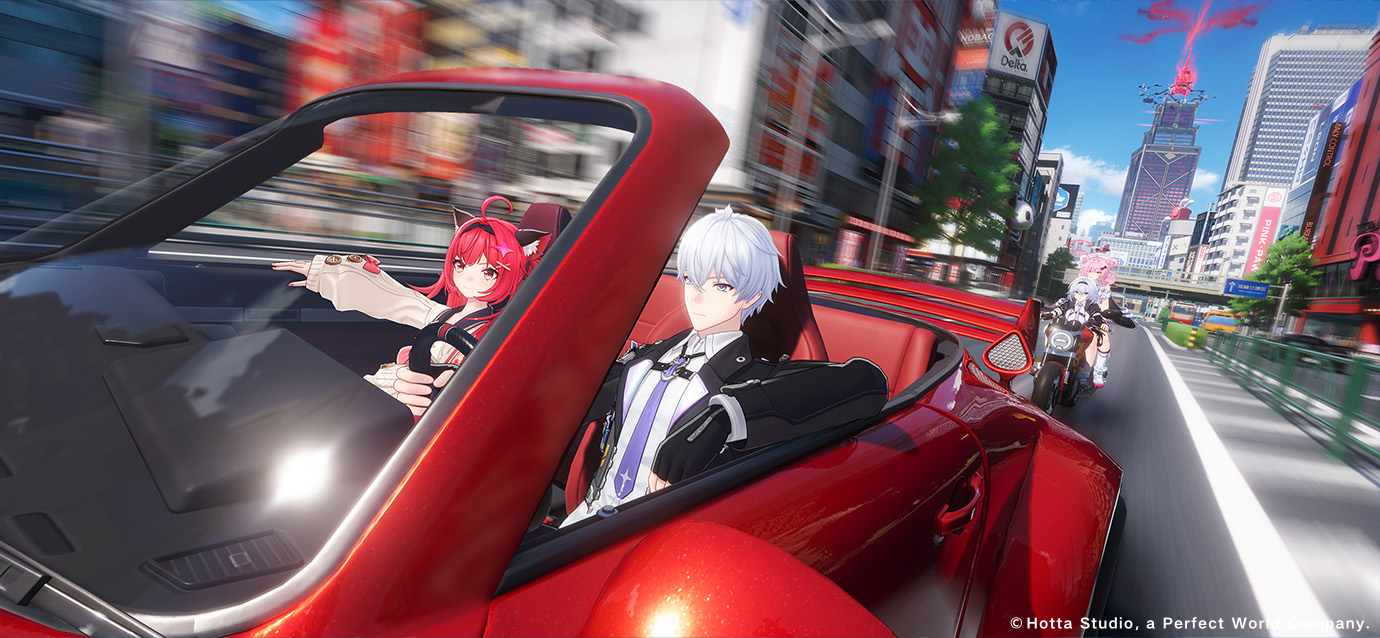
The “GTA comparison” comes primarily from one feature: vehicles. Unlike most gacha RPGs, where traversal is limited to running, gliding, or teleportation, Neverness to Everness allows players to drive cars through its open world. This isn’t just cosmetic either: vehicles feature customization systems, damage mechanics, and even first-person driving modes, suggesting a deeper level of systemic design than typical mobile RPG traversal.
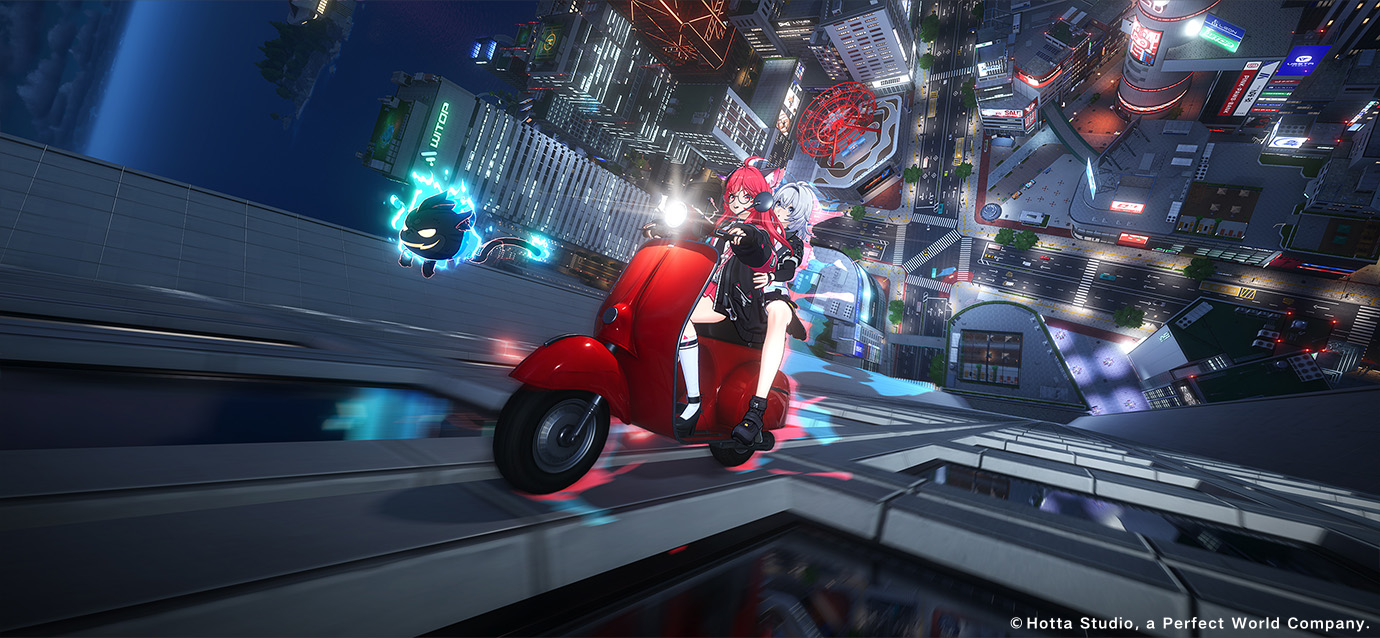
But the comparison only goes so far. Where Grand Theft Auto emphasizes sandbox chaos, Neverness to Everness is still structurally a character-driven gacha RPG. Players collect and control a roster of characters known as “Espers,” each with unique abilities that tie into both combat and exploration.
This hybrid identity, part urban sandbox, part anime RPG, is what makes the game so intriguing. It reflects a broader shift in the gacha market, where developers are increasingly trying to expand beyond traditional RPG loops into lifestyle systems and immersive worlds. In Neverness to Everness, this includes not just combat and exploration, but also housing, side activities, and potentially social or multiplayer elements.
High Expectations
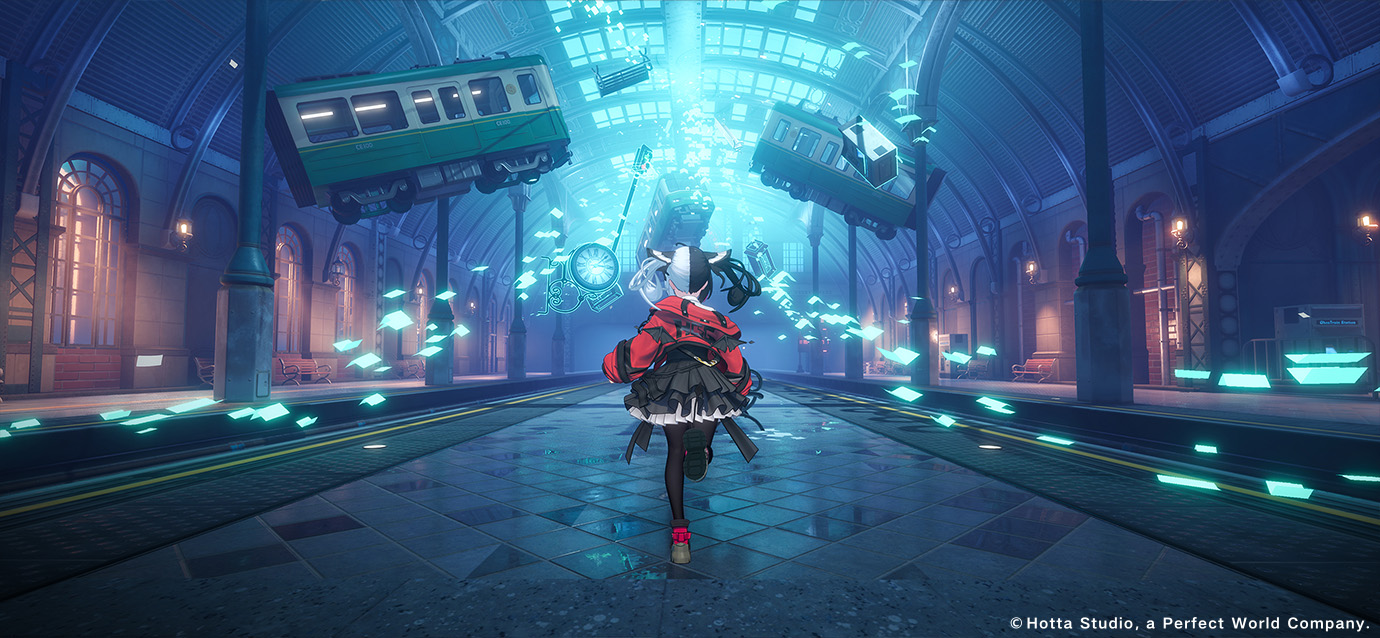
Another key factor is scale. Built using Unreal Engine 5, the game aims to deliver high-fidelity visuals and seamless traversal without loading screens, even when transitioning between interiors, streets, and vertical spaces. If successful, this could place it closer to console open-world games than traditional mobile gachas in terms of immersion.
Of course, ambition brings risk. The more systems a game tries to combine - be it driving, combat, open-world exploration, or gacha mechanics - the harder it becomes to balance them all effectively. Early beta impressions have already raised questions about optimization and performance, particularly given the technical demands of Unreal Engine 5 on mobile platforms.
An Adventurous Identity
Is Neverness to Everness trying to be too many things at once? Or is it successfully carving out a new subgenre: the urban open-world gacha?
What’s clear is that the game is positioning itself as a major evolution of the formula. By combining the accessibility and monetization model of gacha games with the systemic depth of open-world sandboxes, it has the potential to attract both traditional RPG players and fans of large-scale city simulations.
If it delivers on its promise, Neverness to Everness won’t just be “anime GTA.” It could redefine what players expect from live-service RPGs altogether.