Release Date: May 19, 2026 (May 15 with Premium Edition)
Platforms: Windows, Xbox Series, PlayStation 5 (TBD)
Developer: Playground Games
Publisher: Xbox Game Studios
Forza Horizon 6 finally hosts its arcade-racer Festival in Japan, a setting fans have eagerly anticipated for years, and Playground Games delivers a world that feels truly worth that long-awaited excitement. Five years since the fifth installment, FH6 offers a map that blends neon-lit expressways, mist- and snow-shrouded mountain passes, and quiet rural towns into a culturally rich landscape. It’s a world crafted to inspire thrill and adventure, strengthening the series' identity since ForzaHorizon 3 blessed us with the Australian Outback.
The driving controls have been refined to give vehicles more personality, weight, and nuance without sacrificing the series’ award-winning accessibility. Combined with a smarter progression system with the return of the wristbands from Forza Horizon 3, and a festival structure that respects the player’s time, FH6 feels like a confident evolution rather than a safe iteration. It’s a game that understands what Horizon is, and what it needs to become with the driving itself, but it plays it safe and familiar with the events and races.
Our review for Forza Horizon 6 was conducted with the PC version on Steam.
Highs
Japan: A Map With Purpose and Personality
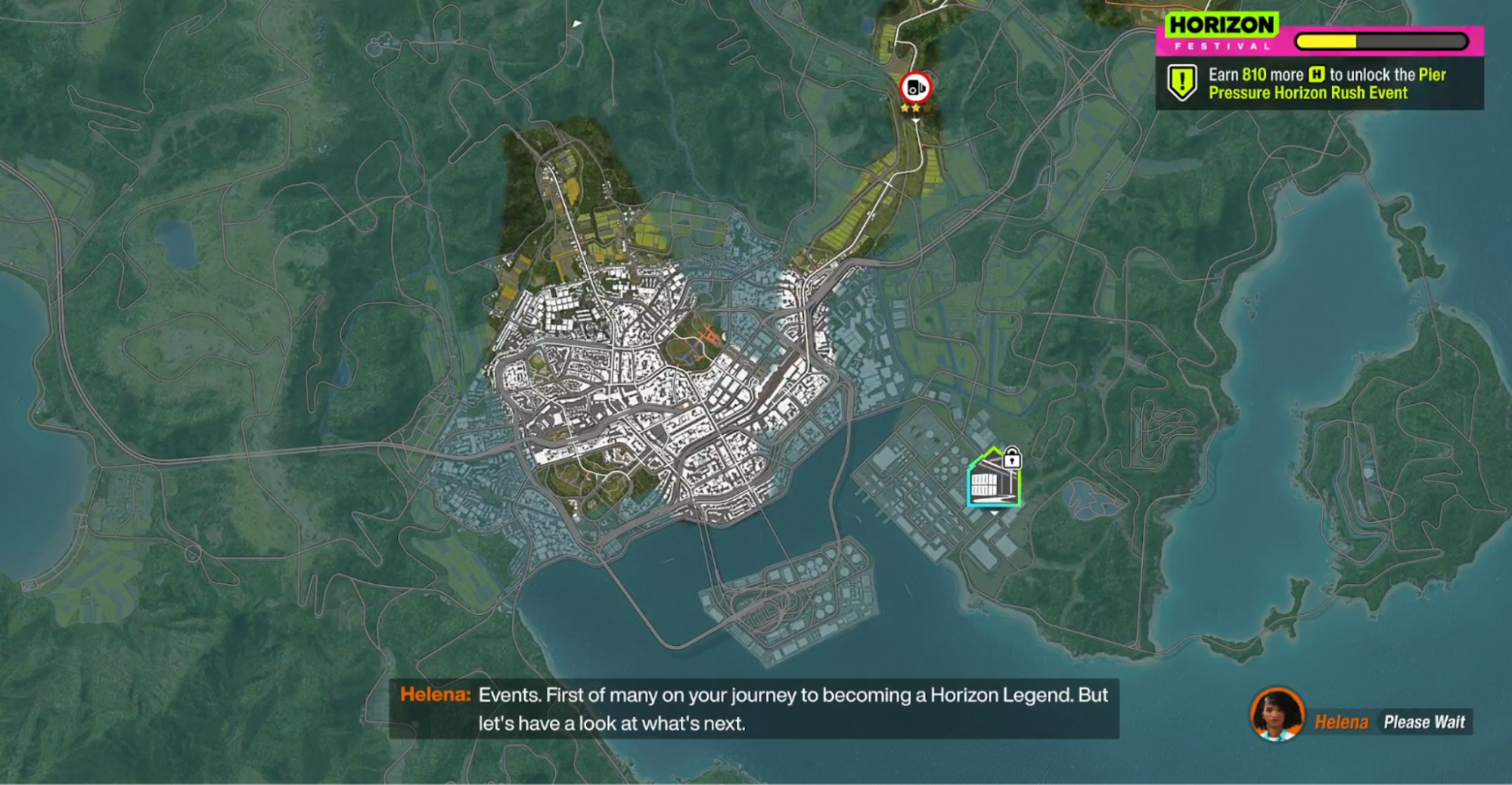
Japan isn’t just a new location, it’s the most intentional-feeling world the series has ever produced. Tokyo’s expressways form natural high-speed playgrounds, with multi-level interchanges and long straights that encourage drafts and aggressive weaving. The city feels dense and alive, especially at night, when neon lights, aided by ray-traced reflective surfaces, create striking atmospheres. The map itself is massive to boot!
The mountainous regions are another major staple of FH6. The infamous Tōge routes are clearly designed with drifting and other technical driving in mind, featuring tight hairpins, cambered corners, and long downhill stretches that reward both precision and rhythm. Every corner is handcrafted, making the terrain itself a meaningful part of the driving experience.
The rural countryside of Japan adds a quieter but equally entertaining flavor. Fishing villages that are surrounded by rice-field straits are peppered throughout forested backroads to create a sense of calm between the intensity of the races. These additions make essential changes to the pacing of exploration, giving the entire map natural ebbs and flows that Forza Horizon 5’s map sometimes lacked.
Tying all of these regions together is the cultural authenticity. From architecture and signage to the ambient soundscapes, the map feels respectful and grounded without slipping into stereotype. It’s easily the strongest open horizon that Playground Games has ever built, and it elevates every discipline within the game.
Driving That Feels Alive
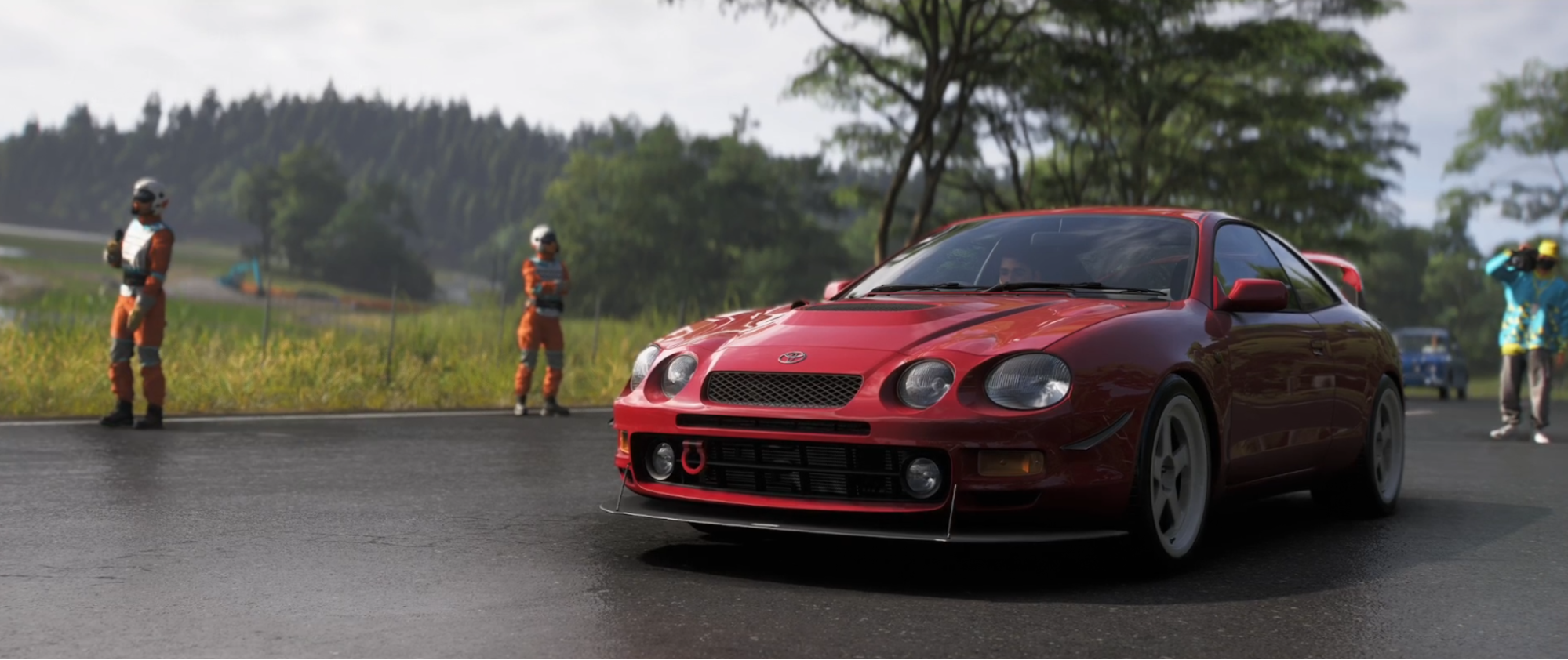
The updated handling model is a quiet but meaningful refinement. Cars feel more responsive, with clearer feedback on grip, weight transfer, and surface changes. It’s still unmistakably Horizon by being approachable and fun, but with a new layer of nuance that rewards players who want to push deeper into mastering it.
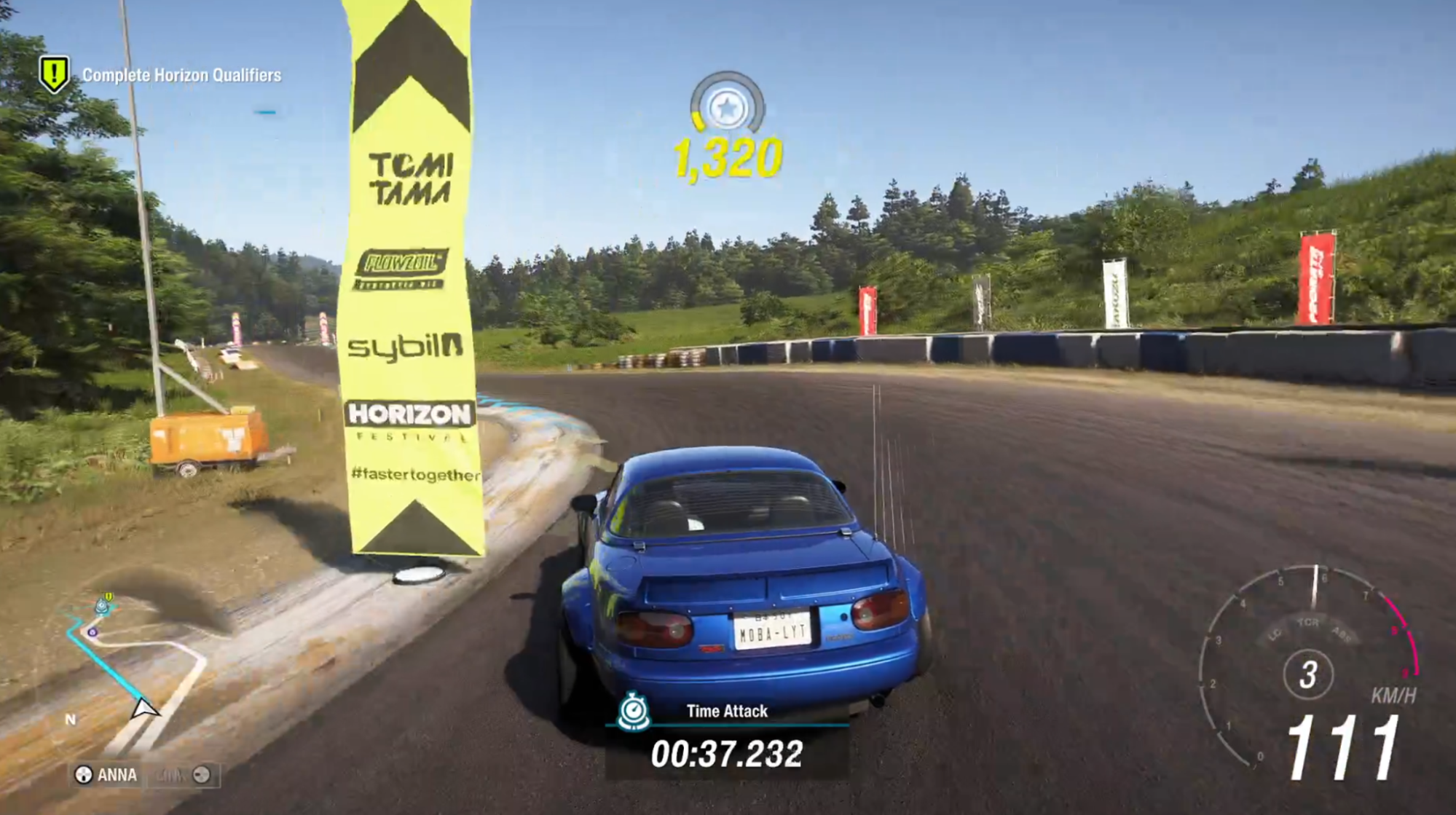
In mountain passes, the improvements are immediately noticeable. Tires bite into the asphalt more convincingly, and the transitions between grip and slip feel smoother and more predictable, with snow or ice making handbrake turns extremely risky. As such, drifting becomes expressive without becoming sterile, and the holographic racing lines feel more deliberate and satisfying.
Off-road changes benefit just as much. Dirt and gravel surfaces have greater texture, with cars reacting more realistically to bumps, ruts, and uneven terrain. All of these have a strong sensory connection too, with my controller mimicking the shaking of my chosen car on the road, and even more so with my racing wheel sending entire vibrations through my hands and arms.
The physics never become too sim-heavy, but they do create a stronger sense of connection between you, your vehicle, and the world you’re speeding through, making each race feel more tactile.
What’s also impressive is how seamlessly these refinements integrate with the series’ award-winning accessibility features. New players can still jump in and have fun immediately, while series veterans will appreciate the added depth. FH6 strikes a balance that many arcade racers struggle to achieve without compromising its identity. To better inform readers, discussing multiplayer modes, online competitions, or community features would help clarify the game's social and competitive appeal.
Player Progression: Real Momentum and Rewards
FH6 finally addresses one of the series’ longest-standing issues: the pacing. I remember that in ForzaHorizon4 and 5, many other players and I were granted top-speed hypercars in the first hour due to the wheelspins feature. Now, the game spaces out rewards more thoughtfully, with tiers of cars being locked behind the returning wristband system. Each new vehicle feels earned, and the sense of progression is far more satisfying as a result.
The new Festival Routes structure replaces the old accolade system with clearer, more meaningful goals. Each route focuses on specific car types, driving disciplines, or regions, directing players towards their next goal without forcing their hand. It respects your time while still encouraging exploration.
While some cars can still be gained through wheelspins, most unlocks are tied closely to the activities you engage in. Drift events reward drift-focused cars, off-road championships grant rugged 4-Wheel Drives, and the most intense street races unlock performance-tuned imports. A synergy is created between what the player is doing and what they’re earning, which also makes garages and collections feel more curated and personal.
While FH6 still features a massive roster of vehicles, the result is a progression loop that feels purposeful rather than bloated. It’s the most balanced and rewarding progression loop that the series has been starved for in years, and no longer instantly drowns you in hundreds of vehicles you’ll never use.
Lows
A Narrative that Struggles to Leave First Gear
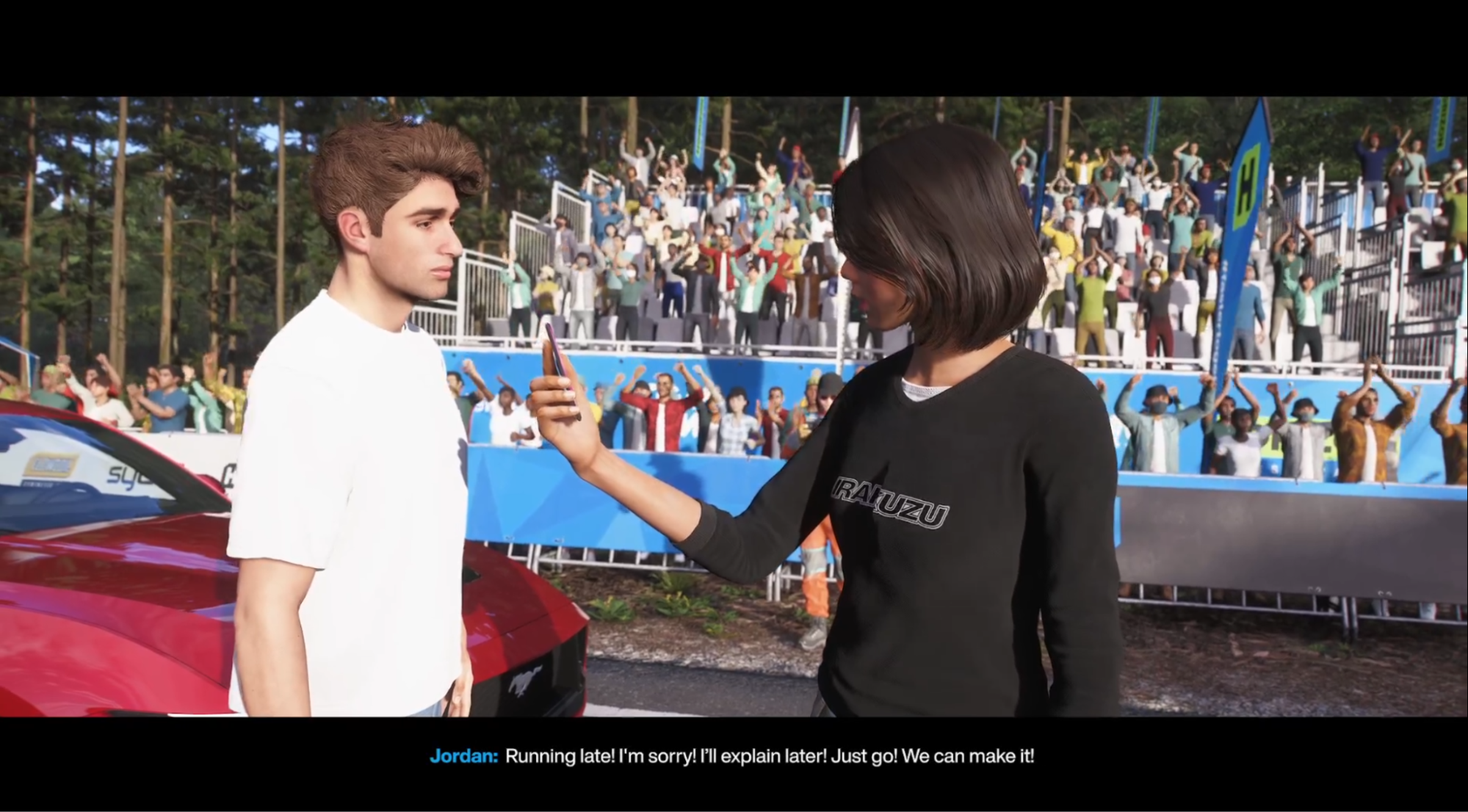
The story in Forza Horizon 6 is easily the least compelling part of the experience. It’s loosely structured, thin on content, and delivered with a level of enthusiasm that feels more obligatory than inspired. The characters lack any charm or personality that’s needed to reflect and elevate the vibe and energy of the Horizon Festival. The narrative beats, when they exist, feel deflated and predictable.
The missions tied to the story suffer from the same lack of ambition. They often boil down to simple point-to-point drives or lightly scripted sequences that feel interchangeable with regular events. Most of the time, they’re not even races you need to win, just travel there at the speed you want with little to no conversation happening with the other racers around you, relegating them to a role that has as little personality as the floating name above their vehicle.
Even the festival’s thematic connection to Japan feels underutilized. While the world around you reflects the country it’s set in, the narrative itself rarely explores the history, culture, or even the automotive heritage of the region, beyond the occasional name-drop or surface-level reference. It’s a missed opportunity, especially given how rich Japan’s historical, modern, and underground car culture is, and how central it could’ve been to the game’s identity.
That said, it’s worth acknowledging that most players don’t come to Horizon for the story. The series has always been about racing, exploration, and collecting cars, and FH6 most certainly excels in all of them. As such, the weak narrative doesn’t ruin the experience, it simply fades into the background, unnoticed by many and unmissed by most.
Events Running on Fumes
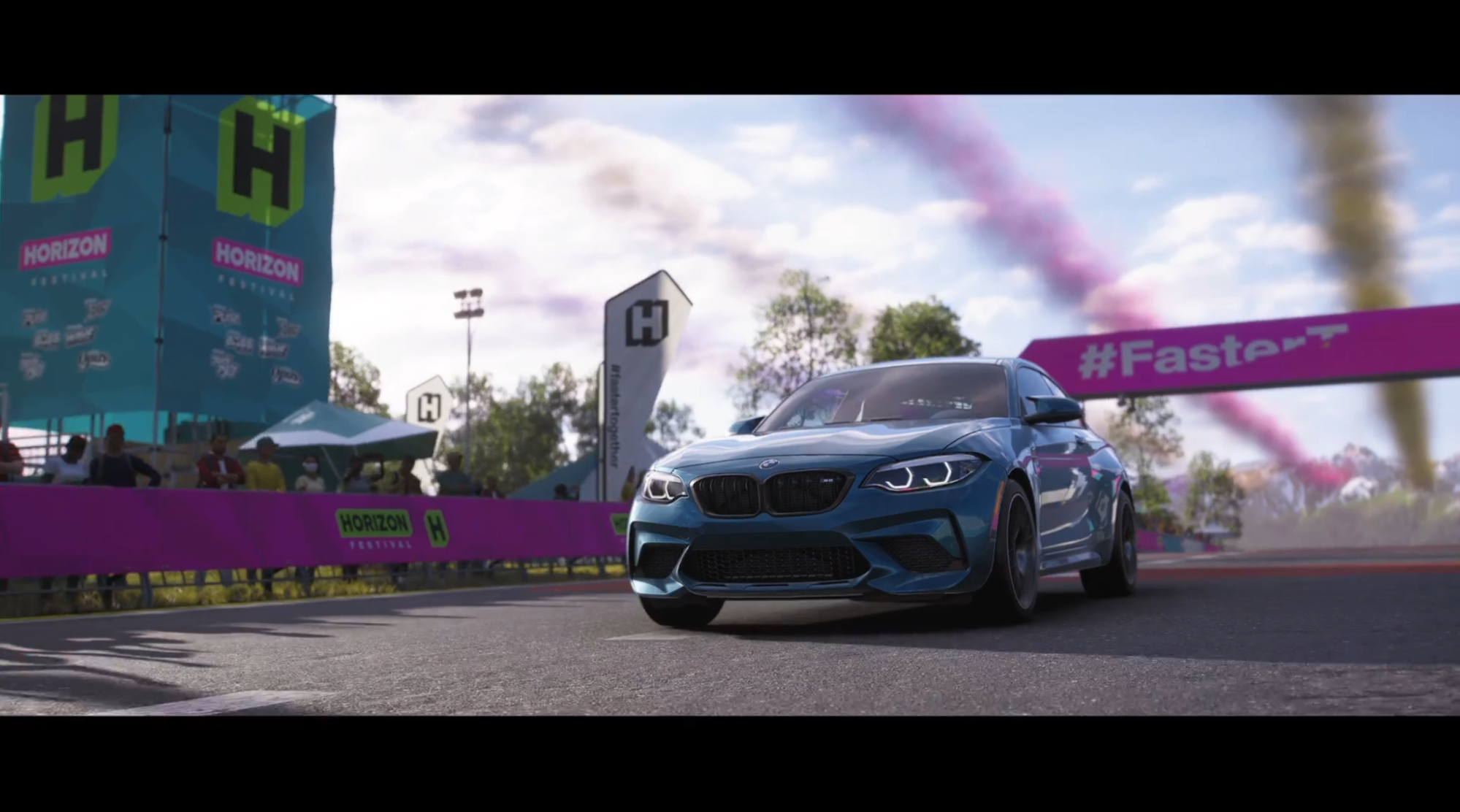
Events were once the signature special of the Horizon series, and what set it apart from other arcade racers. However, FH6 struggles to recapture that magic. The new set pieces are visually impressive, yet they follow familiar patterns that long-time players will recognize immediately. That sense of surprise, the “I can’t believe they’re letting me race that” feeling, is largely absent in this game, as while previous Horizon games had five or more Showcases, FH6 only has two so far.
While FH6 does introduce three new replayable “Rush” events that are clearly designed to fill the gap left by traditional “Showcases”, it’s hard not to feel the sting that there are only two actual showcase events this time, which I won’t spoil.
Repetition is part of the problem. Many events rely on similar chase-style formats or scripted overtakes that feel predictable, especially if you replay them. The spectacle is sometimes there, but the novelty has since faded, making players feel more obligated to play these events rather than highlights they actively look forward to.
The addition of the Rush events helps give players something more repeatable, but they don’t fully replace the sense of scale and uniqueness that showcases used to deliver. The pacing of these also feels off-putting. While FH6 deliberately spaces them out, which does benefit player progression, the events themselves lack any buildup or escalation.
There’s no clear sense of you building toward a grand finale of gaining the next wristband, and they feel more like the normal events that you partake in, just with a little bit of extra flair. Even with the Rush events offering more replay value, they don’t create that rising tension or anticipation that the older showcase structure once nailed.
It’s not that they are bad, they just don’t feel as spectacular. In a game where almost everything else has expanded meaningfully, this part of the formula feels stuck in the past, and FH6 could benefit from a rethink of what an event could be, especially when you look at how creative they can get with the Hot Wheels DLC for Forza Horizon 5.
Quantity over Creativity
Despite the new setting and refined physics, Forza Horizon 6 still leans heavily on familiar event templates. Street races, cross-country routes, dirt races, and sprints all return with only minor variations, and after several hours, the repetition becomes noticeable. The game’s structure feels comfortable, sometimes too comfortable, as it relies on patterns that long-time players will recognize instantly.
While most of the events are fun, fast, and well-paced, they rarely do anything new to surprise or “wow” you. FH6 doesn't introduce many new experimental formats or race types, and the few that do appear aren’t woven deeply enough into the festival’s events to feel revolutionary enough. It’s a real missed opportunity in a game that otherwise pushes forward in meaningful ways.
After a while, the shine wore off, and the repetition started to gnaw at me. Finishing race after race that felt mechanically identical left me weirdly deflated, like I was going through the motions instead of chasing that familiar Horizon Rush. The moment that really hit me was glancing at the “XX/97 Races Completed” stat after each race, which was meant to signal my progress, but instead it felt like a reminder of how many uninspired events I had slogged through.
This repetition becomes more apparent when exploring the map. As I wrote before, Japan’s regions are diverse, visually striking, and aesthetically pleasing. But like the narrative, the events themselves don’t take advantage of that variety. Many races feel interchangeable, even when set in dramatically different environments. The world evolves, but event design doesn’t keep pace.
Horizon has always walked a line between accessibility and depth, but FH6 leans a little too far toward the familiar. As such, a more daring approach to event design could have elevated the experience even further and made the Festival feel like a major milestone in the series, rather than a reiteration in a new setting.
Our Score
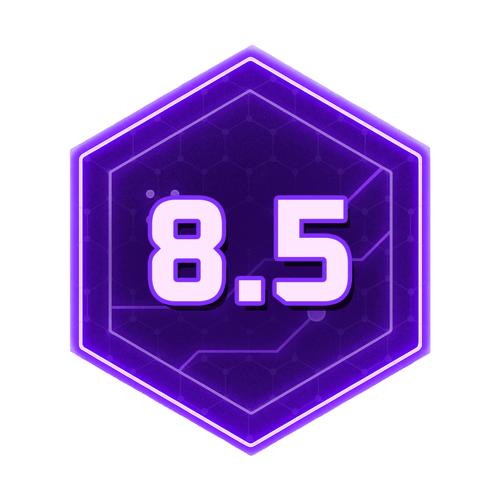
8.5/10 (An Exhilarating Drive, With a Few Routine Turns)
Forza Horizon 6 is a confident and richly realized advancement of the Horizon formula, and its Japanese setting gives the series a renewed sense of identity. The map is easily the standout feature, with a world that feels curated for exploration, drifting, and long, meditative cruises through mountain passes and sakura petalled roads.
The refined physics and smarter progression system show a studio that isn’t afraid to return to its strengths that player feedback asked for, and is willing to polish them rather than reinvent the wheel. When FH6 is at its best, it delivers some of the most satisfying open-world racing moments the genre has to offer.
Familiar weaknesses hold it back from its true greatness, with a repetitive event structure and a lackluster story, creating a sense that the game’s traditional formula no longer lands with the same impact and needs something to shake it up. While these prevent the game from reaching the heights it could easily hit, it doesn’t undermine the core experience of the game.
Its well-crafted, accessible driving will see it nominated for, and most likely take home, the same awards as Forza Horizon 5. While the full price may be too much for the casual gamer, its Day 1 availability on PC and Xbox Game Pass makes it cheap and easy to give it a go before committing to a full purchase.
As such, Forza Horizon 6 remains a deeply enjoyable, beautifully crafted racing game that welcomes players of all types, from newcomers to racing games to veterans of the Horizon series.
Main Reviewer: Jack Briggs (originally published May 14, 2026)