
 Use your favourite features in-game with our Desktop App
Fable Combat Overview
Combat, Magic, and Mayhem
For most of its history, Fable has never been defined by its combat. It was a series remembered for its charm, its moral choices, and its strange, simulation-driven world - not really the way it handled a sword or spell. But in Playground Games’ reboot, that balance looks set to change.
Times have changed: the era Fable first debuted in is now covered in a layer two decades worth of dust. To be a successful action RPG in the current day you have to deliver on the nitty-gritty of battle.
From Simplicity to System-Driven Combat
The original Fable trilogy offered variety in combat, but not much depth. Players could use melee weapons, ranged attacks, and magic, but the systems were often simple and easy to exploit. By today’s standards, they feel limited.
The reboot keeps that familiar foundation of swords, bows, and spells, but rebuilds how they interact. Combat is still built around the classic “Strength, Skill, and Will” pillars, but now those elements are designed to work together rather than exist as separate playstyles.
This shift reflects a broader design goal: flexibility. Instead of locking players into rigid roles, Fable encourages adaptation.
“Style Weaving” and Hybrid Play
At the center of this evolution is what developers have described as a “style weaving” system - a mechanic that allows players to blend combat styles seamlessly in real time.
In practice, that means you’re not choosing between being a warrior, archer, or mage. You can be all of them at once. A warrchage if you will. An arrrge? Marchior? We'll work on that.
You can open a fight with a ranged attack, transition into melee combos, and finish with a burst of magic without breaking the flow of combat. The goal is to make encounters feel dynamic and reactive, rather than predetermined.
There's a subtle difference between options and fluidity, and this reboot certainly looks to achieve the latter.
Magic as a Core Tool, Not a Gimmick
Magic - or “Will,” in Fable terms - has always been part of the series, but it often felt secondary to melee combat. In the reboot, it's going to be fully integrated into the core gameplay loop.
Spells can be woven directly into combat sequences, used for both offense and utility. Rather than standing back and casting, players are encouraged to use magic as part of a continuous flow, combining it with physical attacks to create more varied encounters.
This aligns with the broader “style weaving” philosophy, making magic an essential part of how you play.
Faster, More Responsive Combat
That fluidity is supported by a more modern, action-oriented feel. Players can perform light and heavy attacks, chain combos together, and execute finisher moves, adding a level of physicality that earlier games lacked.
Defensive mechanics are also more involved. Systems like blocking, dodging, and counterattacking introduce a layer of timing and skill, bringing Fable closer to contemporary action RPGs.
The result is something that looks less like a traditional RPG combat loop and more like a hybrid between RPG systems and action game immediacy.
Combat Within a Living World
What makes Fable’s gameplay particularly interesting is how combat connects to the wider world.
This is still a series where your actions have consequences. Reputation, morality, and NPC reactions all feed into how the game unfolds.
That means combat isn’t isolated. Who you attack, how you fight, what you destroy, what people witness, are all things that can shape how the world perceives you.
Enemy Design and Combat Variety
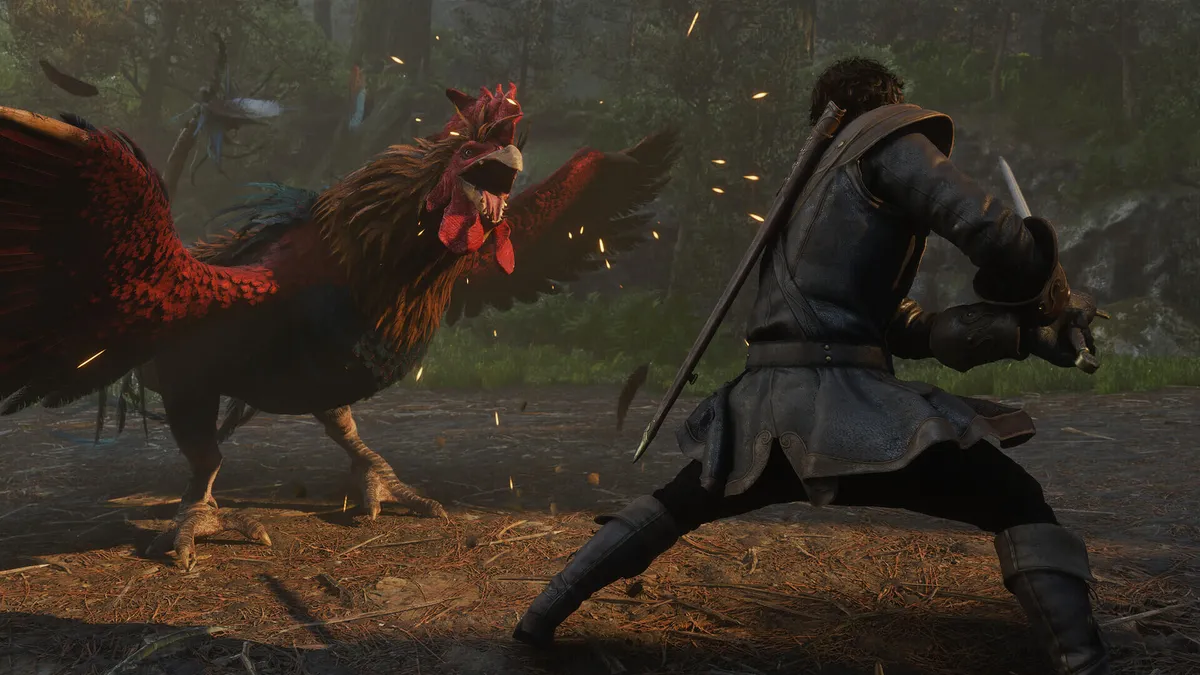
Combat depth is as much about how you're fighting as it is who you're fighting. The reboot brings back classic enemies like Balverines and Hobbes, while introducing new creatures such as the fire-breathing Cockatrice.
Each enemy type is designed with specific strengths and weaknesses, encouraging players to adapt their approach.
That design reinforces the game’s flexible combat system. You're encouraged to experiment your fighting style not just for personal preference, but for martial effectiveness.
A Necessary Evolution
Ultimately, the changes to combat reflect a simple reality: Fable is old and outdated. It can’t return unchanged.
The RPG genre has evolved dramatically over the past decade. Players now expect fluid combat, meaningful systems, and seamless integration between gameplay elements.
By embracing hybrid playstyles, real-time responsiveness, and system-driven design, the reboot is positioning itself as something more than a nostalgic revival.