

Charles Vane
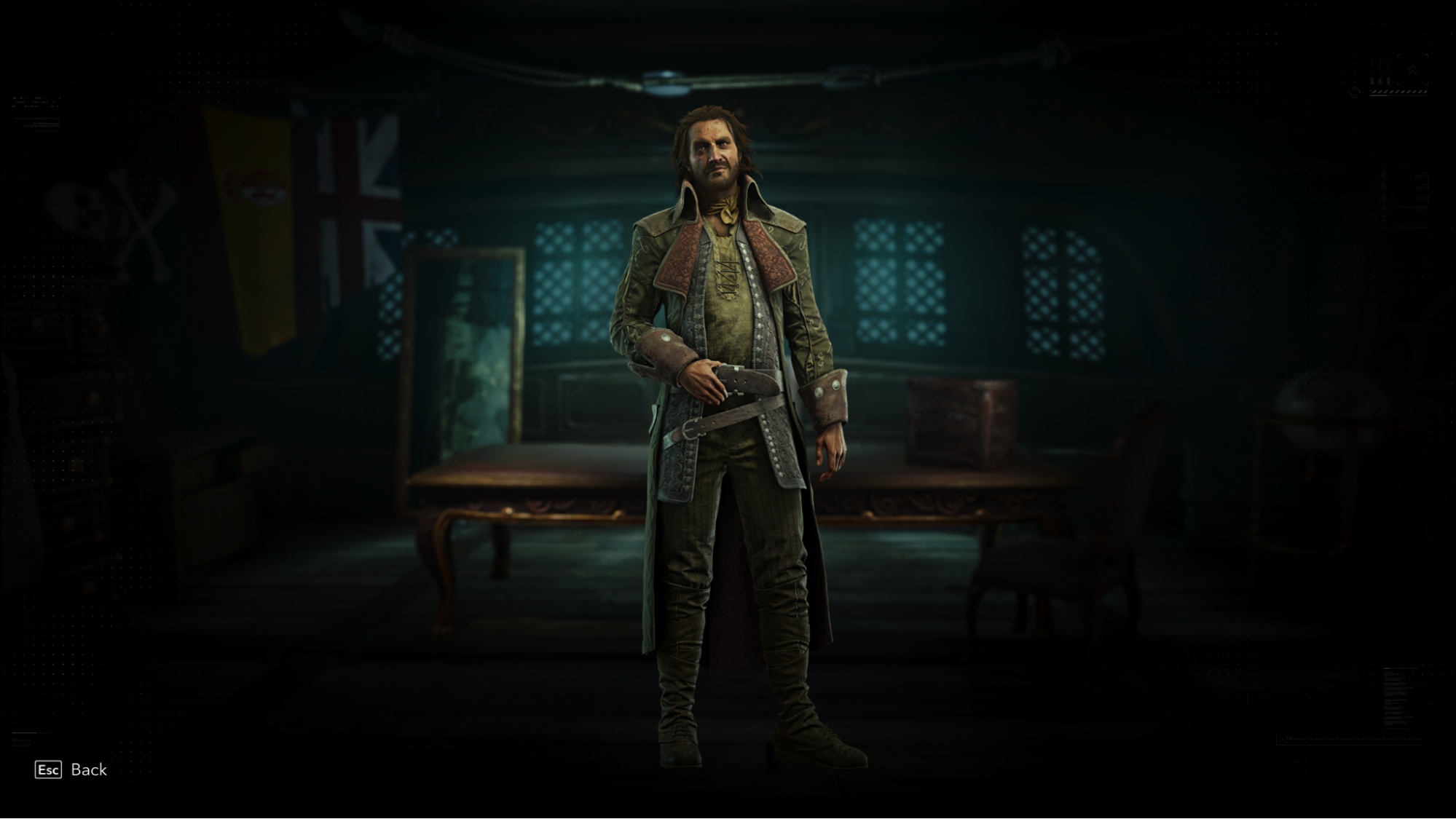
A common refrain in any biography of a Golden Age pirate goes something like this: “Very little is known about this man’s early life…” And with Charles Vane, it’s no different. It is not known where he was born, where he grew up, or when he first took to the sea. But perhaps that is just as well, for it only heightens the mystery of this strange, unstable man.
One of the most ornery and volatile of the “Flying Gang,” the band of pirates who called Nassau home for a time, Charles Vane began his career like most pirates of the era- honestly- as a privateer sailing for his king. Likely living in Jamaica in 1715, he was one of many aboard Henry Jennings’ assault on a Spanish expedition attempting to recover gold from their ill-fated wreck off the coast of Florida that same year.
Barely a year later, it had become impossible to continue honest work as a privateer, as British governors were wary of violating the terms of the Treaty of Utrecht, which called for a cessation of all hostilities between the major empires. Having few other options, Vane sailed to Nassau, where many of his former colleagues were now living.
Quick to anger and ferociously cruel, Charles Vane earned a reputation as a difficult captain to sail under. At some point in 1717 or 1718, an old friend, “Calico” Jack Rackham, joined his crew as quartermaster. The two remained partnered for some time, living and working out of Nassau alongside the likes of Benjamin Hornigold, Edward Thatch, and Henry Jennings.
When Governor Woodes Rogers arrived in Nassau in the summer of 1718 to issue the King’s pardon to all wayward pirates living there, Vane was among those who refused to submit. After sending a sarcastic letter of complaint to Rogers, Vane and his men sent a fireship toward the Governor’s blockade and slipped out of Nassau’s harbour.
For the next few months, these homeless buccaneers sailed around the Bahamas, making homes of coves and inlets as they searched for a place to settle. In November 1718, Vane even sailed north to the Carolinas to meet Edward Thatch, hoping to convince his old friend to rejoin the former crew and take Nassau back from British control. When Thatch refused, Vane was left without a plan.
Weeks later, Vane was sailing back to the West Indies when a French brigantine crossed his path. For reasons of his own, Vane declined to attack. This did not sit well with some of his crew, most notably “Calico” Jack Rackham, who had come to loathe Vane’s increasingly dictatorial leadership. Shortly after Vane’s refusal, Rackham and a number of his supporters mutinied, deposing Vane and setting him adrift in a small sloop.
Some weeks later, Vane found himself marooned on a small island somewhere south of Cuba. He spent many weeks in isolation there, though it is suspected he must have come into contact with fishermen known to frequent the area. For whatever reason, Charles Vane kept to himself until he was able to signal a passing British ship. Unfortunately for him, the captain recognised him as the notorious pirate Vane and refused to take him aboard. More weeks passed, and Vane was left at his wits’ end.
At last, another British ship sailed past, and Vane managed to clamber aboard. He did his best to keep a low profile, but in a cruel twist of fate, the captain of the first ship happened to be aboard this second vessel. He spotted Vane after only a few days at sea and pointed him out to the captain. Vane was arrested on the spot and taken to Kingston for trial.
There he languished for almost a year in prison before his execution in early 1721- a sad whisper of a fate for a man once so full of explosive and violent energy.