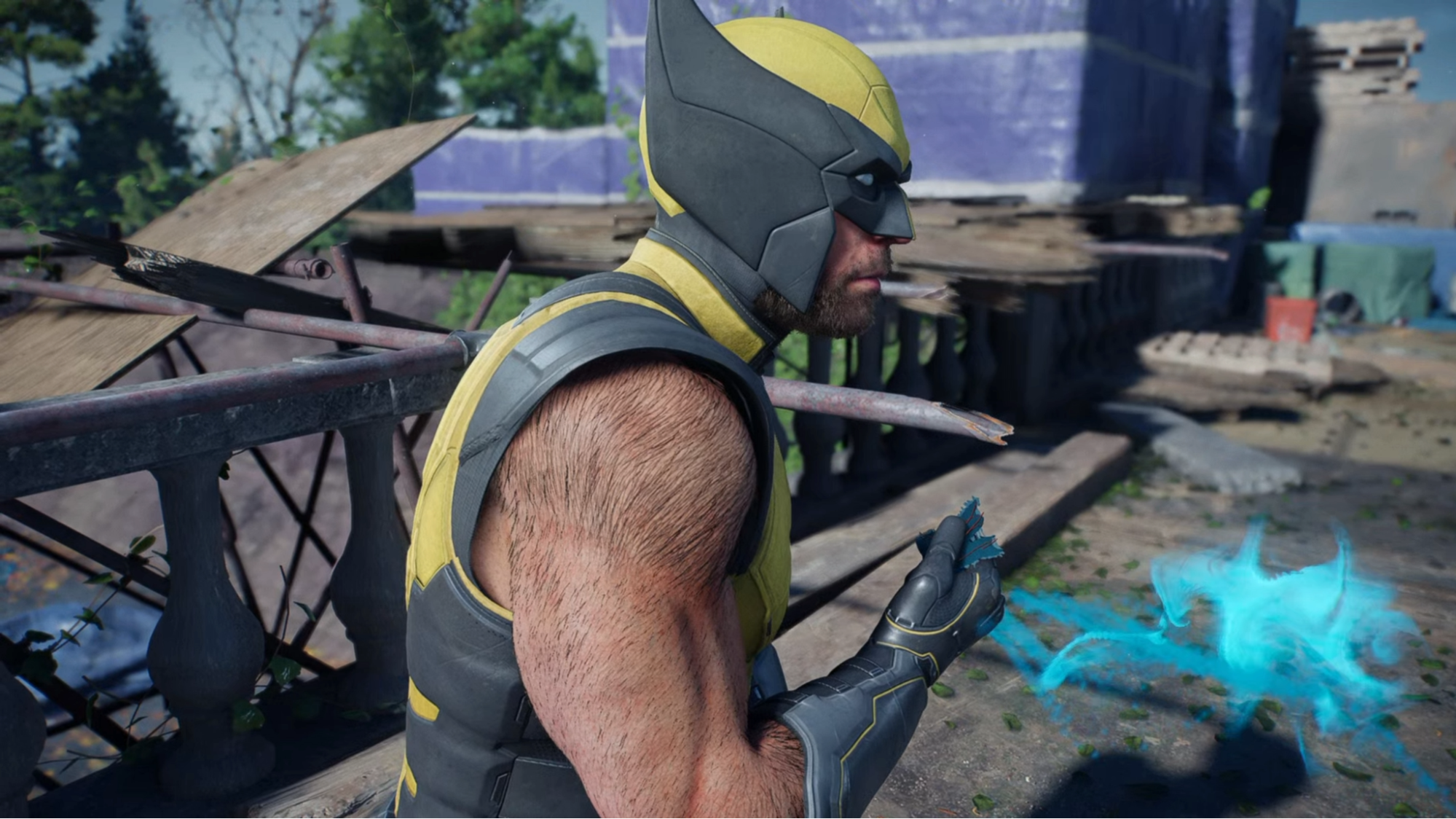
Marvel’s Wolverine comes from Insomniac Games, the studio behind Spyro, Ratchet and Clank, and the modern Spider‑Man series. It’s one of Sony’s most reliable first‑party teams, and has delivered many games during all five generations.
Development on Wolverine has been long but steady, with the project spinning up after Miles Morales six years ago, and continuing alongside Spider‑Man 2. It’s a pure action‑adventure title, with no open world, no city swinging.
It’s a tight, linear story built around Logan, Team X, and the fallout of mutant experimentation and subjugation. The narrative follows Logan as he helps save the dwindling mutant population from extinction, discovers his past, uncovers lost memories, and tries to stop ancient powers from being used to annihilate humanity.
It is a grounded, character-driven plot that focuses on trauma, identity, and the cost of being turned into something dangerous, and the cost of your own sanity and agency.
The game leans heavily on cinematic storytelling, strong performances, and a gritty tone that sets it apart from Insomniac’s other Marvel work. You get a sense early on that this is a character‑driven experience first and an action game second. And while that direction pays off in some areas, it also exposes gaps in others.
Wolverine can sometimes be bold, atmospheric, and confident in its identity, but it’s also limited, sometimes frustrating, and not quite the breakout debut many expected.
Our review for Marvel's Wolverine was conducted with the PlayStation 5 Version
Highs
A Personal, Logan Narrative
Wolverine’s story stands out because it refuses to follow the typical superhero blueprint. The game leans into Logan’s trauma, fractured memories, and long‑buried Team X history rather than building toward a traditional “save the world” arc.
The narrative jumps between points in Logan’s life, slowly revealing what happened to him and those around him, creating a structure that feels more like a character study than a blockbuster plot.
Insomniac has also crafted quite a unique story here. While there are hundreds of Wolverine and X-Men comics over the last few decades, the movies and animated shows have always rehashed the same Jean Grey “Phoenix” arc, and ended it without adding anything to that revelation.
Marvel’s Wolverine is the first digital medium of Wolverine in recent adaptations to tell a story centered on the titular character, where Logan is the main plot point instead of a character adjacent to him. This gives his character more depth and allows for more emotional plot points, rather than relying on the classic death-of-a-close-character trope.
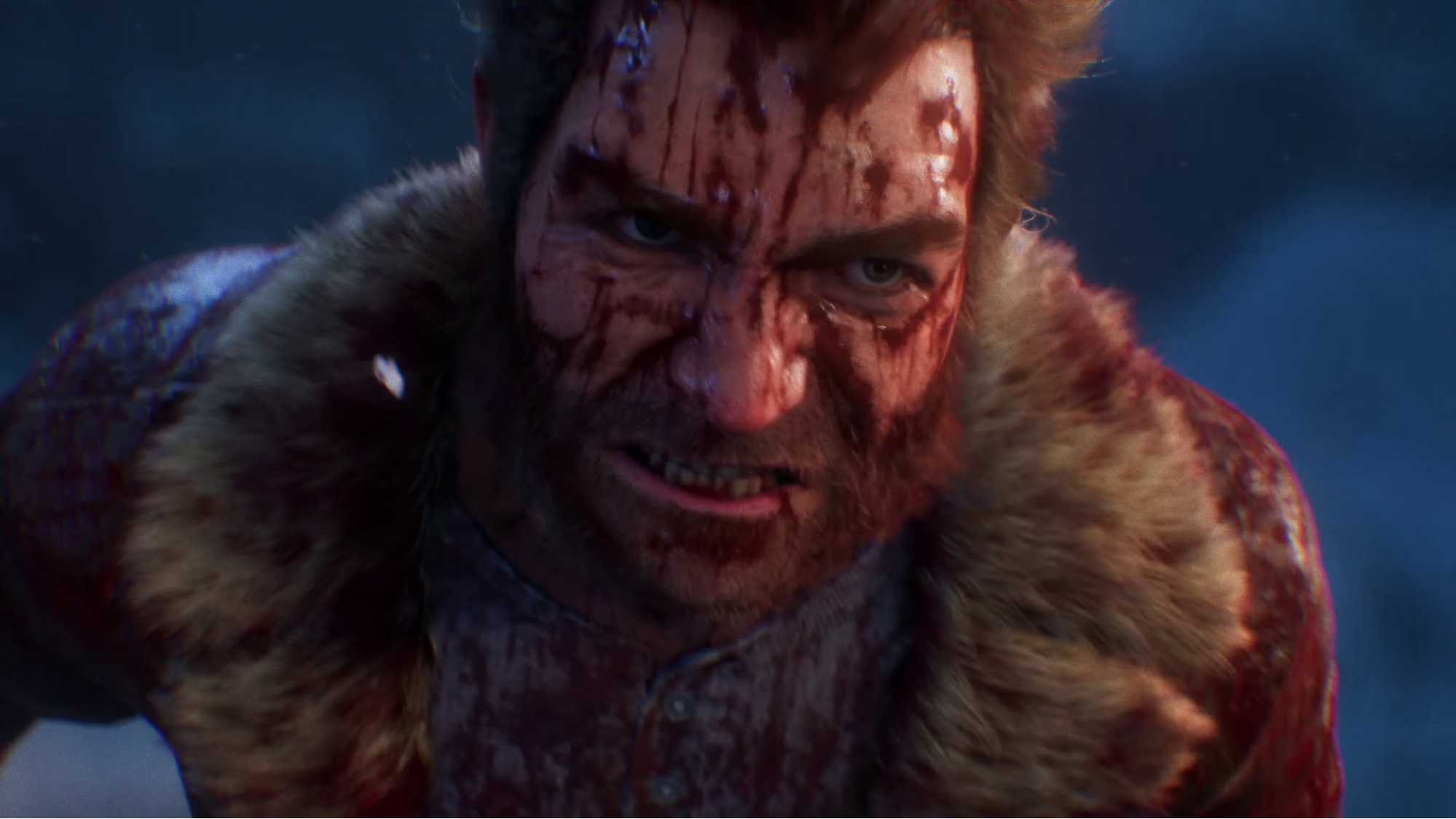
Strongest praise goes to how the story balances brutality with vulnerability. Logan is savage in combat, but quieter chapters show him as tired, reflective, and emotionally guarded. These slower moments give the narrative room to breathe and make Logan feel like a real person, not just an angry weapon.
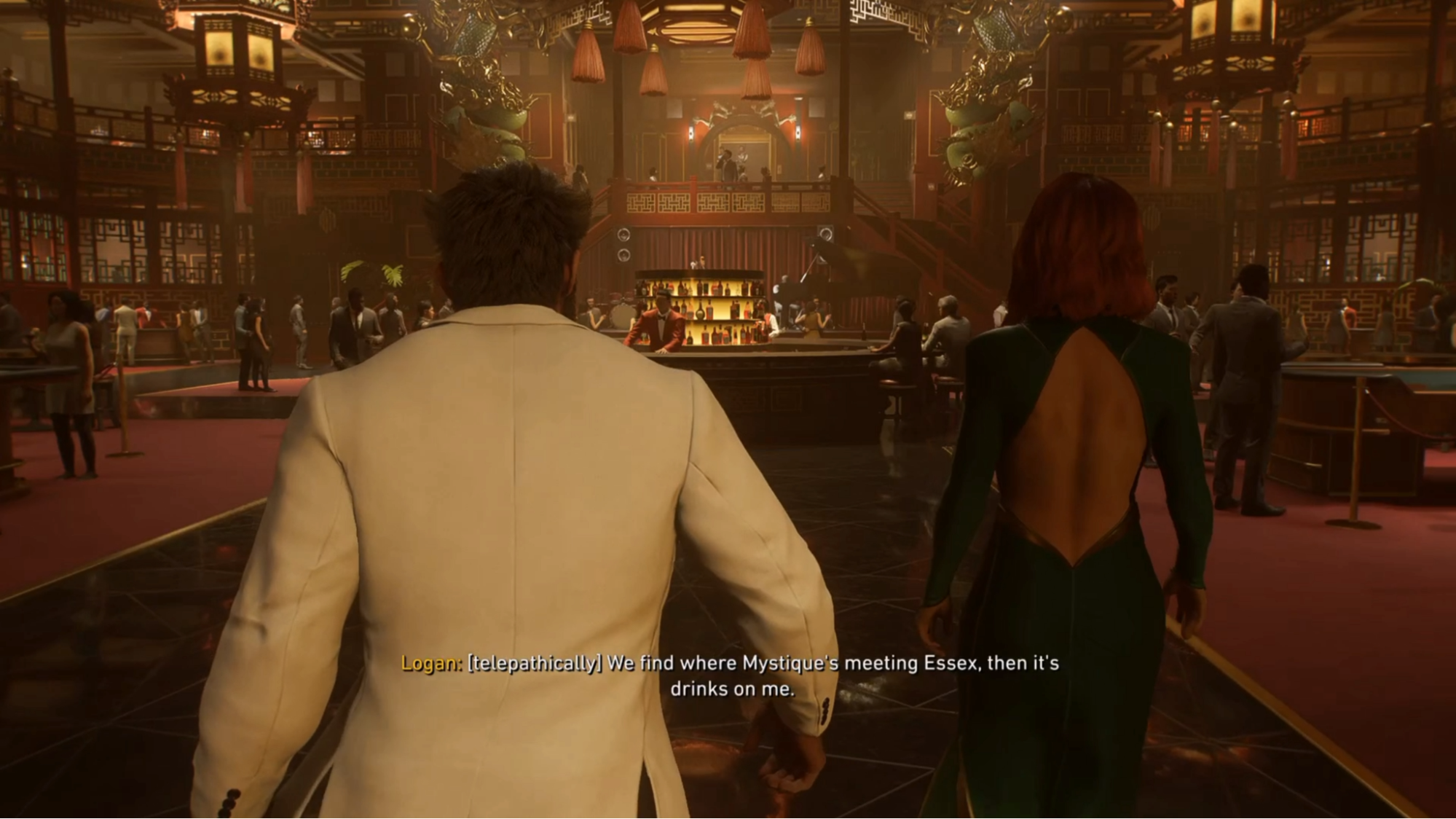
Insomniac also allows a proper romance between Jean Grey and Logan, showing how their relationship has been shaped through encounters across their lifetimes. Throw in the classic plot device of Logan having amnesia, and you have a bittersweet development between the two that isn’t afraid to end on a high note.
This duality keeps the story from feeling repetitive, with exploration, combat, and cutscenes shifting tone in a way that maintains momentum. Even when the plot becomes predictable, the emotional core remains strong thanks to Logan’s relationships, especially with Jean Grey.
Voice Acting and Performances
The performances in Wolverine are strong from start to finish. Liam McIntyre gives one of Insomniac’s best takes on Logan, offering a version that feels more worn down and inward than Hugh Jackman’s. His voice work captures both ferocity and exhaustion. He roars through combat and speaks quietly during vulnerable moments, which sells the idea that Logan is fighting himself as much as the people around him.
Krizia Bajos brings a steady, calming presence to Jean Grey. Her scenes with Logan feel lived in and shaped by shared trauma. She becomes the story's emotional center and the one person who can reach Logan when he starts to spiral.
Nicole Pacent’s Mystique adds a sharp, manipulative energy to every encounter. Her tone shifts between charm, threat, and genuine hurt, which makes her dynamic with Logan feel complicated. Brett Gipson’s Sabretooth is pure hostility. He plays the character as feral and unpredictable, and every confrontation feels personal.
Troy Baker’s Nathaniel Essex is a standout. He plays Essex with cold intelligence and quiet menace, making him feel dangerous even when he isn't physically imposing. His scenes carry a constant sense of calculation.
In contrast, Debra Wilson’s Callisto barely appears. Her delivery is strong, but the game gives her almost nothing to work with. She has very few moments to stand out, which feels like a missed opportunity given her talent.
Facial animation and cutscene direction help every performance land. Small expressions like Logan hesitating at a familiar doorway, Jean showing concern when he reacts to a memory, or Mystique letting a hint of sincerity slip through make scenes feel grounded.
Even when the story slows down, the cast keeps it engaging through presence alone.
Atmosphere & Tone
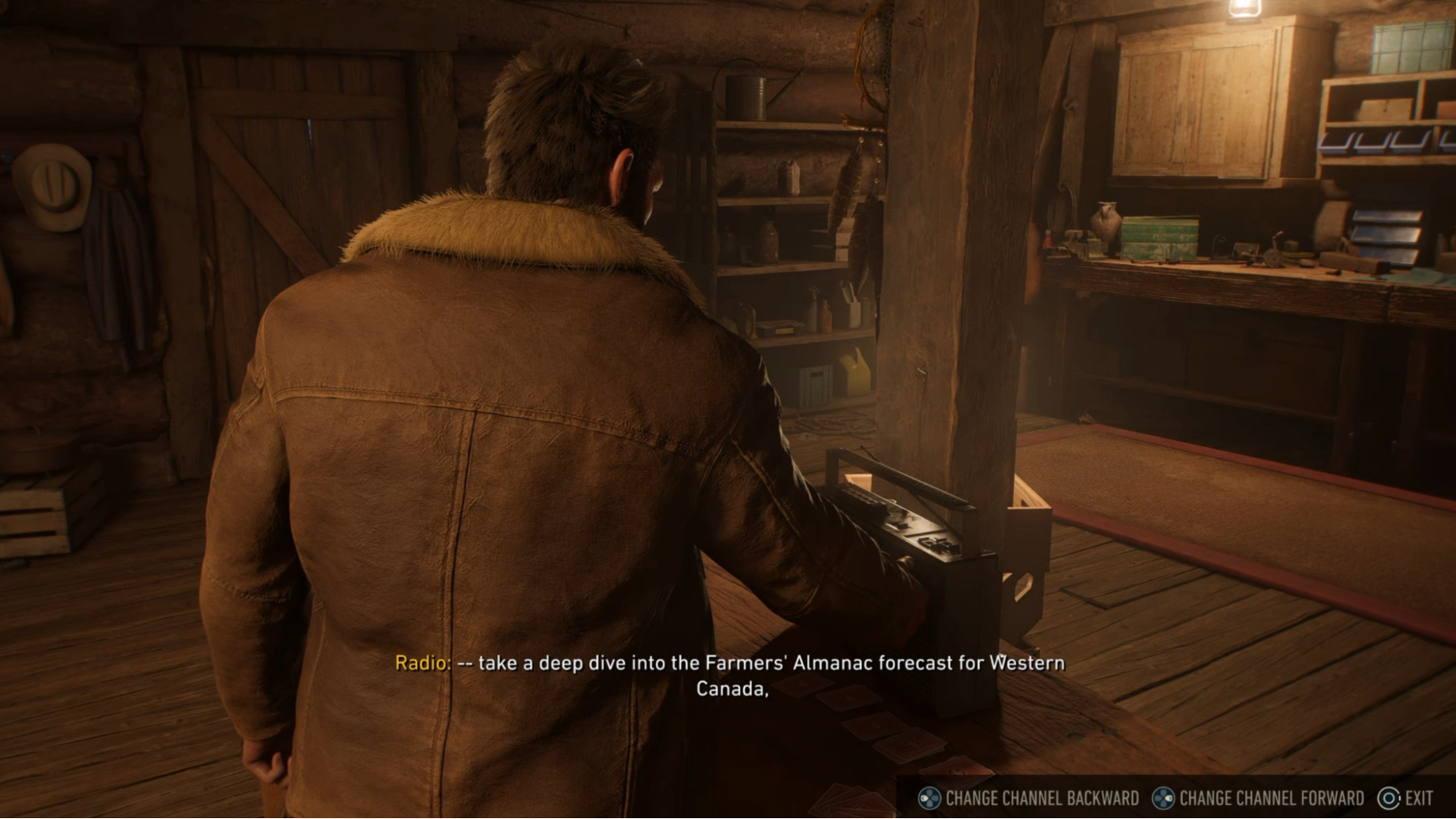
Wolverine nails its atmosphere from the first chapter. The world feels hostile, cold, and dangerous, not because of enemy density, but because of how environments are designed. Canada’s wilderness is quiet and oppressive, with snow‑covered forests that feel more like a prison than a refuge.
Madripoor’s shanty villages are grimy and chaotic, filled with neon lights reflecting off puddles and smoke drifting through narrow alleys. Tokyo’s streets are slick with rain and lit by harsh signage, creating constant tension.
Lighting plays a huge role in the tone. Moonlight cutting through broken windows, flames flickering across metal corridors, and heavy shadows swallowing entire rooms all reinforce the game’s bleak mood. The soundtrack leans into industrial ambiance, with low drones, metallic clanks, and distorted synths that make every environment feel uneasy.
Environmental storytelling is another strength. Abandoned labs contain scattered notes, claw marks, broken restraints, and half‑destroyed machinery that hint at the horrors Logan endured. Team X hideouts are filled with personal items, old photos, and mission logs that flesh out relationships without needing explicit dialogue.
These details make the world feel authentic and emotionally charged. The tone never breaks. Even during quieter moments, the game maintains a sense of heaviness that fits Logan perfectly. It’s one of the most atmospheric Marvel games to date.
Lows
Lacks Combat Depth and Evolution
Combat feels heavy and satisfying at first. Claw strikes land with real force, dodges feel responsive, and the Rage system encourages aggressive play.
Early encounters are exciting because they show how destructive Logan can be. You tear through armor, break environmental cover, and finish enemies with brutal takedowns that match the tone of the story.
The problem is that the combat does not grow in meaningful ways. Once you understand the basic loop of dodge, strike, build Rage, and unleash, the game rarely asks you to think beyond that rhythm. Enemy types do not push you to adapt.
Most encounters boil down to clearing waves of soldiers or mutants that follow similar patterns. Even larger enemies rely on predictable attacks that don't change the flow of combat.
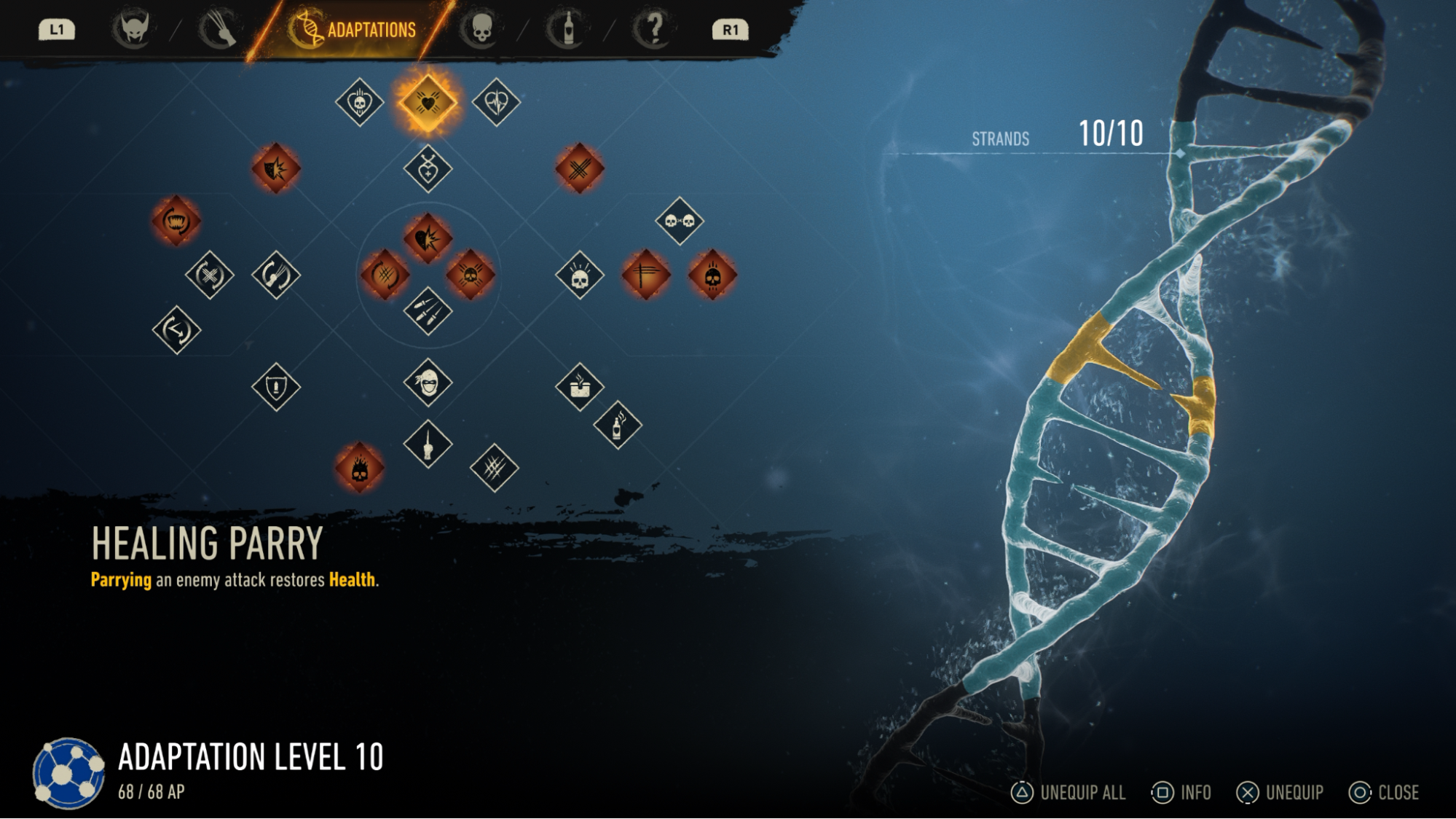
The skills unlocked add to the issue. Most upgrades just add moves that should be part of the core vanilla kit, or are passive bonuses in the Adaptations tree. You unlock a few new abilities, but they do not change how you approach fights.
Logan feels almost identical in the final chapters as he does in the opening hours, especially as there are no damage or speed upgrades as you level up, as Insomniac’s Spider-Man Trilogy has. There is no buildcrafting, no branching combat styles, and no systems that reward experimentation.
Boss fights help break up the repetition, but they rely more on spectacle than depth. Most, not all, look great and feel intense, but they often fall back on simple patterns that repeat until the fight ends. Some of them also don’t match the combat systems, as you cannot build up or sustain your rage meter as you can during normal combat, so you’re locked out of some of your abilities.
By the time the credits roll, combat feels like it has been repeating the same ideas without ever evolving into something more complex or strategic.
Linear Structure
Insomniac’s work on the Spider-Man games has been extraordinary in how it presents a realistic, open-world New York that acts as a sandbox for the player to explore the Spider-Men’s traversal and combat powers. There are main missions, side missions, bases to take down, citizens to save, many collectibles to find, challenges to do, and many other recurring but entertaining tropes found in open-world games.
Wolverine, however, feels like Insomniac took Spider-Man, removed all the open-world mechanics, and kept only the combat arenas and slow-walking segments. Every Spider-Man game has been criticized for these slow-walking parts, where you stealth as Mary Jane, or Peter or Miles out of the suit, yet Insomniac still includes them.
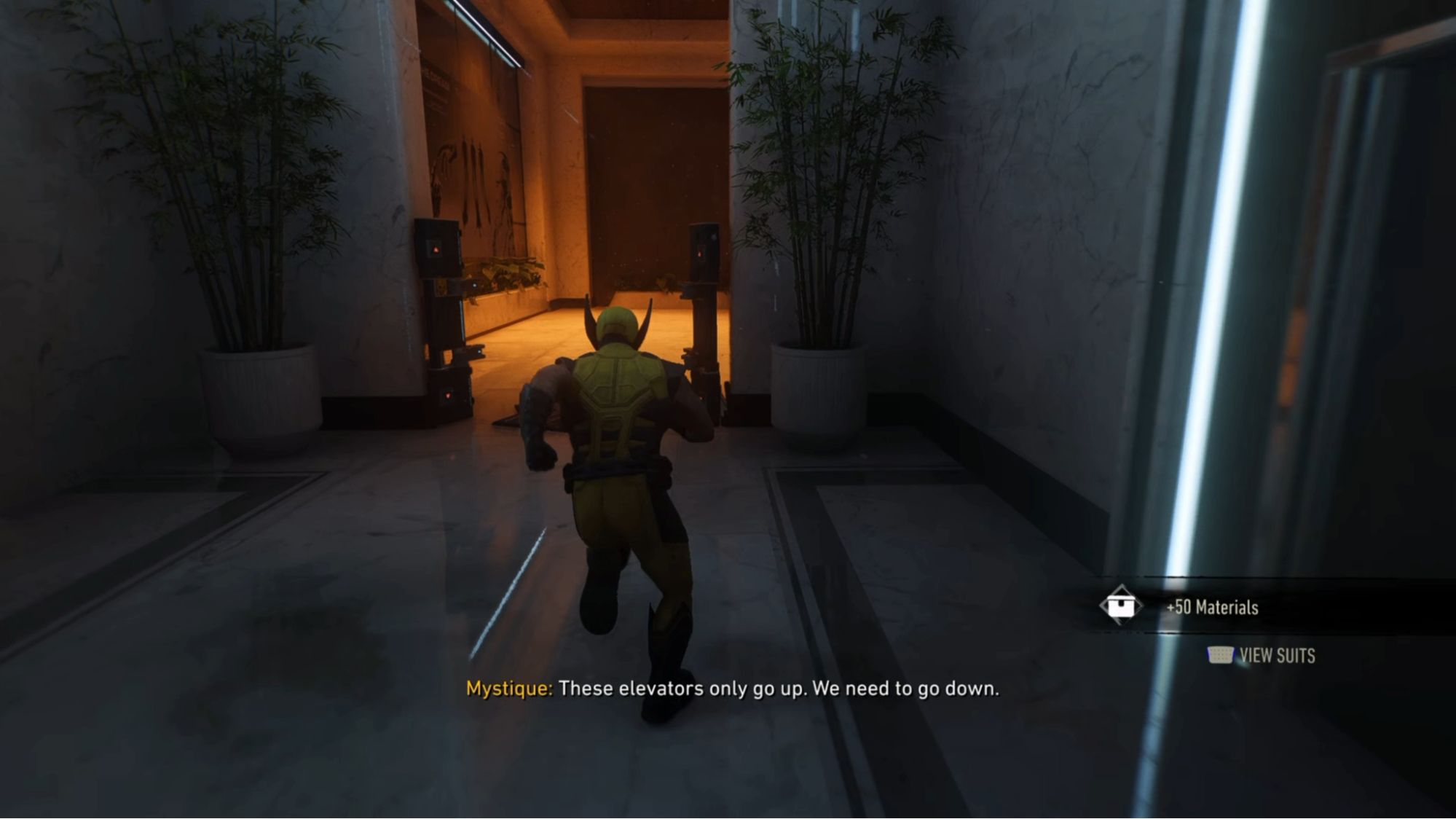
Wolverine is a very linear game. Every mission pushes you down a single path with almost no room to explore or approach situations differently. Optional areas are tiny and usually contain a collectible or a lore note. They do not change how you play or how the story unfolds.
The game also relies heavily on visual handholding. Scent trails guide you through missions with bright markers that remove any sense of investigation. White paint, white cloth strips, and obvious interaction markers appear on nearly every surface.
They highlight climbable ledges, breakable walls, and even basic walkable paths. This constant signposting makes exploration feel automatic rather than intuitive.
The one exception is the Tokyo chapter. This area offers small branching paths and pockets of exploration that let you approach encounters from different angles. It is not fully open, but it shows how much more interesting the game becomes when it gives players freedom.
Wolverine would have benefited from more sections like this, or even a full open world structure that lets Logan move and hunt on his own terms.
Wolverine feels like the studio went all in on what players complain about most. Long stretches of slow walking and tightly scripted dialogue replace the sense of movement and discovery that defines Spider-Man, but it's completely absent here.
Once the campaign ends, there's little reason to return. No side missions, no alternate routes, and no systems encourage revisiting areas. The game feels guided rather than discovered, and that makes it feel smaller than expected for a character like Wolverine.
Restrictive Mechanics and Scope
Wolverine is polished and atmospheric, but surprisingly small in scope. The game focuses almost entirely on its main story and offers very few systems outside of combat. Character progression is light and does not allow meaningful customization.
Logan plays the same at the end of the game as he does in the first few hours, aside from more abilities to dump on cooldown. There are no builds, no alternate playstyles, and no mechanics that let you shape Logan into something different.
Traversal is simple and adds no variety. You move through environments straightforwardly, with basic climbing and occasional scripted interactions. No movement abilities change how you navigate the world, making exploration flat and predictable.
Optional content is minimal. A few challenges and collectibles exist, but they offer no meaningful rewards or gameplay variety. You can undergo “Nightmare missions”, which act as combat encounters, traversal races, or gauntlet runs. Each gives you some points to unlock passive bonuses and a forgotten memory.
During missions, you can also find bottles of whiskey, which do the same as the challenges, or material crates that unlock outfits and claw types, akin to unlocking different Spider-Man suits for Peter and Miles.
But aside from that, there are no side missions, no hub areas, and no systems that encourage players to spend time outside the main story. Once you finish the campaign, the game has little to offer beyond New Game Plus, which just adds four new passives to unlock.
The overall scope feels closer to a single season of a TV series than a full-scale superhero game. The focused design helps the story shine, but it also limits ambition. Wolverine’s runtime takes about 10 hours to complete, with a couple extra hours to get all the material crates and whiskey bottles. On the other end, Spider-Man 2 takes around 20 hours to complete for the story alone, with another 10 to tick off the massive amount of side content and activities.
For a character with as much history and potential as Wolverine, the experience feels smaller and safer than what many players expected. It is a somewhat polished game, but it doesn't take risks that could have made it stand out in the genre.
Our Score
6/10 (Limited Game for a Legendary Character)
Marvel’s Wolverine shines when it leans into character. The story has real weight, built around Logan’s fractured past and the people who shaped him. The performances carry that emotional core with ease.
The problem is that everything outside those strengths feels restricted. Combat hits hard but never grows. The same loop repeats from the opening hours to the final chapter, and the skill tree does little to change how fights play out.
The linear structure makes this even more noticeable. Most missions feel like narrow corridors with heavy handholding through scent trails, white paint, and white cloth markers. Exploration rarely matters, and traversal never becomes interesting.
The very few branching paths and small pockets of freedom in Tokyo show how much more engaging Wolverine could have been if it embraced exploration. Instead, the rest of the game feels like Spider-Man with the open world removed.
The limited systems and small scope reinforce the feeling that the game never fully commits to its potential. Logan does not grow mechanically, optional content is almost non-existent, and the world offers little reason to return once the story ends. For a character as iconic as Wolverine, the experience feels smaller and safer than it should.
All in all, it’s baffling to see how this game had a budget of $305M, one matching Spider-Man 2 and much larger than Spider-Man (2018) or Miles Morales. On top of that, the short runtime and limited scope of the game don’t justify its high, full-priced AAA purchase price, and many players should wait for a sale before buying this one.
However, even with these issues, the game still has value. Fans of Wolverine will appreciate the focus on character, and players who enjoy tightly directed linear games will find a consistent tone and strong performances.
Marvel’s Wolverine delivers strong storytelling, excellent performances, and a powerful atmosphere, but shallow combat, strict linearity, and limited ambition hold it back. It is a solid character piece that never becomes the action game it could have been.
Reviewed by Jack Briggs (originally published September 21, 2026)