Looking for all the major Valheim updates since Early Access? You've come to the right place. The game first launched into Early Access in 2021 and has changed significantly in the years since. What originally started with six playable biomes has gradually expanded with new areas, bosses, enemies, weapons, armor, building options, food systems, merchants, and entirely new ways to play the game.
Major updates such as Hearth & Home, Mistlands, Ashlands, and The Bog Witch didn't just add more content. Many of them introduced new mechanics or expanded existing progression systems, while smaller updates filled existing biomes with additional enemies, dungeons, equipment, and activities.
With Valheim 1.0 completing the game's Early Access journey, this is a good time to look back at how the game has evolved since its original release.
In this guide, we'll go through every major Valheim update in release order, explain the most important content each one added, and cover how those additions became part of the Valheim we play today.
Hearth & Home
Released in September 2021, Hearth & Home was Valheim's first major content update after its Early Access launch. Rather than introducing an entirely new biome, the update focused on expanding and reworking several of the systems players interacted with throughout the entire game.
The biggest changes were made to Food, Combat, and Building, alongside new weapons, shields, cooking options, furniture, and other content.
Food and Stamina Were Reworked
One of the most important changes in Hearth & Home was a major overhaul of the Food system.
Food became more clearly divided between options that primarily provide Health and those that primarily provide Stamina. This made your choice of food much more important, as players could build their food setup around what they were planning to do.
A combat-focused setup could prioritize additional Health, while exploring, building, or using stamina-heavy weapons could benefit from more Stamina-focused foods.
The update also expanded cooking with new recipes and cooking station upgrades, giving food progression a much larger role throughout the game.
Blocking and Shields Were Changed
Hearth & Home also reworked blocking and staggering.
Your ability to block attacks became more closely connected to your maximum Health, making food selection directly relevant to defensive combat. Shields were also given clearer roles, with different shield types better suited to either blocking or parrying.
This further connected Valheim's food system with combat. Your equipment was no longer the only factor determining how effectively you could defend yourself.
New Weapons and Combat Options
Several new pieces of equipment were introduced, including the Crystal Battleaxe, Silver Knife, Bone Tower Shield, and Iron Buckler.
The update also made broader adjustments to weapon balance and combat mechanics, giving players additional reasons to experiment with different weapon and shield combinations.
Building Was Greatly Expanded
As the name suggests, Hearth & Home significantly expanded Valheim's building system.
Players received numerous new construction and decoration options, including additional Darkwood building pieces, furniture, windows, and decorative objects. This gave players considerably more freedom when creating larger or more detailed settlements.
The update also introduced the Cartography Table, allowing players to share discovered map information with other players. This was particularly useful for multiplayer worlds where different players frequently explored separately.
Cooking Became More Important
Cooking progression received much more attention as part of the update.
New foods were introduced alongside additional cooking equipment, including the Stone Oven, which allowed players to prepare new types of late-game food. The Cauldron also gained upgrades, creating a more substantial progression system around cooking instead of having practically every recipe available from the same basic station.
Hearth & Home ultimately established many of the systems that modern Valheim players now take for granted. Food specialization, expanded cooking progression, more defined shield roles, and the much larger selection of building pieces all trace back to this update.
Abomination and Root Armor Update
Following Hearth & Home, Valheim received a smaller content update in November 2021 that expanded the Swamp with a new enemy and a new armor set.
While much smaller than Hearth & Home, this update was an early example of Iron Gate returning to existing biomes and adding more reasons to explore them.
The Abomination
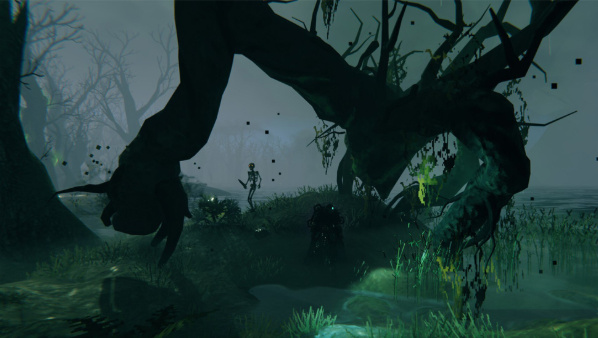
The biggest addition was the Abomination, a large tree-like enemy that can emerge from the ground while exploring the Swamp.
Abominations gave the biome another major enemy to deal with outside of Sunken Crypts. Unlike most of the smaller creatures found throughout the Swamp, they have a large health pool and powerful melee attacks, making them a significant threat when first entering the biome.
Defeating an Abomination rewards Root, a new crafting material introduced specifically for the equipment added alongside it.
Root Armor
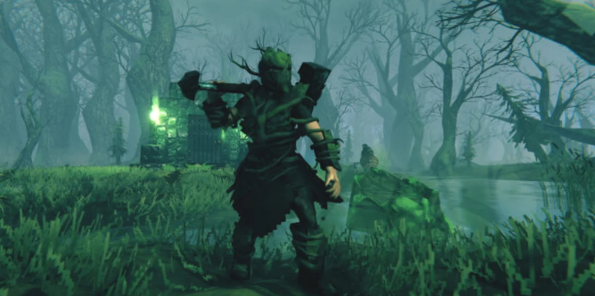
Root can be used to craft the Root Armor set, consisting of the Root Mask, Root Harness, and Root Leggings.
Rather than simply providing another conventional armor upgrade, the set introduced several useful bonuses. Most notably, different pieces provide benefits such as Poison resistance and Pierce resistance, while wearing the complete set also improves your Bow skill.
This gave Bow-focused characters a specialized armor option and made the Abomination worth hunting even after players had already progressed through much of the Swamp.
The Root Harness in particular remained useful far beyond the Swamp because of its resistance to Pierce damage, giving the set a purpose beyond simply being another step in normal armor progression.
Expanding Existing Biomes
The Abomination update was relatively small, but it established something that Iron Gate would continue doing throughout Early Access. Existing biomes could receive additional enemies, equipment, dungeons, and other content without requiring an entirely new biome.
The next update would expand on this idea much further with Frost Caves, which added an entirely new dungeon type to the Mountains.
Frost Caves Update
Released in February 2022, the Frost Caves update expanded the Mountains with an entirely new dungeon type to explore. Rather than adding another biome, Iron Gate once again focused on giving an existing biome more content and a stronger identity.
The update introduced Frost Caves, new enemies and resources, the Fenris armor set, Flesh Rippers, new building pieces, and several other additions to Mountain progression.
Frost Caves
The biggest addition was naturally the Frost Caves themselves.
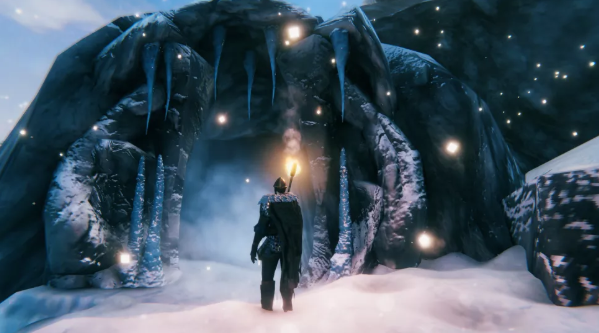
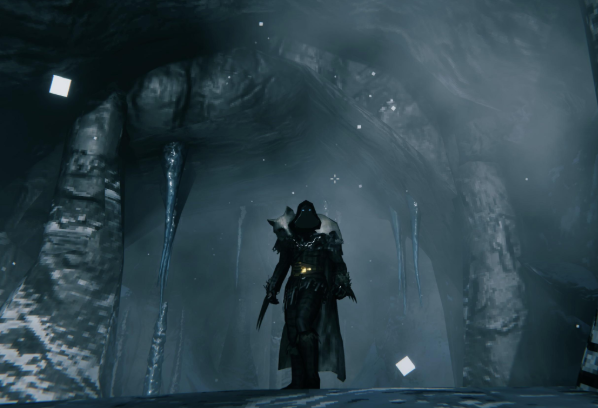
These underground dungeons can be found throughout the Mountains and contain their own rooms, passages, enemies, resources, and points of interest. This gave the Mountains a proper dungeon experience and provided another reason to thoroughly explore the biome instead of primarily searching for Silver and preparing for Moder.
One important detail for existing worlds was that new world-generated content such as Frost Caves could only appear in previously unexplored areas. This is a general rule Valheim continues to use for major world-generation additions.
New Enemies
Frost Caves introduced several enemies that were unique to these new dungeons.
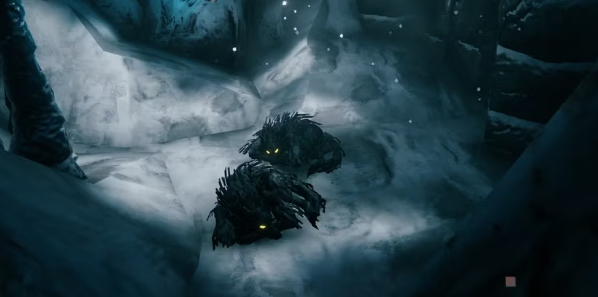
Ulvs are aggressive wolf-like creatures that can quickly overwhelm players in close quarters, while Cultists introduced a much more dangerous humanoid enemy capable of using fire attacks.
The caves also contain Bats, which later became one of the creatures players could encounter outside the Mountains through events.
Together, these enemies made exploring Frost Caves feel considerably different from fighting Wolves, Drakes, and Stone Golems on the surface.
Fenris Armor
One of the biggest rewards for exploring Frost Caves is the Fenris armor set.
Rather than competing with heavier armor through raw protection, Fenris equipment provides a much lighter alternative focused on mobility. Wearing the complete set increases your movement speed and provides additional bonuses, making it one of Valheim's more specialized armor sets.
This was important for equipment variety because armor progression no longer had to simply mean replacing your current set with something heavier that had a larger Armor value.
Flesh Rippers
The update also introduced the Flesh Rippers, a unique fist weapon crafted using materials obtained from Frost Caves.
Flesh Rippers gave players a dedicated option for the Fists skill and fit naturally alongside the Fenris equipment, creating an entirely different close-range playstyle compared to the conventional Swords, Maces, Axes, and Spears already available.
New Resources and Building Options
Exploring Frost Caves also introduced new resources such as Fenris Hair, Fenris Claws, and Red Jute.
These materials weren't only used for equipment. Frost Caves also expanded the decorative side of building with new pieces and furniture, giving players additional reasons to continue exploring caves even if they weren't interested in using the Fenris equipment.
A Much Larger Mountain Biome
Frost Caves continued the approach started with the Abomination update. Instead of immediately moving on to another biome, Iron Gate went back and added additional content to an area that already existed.
The difference was scale. Frost Caves added an entire dungeon experience with exclusive enemies, resources, equipment, and rewards, making the Mountains substantially more varied than they had been at Early Access launch.
After Frost Caves, we finally get to the first full new biome update since Valheim launched: Mistlands. Iron Gate lists Mistlands development as running from March through December 2022.
The Mistlands
Released in December 2022, Mistlands was the first complete new biome added to Valheim after its Early Access launch. It was also by far the largest update the game had received at the time, introducing an entirely new stage of progression alongside new enemies, equipment, crafting systems, building pieces, food, a new boss, and even the introduction of magic.
However, the Mistlands had actually existed in Valheim long before the update was released.
The Original Mistlands
When Valheim first launched into Early Access, the Mistlands already existed as one of several unfinished biomes that could generate throughout the world.
Unlike the Mistlands we know today, this original version contained no proper progression, enemies, boss, or biome-specific equipment. Players could explore it, but there was very little reason to do so.
Its appearance was also completely different.
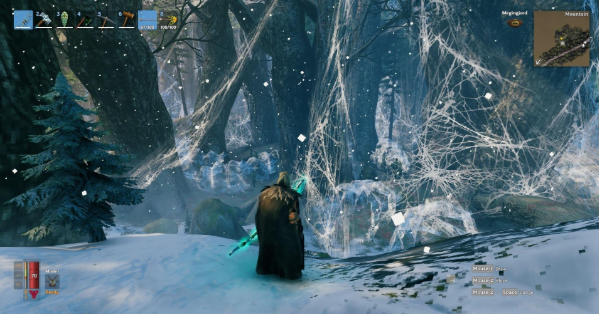
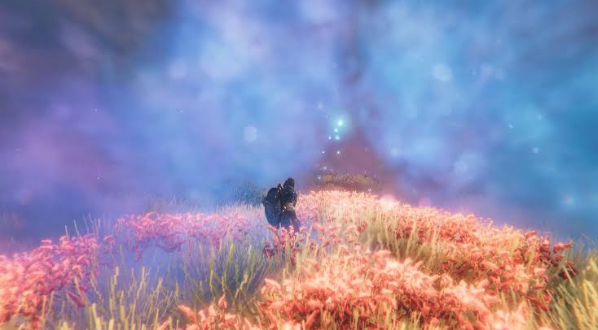
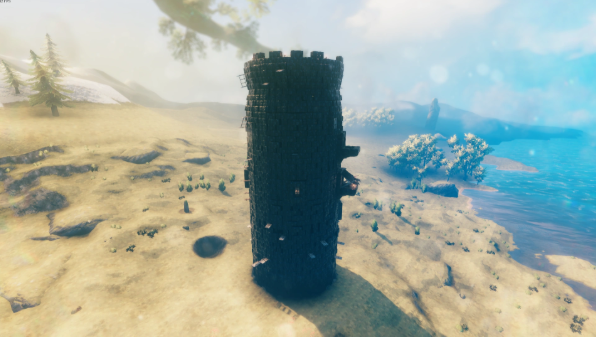
The original Mistlands had a much darker and more ominous atmosphere, filled with enormous ancient trees, roots, and giant cobwebs covering the landscape. The environment almost suggested that the biome would eventually have a much stronger spider theme.
This version was essentially placeholder content, and Iron Gate eventually decided to redesign the biome rather than simply filling the existing environment with enemies and resources.
Redesigning the Mistlands
Development of the finished Mistlands began taking shape after Hearth & Home. In October 2021, Iron Gate showed early experiments with new terrain and textures while explicitly warning that the landscape was not final and could change significantly during development.
By November, the developers were already showing a landscape much closer to the direction of the eventual biome, with new terrain taking shape and the biome's signature mist beginning to appear.
Development continued alongside the smaller Frost Caves update. Once Frost Caves was completed, Mistlands became the team's primary focus. Iron Gate's development timeline places its main development period between March and December 2022.
By early 2022, Iron Gate stated that the biome's core concept had been established. The team had decided what kind of inhabitants it wanted and had moved on to creating enemies, building pieces, and defining the new gameplay mechanics that would eventually distinguish Mistlands from the previous biomes.
From Giant Trees to Mist-Covered Peaks
The finished biome ended up being almost completely different from its original placeholder version.
Instead of enormous trees and webs, the redesigned Mistlands became a landscape of towering rocky peaks, deep valleys, ancient structures, and dense magical mist that heavily restricts visibility.
The mist wasn't simply an aesthetic change either. It became one of the biome's defining gameplay mechanics, forcing players to find ways of clearing the mist around themselves while exploring.
This represented a change in how Valheim approached biome design. Mistlands wasn't simply another environment containing stronger enemies and better resources. The environment itself became one of the primary obstacles players had to overcome.
A Long-Awaited Update
Mistlands ultimately spent around nine months in its main development phase. Iron Gate released it to the Public Test branch in November 2022, followed by the full release on December 6, 2022.
After several smaller updates that expanded existing systems and biomes, Mistlands marked a major milestone for Valheim. It was the first completely new biome added since the game's Early Access launch and introduced the next full stage of progression after the Plains.
What the Mistlands Update Added
Mistlands was much more than a new biome. It introduced an entirely new stage of progression with its own resources, crafting stations, enemies, dungeon, food, equipment, building materials, and boss.
At launch, the update contained 9 new creatures plus a boss, more than 20 crafting materials, over 25 craftable weapons, armor pieces, and tools, 15 foods, 3 potions, two major crafting stations, and more than 35 new building and furniture pieces.
More importantly, several completely new gameplay systems arrived alongside the biome, including Eitr and magic, Crossbows, new resource-processing systems, and the Mist itself as a central exploration mechanic.
The Mist and Wisplight
The defining mechanic of the new biome was the Mist itself.
Large portions of the Mistlands are covered by extremely dense mist that heavily restricts your vision. Simply entering the biome with better Plains equipment wasn't enough to comfortably explore it.
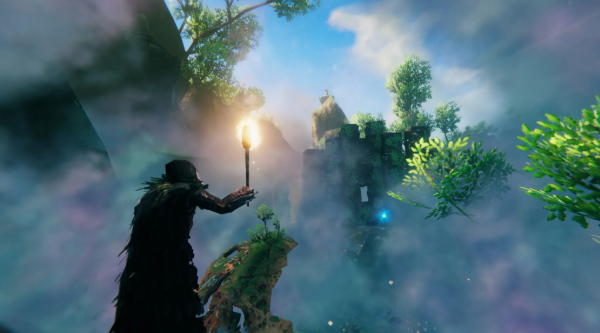
Progressing past Yagluth gives players access to the Wisp Fountain, which can produce Wisps. These can then be used to create a Wisplight, which follows the player and temporarily pushes away nearby mist.
Wisps can also be used to construct Wisp Torches, allowing players to permanently clear small areas around bases, paths, and other important locations.
This made visibility itself part of Mistlands progression rather than the biome simply being another increase in enemy difficulty.
New Enemies and the Dvergr
The Mistlands introduced an almost completely new collection of creatures.
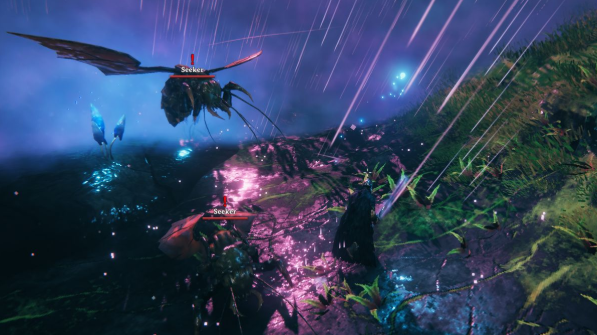
The primary enemies are the insect-like Seekers, including regular Seekers, Seeker Broods, and the much larger Seeker Soldiers. Players also have to contend with Ticks and the flying Gjall, which can attack from above and release Ticks during combat.
Not everything in the Mistlands is immediately hostile, however.
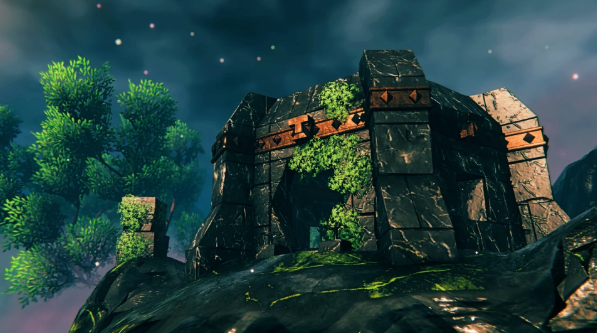
The update introduced the Dvergr, one of Valheim's first major friendly NPC factions. Dvergr can be encountered occupying towers and other structures throughout the biome and will normally leave the player alone unless provoked.
This created encounters where fighting everything you encountered wasn't necessarily the correct choice.
Infested Mines and Black Cores
Mistlands also introduced a new dungeon called the Infested Mine.
These dungeons are filled with Seekers and other dangers, but exploring them is an important part of progressing through the biome. One of the most important resources found inside is the Black Core.
Black Cores are required for the Mistlands' new crafting infrastructure, including the Black Forge and Galdr Table.
The mines also contain Sealbreaker Fragments. These eventually become important when preparing to challenge the biome's boss.
This continued Valheim's familiar dungeon progression, but with considerably more important crafting systems locked behind dungeon exploration.
The Black Forge
The Black Forge became the primary crafting station for much of the new conventional Mistlands equipment.
It introduced a large selection of weapons, including options such as the Mistwalker, Jotun Bane, Krom, Skoll and Hati, Carapace Spear, Himmin Afl, Demolisher, Spine Snap, and Arbalest.
The Arbalest was particularly notable because it introduced Crossbows as a completely new weapon type, complete with its own Crossbows skill.
Players could also craft Carapace Armor, alongside the Carapace Shield and Carapace Buckler, providing a new conventional heavy equipment tier for players progressing beyond the Plains.
Magic and Eitr
Probably the biggest mechanical addition in Mistlands was Magic.
Before this update, Valheim's combat was almost entirely based around conventional melee weapons and ranged weapons such as Bows. Mistlands introduced Eitr, effectively adding a new resource that functions similarly to Mana in a traditional RPG.
Players gain maximum Eitr by consuming specific foods, just as normal foods increase maximum Health and Stamina.
This meant food builds could now prioritize three different resources:
Health, Stamina, and Eitr.
Magic also introduced two entirely new skills, Elemental Magic and Blood Magic.
The Galdr Table and Magic Weapons
Magic equipment is primarily created through the new Galdr Table.
Mistlands originally introduced four magical weapons: the Staff of Embers, Staff of Frost, Staff of Protection, and Dead Raiser.
Elemental Magic gave players direct offensive spells using Fire and Frost, while Blood Magic introduced a very different style of play centered around protection and summoned allies.
The Dead Raiser, for example, allows the player to summon a Skeleton ally, while the Staff of Protection can provide a magical protective barrier.
The update also introduced the Eitr-weave armor set, which sacrifices much of the protection offered by heavier armor in exchange for improving Eitr regeneration.
For the first time, Valheim effectively had a proper mage playstyle rather than magic being limited to occasional weapon effects or Forsaken powers.
Refined Eitr and New Resource Progression
Actually crafting this new equipment required another production chain.
Players could extract Sap from Ancient Roots using a Sap Extractor. Soft Tissue could also be obtained within the Mistlands, including from the enormous remains of ancient Jotunn scattered throughout the biome.
These resources could then be processed using the new Eitr Refinery to produce Refined Eitr, an important material for advanced Mistlands equipment.
This gave Mistlands its own resource-processing progression rather than simply introducing another metal that needed to be placed inside a Smelter.
New Food and Farming
Food progression received another major expansion.
The Mistlands introduced Magecap and Jotun Puffs, two mushrooms that could also be cultivated by the player. These ingredients became part of several new recipes, including foods designed specifically around the new Eitr system.
New meals included Misthare Supreme, Meat Platter, Mushroom Omelette, Yggdrasil Porridge, Seeker Aspic, Salad, Fish 'n Bread, Honey Glazed Chicken, and Stuffed Mushroom.
The update also introduced chickens and hens. Players could obtain eggs, hatch them, raise chickens, and create another renewable source of food at their bases.
Together with the new Cauldron extension, Mistlands substantially expanded both farming and late-game cooking.
Black Marble and New Building Pieces
Builders also received a huge amount of new content.
Black Marble became one of the major new construction materials, with an entire collection of floors, walls, stairs, columns, arches, and decorative pieces built around it.
The update also added spiral staircases, additional Darkwood and Iron beams, Dvergr-inspired furniture, blue jute decorations, new defensive structures, traps, and the Ballista.
In total, Mistlands launched with more than 35 new building and furniture pieces, making it one of the largest building expansions since Hearth & Home.
The Queen
At the end of Mistlands progression waited The Queen, the biome's new Forsaken boss.
Reaching her required exploring Infested Mines and collecting Sealbreaker Fragments, which could be combined into the Sealbreaker required to access her lair.
The Queen represented the final challenge of the Mistlands and completed the new progression stage that had been missing from Valheim since its Early Access launch.
She also became Valheim's sixth Forsaken, following Eikthyr, The Elder, Bonemass, Moder, and Yagluth.
The Fishing Overhaul
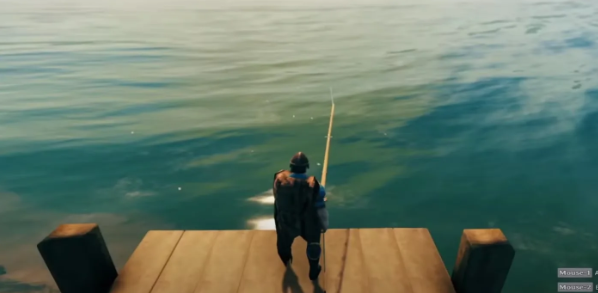
Mistlands wasn't limited entirely to the new biome either. The update included a significant overhaul of Fishing.
Fishing became its own skill; different fish species were spread throughout the game's biomes, fish could appear at different sizes, and new types of bait were introduced for catching different fish.
Fish could also be picked up, placed on Item Stands, and processed into Raw Fish for cooking.
This expanded Fishing from a relatively simple side activity into a more substantial progression system with biome-specific fish and bait.
Why Mistlands Was Such an Important Update
Mistlands was the point where Valheim's post-launch updates became significantly more ambitious.
Hearth & Home had reworked existing systems, while Abominations and Frost Caves expanded existing biomes. Mistlands instead added an entirely new endgame progression tier and introduced systems that fundamentally expanded what a Valheim character could be.
Magic, Eitr, Crossbows, friendly NPCs, new resource-processing systems, new farming options, a new dungeon, new building materials, and an entirely new biome all arrived in the same update.
It established the template that Valheim's later major biome updates would continue to build upon.
Hildir's Request
Released on August 22, 2023, Hildir's Request was the next major Valheim update following Mistlands. Instead of adding another biome, the update returned to the existing world and added new locations, minibosses, equipment, quality-of-life improvements, and a second merchant.
More importantly, Hildir's Request introduced World Modifiers, giving players much more control over the difficulty and rules of their worlds.
Hildir and Her Request
The main addition was Hildir, a new merchant and the sister of Haldor.
Unlike Haldor, Hildir doesn't immediately have her entire inventory available when you find her. Much of her stock was stolen during her journey through Valheim, and recovering it became the basis of the new quest.
Players have to locate special dungeons scattered throughout the world, defeat the minibosses found inside, and return Hildir's missing chests to her. Doing so gradually expands the selection of items she has available for purchase.
Three New Dungeons
Hildir's Request introduced three new dungeon locations spread across different stages of the game:
Smouldering Tombs can be found in the Black Forest.
Howling Caverns appear in the Mountains.
Sealed Towers can be found in the Plains and function as large open dungeons rather than the more traditional enclosed dungeon layouts.
Each dungeon contains one of the update's three new minibosses, which must be defeated to recover Hildir's missing cargo.
This was a relatively small addition compared to an entirely new biome, but it gave players new reasons to revisit areas they may have already completed.
New Clothing and Rewards
Returning Hildir's cargo expands her inventory with new clothing and other items.
The update added 10 hats and headscarves and 14 dresses and tunics, giving players considerably more cosmetic options outside of conventional armor. Hildir's clothing was also given a practical purpose, reducing the Stamina consumed when using the Hammer, Hoe, and Cultivator.
Hildir's Request also introduced a Barber Station, alongside eight new hairstyles and five new beard styles.
This made the update much more focused on character customization than previous major updates.
World Modifiers
One of the most important additions had very little to do with Hildir herself.
World Modifiers allowed players to customize many of the fundamental rules of their Valheim world without relying on mods.
Players could choose presets or individually adjust settings affecting things such as combat difficulty, resource rates, raids, portals, death penalties, and other aspects of progression. This allowed the same game to support much more varied playstyles.
Players looking for a more relaxed survival experience could reduce some of Valheim's harsher mechanics, while experienced players could create significantly more punishing worlds.
Iron Gate even celebrated the feature with the Trial of Tyr, a competition built around completing Valheim solo and deathless using the new Hard difficulty.
Quality-of-Life and Building Improvements
Hildir's Request also contained several smaller changes that became permanent quality-of-life features.
A Quick Stack function made transferring matching items into nearby storage considerably faster, while builders gained manual snapping for more precise placement of building pieces. Hair and beards were also changed so they could remain visible while wearing helmets.
Mistlands crafting progression received a small extension as well. The update added the Vice for the Black Forge and the Unfading Candle for the Galdr Table, allowing both crafting stations to reach Level 3.
A Smaller Update With Lasting Features
Hildir's Request wasn't intended to provide another massive progression tier like Mistlands. Instead, it expanded content that was already present throughout the world while introducing several features that affected the entire game.
Hildir and her dungeons provided new objectives for existing biomes, while World Modifiers, Quick Stack, and improved building controls became useful regardless of where a player was in their progression.
At the same time, Iron Gate was already working on something considerably larger: Ashlands, the game's next full biome update.
Ashlands
After the release of Mistlands, Iron Gate began development on Valheim's next major biome, the Ashlands. Main development ran from January 2023 until May 2024, partially alongside the development of Hildir's Request.
Like the Mistlands, however, the Ashlands had technically been part of Valheim since the game first entered Early Access. What players could originally find at the southern edge of the world was very different from the biome that would eventually be released.
The Original Ashlands
In the original Early Access version of Valheim, traveling far enough south would eventually lead players into the unfinished Ashlands biome.
This early version was largely a placeholder. It featured a barren, dark landscape covered in ash and volcanic terrain, but lacked the complete progression loop that would eventually define the biome.
Players could still visit it long before the actual Ashlands update, but there was little reason to do so as part of normal progression. Much like the original Mistlands, its presence mostly provided a glimpse at an area Iron Gate intended to finish later.
Rather than simply adding enemies and resources to this existing version, Iron Gate decided to substantially redesign the biome for its eventual release.
Redesigning the Ashlands
Development properly began after Mistlands, with Iron Gate approaching Ashlands as Valheim's next complete biome.
Each of the three biomes added after the original Early Access release was intended to have its own gameplay loop, resources, enemies, craftable equipment, building pieces, and boss.
For Ashlands, the developers settled on a much more hostile identity. Rather than focusing on restricted visibility and difficult traversal like Mistlands, Ashlands would revolve much more heavily around combat and warfare.
This direction influenced almost every part of the finished biome. Ashlands eventually became filled with large groups of enemies, fortifications, siege equipment, ruined structures, and a landscape designed to feel like an active battlefield.
A More Open Development Process
Ashlands also differed from Mistlands in how Iron Gate presented its development to players.
Throughout development, the studio regularly showed concept art, enemy designs, environments, equipment, and work-in-progress features through its development blogs.
This allowed players to follow the biome as individual concepts gradually became parts of the finished update rather than seeing most of it for the first time shortly before release.
The longer development period also meant Ashlands was being worked on while smaller updates were still being released. Hildir's Request was developed from January to August 2023, while Ashlands development continued all the way until May 2024.
Creating a War-Torn Biome
One of the defining ideas behind Ashlands was that entering it should feel different from simply arriving in another unexplored biome.
The finished area was designed around a much more aggressive combat experience. Instead of occasionally encountering isolated enemies while exploring, players would frequently find themselves dealing with larger groups and more sustained fights.
The biome's structures also reinforced this theme. Fortifications and enemy strongholds became part of progression, while new siege equipment eventually allowed players to assault these locations directly.
This gave Ashlands an identity centered around conquering hostile territory, rather than simply gathering enough of a new resource to craft the next equipment tier.
Changing the Southern Edge of the World
The redesign went further than simply replacing the terrain inside the biome.
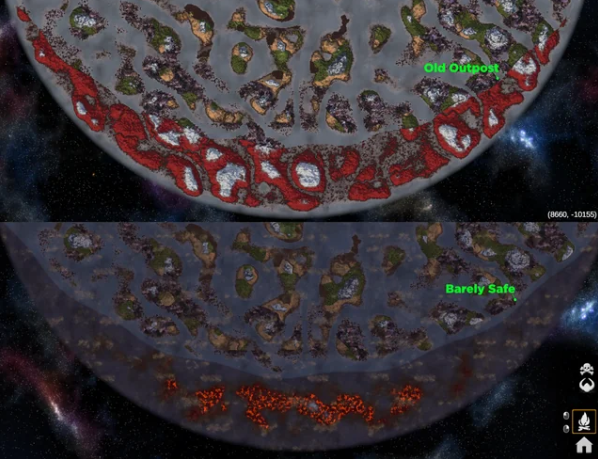
Ashlands required significant changes to world generation around the entire southern edge of Valheim's map.
The terrain surrounding Ashlands was lowered and converted into ocean, separating the biome from neighboring landmasses. As a result, the finished Ashlands became accessible only by ship.
This created an unusual problem for existing worlds.
Players who had explored the placeholder Ashlands before the update could have already generated the old terrain. Iron Gate therefore recommended exploring as little of the unfinished biome as possible and ultimately recommended starting a new world for the best experience.
The terrain changes could be particularly dramatic for players who had built bases in the far south. If terrain underneath a player-built structure was affected by the new world generation, the structure could collapse when the land was lowered into the ocean.
It was one of the more extreme examples of Valheim's Early Access development directly affecting existing worlds.
Preparing Existing Worlds for Ashlands
Iron Gate published specific guidance for players who wanted to continue using an existing world.
As with other updates, new Ashlands content would generate correctly primarily in previously unexplored areas. Players who had already extensively explored the old Ashlands risked having parts of the new biome fail to generate as intended.
The developers also advised players to defeat The Queen before traveling south.
Previously, The Queen's boss drop had effectively been a placeholder because the biome it was intended to unlock did not yet exist. With Ashlands, that item finally gained its intended purpose and became part of progression into the new biome.
This was essentially the moment when Mistlands stopped being Valheim's unfinished endpoint and became another completed step in the game's progression.
The Road to Release
After more than a year of development, Ashlands entered its final testing period in 2024 before receiving its full release in May 2024. Iron Gate's development timeline places the main development period from January 2023 through May 2024.
By this point, Ashlands had evolved far beyond the empty biome that had existed at the bottom of Valheim worlds since 2021.
Instead of simply filling that placeholder area with stronger enemies, Iron Gate had turned it into a completely new stage of progression with its own approach to exploration, combat, resource gathering, crafting, and eventually its own Forsaken.
What the Ashlands Update Added
When Ashlands finally released in May 2024, it became one of the largest updates Valheim had received.
The update added more than 30 weapons, three armor sets, two capes, over 10 new creatures, more than 30 crafting materials, 15+ foods and potions, and over 70 building pieces. It also introduced entirely new mechanics involving lava, fire, siege warfare, weapon enchantments, and new ways of traversing dangerous terrain.
More importantly, Ashlands was designed as a complete progression tier after Mistlands. Even reaching the biome safely became part of that progression.
Reaching the Ashlands
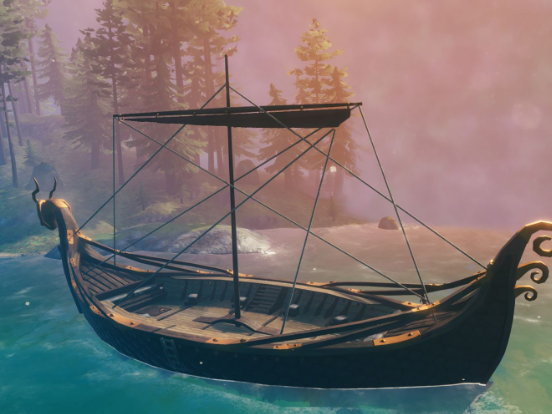
Sailing into the Ashlands with an ordinary Longship isn't a particularly good idea.
The waters surrounding the biome are boiling hot, damaging ships that aren't built to withstand them. Progression after defeating The Queen gives players access to the materials needed for the Drakkar, a new ship specifically designed for the journey south.
The approach itself is dangerous. Jagged rock formations fill the surrounding waters, while Bonemaw Serpents can attack before players even reach land.
This made the journey into Ashlands noticeably different from previous biomes. The challenge doesn't begin when you step onto the shore. It begins while trying to reach it.
Surviving the Ashlands
Once on land, Ashlands becomes much more combat-heavy than previous biomes.
The biome introduced an extensive roster of new enemies, including Charred Warriors, Charred Archers, Charred Twitchers, Charred Warlocks, Fallen Valkyries, Morgens, Voltures, Lava Blobs, and Asksvin. Redbeard Dvergr can also be encountered throughout the biome.
Many encounters involve several enemies at once, while enemy-spawning structures such as Monuments of Torment and Effigies of Malice can make an already dangerous area considerably worse.
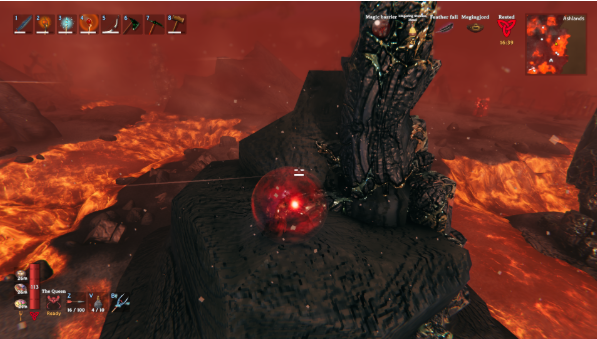
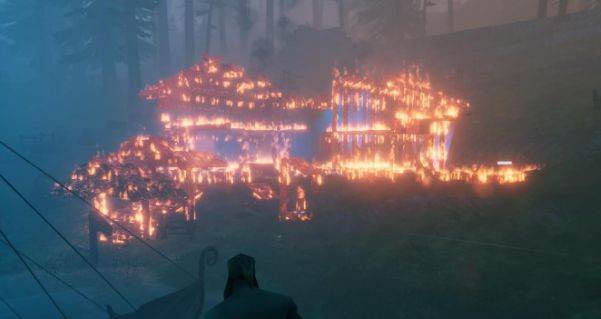
The environment itself is another enemy. Cinders fall from the sky, large areas are covered by deadly lava, and wooden structures can catch fire and spread it to nearby building pieces.
Ashlands therefore pushed Valheim further toward sustained combat. Managing stamina, positioning, enemies, and the environment at the same time became much more important than simply winning individual fights.
Lava and Flametal
The biome's primary new metal is Flametal, which became the basis for much of Ashlands' equipment progression.
Originally, Flametal was obtained from large deposits rising out of the lava. Mining these was deliberately dangerous because players had to work while surrounded by terrain that could kill them extremely quickly.
Ashlands also introduced new ways to interact with lava rather than simply making it an impassable hazard. Players can create temporary platforms across it, allowing otherwise inaccessible areas and resources to be reached.
Flametal mining itself changed after release. Iron Gate adjusted the system several times following player feedback, eventually making the deposits substantially less prone to sinking while also changing their resource yield.
Charred Fortresses and Siege Warfare
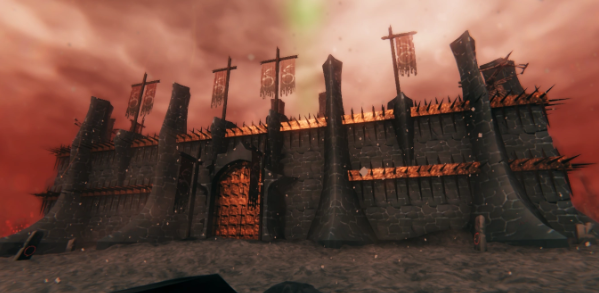
One of Ashlands' biggest departures from previous Valheim progression was the introduction of Charred Fortresses.
Instead of entering another traditional dungeon, players encounter heavily fortified enemy strongholds in the open world. Getting inside isn't simply a matter of finding the entrance.
Ashlands introduced two siege machines that can be used to attack these fortifications: the Battering Ram and Catapult.
This tied directly into the warfare theme Iron Gate had established during development. Players aren't only exploring ruins left behind by something else. They are attacking occupied positions and gradually taking territory from the Charred.
Fortresses are also an important part of Ashlands progression, containing valuable resources needed for some of the biome's most powerful equipment.
Gemstones and Enchanted Weapons
Ashlands greatly expanded weapon progression.
Rather than crafting a weapon and simply upgrading its level, several Flametal weapons can be combined with gemstones to create magical variants.
Three gems were introduced for this system:
Bloodstone creates Blood-based weapon effects.
Iolite creates Storm-based effects.
Jade creates Nature-based effects.
This effectively introduced branching weapon upgrades. A player could take the same base weapon and choose a different magical path depending on the effect they wanted.
It was a significant change from Valheim's previous weapon progression, where upgrading generally meant increasing the stats of an existing item.
New Weapons
Ashlands also massively expanded the late-game arsenal.
More than 30 new weapons were added across conventional melee, ranged, magical, ammunition, and throwable categories.
Among the additions were weapons such as the Berserkir Axes, Slayer, Splitnir, Nidhögg, Flametal Mace, Flametal Spear, and Ripper, alongside several magical weapons and their enchanted variants.
One particularly interesting addition was Dyrnwyn, a unique flaming sword whose pieces have to be recovered before the weapon can be created.
Combined with the gemstone system, Ashlands gave players considerably more room to specialize their build than most earlier progression tiers.
Expanding Magic
Mistlands had introduced Eitr and proper magic builds, but Ashlands substantially expanded them.
New magical weapons included the Staff of the Wild, Staff of Fracturing, Dundr, and Trollstav, giving Elemental and Blood Magic builds additional options rather than simply replacing their existing Mistlands equipment with stronger versions.
The Trollstav was particularly unusual. Instead of functioning as a conventional projectile weapon, it allows the player to summon a fiery Troll to fight in an area.
Staff of the Wild takes another approach, creating hostile roots that attack nearby enemies.
Together with new Eitr-focused equipment, Ashlands turned magic from a newly introduced Mistlands playstyle into a much more complete combat archetype.
New Armor and Capes
Ashlands introduced three new armor sets and two new capes, allowing different builds to continue progressing beyond Mistlands equipment.
The new equipment supported different approaches rather than simply providing one universally superior armor set. Heavy melee characters, lighter builds, and Eitr-focused magic characters all received new options.
This continued a trend that had become increasingly important throughout Valheim's development. Armor was no longer purely a linear progression from a lower defense value to a higher one. Equipment increasingly offered trade-offs and bonuses that supported particular playstyles.
Asksvin and New Creatures
Not every Ashlands creature exists purely to kill the player.
The Asksvin can be tamed, bred, and ridden, introducing another late-game tameable creature and a useful way to move around the hostile landscape.
Ashlands also added several new creature resources and meats, expanding both crafting and cooking progression.
Like Lox before them, Asksvin became more than another enemy type. Successfully establishing and breeding them gives players another renewable resource and transportation option once they begin establishing themselves in the biome.
New Food and Farming
Ashlands added more than 15 new foods and potions, continuing the Health, Stamina, and Eitr food specialization established by previous updates.
New creatures provided additional meat sources, while plants such as Ashvine expanded farming into the new biome. Ashvines can be planted against walls, giving them a different growing requirement from conventional crops.
By this stage of Valheim, food had developed far beyond the relatively simple system present when the game originally launched. Players could now construct food combinations around heavy melee builds, stamina-intensive playstyles, or dedicated magic builds.
Building in a Burning Biome
Ashlands was also an enormous update for builders.
More than 70 new buildable pieces were introduced, including new construction sets using materials such as Grausten and Ashwood.
Building in the biome came with a new problem, however: fire.
Wooden structures can catch fire in the Ashlands, and those flames can spread to other pieces. The update therefore introduced systems specifically intended to make permanent settlements possible in such a hostile environment.
This made building mechanics part of surviving the biome itself, rather than new materials existing purely for visual variety.
The Stone Portal
One particularly important addition was the Stone Portal.
Normal Valheim portals restrict the transportation of certain resources, most notably metals. The Stone Portal changed that rule by allowing players to transport materials that ordinary portals cannot.
For late-game progression, this was a major quality-of-life change. Once players had successfully established themselves in Ashlands, transporting valuable resources back to their main base became considerably easier.
It also represented a major progression reward in its own right. A restriction that had shaped resource transportation throughout most of Valheim could finally be overcome late in the game.
Fader
At the end of Ashlands progression waits Fader, the biome's Forsaken and Valheim's seventh major boss.
Reaching him requires progressing through the biome and its fortresses before eventually gaining access to the boss encounter.
Fader continued the combat-heavy design of Ashlands with a large-scale fight centered heavily around fire and area control.
Defeating him completed another major stage in Valheim's progression, following:
Eikthyr → The Elder → Bonemass → Moder → Yagluth → The Queen → Fader
At the time Ashlands was released, however, there was still one unfinished region left at the opposite end of the world: the Deep North.
Ashlands After Release
Ashlands also deserves a small note here because the version players experienced at launch wasn't quite the version that exists today.
The biome initially received criticism for its extremely high enemy density and the frequency of large fights. Iron Gate subsequently made several balancing passes that reduced the spawn rates of multiple Ashlands enemies.
Flametal gathering was adjusted as well. Its lava deposits originally had a much stronger tendency to sink while being mined, but later patches dramatically reduced this behavior and adjusted their drops.
So while the biome retained its identity as Valheim's most combat-focused region, the experience was refined considerably in the months following its initial release.
Why Ashlands Was Different
Mistlands had introduced magic and dramatically expanded what a Valheim character could become. Ashlands instead experimented with how players interact with an entire biome.
Sailing there required a specialized ship. Lava changed traversal. Fire changed building. Fortresses introduced siege warfare. Gemstones created branching weapon upgrades. The Stone Portal changed transportation rules. Meanwhile, the sheer number of enemies made establishing control over an area a challenge in itself.
By the end of the update, Valheim had gone from surviving forests, swamps, and mountains to literally invading a burning battlefield.
And unlike after Mistlands, players now knew exactly what remained.
The Bog Witch
Following the massive Ashlands update, Iron Gate returned to expanding Valheim's existing world with The Bog Witch, released on October 29, 2024.
Like Hildir's Request, The Bog Witch wasn't designed around a new biome. Instead, it expanded systems players use throughout the entire game, with a particular focus on cooking, brewing, farming, and homesteading.
The update introduced a new merchant, 16 crafting materials, 8 potions, 8 feasts, three new skills, new tools, clothing, building pieces, and several smaller additions.
The Bog Witch
The centerpiece of the update was its new merchant, the Bog Witch, who can be found living in her own hut somewhere within the Swamps.
Unlike Haldor and Hildir, her inventory focuses heavily on ingredients and tools rather than conventional equipment. Many of the items she sells are used for cooking and brewing, making finding her particularly valuable for players interested in expanding their food production.
Her inventory also expands as players progress through the game, allowing the merchant to remain relevant beyond the point where she is first discovered.
The Bog Witch became Valheim's third major merchant and gave players another reason to explore the Swamps even after defeating Bonemass.
A Major Cooking Rework
The update did more than simply add another collection of recipes.
Previously, the Cauldron handled a large portion of Valheim's food and mead preparation. The Bog Witch separated those responsibilities between several specialized crafting stations.
Uncooked food preparation was moved to the new Food Preparation Table, while mead bases were moved to the Mead Ketill. The Cauldron remained important, but the overall cooking setup now felt much more like a proper kitchen with different stations serving different purposes.
This was a significant change to a system that had already been reworked once during Hearth & Home. By this point, cooking had developed into its own progression system rather than simply being something players occasionally did at their Cauldron.
Feasts
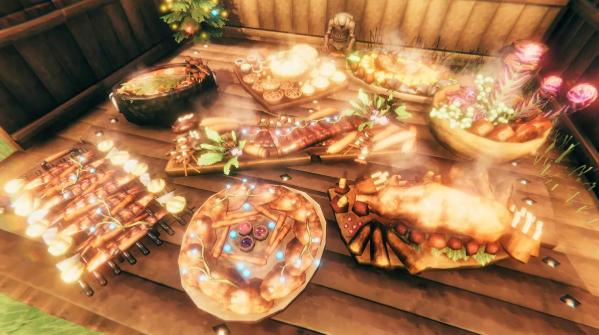
The biggest new cooking mechanic was Feasts.
Instead of producing individual meals, players could prepare large dishes containing several servings. A feast can be placed down and shared between multiple players, making it particularly useful for multiplayer bases.
Feasts also last considerably longer than conventional foods.
The update introduced eight different feasts, covering progression across Valheim's biomes rather than restricting the mechanic to late-game players.
This gave cooking another purpose beyond simply producing the strongest possible Health, Stamina, or Eitr combination. Players could prepare long-lasting communal meals for their settlement before setting out on an expedition.
New Meads and Potions
Brewing received a substantial expansion as well.
The Bog Witch introduced eight new potions, while the new Mead Ketill became the dedicated station for preparing mead bases.
These additions expanded the number of temporary effects available to players, including options designed around movement and other situational advantages rather than simply restoring Health or Stamina.
One important example was Lightfoot Mead. The Feather Cape's old jump-height bonus was moved to this new potion, turning what had previously been a permanent equipment effect into something players could deliberately prepare and consume when needed.
This continued Valheim's gradual shift toward giving players more consumables to prepare for specific situations.
New Skills
Another surprisingly important part of The Bog Witch was the introduction of three new skills.
Cooking, Farming, and Crafting finally became skills that could improve through repeated use.
This meant Valheim's non-combat activities could now contribute to character progression in a similar way to weapon skills, running, swimming, and other actions.
For players who spend a large amount of time maintaining a settlement, farming resources, preparing food, or crafting equipment for a group, those activities now had their own progression attached to them.
It was a relatively small mechanical addition on paper, but an important step toward making Valheim's survival and homesteading systems feel like proper character specializations rather than purely supporting activities.
Farming Tools
Farming also received new equipment.
The update introduced two new tools, including the Scythe, which made harvesting crops significantly more convenient. The Scythe Handle becomes available from the Bog Witch after defeating Moder.
This was particularly useful for larger farms, where manually collecting crops one at a time had become increasingly tedious as players expanded their settlements.
Combined with the new Farming skill, the update gave players who focused heavily on food production more tools and progression of their own.
New Ingredients and Materials
The Bog Witch brought 16 new crafting materials, many of which fed directly into the expanded cooking and brewing systems.
Rather than simply adding another tier of stronger food after Ashlands, these ingredients expanded the number of things players could prepare throughout their progression.
That distinction is important. The update wasn't another conventional endgame expansion. Its new systems were designed to interact with existing biomes and resources, making them relevant to both established characters and newer playthroughs.
Clothing and Building Pieces
Like Hildir's Request, The Bog Witch also included some smaller additions for players more interested in customization and building.
The update added three new pieces of clothing and four new building pieces, alongside three additional emotes.
These weren't the main focus of the update, but they continued Iron Gate's habit of using smaller updates to expand the social and decorative side of Valheim between the much larger biome releases.
A New Event
The update also added one new event, giving established worlds another possible raid encounter.
This helped integrate the new content into the existing world rather than confining everything to the Bog Witch's hut or the crafting menu.
More Than Another Merchant Update
At first glance, The Bog Witch can look similar to Hildir's Request. Both introduced a new merchant while expanding existing parts of the game rather than adding an entirely new biome.
Their focus was quite different, however.
Hildir's Request primarily added new objectives and customization while introducing World Modifiers. The Bog Witch instead expanded Valheim's survival and homesteading systems.
Cooking gained specialized crafting stations. Feasts introduced communal, long-lasting meals. Brewing received new potions. Farming gained better tools. Cooking, Farming, and Crafting became skills that could improve alongside the player's combat abilities.
Because of that, much of The Bog Witch's content became integrated into normal progression rather than existing as something players complete once and move on from.
And while players were experimenting with all of these additions, Iron Gate had already moved into pre-production on Valheim's final biome, the Deep North.
Call to Arms
Released on September 9, 2025, Call to Arms was the final major content update before Iron Gate shifted its full attention toward the Deep North and Valheim 1.0.
Rather than introducing another biome or merchant, Call to Arms focused almost entirely on combat and character progression. It rebalanced Forsaken Powers, introduced new combat mechanics, added a completely new equipment category, expanded the weapon roster, and gave players new ways to improve their fighting abilities.
The update also added 18 weapons, 13 Trinkets, two armor sets, two new creatures, a new skill, eight crafting materials, and several smaller additions.
Adrenaline and Perfect Dodges
One of the biggest changes was the introduction of Adrenaline, a new combat mechanic designed to reward players for fighting well.
Rather than simply relying on Health and Stamina, players could build Adrenaline through combat and use it alongside some of the update's new equipment.
Call to Arms also expanded the importance of precisely timed defensive play. Perfect dodges became part of the new combat systems, giving experienced players another reason to learn enemy attacks rather than simply creating distance or absorbing hits with a shield.
Together, these additions pushed Valheim's combat further toward rewarding timing and player execution.
Trinkets
Call to Arms introduced Valheim's first entirely new equipment category since Mistlands: Trinkets.
Players can equip Trinkets to gain additional combat effects, with 13 different Trinkets introduced in the update.
This added another layer to character builds. Weapons, armor, food, and Forsaken Powers were no longer the only major choices players could make before entering a difficult fight.
Trinkets could instead be selected around the situation or playstyle, giving players another way to specialize their character without replacing their existing equipment.
Training and Sparring
Call to Arms also introduced ways to practice combat without immediately throwing yourself against dangerous enemies.
Among the 18 new weapons, nine were wooden training weapons. These could be used for sparring with other Vikings without turning friendly practice into an actual fight.
A new training structure was also introduced, giving players a dedicated way to practice and improve their fighting abilities at their settlement.
It was an unusual addition for Valheim. Previous updates generally expected players to improve simply by surviving encounters in the world. Call to Arms made combat training itself part of the game.
New Weapons and Armor
The other half of the weapon additions consisted of proper combat equipment.
Combined with the new Trinket and Adrenaline systems, these weapons expanded the number of viable character builds without introducing another conventional biome progression tier.
Call to Arms also added two new armor sets, further expanding the equipment choices available to players before the final biome.
This was important because the update wasn't intended to invalidate Ashlands equipment. Instead, much of its content expanded the options available within the progression that already existed.
New Enemies
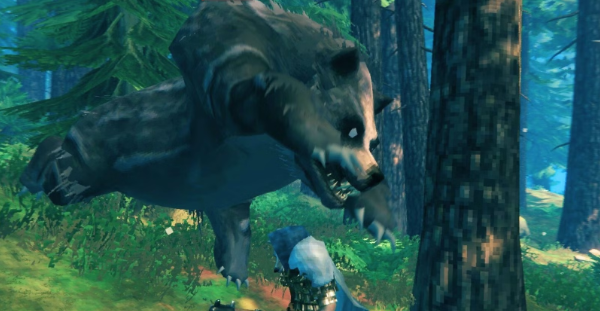
Call to Arms also introduced two completely new enemies: the Bear and the Vile.
Bears can be encountered in the Mountains and introduced several new resources, including Bear Hide, Bear Paws, and Bear Trophies. Their materials are used to craft the new Patterns of the Bear armor set and the Paws of the Bear, giving players additional equipment options tied directly to hunting them.
The Vile is a much more monstrous creature and provides its own collection of materials, including Vile Ribcages and Vile Trophies. These are used to create the Vilebone armor set and Vilebone Maulclaws.
Both creatures therefore served another purpose beyond simply adding more enemies to fight. Each one introduced its own small equipment progression path, with their drops feeding directly into some of the new weapons and armor added by Call to Arms.
Forsaken Power Rebalance
Call to Arms also revisited one of Valheim's oldest progression systems: Forsaken Powers.
These abilities had existed since the original Early Access release, but the update rebalanced them alongside the new combat mechanics.
That was particularly relevant this late into development. By 2025, Valheim contained far more weapons, armor sets, enemies, status effects, and character builds than when the original Forsaken Powers had been designed in 2021.
Revisiting them helped bring one of the game's oldest systems closer to the much larger combat sandbox Valheim had developed into.
More Than a Combat Patch
There were several smaller additions alongside the combat overhaul.
Call to Arms added eight crafting materials, one food, three building pieces, three hairstyles, five beard styles, and one new location. The update also upgraded Valheim's version of the Unity engine and included additional performance improvements and bug fixes.
None of these individually defined Call to Arms, but they made it considerably broader than a simple combat balance patch.
Preparing Valheim for Its Final Biome
Call to Arms is particularly interesting when viewed in the context of Valheim's development.
Iron Gate had already begun pre-production on the Deep North in May 2024. From October 2024 until August 2025, development of the final biome continued alongside Call to Arms. After Call to Arms was completed, the team's development timeline shifted entirely toward the Deep North.
Iron Gate confirmed this shortly after the update's release, stating that the team was now focused solely on Deep North and 1.0, with armor sets being designed, dungeons being developed, and enemies being animated.
Call to Arms therefore became something of a final systems update for Early Access. Instead of introducing another temporary endpoint to progression, it strengthened Valheim's combat systems while the game's final major piece was being built in the background.
And that final piece had been sitting at the northern edge of every Valheim world since 2021.
What's Next: Deep North and Valheim 1.0
Call to Arms wasn't the end of Valheim's journey. While Iron Gate continued expanding the game throughout Early Access, development was also underway on its final unfinished biome: the Deep North.
The Deep North has existed at the northern edge of Valheim's world since the original Early Access release, but until now it has remained largely unfinished. That changes on September 9, 2026, when the completed Deep North launches alongside Valheim 1.0, officially bringing the game's Early Access period to an end.
The update will introduce the final stage of Valheim's biome progression, with new enemies, weapons, building opportunities, and more. Iron Gate has intentionally kept many of the biome's details secret ahead of release, and there will be no Public Test Branch for 1.0, allowing everyone to experience the finished Deep North at the same time.
Valheim 1.0 will also introduce content outside the Deep North, including more than 50 achievements, alongside various optimizations and other additions. Existing worlds and characters will remain compatible, although Iron Gate recommends starting a fresh playthrough for the best 1.0 experience.
The release also brings Valheim to PlayStation 5 and Nintendo Switch 2, with full crossplay between PC, Xbox, PlayStation, and Switch 2.
After more than five years of Early Access updates, Deep North will finally complete the biome progression that began when Valheim first launched in 2021.
Once Valheim 1.0 releases, we'll cover the Deep North and everything added in the full release in a separate guide.